
Pool coping is the most abused edge in your entire backyard. It takes direct sun, freeze-thaw cycles, cannonballs, and years of dripping chlorinated water without complaint until finally, a chunk breaks off in your hand.
Replacing it costs between $30 and $120 per linear foot depending on the material you choose. A typical inground pool with 80 to 100 linear feet of coping runs $2,400 to $12,000 for a full replacement. This guide covers every coping material available, real installed costs, the replacement process step by step, and which options hold up best over time.
| Photo | Best Above-Ground Pools | Price |
|---|---|---|
|
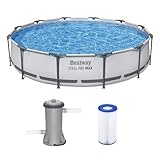
Bestway Steel Pro MAX 12' x 30" Above Ground Swimming Pool Set with Pump | Durable Round Metal Frame Outdoor Backyard Pool, Puncture-Resistant Liner - Type III A/C Filter Cartridge Included, Gray | Check Price On Amazon |
|
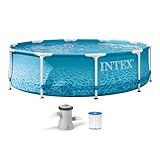
INTEX 28207EH 10ft X 30in Beachside Metal Frame Above Ground Swimming Pool Set, Includes 330 GPH Cartridge Filter Pump, Puncture-Resistant Material, Rust Resistant, 1185 Gallon Capacity | Check Price On Amazon |

|
H2OGO! Kids Splash-in-Shade 8-Foot Round Steel Frame Above Ground Pool with Water Mister and Canopy Sunshade, Green Tropical Leaf Print | Check Price On Amazon |
By the Numbers
Pool Coping Replacement — What the Research Shows
Sources: HomeAdvisor, Angi, industry contractor surveys
What Is Pool Coping
Pool coping is the cap or edging material installed on top of the pool bond beam — the uppermost structural wall of an inground pool. It forms the finished transition between the pool shell and the surrounding deck or patio surface.
Coping serves as both a functional and aesthetic element. It protects the pool structure from water intrusion behind the shell, gives swimmers a smooth edge to grip, and directs splash water away from the pool wall and toward deck drains. Without coping, water seeps between the pool wall and the deck, eroding the backfill, freezing in cold climates, and eventually cracking the bond beam. A cracked bond beam is a structural repair that costs three to five times more than replacing coping early.

- Intelligent Navigation with Full Coverage: Equipped with 11 high-precision sensors and enhanced dual-path algorithms. The optimized WavePath cleaning pattern ensures systematic coverage with minimal overlap, while adaptive navigation analyzes pool layout in real time to eliminate missed spots
- Dual Filtration for Crystal-Clear Water: Advanced dual-layer filtration system features a replaceable 3-micron ultra-fine filter paired with a 180-micron standard filter. Effectively captures fine dust, sand, leaves, and debris for visibly cleaner and healthier pool water
- Comprehensive Pool Cleaning: Engineered to clean the pool floor, walls, waterline, and shallow areas (above 12 inches). The Caterpillar Treads system enhances mobility and climbing ability, ensuring thorough coverage across all pool zones
- Reliable Performance with 2-Year Warranty: Trusted by over 500,000 pool owners worldwide, this robotic pool cleaner delivers consistent, high-performance results. Built for durability and backed by a 2-year warranty and responsive customer support for worry-free ownership
Why Pool Coping Matters More Than Most Pool Owners Realize
Coping does four jobs at once. It seals the top of the pool wall against water intrusion. It provides a safe, non-slip grip edge for swimmers entering and exiting. It creates the visual frame that defines how your entire pool area looks from every angle. And it absorbs the expansion and contraction movement between the pool shell and the deck, preventing cracks in both.
When coping fails, water gets behind the pool wall. This happens because the mortar joints crack open over time from freeze-thaw cycling, and water finds the path of least resistance downward. In concrete and gunite pools, this water saturates the soil behind the bond beam. When that saturated soil freezes, it expands with enough force to crack the pool shell itself. Pool shell crack repairs start at $3,500 and go up from there.
Coping failure only occurs when three conditions align: the coping material has lost its bond to the mortar bed, water is present at the coping-to-deck joint, and temperatures cycle below freezing at least once per winter. If any one condition is absent, the failure chain breaks. This is why pools in frost-free climates like Florida and Southern California see coping last 30 or more years while pools in the Midwest and Northeast may need replacement in 12 to 15 years.
If the coping-to-deck expansion joint sealant has pulled away or gone brittle, the result is water flowing directly behind the pool wall every time it rains or the deck is hosed down. Fix it by removing the old sealant completely and replacing it with a pourable, self-leveling polyurethane joint sealant rated for exterior use at widths of half an inch or greater.
Types of Pool Coping
There are six main coping material categories. Each trades off cost, durability, appearance, slip resistance, and heat retention differently. The right choice depends on your pool type (concrete, fiberglass, or vinyl liner), your climate zone, and whether the deck will be replaced at the same time.
Concrete pools and fiberglass pools use the full range of coping options. Vinyl liner pools use a specialized coping track system that holds the liner bead in place. This track coping is metal or plastic and costs significantly less than masonry coping. The sections below cover all options for concrete and fiberglass pools first, then vinyl liner coping separately.
Poured Concrete (Cast-in-Place) Coping
Poured concrete coping is formed and poured directly on top of the bond beam. It creates a seamless, continuous edge with no joints except at planned expansion points. This is the most common coping on new concrete pool builds.
Cost runs $30 to $50 per linear foot installed. The lower end assumes a simple square-edge form with a standard broom finish. The upper end includes curved forms for freeform pools, cantilevered edges, color integral to the mix, and stamped textures. Poured concrete coping installed properly lasts 20 to 30 years before significant cracking appears.
Poured concrete works because the entire coping ring acts as one continuous structural unit. Loads from swimmers pulling on the edge are distributed across the full perimeter rather than concentrated on individual stones or bricks. This only occurs when the concrete pour includes continuous horizontal rebar tied into the bond beam steel. Without that rebar connection, poured coping behaves like individual sections and cracks at the cold joints.
If the rebar is not continuous or not tied into the bond beam, the result is coping sections that lift and separate at cold joints within five to seven years. The cracks start hairline and widen to a quarter inch or more as freeze-thaw cycles wedge them open. Fixing this means cutting out and repouring those sections.
Precast Concrete Coping
Precast coping is manufactured off-site in standard shapes and delivered ready to install on a mortar bed. Common profiles include bullnose (rounded front edge), square edge, and ogee (S-curve profile). Units are typically 3 to 4 feet long per piece with molded joint lines.
Cost runs $40 to $70 per linear foot installed. Precast costs more than poured because of the manufacturing and shipping involved, but it installs faster and produces a more uniform appearance. Precast units from manufacturers like Stepstone and Wausau Tile carry a limited lifetime warranty on the concrete itself. Mortar joint failure between units is the most common issue, not the units cracking.
Precast coping differs from poured coping in one critical way: it has joints between every unit. Each joint is a potential water entry point. The mortar used between precast units must be a polymer-modified thin-set rated for continuous water exposure. Standard Type S mortar fails in this application within three to five years because it cannot handle the thermal expansion differential between the concrete coping unit and the mortar itself.
Natural Stone Coping
Natural stone coping includes travertine, limestone, flagstone, granite, and bluestone cut into coping profiles. Travertine is the most popular stone coping material in the United States because it stays cooler under direct sun than concrete or darker stones.
Cost ranges from $50 to $120 per linear foot installed depending on stone type and availability. Travertine runs $50 to $80 per foot. Bluestone and granite run $70 to $120 per foot. The wide range reflects regional stone availability. Bluestone costs less in Pennsylvania and New York. Travertine costs less in Texas and Florida where importers are concentrated.
Natural stone coping stays 20 to 30 degrees Fahrenheit cooler than concrete coping under direct summer sun. This happens because stone has lower thermal conductivity than concrete and reflects more solar radiation. The practical result is a coping edge that a child or an elderly swimmer can touch at 2 PM in July without recoiling. For pools with full sun exposure in hot climates, this single factor makes travertine worth the premium over concrete.
If natural stone is installed directly over a concrete bond beam without a crack isolation membrane, the result is stone cracking in the exact pattern of the bond beam joints below. Stone can span small cracks, but the differential movement between a concrete pool shell and a stone coping unit will transfer cracks through the stone within one freeze-thaw season. The fix is a sheet membrane like LATICRETE Hydro Ban or NobleSeal CIS installed over the entire bond beam before the stone is set.
Brick Pool Coping
Brick coping uses standard clay bricks set on edge with a slight outward pitch to shed water. It creates a traditional, textured look that pairs well with brick decks and older homes. Not all bricks work for coping. Only bricks rated as severe weather (SW) grade with a water absorption rate under 8% survive continuous poolside exposure.
Cost runs $35 to $55 per linear foot installed. Brick coping is more labor-intensive than precast or stone because each brick is small and requires individual setting and jointing. The finished result has many more joints than any other coping type. Each joint is sealed, but the sheer number of joints makes brick coping more vulnerable to water intrusion over time than any option except flagstone.
Aluminum Coping
Aluminum coping is a formed metal track that snaps over the top of the pool wall. It is used primarily on vinyl liner pools but can be retrofitted to some fiberglass pools. The coping track holds the vinyl liner bead in place while providing a finished edge.
Cost runs $15 to $30 per linear foot for the coping material alone. Installation labor adds $10 to $20 per foot. Total installed cost runs $25 to $50 per linear foot. Aluminum coping from manufacturers like Cardinal Systems and Latham Pool Products is powder-coated in white, gray, or tan. The powder coat lasts 10 to 15 years before showing noticeable wear at corners and ladder mounting points.
Aluminum coping works because it mechanically clamps the liner bead into a receiving channel. No adhesive holds the liner in place. The liner bead is wedged into the track and held by friction and geometry. This only works when the coping track is straight and unbent. Even a one-eighth inch bend in the track prevents the liner bead from seating fully, creating a weak point where the liner will eventually pull out.
Cantilever Coping
Cantilever coping is not a separate material — it is a design approach where the coping extends outward over the pool edge without visible support underneath. The effect is a clean, modern look where the coping appears to float above the waterline. It is most commonly executed in poured concrete and natural stone.
Cantilever coping requires the bond beam formwork to extend 3 to 6 inches beyond the pool wall face during the pour. This adds $5 to $10 per linear foot to the forming cost but eliminates the need for a separate coping installation step. The cantilever edge must include a drip groove on the underside to prevent water from running back along the bottom surface and onto the pool wall face.
Material Comparison
Pool Coping Materials — Side by Side
Key attributes compared across all major coping types
| Material | Cost/ft Installed | Lifespan | Heat Retention | Best For |
|---|---|---|---|---|
| Poured Concrete | $30-50 | 20-30 yrs | High | New builds, freeform pools |
| Precast Concrete | $40-70 | 15-25 yrs | High | Uniform look, straight runs |
| Travertine | $50-80 | 25-40 yrs | Low | Hot climates, luxury pools |
| Bluestone/Granite | $70-120 | 30-50 yrs | Medium | High-end, cold climates |
| Brick | $35-55 | 15-20 yrs | Medium | Traditional homes, brick decks |
| Aluminum | $25-50 | 10-15 yrs | Medium-High | Vinyl liner pools |
Costs are national averages for installation including labor and materials. Regional pricing and deck condition significantly affect final costs.
Pool Coping Replacement Cost Breakdown
A full coping replacement on an average inground pool costs between $2,400 and $12,000 total. If you’re unsure of your pool’s perimeter, our pool size calculator can help you estimate the linear feet of coping needed. The two factors that drive this cost more than any others are the material you choose and whether the surrounding deck needs to be cut back or replaced.
Labor accounts for 50 to 60 percent of the total coping replacement cost. Material makes up the remaining 40 to 50 percent. The labor-intensive part is not setting the new coping. It is removing the old coping without damaging the bond beam and cutting back the deck cleanly if the coping extends underneath. A crew of three typically completes a full coping replacement in three to five working days.
Cost Reference
Pool Coping Replacement — Total Cost by Pool Size and Material
All values pre-calculated. Find your row and column to see your estimated total cost.
| Material ↓ / Pool Size → | Small (60 ft) | Medium (90 ft) | Large (120 ft) | XL (150 ft) |
|---|---|---|---|---|
| Poured Concrete – $40/ft | $2,400 | $3,600 | $4,800 | $6,000 |
| Precast Concrete – $55/ft | $3,300 | $4,950 ★ most common | $6,600 | $8,250 |
| Travertine – $65/ft | $3,900 | $5,850 | $7,800 | $9,750 |
| Bluestone – $95/ft | $5,700 | $8,550 | $11,400 | $14,250 |
Costs include labor, materials, old coping removal, and standard mortar bed. Deck repair or replacement adds $15-$30 per square foot. ★ highlights the most common scenario.
Additional Cost Factors
Several variables push the final bill higher than the base per-foot price. Deck demolition and replacement is the most expensive adder. If your coping extends 4 to 6 inches under the existing deck, the deck must be cut back to access the coping for removal. Concrete deck cutting costs $3 to $7 per linear foot of coping. If the cut section looks uneven or damaged, you may need to replace the entire deck — not just the edge. To get a quick estimate for a complete deck replacement, use our pool deck cost calculator.
Bond beam repair is the second most common cost adder. After 15 to 20 years of water exposure, the top of the bond beam may be spalled, cracked, or deteriorated. Repairing it before new coping goes on costs $15 to $25 per linear foot for minor patching and $40 to $75 per linear foot for major reconstruction involving forming and pouring new concrete. Skipping bond beam repair to save money guarantees the new coping will crack or separate within three years.
Access difficulty adds cost. Pools with limited equipment access — narrow side yards, retaining walls, steep slopes — require more labor or specialized equipment. A pool that a skid steer cannot reach adds $1,500 to $3,000 in hand-carry labor for demolition debris and material delivery. This is a real cost that honest contractors will include in the quote. Contractors who do not mention access limitations during the estimate process are either inexperienced or planning to hit you with a change order later.
Signs Your Pool Coping Needs Replacement
Coping rarely fails uniformly around the entire pool. You will see problem areas first, and those areas will spread over two to three seasons. Catching coping failure early — when only 10 to 20 percent of the coping is affected — allows for a partial replacement that costs a fraction of a full perimeter job.
The first sign is cracked or missing mortar between coping stones or between the coping and the deck. Mortar cracks wider than one-eighth of an inch allow water to enter behind the pool wall. If you can fit a dime edge into the crack, it is wide enough to be a water entry point. This is the earliest warning sign and the cheapest to fix. Repointing mortar joints costs $5 to $12 per linear foot versus $40 to $120 per foot for full coping replacement.
The second sign is loose or wobbly coping stones. A coping stone that moves under foot pressure or when you push on it with your hand has lost its bond to the mortar bed. The stone itself is fine. The mortar underneath has failed. If more than three adjacent stones are loose, the bond failure is progressive and will spread. Reset loose stones individually at $50 to $100 per stone if caught early. If 20 percent or more of the coping stones are loose, a full replacement is more cost-effective than resetting piecemeal.
The third sign is efflorescence — a white chalky residue on the pool wall directly below the coping. This is dissolved minerals being deposited as water evaporates after leaking through the coping joint and running down the wall face. Efflorescence means water has been traveling behind the coping for months or years. The source leak must be found and sealed. If the efflorescence is widespread around the pool perimeter, the coping joint system has failed comprehensively.
The fourth sign is deck cracking that radiates outward from the coping line. When coping settles or shifts, it pulls the adjacent deck with it. Cracks that start at the coping-to-deck joint and run perpendicular into the deck for more than 12 inches indicate coping movement below the deck surface. These cracks will continue to grow each season. The fix requires removing the coping in that section, repairing the bond beam, and replacing the affected deck sections.
Pool Coping Replacement Process Step by Step
Coping replacement follows a specific sequence. Skipping steps or rushing the curing times between steps is why some coping replacements fail within five years. A proper replacement takes five to seven working days from demolition to final seal. Here is the full process.
Step-by-Step Guide
How Pool Coping Replacement Works — Step by Step
7 steps · 5 to 7 working days · Professional installation
Demolition and Removal
Old coping is cut free using a concrete saw along the deck joint and pried off the bond beam. The crew protects the pool with tarps to catch debris. Demolition takes one full day for an average pool.
Bond Beam Inspection and Repair
The exposed bond beam is inspected for cracks, spalling, and deterioration. Damaged sections are chipped out and reformed with hydraulic cement or epoxy mortar. This step must not be skipped.
Crack Isolation Membrane Application
A sheet or liquid-applied membrane is installed over the entire bond beam top. This prevents cracks in the pool structure from telegraphing through to the new coping. Membrane cures for 2 to 4 hours.
Mortar Bed Setting
A polymer-modified mortar bed is troweled onto the bond beam at a consistent half-inch to three-quarter-inch thickness. The bed is screeded level with a slight outward pitch of one-eighth inch per foot to shed water away from the pool.
Coping Placement and Alignment
Each coping unit is set into the mortar bed, tapped level, and aligned with adjacent units. Joint spacing is maintained at one-eighth to one-quarter inch using plastic spacers. Overhang into the pool is kept consistent at 1 to 2 inches.
Joint Grouting and Tooling
After the mortar bed cures for 24 hours, joints between coping units are filled with polymer-modified grout and tooled to a concave profile. The coping-to-deck expansion joint is filled with flexible polyurethane sealant, not rigid grout.
Sealing and Final Cure
Natural stone coping receives a penetrating sealer applied to all exposed surfaces. Concrete coping may receive a cure-and-seal compound. The pool remains covered and unused for 48 to 72 hours while everything cures fully.
DIY vs Professional Pool Coping Replacement
Coping replacement is not a beginner-level DIY project. It requires concrete cutting equipment, knowledge of bond beam structural repair, experience with mortar bed leveling on a continuous curve, and the ability to handle coping stones that weigh 30 to 80 pounds each. One dropped stone in the pool shell will crack the finish and cost more to repair than the labor savings from doing the job yourself.
Partial coping repair of one to three loose stones is within reach of a skilled DIYer with masonry experience. The process involves chiseling out the old mortar, cleaning the bond beam surface, mixing polymer-modified thin-set, and resetting the stone to match the adjacent coping height and pitch. Materials cost $40 to $80 for a small batch repair. The risk is low because a single stone failing again does not compromise the pool structure.
Full perimeter coping replacement should be left to professionals. The cost difference between DIY and professional is $2,000 to $4,000 in saved labor. Against that savings, weigh the cost of a dropped stone cracking the pool finish ($800 to $2,500 to repair), incorrectly pitched coping that directs water toward the pool wall instead of away from it ($3,000 to $8,000 in future water damage), and the near certainty that DIY mortar joints will fail faster than professionally tooled joints. On a risk-adjusted basis, professional installation is the better financial decision for full replacement.
If the surrounding pool deck also needs replacement or major repair, coordinating both projects through one contractor saves 15 to 25 percent compared to doing them separately. For comprehensive pool renovation guidance, see our guide on pool resurfacing costs and the complete renovation process. For a quick estimate, try our pool renovation cost calculator.
Buying Guide
Before You Replace Pool Coping — Decision Checklist
Check off each point before hiring a contractor or starting work.
How Long Does Pool Coping Last by Material
Coping lifespan varies dramatically by material and climate. A poured concrete coping in Phoenix, Arizona regularly reaches 30 years. The same coping in Chicago, Illinois lasts 15 to 18 years before significant cracking and spalling appear. The difference is freeze-thaw cycles.
Natural stone coping lasts the longest of any material type. Travertine coping in a properly installed mortar bed with a crack isolation membrane underneath can last 40 years or longer in any climate. The stone itself does not degrade. The failure point is always the mortar joints and the bond to the concrete. When those are done correctly, the stone itself is effectively permanent. Granite and bluestone have similar longevity profiles with the added benefit of being nearly impervious to chemical attack from pool water.
Aluminum coping on vinyl liner pools lasts 10 to 15 years before the powder coating degrades and the metal begins to oxidize. The structural aluminum itself remains intact, but the appearance declines. Replacement is cosmetic rather than structural in most cases. When the liner is replaced — typically every 8 to 12 years — the coping is often replaced at the same time since the liner bead must be removed from the coping track anyway. For more on liner replacement timing, see our guide on inground pool liner replacement cost and the full process from measurement to fill.
How to Match New Coping to Existing Deck
When replacing coping without replacing the deck, matching the new coping to the existing deck surface is the hardest aesthetic challenge. The coping and deck must look intentional together even though they are different ages and likely different materials. The most reliable approach is contrast, not match.
Choose a coping material that is intentionally darker or lighter than the deck by at least two shade steps. A light gray concrete deck pairs well with dark bluestone coping or medium-warm travertine. Attempting to match the exact color of a 15-year-old concrete deck with new precast coping will fail. The new coping will look clean and uniform while the deck shows 15 years of staining and wear. The contrast will look accidental, not designed.
A second approach is using the same material family but with a deliberate texture difference. A broom-finished concrete deck with a smooth trowel-finished poured concrete coping in the same color reads as coordinated. A honed travertine deck with tumbled-edge travertine coping in the same stone type reads as intentional. The eye registers “same material, different finish” as a design choice rather than a repair. To see how various coping and deck materials look together, use our pool deck design visualizer before making your final selection.
Seasonal Timing for Coping Replacement
Coping replacement is a warm-weather job. The mortar bed and grout require ambient temperatures above 40 degrees Fahrenheit and rising for a minimum of 72 hours after placement to cure correctly. In practice, this means coping replacement in cold climates happens between May and October. In warm climates, the season runs March through November.
Scheduling coping replacement in the off-season (November through February in cold climates) often saves 10 to 15 percent on labor because contractors have open schedules. However, the risk of a cold snap ruining the mortar cure is real. If nighttime temperatures drop below freezing during the 72-hour cure window, the mortar will not reach design strength and will begin spalling within the first year. The labor savings are not worth the failure risk.
Myth vs Fact
Pool Coping — Common Myths Debunked
Separating fact from fiction on the most common coping misconceptions
Myth
Cracked coping is just cosmetic and can be ignored until it looks bad enough to replace.
Fact
Cracked coping joints allow water behind the pool wall, saturating the backfill soil. In freeze-thaw climates, this saturated soil expands and can crack the pool shell itself. A coping repair under $2,000 becomes a $10,000 structural repair when ignored for three to five years.
Myth
You can replace just the damaged coping sections and leave the rest.
Fact
Partial replacement works when the affected area is under 20 percent of the total perimeter. Beyond that threshold, the new and old coping will settle differently, creating a height mismatch and new cracking at the transition within two years. The money spent on partial replacement is wasted if the failure is widespread.
Myth
Any concrete contractor can replace pool coping.
Fact
Pool coping requires specific knowledge that general concrete contractors lack. The outward pitch must be exactly one-eighth inch per foot to shed water away from the pool without creating a trip hazard. The mortar must be polymer-modified for continuous water exposure. The expansion joint between coping and deck must use flexible sealant, not rigid grout. A non-pool contractor will get at least two of these three things wrong.
Myth
Sealing coping makes it maintenance-free forever.
Fact
Penetrating sealers on natural stone and concrete coping last two to five years depending on sun exposure, chemical contact, and bather load. They reduce water absorption by 90 to 95 percent when fresh but degrade over time. Re-sealing on a two to three year cycle is required. No sealer is permanent. A penetrating stone sealer rated for pool coping costs $40 to $80 per gallon and covers 200 to 400 square feet per coat.
Why Does Pool Coping Crack in the First Place
Coping cracks for three reasons. Freeze-thaw cycling is the most common in cold climates. Water enters microscopic pores in the coping material or the mortar joints, freezes, expands by roughly 9 percent in volume, and wedges the material apart. Each freeze-thaw cycle widens existing cracks microscopically. Over hundreds of cycles across multiple winters, cracks that started invisible to the naked eye become wide enough to admit a credit card edge.
Settlement is the second cause. The soil behind the pool wall and under the deck compacts over time. As the deck settles even a quarter inch, it pulls on the coping that is mechanically tied to both the deck and the bond beam. Something has to give, and it is usually the mortar joint between coping and deck. This is why the coping-to-deck joint must be filled with flexible sealant, not rigid mortar. The sealant stretches to accommodate settlement movement. Mortar cracks.
Chemical erosion is the third cause and the most overlooked. Pool water contains chlorine at 1 to 4 parts per million, pH adjusters, algaecides, and sometimes salt at 3,000 to 3,500 ppm if you have a saltwater chlorine generator. Every time a swimmer exits the pool dripping wet, that chemically treated water lands on the coping and evaporates. The water evaporates and the chemicals remain, concentrating on the coping surface. Over years, this repeated chemical deposition etches concrete coping and dissolves the binder in some natural stones. Saltwater pools are harder on coping than traditional chlorine pools because salt accelerates the freeze-thaw damage cycle inside the coping pores.
Are Saltwater Pools Harder on Coping
Yes. Saltwater pools accelerate coping deterioration compared to traditional chlorine pools. The salt concentration in a saltwater pool (3,000 to 3,500 ppm) is roughly one-tenth the salinity of seawater, but it is still enough to cause problems. Maintaining correct salinity is critical; use our salt calculator for pools to keep your salt levels in the ideal range, minimizing stress on your coping. Saltwater wicks into porous coping materials, and when the water evaporates, salt crystals form inside the pores. These crystals grow with enough force to spall the surface of concrete and some softer natural stones like limestone.
The coping materials most affected by saltwater exposure are poured concrete, precast concrete, and limestone. Travertine, granite, and bluestone have low enough porosity that salt crystal formation inside the stone is minimal. If you have a saltwater pool and are replacing coping, choose travertine or granite. Avoid limestone entirely. Seal concrete coping every 18 to 24 months with a silane-siloxane penetrating sealer to minimize saltwater absorption.
Aluminum coping is also affected by saltwater pools. The salt aerosol above the waterline accelerates oxidation of the aluminum, shortening the powder coat lifespan from 15 years to roughly 10 years. This is a cosmetic issue rather than structural, but it means more frequent coping replacement on saltwater vinyl liner pools. For vinyl liner pools, the coping and liner interact closely. If you are replacing a liner at the same time as coping, our guide on replacing an above ground pool liner step by step covers the process for above-ground pools, while our inground liner guide covers the coping-to-liner connection in detail.
How Much Does It Cost to Replace Just a Section of Pool Coping
Partial coping replacement costs $200 to $600 per section depending on how many linear feet are affected and whether the bond beam needs repair underneath. A section of three to five coping stones (roughly 9 to 20 linear feet) is the typical minimum repair job. The cost includes demolition of the affected section, bond beam inspection, mortar bed replacement, stone resetting, and joint grouting.
The challenge with partial replacement is matching the new coping to the old. If the original coping is still available from the manufacturer, the match will be close but not perfect because the old coping has 10 to 20 years of weathering and chemical exposure. If the original coping is discontinued, you will need to find a close match or accept a deliberate contrast section. Some pool owners use a contrasting coping section at the entry steps or a feature wall to make the repair look intentional rather than an attempted match that failed.
What Is the Best Pool Coping for Hot Climates
Travertine is the best coping material for hot climates. It reflects more solar radiation than concrete, brick, or darker natural stones, staying 20 to 30 degrees Fahrenheit cooler at the surface on a 95-degree day. This matters because coping is the surface swimmers grip to enter and exit the pool. Coping that is too hot to touch is a safety hazard for children and elderly swimmers.
Light-colored poured concrete with a textured finish is the second-best option for hot climates and costs half as much as travertine. The key is the color. A white or very light gray concrete coping stays significantly cooler than a buff or tan concrete. Integral color added to the concrete mix is better than surface-applied color because it does not wear off or fade unevenly. Avoid dark integral colors entirely in hot climates.
Can You Paint Pool Coping Instead of Replacing It
You can paint concrete coping, but paint is a temporary cosmetic fix that lasts one to three seasons. It does not address the underlying cause of cracking, loose stones, or failed mortar joints. Painted coping that is structurally compromised will continue to deteriorate under the paint, and the paint will crack and peel as the coping moves. Painting coping that is in good structural condition but has cosmetic staining is a reasonable short-term solution while you budget for replacement.
Use a two-part epoxy pool deck coating rated for continuous water immersion at the coping edge. Standard concrete paint peels within weeks at the waterline. Epoxy coatings bond chemically to the concrete and withstand pool chemical exposure. Material costs run $60 to $120 per gallon, covering 200 to 300 square feet per gallon for two coats. A two-part epoxy pool deck coating applied correctly will last two to four years on structurally sound coping before needing recoating.
What Happens If You Ignore Damaged Pool Coping
Ignoring damaged coping leads to water intrusion behind the pool wall. The first year, you will see efflorescence on the pool wall below the coping and the coping crack will widen slightly. By year three, the soil behind the pool wall is saturated, and freeze-thaw cycles have expanded the original crack into a structural gap. Water is now flowing behind the pool shell every time it rains or the pool overflows.
By year five, the bond beam shows visible spalling and cracking. The coping is loose around 30 to 50 percent of the pool perimeter. The deck adjacent to the pool shows settlement cracks radiating outward from the coping line. At this point, the repair is no longer just coping replacement. It is coping replacement plus bond beam reconstruction plus deck repair. The $5,000 coping job has become a $20,000 structural renovation.
Safety is also a factor. Loose coping stones are a trip hazard at the pool edge. A person stepping onto a loose coping stone at the pool entry can lose their balance and fall into the pool or onto the deck. Pool edge safety starts with structurally sound coping. For additional pool safety measures, our guide on the best pool alarm options for doors, surface detection, and wearable sensors covers the full range of safety equipment for your pool area.
How Do You Maintain Pool Coping to Extend Its Life
Maintain pool coping with three simple actions performed on schedule. Check the coping-to-deck expansion joint sealant every spring. If it has pulled away from either side, is cracked, or has turned brittle, remove it and replace it. A self-leveling polyurethane joint sealant in a color matching your deck costs $12 to $20 per tube and covers roughly 25 linear feet per tube at a half-inch joint width. This single task prevents more coping damage than any other maintenance action.
Clean coping twice per year with a mild pH-neutral cleaner and a soft brush. Avoid acid-based cleaners. Muriatic acid and acid-based tile cleaners etch concrete and stone coping surfaces, creating microscopic pits that hold water and accelerate freeze-thaw damage. A pH-neutral stone and concrete cleaner costs $15 to $25 per gallon concentrate. Dilute at 1 to 4 ounces per gallon of water and scrub with a soft-bristle pool brush on a telescoping pole.
Seal natural stone coping every two to three years and concrete coping every three to five years. Use a penetrating silane-siloxane sealer, not a film-forming acrylic sealer. Film-forming sealers trap moisture inside the coping and peel within one season. Penetrating sealers chemically bond to the stone or concrete without forming a surface film. They reduce water absorption by 90 to 95 percent while allowing the material to breathe. One gallon covers 200 to 400 square feet and costs $40 to $80.
Does Homeowners Insurance Cover Pool Coping Replacement
Homeowners insurance generally does not cover coping replacement due to wear and tear, lack of maintenance, or age-related deterioration. Insurance covers sudden and accidental damage from a covered peril. If a tree falls on your pool coping during a storm, that damage is covered. If coping fails after 20 years of freeze-thaw cycling, that is a maintenance issue and is not covered.
Some insurance policies cover coping damage if it results from a covered foundation or structural claim. If your pool shell cracks due to ground movement or settling covered by your policy, the coping that must be removed and replaced as part of the structural repair may be covered. Check your specific policy language for swimming pool coverage limits. Many standard homeowners policies exclude pools entirely or cap coverage at $1,000 to $5,000 for pool structures unless a specific rider is added.
What Is the Difference Between Pool Coping and Pool Decking
Pool coping is the edge cap installed directly on top of the pool wall. Pool decking is the flat surface surrounding the pool that extends outward from the coping. The two are separate installations with different materials, different installation methods, and different functions. Coping seals the pool structure and provides a grip edge. Decking provides the walking surface and social space around the pool.
The joint between coping and decking is the most important detail in the entire pool perimeter system. This joint must be filled with flexible sealant, not rigid grout or mortar. The coping and deck expand and contract at different rates with temperature changes. The deck also settles over time while the pool structure, supported by deeper footings, settles less. The flexible joint accommodates this differential movement. A rigid joint cracks, and the crack becomes a water entry point. Control this joint and you control the most common source of coping failure.
Can You Install Pool Coping Over Existing Coping
Installing new coping over old coping is not recommended. The old coping surface is almost never flat enough across the entire perimeter to support a consistent mortar bed. Even if it looks flat, 20 years of micro-cracking and surface spalling have created an unreliable bonding surface. The new coping mortar will not bond well to the old coping surface, and the added height will change the relationship between the coping edge and the pool waterline.
The one exception is aluminum coping retrofits on vinyl liner pools. Some aluminum coping systems are designed to install over existing steel or aluminum coping tracks. These retrofit systems snap over the old coping and provide a new liner track and finished edge. They cost $15 to $25 per linear foot for the coping material and can be installed in one day by a pool contractor. This is a cosmetic upgrade that also replaces the liner bead track, which is the most common failure point on older vinyl liner pools.
For concrete coping, the right approach is always full removal down to the bond beam. Any contractor who suggests pouring a thin concrete overlay on top of existing coping is proposing a repair that will fail within two to four years. The overlay will not bond reliably, will crack at every existing coping joint, and will trap water between the old and new layers where freeze-thaw damage accelerates. Remove the old coping. Do it once and do it right.
For most pool owners with medium-sized pools and moderate climates, precast concrete coping at $55 per linear foot is the best balance of cost, durability, and appearance. It installs faster than poured concrete, costs less than natural stone, and with proper joint maintenance lasts 20 to 25 years before needing significant repair. Get three quotes from pool renovation contractors, check their references specifically for coping work, and schedule the job for late spring when temperatures are reliably above 50 degrees Fahrenheit.
| Photo | Best Above-Ground Pools | Price |
|---|---|---|
|
|
Bestway Steel Pro MAX 12' x 30" Above Ground Swimming Pool Set with Pump | Durable Round Metal Frame Outdoor Backyard Pool, Puncture-Resistant Liner - Type III A/C Filter Cartridge Included, Gray | Check Price On Amazon |
|
|
INTEX 28207EH 10ft X 30in Beachside Metal Frame Above Ground Swimming Pool Set, Includes 330 GPH Cartridge Filter Pump, Puncture-Resistant Material, Rust Resistant, 1185 Gallon Capacity | Check Price On Amazon |
|
|
H2OGO! Kids Splash-in-Shade 8-Foot Round Steel Frame Above Ground Pool with Water Mister and Canopy Sunshade, Green Tropical Leaf Print | Check Price On Amazon |