
An above ground pool requires a level surface within 1 inch across its entire footprint. A sloped yard breaks that rule immediately, but the fix is simpler and cheaper than most homeowners think.
| Photo | Best Above-Ground Pools | Price |
|---|---|---|
|
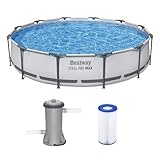
Bestway Steel Pro MAX 12' x 30" Above Ground Swimming Pool Set with Pump | Check Price On Amazon |
|
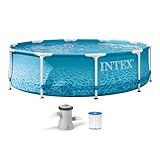
INTEX Beachside Metal Frame 10ft x 30in Round Pool Set w/Pump | Check Price On Amazon |

|
H2OGO! Kids Splash-in-Shade 8-Foot Round Steel Frame Above Ground Pool with Water Mister and Canopy Sunshade, Green Tropical Leaf Print | Check Price On Amazon |
This guide covers every method for installing an above ground pool on a slope: cut and fill excavation, retaining wall construction, and partial burial semi-inground conversion. Each approach is explained with real cost ranges, soil considerations, drainage requirements, and long-term stability factors.
By the Numbers
Above Ground Pool on a Slope — Key Figures
Sources: PHTA technical standards, contractor surveys, manufacturer installation guidelines
What Slope Is Too Steep for an Above Ground Pool?
Any slope exceeding 1 inch of height difference across the pool’s diameter is technically too steep for a standard above ground pool installation. This happens because the pool wall and liner rely on uniform support from the ground beneath them.
A 24-foot round pool sitting on ground that drops 3 inches from one side to the other places uneven pressure on the wall structure. The low side bears more water weight while the high side sits on compacted fill that may settle over time. According to the Pool and Hot Tub Alliance (PHTA) installation standards, the acceptable tolerance is 1 inch or less of variation across the entire pool base area.
This does not mean a sloped yard disqualifies you from pool ownership. It means the slope must be corrected before the pool goes in. The correction method depends on how severe the slope is and which direction it runs relative to your planned pool location.
Slopes steeper than 12 inches of drop over the pool diameter push you into retaining wall territory or partial burial solutions. At that point, the earth on the high side must be physically retained to prevent collapse onto the pool structure.
How Much Slope Can an Above Ground Pool Handle Without Major Work?
A slope of 2 to 3 inches across a 24-foot pool diameter can often be corrected with simple cut and fill leveling. This involves digging down the high side and using that soil to build up the low side. The key word is “often” because soil type determines whether this works.
Sandy or loamy soil compacts well and holds its shape under pool weight. Clay soil expands when wet and shrinks when dry, making it a poor base for fill on the low side of a slope. A plate compactor run over filled areas in 2-inch lifts reduces settlement risk significantly.

- Intelligent Navigation with Full Coverage: Equipped with 11 high-precision sensors and enhanced dual-path algorithms. The optimized WavePath cleaning pattern ensures systematic coverage with minimal overlap, while adaptive navigation analyzes pool layout in real time to eliminate missed spots
- Dual Filtration for Crystal-Clear Water: Advanced dual-layer filtration system features a replaceable 3-micron ultra-fine filter paired with a 180-micron standard filter. Effectively captures fine dust, sand, leaves, and debris for visibly cleaner and healthier pool water
- Comprehensive Pool Cleaning: Engineered to clean the pool floor, walls, waterline, and shallow areas (above 12 inches). The Caterpillar Treads system enhances mobility and climbing ability, ensuring thorough coverage across all pool zones
- Reliable Performance with 2-Year Warranty: Trusted by over 500,000 pool owners worldwide, this robotic pool cleaner delivers consistent, high-performance results. Built for durability and backed by a 2-year warranty and responsive customer support for worry-free ownership
Slopes between 3 and 8 inches over the pool footprint require more careful compaction and often a low retaining border on the high side. The cut side exposes raw soil that can erode under heavy rain. A geotextile fabric layer placed between native soil and fill material prevents mixing of the two layers.
Slopes exceeding 8 inches over the diameter demand a structural retaining wall or a semi-inground conversion. At this severity, the volume of fill on the low side becomes too great to trust with compaction alone.
Three Methods for Installing an Above Ground Pool on a Slope
Three approaches solve the slope problem, each suited to a different slope severity and budget level. The method you choose determines the long-term stability of the pool and the total project cost. Getting accurate estimates early will help you budget; you can use an above-ground pool installation cost calculator to project expenses for your specific yard conditions.
Method 1: Cut and Fill Leveling
Cut and fill is the simplest and least expensive method. The contractor or homeowner removes soil from the high side of the slope and moves it to the low side, creating a level pad. This works for slopes up to about 6 inches of differential across a 24-foot pool diameter.
The critical step most DIY installers skip is removing all organic topsoil from the entire pool area before any filling begins. Topsoil decomposes over time and creates voids under the pool base. The PHTA installation manual specifies removal of all organic material to a depth of at least 2 inches below the final grade line.
A laser level or transit level is essential here. Eyeballing a slope almost always results in a pool that is still out of level by 1 to 2 inches after filling with water. That small error concentrates thousands of pounds of water pressure on one section of the pool wall.
Key Specifications: Cut and fill method. Maximum slope: 6 inches over pool diameter. Equipment needed: laser level, plate compactor, sod cutter. Soil type required: sand or loam (not clay). Compaction requirement: 2-inch lift increments. Cost range: $300 to $800 for professional grade work on a 24-foot round pool site.
Method 2: Retaining Wall Construction
A retaining wall holds back the earth on the high side of the slope, creating a level shelf for the pool. This method handles slopes from 6 inches up to several feet of drop. The wall must be engineered to resist the lateral earth pressure of the soil it retains plus the additional load of the pool water pressing down on the ground behind it.
For slopes up to 24 inches of drop, a gravity retaining wall built from interlocking concrete blocks typically suffices. The wall leans slightly back into the hill and uses its own weight to resist soil pressure. For drops exceeding 24 inches, a reinforced concrete wall with a buried footing and drainage gravel backfill becomes necessary.
Drainage behind the retaining wall is not optional. Water trapped behind the wall creates hydrostatic pressure that can crack or overturn the wall within a single freeze-thaw cycle. A perforated drain pipe at the base of the wall, surrounded by 12 inches of clean gravel, prevents this failure mode.
This happens because water weighs 62.4 pounds per cubic foot. Saturated soil behind a wall exerts pressure equal to the weight of the soil plus the weight of the water. The drain pipe gives water an escape path, reducing pressure to just the soil weight alone.
Key Specifications: Retaining wall method. Maximum slope: 24+ inches (gravity wall) or any height (reinforced wall). Wall type: gravity block for under 24 inches, reinforced concrete for over 24 inches. Drainage required: perforated 4-inch pipe at base with 12-inch gravel surround. Setback from pool: minimum 3 feet. Cost range: $30 to $60 per square foot of wall face area. Engineering: required for walls over 36 inches in most jurisdictions.
Method 3: Partial Burial or Semi-Inground Installation
Some above ground pools are rated for partial burial. These pools have reinforced walls and corrosion-resistant coatings that handle continuous soil contact. Burying the high side of the pool into the slope eliminates the need for a tall retaining wall and can look more natural in the landscape.
Not all above ground pools can be buried. Standard steel-wall pools rust when in constant contact with soil moisture. Resin and hybrid pools handle burial better. The manufacturer’s warranty specifically states whether partial burial is allowed and to what depth.
An above ground pool built with resin components and coated steel walls gives you the most flexibility for a semi-inground installation. These pools resist the corrosion that destroys standard steel pools buried in soil.
Key Specifications: Partial burial method. Burial depth: consult manufacturer (typically 18 to 36 inches maximum). Compatible pool types: resin, hybrid, or specially rated steel. Soil contact protection: required (gravel backfill, no direct clay contact). Drainage: French drain around buried portion. Cost range: $2,000 to $8,000 additional beyond standard installation.
Quick Reference
Above Ground Pool on a Slope — Key Terms Explained
Quick reference for the terms used throughout this guide
Excavating soil from the high side of a slope and using it to build up the low side to create a level surface. Required compaction: 2-inch lifts with a plate compactor.
A structure that holds back soil on the high side of a slope. Must include drainage behind the wall to prevent hydrostatic pressure buildup.
An above ground pool partially buried into the ground. Requires manufacturer approval for burial and corrosion-resistant wall materials.
The slope of the ground surface, measured as vertical drop in inches over horizontal distance in feet. A 5% grade drops 5 feet over 100 horizontal feet.
A sloped sand or foam wedge at the base of the pool wall that prevents the liner from pushing out under the wall. Critical on filled low sides.
A permeable fabric placed between native soil and fill material. Prevents mixing of layers and maintains drainage while blocking soil migration.
Pressure exerted by water trapped in soil behind a retaining wall. Can exceed the structural capacity of an undrained wall within one season.
A motorized tool that vibrates soil to increase density. Fill soil left uncompacted will settle under pool weight and create an unlevel condition.
A gravel-filled trench with a perforated pipe that redirects groundwater away from the pool base. Prevents erosion and frost heave damage.
A leveling tool that projects a horizontal reference line. Essential for confirming the pool pad is within 1 inch of true level across the full diameter.
Cost Comparison by Slope Severity and Installation Method
Use the table below to match your slope severity with the right installation method and understand the total cost range you should expect.
Cost Reference
Above Ground Pool on a Slope — Total Installation Cost by Method
Costs include slope correction, base preparation, and pool installation. Does not include pool kit price.
| Slope severity ↓ / Method → | Cut and Fill | Retaining Wall | Semi-Inground |
|---|---|---|---|
| Mild: 1 to 3 inches | $300 to $500 ★ most common |
Not needed | Not needed |
| Moderate: 3 to 8 inches | $500 to $1,200 | $1,800 to $4,000 | $2,500 to $5,000 |
| Significant: 8 to 18 inches | Not recommended | $3,500 to $7,500 | $4,000 to $8,000 |
| Severe: 18 to 36+ inches | Not recommended | $6,000 to $15,000+ | $8,000 to $18,000+ |
Costs based on 24-foot round pool installation in typical residential conditions. Retaining wall costs assume gravity block construction for moderate slopes and reinforced concrete for severe slopes. Site access and soil conditions significantly affect final pricing. ★ highlights the scenario most readers will face.
Step-by-Step: How to Level Ground for an Above Ground Pool on a Slope
This process applies to mild and moderate slopes using the cut and fill method. For significant or severe slopes, a retaining wall must be built first before following these steps on the resulting level pad.
Step-by-Step Guide
How to Level a Sloped Yard for an Above Ground Pool — Step by Step
7 steps · Estimated total time: 1 to 2 days for mild slope, 2 to 4 days for moderate slope
Mark the Pool Area and Measure the Slope
Drive a stake at the center of the planned pool location. Use a laser level to measure the elevation difference between the highest and lowest points within the pool circle. Record this number in inches.
Remove All Organic Topsoil
Strip sod, roots, and dark organic soil from the entire pool area plus a 2-foot buffer zone. Go down to clean mineral soil. Organic material decomposes and creates voids that cause the pool to settle unevenly.
Cut Down the High Side to Target Grade
Set your laser level to the target finished elevation. Excavate the high side of the slope down to this reference line. The target grade sits 2 inches below the final pool base height to allow for a sand layer.
Build Up the Low Side in 2-Inch Lifts
Spread fill soil on the low side in layers no thicker than 2 inches. Run a plate compactor over each lift before adding the next. Compaction must exceed 95% density as verified by a soil probe test.
Verify Level Across the Full Pad
Check elevation at 8 points around the pool circle using the laser level. Maximum deviation between any two points must be under 1 inch. If any point is off, adjust fill or cut until all points match within tolerance.
Install Sand Base and Pool Cove
Spread a 2-inch layer of masonry sand over the compacted pad. Form a cove around the perimeter where the pool wall meets the ground. The cove prevents the liner from pushing out under the wall when water weight is added.
Assemble Pool and Fill with Water
Assemble the pool according to manufacturer instructions on your level pad. Fill slowly over 24 to 48 hours. Recheck level after 6 inches of water, again at halfway full, and once more at full capacity. If you need to estimate how long filling will take based on your hose flow rate, a pool fill time calculator helps you plan the timeline accurately.
For the complete leveling guide with soil testing procedures and compaction verification methods, read our detailed article on ground preparation and leveling techniques for above ground pools on any terrain.
Common Mistakes to Avoid When Installing an Above Ground Pool on a Slope
Five mistakes account for the vast majority of sloped-yard pool failures. Each one is preventable with the right preparation and technique.
Mistake 1: Building up the low side without compacting. Loose fill settles under 100,000 pounds of water weight. The pool tilts toward the low side, stressing the wall seam and potentially collapsing. Compact every 2-inch lift with a plate compactor until the soil refuses further compression.
Mistake 2: Leaving organic material under the pool base. Grass, roots, and topsoil decompose and shrink. The resulting voids cause localized settling that punctures the pool liner. Strip to clean mineral soil across the full pad area plus 2 feet beyond.
Mistake 3: Skipping drainage planning. Water flowing down a slope collects against the uphill side of the pool. This erodes the base and can wash out compacted fill within one heavy rain season. A perforated drain pipe in a gravel trench on the high side intercepts runoff before it reaches the pool.
Mistake 4: Using the wrong soil for fill. Clay soil expands 10% or more when wet and shrinks when dry. This cyclic movement destroys the level base. Use clean fill sand or crushed stone for compaction under the pool. Reserve clay soil for landscaping away from the pool footprint.
Mistake 5: Not checking level after filling begins. Even a perfectly prepared base can shift as 15,000 gallons of water load it. Check level at 6 inches of water, halfway, and full. If the pool moves more than half an inch out of level at any check, drain, correct the base, and refill.
For detailed guidance on DIY pool installation including common pitfalls and when to call a professional, see our full installation guide with cost breakdowns.
Above Ground Pool Types Best Suited for Sloped Yards
Pool wall material and construction determine how well a pool tolerates the uneven stresses of a slope-corrected installation. Some pool types handle these conditions far better than others.
Resin pools use high-density polymer frames and uprights that flex slightly under load without permanent deformation. This flexibility helps them absorb minor ground movement that would dent or crimp a steel wall. Resin also cannot rust, which matters on the buried side of a semi-inground installation where soil moisture is constant.
Steel pools with coated walls offer the lowest upfront cost but carry the highest risk on sloped sites. Any scratch through the protective coating during installation creates a rust initiation point. On a cut and fill site where the high side exposes the wall to direct soil contact, this rust risk increases.
Hybrid pools combine a steel wall for structural strength with resin top rails, uprights, and connectors for corrosion resistance. For moderate slope installations using the cut and fill method, a hybrid pool often provides the best balance of cost and durability.
For an in-depth comparison of materials including warranty coverage for partial burial, see our guide on steel, resin, and hybrid above ground pool construction types.
Professional Installation vs DIY on a Slope: Which Makes More Sense?
A mild slope under 3 inches is manageable for a skilled DIY installer with access to a laser level and plate compactor. The process is physically demanding but technically straightforward. The cost savings compared to professional installation run $1,000 to $2,000 on a standard 24-foot round pool.
Slopes over 3 inches change the equation. The fill volume increases, compaction requirements become more critical, and drainage planning moves from advisable to mandatory. A professional installer brings a transit level for precision grading and a ride-on compactor that achieves densities impossible with handheld equipment.
Slopes requiring a retaining wall should almost always involve a professional. The wall must be engineered for the specific soil type and slope angle. A failed retaining wall can dump tons of soil into the pool, destroying it completely. The cost of professional engineering adds $500 to $1,500 to the project but prevents a $5,000 to $10,000 failure.
When comparing the total investment of pool types and installation complexity, our comparison of inground and above ground pool costs and installation requirements helps you decide if a sloped yard might actually push you toward a different pool type entirely.
Before You Build: Checklist for Sloped Yard Pool Installation
Buying Guide
Before You Build — Slope Installation Checklist
Check off each point before breaking ground or ordering your pool.
Common Myths About Above Ground Pools on Slopes
Myth vs Fact
Above Ground Pools on Slopes — Common Myths Debunked
Separating fact from fiction on the most common slope and pool misconceptions
✗ Myth
You cannot put an above ground pool on any slope at all.
✓ Fact
Slopes up to several feet can be corrected with retaining walls or semi-inground installations. The pool itself cannot sit on a slope. The ground it sits on can be engineered to be perfectly level.
✗ Myth
Filling the low side with dirt is all you need to level a slope.
✓ Fact
Uncompacted fill settles under the 100,000+ pound water load, causing the pool to tilt and potentially collapse. Fill must be placed in 2-inch lifts and compacted to 95% density with a plate compactor between each lift.
✗ Myth
A retaining wall is always required for any sloped yard.
✓ Fact
Slopes under 6 inches over the pool diameter can typically be corrected with cut and fill alone. A retaining wall becomes necessary when the cut side exposes more than 18 inches of vertical soil face that could erode or collapse.
✗ Myth
A semi-inground pool costs as much as a full inground pool.
✓ Fact
A semi-inground installation typically costs $4,000 to $8,000 above the pool kit price. A full inground pool costs $35,000 to $65,000. The semi-inground option saves $25,000 or more while still looking integrated into a sloped landscape.
✗ Myth
Leveling a slope yourself saves money compared to hiring a contractor.
✓ Fact
For mild slopes under 3 inches, DIY saves $1,000 to $2,000. For slopes over 6 inches, a failed DIY base costs $3,000 to $5,000 to fix after the pool is drained, disassembled, and reinstalled. Professional leveling is cheaper than fixing a failed DIY attempt on moderate or severe slopes.
Frequently Asked Questions About Above Ground Pools on Slopes
Can I put an above ground pool on a 1-foot slope?
Quick Answer: Yes, a 1-foot slope over a 24-foot pool diameter can be corrected with a retaining wall on the high side and compacted fill on the low side. Total additional cost ranges from $3,500 to $7,500 for a professionally installed gravity block wall with drainage.
The retaining wall must be set back at least 3 feet from the pool edge to prevent soil pressure from transferring to the pool wall. A perforated drain pipe must run behind the wall at its base, surrounded by 12 inches of clean gravel.
Once the wall is built and backfilled, the pool sits on a completely level pad. The wall handles the elevation change. The pool itself does not know it is on a slope.
How much does it cost to level a yard for an above ground pool?
Quick Answer: Leveling a yard for an above ground pool costs $300 to $800 for a mild slope under 3 inches, $1,800 to $4,000 for a moderate slope with a retaining wall, and $6,000 to $15,000 for severe slopes requiring reinforced concrete walls and extensive earthwork.
These costs cover labor, equipment rental, fill material delivery, and the retaining wall materials. They do not include the pool kit itself. Site access challenges like narrow gates or steep driveways that prevent equipment access can add $500 to $1,500.
For the most accurate estimate, have a local excavator or pool installer visit the site and measure the slope with a transit level. Phone estimates based on homeowner descriptions of the slope are often off by 30% or more.
What happens if an above ground pool is not level?
Quick Answer: An above ground pool out of level by more than 1 inch concentrates water pressure on the low side wall. This can cause the wall to bow outward, the liner to stretch and tear, or the pool to collapse entirely. The force is not subtle: a 24-foot round pool holds 14,000 gallons of water weighing 116,000 pounds. To understand the full scale of water volume involved, a pool volume calculator can show you exactly how many gallons your specific pool dimensions hold.
An unlevel pool also creates visible problems. The water line sits higher on one side than the other. The pool looks tilted. The skimmer may not function correctly if the water level is uneven relative to the skimmer opening.
A pool found to be out of level after filling must be drained, disassembled if the base needs reworking, and reinstalled. This fix costs more than doing the base correctly the first time.
Can I build up the low side of a slope with just dirt?
Quick Answer: No. Loose dirt settles under pool weight, causing the pool to tilt toward the low side. Fill must be clean mineral soil placed in 2-inch lifts and compacted to 95% density with a plate compactor between each lift. Skipping compaction guarantees future failure.
The compaction requirement is not a recommendation. It is a physical necessity. The pool water weight plus the pool structure weight totals over 100,000 pounds on a 24-foot round pool. Loose fill consolidates under this load, and consolidation is never uniform.
Using a heavy-duty plate compactor and verifying compaction with a soil probe is the minimum standard for any fill placed under a pool base.
Do I need a permit for a retaining wall for an above ground pool?
Quick Answer: Most jurisdictions require a permit for retaining walls over 36 inches in height measured from the bottom of the footing to the top of the wall. Walls under 36 inches may not need a permit but still require proper drainage and construction to building code standards.
Check with your local building department before starting any retaining wall project. Some jurisdictions also require an engineer’s stamp on walls over 48 inches or walls that support a surcharge (the pool counts as a surcharge load on the soil behind the wall).
Building a retaining wall without a required permit can result in a stop-work order, fines, and difficulty selling the property later when unpermitted structures appear on the title report.
Which above ground pool brand is best for a sloped yard?
Quick Answer: No single brand dominates sloped-yard installations, but pools with resin or hybrid construction handle the stresses better than all-steel pools. The top-rated above ground pool models with reinforced walls and resin components are reviewed in our buying guide with slope-specific considerations.
The Doughboy brand offers several models rated for partial burial up to 27 inches, which works well on slopes where the high side gets buried into the hill. Sharkline and Aqua Leader hybrid pools provide good corrosion resistance at lower price points.
For the most current brand comparisons including warranty coverage for slope installations, see our ranked list of above ground pool brands with pros and cons for different yard conditions.
Can I partially bury an above ground pool to deal with a slope?
Quick Answer: Yes, if the manufacturer explicitly allows partial burial. The buried depth limit varies by model but typically ranges from 18 to 36 inches. Burying a pool not rated for burial voids the warranty and risks wall collapse from soil pressure and corrosion.
The buried portion of the pool wall must be backfilled with gravel, not native soil. Gravel drains water away from the wall and does not exert the same lateral pressure as clay or loam when saturated. A French drain should encircle the buried portion to carry groundwater away.
An inground pool comparison is worth reviewing before committing to a semi-inground installation. In some cases, a sloped yard makes a full inground pool with a deep end on the low side the more cost-effective long-term solution.
How do I drain water away from an above ground pool on a slope?
Quick Answer: Install a French drain on the high side of the pool, uphill from the pool pad. The drain consists of a perforated 4-inch pipe in a gravel-filled trench that intercepts surface and subsurface water before it reaches the pool. The pipe must slope at least 1% (1 inch per 8 feet) to an outlet point downhill from the pool.
Surface water flowing down a slope during heavy rain carries soil particles with it. Without a drainage intercept, this water pools against the uphill side of the pool, saturates the base material, and can erode compacted fill within a single season.
A secondary benefit of the French drain is reducing frost heave in cold climates. Saturated soil expands when it freezes, lifting the pool unevenly. A functioning drain keeps the soil under and around the pool drier through winter.
Will my above ground pool warranty cover installation on a slope?
Quick Answer: Most above ground pool warranties cover the pool structure only when installed on a level surface within 1 inch of true level. The warranty typically excludes damage resulting from improper installation, which includes installation on an unlevel base. If the pool fails because the base settled, the warranty will not cover it.
Some manufacturers offer extended warranties that cover semi-inground installations when the burial follows their specified engineering requirements. These extended warranties usually require professional installation and documentation of the burial method.
Read the warranty document before purchasing the pool. The installation requirements section will state the maximum allowable slope and any burial restrictions in clear language.
Can I use pavers instead of a retaining wall for a small slope?
Quick Answer: Pavers are not a substitute for a retaining wall. Pavers provide a flat surface but do not retain soil. For slopes under 6 inches of drop, pavers placed on a properly compacted base can work as the pool pad surface. They do not solve the underlying elevation difference problem on their own.
A paver patio under a pool also introduces joint settlement issues. Each paver can shift independently under the concentrated load of pool uprights. The pool must rest on a continuous level surface. Pavers with sand joints allow individual movement that can unlevel the pool over time.
If pavers are used, they should sit on a 4-inch compacted gravel base with a 1-inch sand setting bed. The pool uprights should sit on solid concrete pads rather than directly on pavers to prevent point loading from cracking individual pavers.
How long does a pool installed on a corrected slope last?
Quick Answer: A properly corrected slope with a retaining wall and drainage system should support the pool for its full 15 to 25-year lifespan with no slope-related failures. The pool wall and liner will wear out before a properly engineered base fails. Poorly corrected slopes fail within 1 to 5 years as fill settles or walls shift. Factoring in ongoing upkeep, you can estimate long-term maintenance and utility expenses with a pool ownership cost calculator to see the full financial picture.
The longevity difference comes down to compaction and drainage. A base compacted to 95% density with adequate drainage will not settle. A base built on loose fill with no drainage will begin failing within the first year. The pool itself is not the variable here.
For reference on when liner replacement becomes necessary due to age rather than base failure, our step-by-step guide to above ground pool liner replacement covers timing, tools, and technique.
Is it cheaper to level a slope or build an inground pool?
Quick Answer: Leveling a slope for an above ground pool costs $300 to $15,000 depending on severity. Building an inground pool costs $35,000 to $65,000. Even the most expensive slope correction is cheaper than the least expensive inground pool. The break-even point does not exist in this comparison.
The more relevant question is whether a sloped yard with severe correction needs tips the total project cost into semi-inground territory where the aesthetic and longevity benefits justify the additional spend. At $10,000 to $15,000 for slope correction, the total project reaches $15,000 to $22,000 including the pool kit.
At that price point, a semi-inground installation or a basic inground vinyl liner pool becomes worth evaluating for some homeowners. The decision hinges on whether the above ground pool’s lower maintenance costs and portability advantages outweigh the inground pool’s permanence and appearance benefits.
Conclusion
A sloped yard adds cost and complexity to an above ground pool installation but does not make it impossible. The right method and proper execution deliver a pool that sits perfectly level for 15 to 25 years on what started as a hillside.
For mild slopes under 3 inches, cut and fill with proper compaction solves the problem for $300 to $500. For moderate slopes, a retaining wall with drainage adds $1,800 to $4,000. For severe slopes, reinforced concrete walls and semi-inground installations handle the job at $6,000 and up.
Measure your slope with a laser level, identify your soil type, and choose the method that matches your severity and budget before ordering a pool kit. The base is the foundation. Every dollar spent on proper leveling returns ten dollars in avoided repairs.
| Photo | Best Above-Ground Pools | Price |
|---|---|---|
|
|
Bestway Steel Pro MAX 12' x 30" Above Ground Swimming Pool Set with Pump | Check Price On Amazon |
|
|
INTEX Beachside Metal Frame 10ft x 30in Round Pool Set w/Pump | Check Price On Amazon |
|
|
H2OGO! Kids Splash-in-Shade 8-Foot Round Steel Frame Above Ground Pool with Water Mister and Canopy Sunshade, Green Tropical Leaf Print | Check Price On Amazon |