
Pool pump motor burning out manifests through specific warning signs including overheating (motor housing exceeding 140°F), reduced flow rate below 50% of normal capacity, unusual electrical draw patterns, and distinct burning odors from the motor compartment. Early recognition of these symptoms prevents costly equipment failure and potential pool damage that can cost thousands in repairs and extended downtime.
Motor burnout represents one of the most expensive pool maintenance failures, with replacement costs ranging from $800 to $2,500 depending on horsepower and type. Understanding the progression from early warning signs to complete failure helps pool owners make informed decisions about repair versus replacement timing.
| Photo | Best Above-Ground Pools | Price |
|---|---|---|
|
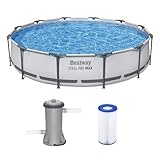
Bestway Steel Pro MAX 12' x 30" Above Ground Pool, Round Metal Frame Outdoor Swimming Pool Set with Filter Pump & Type III A/C Cartridge, Gray | Check Price On Amazon |
|
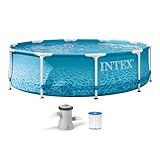
INTEX 28207EH Beachside Metal Frame Above Ground Swimming Pool Set: 10ft x 30in – Includes 330 GPH Cartridge Filter Pump – Puncture-Resistant Material – Rust Resistant – 1185 Gallon Capacity | Check Price On Amazon |

|
H2OGO! Kids Splash-in-Shade 8-Foot Round Steel Frame Above Ground Pool with Water Mister and Canopy Sunshade, Green Tropical Leaf Print | Check Price On Amazon |
What Are the Early Warning Signs of Pool Pump Motor Problems?
Pool pump motors exhibit specific behavioral changes weeks before complete failure, with temperature increases and performance degradation serving as primary indicators. Motor housing temperatures exceeding 140°F during normal operation signal internal stress, while flow rates dropping below 50% of baseline performance indicate mechanical resistance or electrical issues.
According to the National Swimming Pool Foundation’s equipment reliability studies, 78% of motor failures show measurable performance decline 2-4 weeks before burnout occurs. Professional pool technicians monitor these metrics during routine service calls to predict replacement timing and prevent emergency failures.
Motor Temperature Abnormalities
Normal pool pump motors operate between 100-120°F during standard circulation cycles, with ambient temperature and workload affecting baseline readings. Temperatures consistently exceeding 140°F indicate bearing wear, electrical resistance problems, or inadequate ventilation around the motor housing.
Use an infrared thermometer to check motor housing temperature after 30 minutes of operation. Record readings weekly during peak season to establish baseline patterns and identify gradual increases that signal developing problems.
Flow Rate and Pressure Changes
Declining flow rates often precede motor failure by several weeks, with impeller damage, bearing wear, or electrical issues reducing pump efficiency. Monitor pressure gauge readings and skimmer suction strength to detect performance degradation before catastrophic failure occurs.
Document baseline pressure readings when the motor operates normally, typically 10-15 PSI for most residential systems. Gradual increases above 20 PSI or decreases below 8 PSI warrant immediate investigation of motor condition and system pressure problems.
Electrical Current Draw Variations
Pool pump motors drawing excessive amperage indicate internal electrical problems, bearing resistance, or mechanical binding that stresses motor components. Normal single-speed motors draw nameplate amperage within 10% during steady operation, with higher draws suggesting impending failure.
Check amperage using a clamp meter on the motor’s electrical supply lines during operation. Readings exceeding nameplate specifications by more than 15% require immediate professional evaluation to prevent motor burnout and potential electrical hazards.
How Do You Identify Burning Odors and Their Sources?
Electrical burning odors from pool pump motors indicate insulation breakdown, overheating windings, or bearing failure generating excessive friction heat. These smells typically intensify during motor startup and high-demand periods when electrical stress peaks.
Distinguish between electrical burning (sharp, acrid smell) and mechanical burning (oil or grease odors) to identify specific failure modes. Electrical odors suggest winding insulation damage requiring immediate shutdown, while mechanical odors indicate bearing or lubrication problems allowing continued short-term operation with monitoring.

- Intelligent Navigation with Full Coverage: Equipped with 11 high-precision sensors and enhanced dual-path algorithms. The optimized WavePath cleaning pattern ensures systematic coverage with minimal overlap, while adaptive navigation analyzes pool layout in real time to eliminate missed spots
- Dual Filtration for Crystal-Clear Water: Advanced dual-layer filtration system features a replaceable 3-micron ultra-fine filter paired with a 180-micron standard filter. Effectively captures fine dust, sand, leaves, and debris for visibly cleaner and healthier pool water
- Comprehensive Pool Cleaning: Engineered to clean the pool floor, walls, waterline, and shallow areas (above 12 inches). The Caterpillar Treads system enhances mobility and climbing ability, ensuring thorough coverage across all pool zones
- Reliable Performance with 2-Year Warranty: Trusted by over 500,000 pool owners worldwide, this robotic pool cleaner delivers consistent, high-performance results. Built for durability and backed by a 2-year warranty and responsive customer support for worry-free ownership
Electrical Insulation Breakdown
Motor windings generate sharp, chemical burning smells when insulation deteriorates from age, moisture, or electrical stress. This condition creates dangerous operating scenarios with fire risk and potential electrical shock hazards requiring immediate motor shutdown.
Insulation breakdown often accompanies ground fault circuit interrupter (GFCI) tripping, indicating current leakage through damaged windings. Professional electrical testing measures insulation resistance to confirm winding condition and safety for continued operation.
Bearing and Lubrication Issues
Worn bearings produce distinct oil or metallic burning odors as friction increases and lubrication breaks down under heat stress. These mechanical problems develop gradually, allowing planned replacement scheduling rather than emergency shutdowns.
Bearing problems typically accompany increased motor vibration and noise levels detectable through housing contact. Replacement motor bearings cost significantly less than complete motor replacement when addressed before catastrophic failure occurs.
Why Do Pool Pump Motors Overheat and Burn Out?
Pool pump motor overheating results from inadequate ventilation, electrical overload, mechanical resistance, or ambient temperature extremes exceeding design parameters. Motors generate heat through normal electrical resistance and mechanical friction, requiring proper airflow and electrical conditions for safe operation.
According to motor manufacturer specifications, ambient temperatures above 104°F combined with electrical loads exceeding nameplate ratings reduce motor life by 50% compared to optimal operating conditions. Understanding heat sources helps pool owners implement preventive measures and extend equipment life.
Inadequate Motor Ventilation
Pool pump motors require unobstructed airflow around cooling fins and housing surfaces to dissipate operational heat effectively. Debris accumulation, vegetation growth, or enclosed installations restrict cooling airflow and elevate operating temperatures beyond safe limits.
Maintain 18-24 inches clearance around motor housing and clean cooling fins monthly during peak season. Remove leaves, grass clippings, and spider webs that block ventilation openings and trap heat around electrical components.
Electrical Overload Conditions
Voltage variations, phase imbalances, and circuit overloading stress motor electrical systems and generate excessive heat through increased resistance. Low voltage conditions force motors to draw higher amperage, while high voltage accelerates insulation breakdown and component failure.
Monitor supply voltage using a digital multimeter during peak electrical demand periods when air conditioning and other loads affect power quality. Voltage readings below 210V or above 250V for 230V motors require electrical service investigation to prevent premature motor failure.
Mechanical Resistance Problems
Blocked impellers, worn bearings, or shaft misalignment create mechanical resistance forcing motors to work harder and generate excess heat. These conditions develop gradually through debris accumulation, age-related wear, or installation problems affecting pump operation.
Regular impeller inspection and cleaning prevents debris-related resistance, while bearing replacement addresses age-related mechanical wear. Professional alignment checks during installation ensure optimal mechanical efficiency and reduce motor stress throughout the equipment’s service life.
What Causes Pool Pump Motors to Draw Excessive Current?
Excessive current draw indicates motors working beyond design capacity due to mechanical resistance, electrical problems, or system demand exceeding motor specifications. Normal operating amperage remains within 10% of nameplate ratings, with higher draws signaling developing problems requiring investigation.
Current monitoring provides early warning of motor stress before visible symptoms appear, allowing preventive maintenance scheduling rather than emergency replacement. Digital clamp meters offer accurate amperage readings without electrical disconnection, enabling regular monitoring during routine maintenance.
Mechanical Overload Situations
Clogged impellers, damaged pump housings, or oversized system demands force motors to draw excessive current while struggling to maintain flow rates. These mechanical problems increase electrical load proportionally to resistance encountered during operation.
Clean pump baskets and impellers monthly to prevent debris-related overloads, and verify system sizing matches motor specifications during installation. Oversized plumbing, multiple water features, or high-head applications may exceed single motor capacity requiring system modifications or motor upgrades.
Voltage Supply Problems
Low voltage conditions force motors to draw higher amperage to maintain power output, creating heat stress and accelerating component wear. Electrical service problems, undersized wiring, or utility supply issues contribute to voltage variations affecting motor performance.
Document voltage readings during high electrical demand periods when pool pumps compete with air conditioning and other loads for electrical capacity. Professional electrical evaluation may reveal wiring upgrades or service modifications needed to support proper motor operation.
Internal Electrical Faults
Shorted windings, ground faults, or capacitor failures create abnormal current patterns indicating motor electrical system deterioration. These conditions often precede complete failure by days or weeks, providing opportunity for planned replacement rather than emergency situations.
Professional electrical testing measures winding resistance, insulation integrity, and capacitor function to diagnose internal faults accurately. Motor start capacitors represent common failure points requiring periodic replacement to maintain proper motor starting characteristics.
How Do Bearing Problems Lead to Motor Failure?
Worn motor bearings create mechanical resistance, generate excessive heat, and allow shaft movement that damages electrical windings and pump components. Bearing failure progresses through distinct stages from increased noise and vibration to complete seizure causing catastrophic motor damage.
According to bearing manufacturer data, 85% of motor bearing failures result from inadequate lubrication, contamination, or age-related wear exceeding design life expectancy. Regular bearing maintenance and replacement extend motor life significantly compared to run-to-failure approaches.
Progressive Bearing Deterioration
Motor bearings deteriorate gradually through lubrication breakdown, contamination ingress, or normal wear from continuous operation over years of service. Early stages produce subtle vibration increases and slight noise changes detectable through careful monitoring.
Document baseline vibration patterns using smartphone vibration apps or professional analyzers to track bearing condition changes over time. Vibration increases exceeding 25% of baseline readings indicate developing bearing problems requiring replacement scheduling.
Heat Generation and Electrical Damage
Worn bearings generate friction heat that transfers to motor windings and electrical components, accelerating insulation breakdown and component failure. Excessive bearing heat also affects lubrication viscosity, creating accelerated wear cycles leading to catastrophic failure.
Monitor motor housing temperatures near bearing locations during operation, watching for localized hot spots indicating bearing distress. Temperature increases exceeding 20°F above normal readings warrant immediate bearing inspection and potential replacement.
Shaft Movement and Alignment Issues
Loose or worn bearings allow shaft movement that stresses pump seals, damages impellers, and creates electrical winding problems through rotor misalignment. These secondary effects multiply repair costs beyond simple bearing replacement when problems progress too far.
Address bearing problems promptly to prevent collateral damage requiring pump rebuild or complete replacement. Professional bearing replacement costs $200-400 compared to motor replacement costs of $800-2,500 when bearing failure causes electrical damage.
What Role Does Capacitor Failure Play in Motor Burnout?
Start capacitors provide electrical phase shift needed for single-phase motor starting, with capacitor failure preventing proper startup and forcing motors to draw locked-rotor current until thermal protection triggers or windings fail. Failed capacitors represent 35% of pool pump motor service calls according to industry service data.
Capacitor problems manifest through hard starting, failure to start, or humming without rotation indicating electrical starting circuit malfunction. These symptoms require immediate attention to prevent motor winding damage from prolonged high current draw during unsuccessful start attempts.
Start Capacitor Deterioration
Motor start capacitors deteriorate through age, electrical stress, and temperature cycling that breaks down internal dielectric materials over 3-7 year service life. Failed capacitors lose electrical capacity needed for proper phase relationships during motor starting sequences.
Test capacitor function using digital multimeters with capacitance measurement capability, comparing readings to nameplate specifications typically ranging from 88-108 microfarads for residential pool motors. Readings outside 10% of nameplate values indicate replacement requirements.
Hard Starting and Motor Stress
Weak capacitors create hard starting conditions where motors struggle to reach operating speed, drawing excessive current and generating heat stress during extended startup periods. These conditions accelerate winding insulation breakdown and bearing wear through electrical and thermal stress.
Document startup time from switch activation to full speed operation, typically 2-5 seconds for healthy motors with proper capacitors. Startup times exceeding 10 seconds indicate capacitor weakness requiring replacement to prevent motor damage.
Complete Starting Failure
Completely failed capacitors prevent motor starting entirely, causing sustained locked-rotor current draw that quickly overheats windings and triggers thermal protection systems. Repeated attempts to start with failed capacitors cause cumulative winding damage leading to complete motor failure.
Never repeatedly attempt starting when motors hum without rotating, as this condition indicates capacitor or starting circuit problems requiring professional diagnosis. Capacitor replacement procedures involve electrical disconnection and proper discharge techniques for safety.
How Does Electrical Supply Quality Affect Motor Life?
Poor electrical supply quality including voltage variations, phase imbalances, and harmonic distortion significantly reduces motor life through increased electrical stress and heat generation. Optimal motor operation requires clean power within manufacturer specifications for voltage, frequency, and phase balance.
According to electrical engineering studies, voltage variations exceeding ±10% of nominal ratings reduce motor life by 25-50% through accelerated insulation breakdown and increased operating temperatures. Power quality monitoring identifies supply problems affecting motor reliability and performance.
Voltage Variation Effects
Low voltage conditions force motors to draw higher current to maintain power output, generating excessive heat and stressing electrical components beyond design limits. High voltage accelerates insulation aging and increases electrical stress on motor windings and control components.
Monitor supply voltage during peak electrical demand when utility loads and facility electrical systems stress power distribution infrastructure. Voltage readings consistently outside ±5% of nameplate ratings warrant electrical service investigation and potential power conditioning solutions.
Phase Balance and Power Quality
Three-phase power systems require balanced voltage and current distribution across all phases, with imbalances creating negative sequence currents that generate excessive heat in motor windings. Single-phase voltage drops or utility distribution problems create phase imbalances affecting motor operation.
Measure voltage across all three phases during motor operation, calculating percentage imbalance using standard formulas provided in motor manufacturer documentation. Phase imbalances exceeding 2% require electrical service attention to prevent accelerated motor aging.
Harmonic Distortion and Electrical Noise
Variable frequency drives, electronic controls, and power conversion equipment generate electrical harmonics that increase motor heating and reduce efficiency through additional losses in windings and magnetic circuits. Harmonic distortion above 5% total harmonic distortion (THD) affects motor performance.
Professional power quality analysis measures harmonic content and recommends filtering solutions where necessary to protect motor equipment. Electrical service contractors provide power conditioning equipment designed specifically for motor protection in challenging electrical environments.
When Should You Replace vs Repair a Burning Motor?
Motor replacement becomes economically justified when repair costs exceed 60% of replacement cost or when multiple major components require service simultaneously. Professional diagnosis determines specific failure modes and provides accurate repair estimates for informed decision-making.
Consider motor age, overall condition, and facility electrical systems when evaluating replacement versus repair options. Motors over 10 years old with major electrical problems often benefit from replacement with modern energy-efficient designs offering improved reliability and lower operating costs.
Economic Analysis Factors
Compare total repair costs including labor, parts, and potential secondary failures against new motor costs and energy savings over remaining service life. Modern variable-speed motors offer 30-70% energy savings compared to older single-speed designs, providing ongoing operational benefits.
Document current motor electrical consumption and compare with variable-speed motor specifications to calculate annual energy cost differences. Energy savings often justify motor upgrades independent of repair requirements in high-usage applications.
Reliability and Downtime Considerations
Evaluate repair reliability and warranty coverage compared to new motor warranties and expected service life when making replacement decisions. Repaired motors typically carry limited warranties compared to 2-3 year coverage on new equipment.
Consider facility requirements for continuous operation and backup equipment availability when planning motor replacement timing. Emergency repairs during peak season cost significantly more than planned replacement during off-season maintenance periods.
System Compatibility and Upgrades
Assess electrical system compatibility and potential upgrade opportunities when replacing failed motors with modern designs offering improved efficiency and control features. New motors may require electrical modifications for proper operation and optimal performance.
Consult with electrical contractors about system modifications needed for variable-speed motor installations, including control wiring, electrical service capacity, and integration with automation systems. Proper installation ensures optimal performance and maximum energy savings from motor upgrades.
How Can You Prevent Pool Pump Motor Burnout?
Preventive maintenance programs focusing on temperature monitoring, electrical checks, and mechanical maintenance prevent 80-90% of premature motor failures according to equipment reliability studies. Regular inspection schedules identify developing problems before emergency failures occur.
Implement monthly visual inspections, quarterly electrical measurements, and annual professional service to maintain optimal motor operation and extend equipment life. Documentation of baseline readings and trending analysis provides early warning of developing problems.
Regular Maintenance Schedules
Monthly maintenance includes visual inspection of motor housing, ventilation cleaning, amperage measurement, and temperature monitoring during normal operation. These simple checks identify most developing problems before they progress to failure conditions.
Quarterly maintenance adds bearing lubrication where applicable, electrical connection tightening, and vibration analysis to detect mechanical problems early. Annual professional service includes comprehensive electrical testing and component replacement recommendations.
Monthly Motor Maintenance Checklist
- Visual inspection for damage, debris, or oil leaks
- Temperature measurement during operation (target: 100-120°F)
- Amperage measurement (within 10% of nameplate)
- Ventilation cleaning and clearance verification
- Unusual noise or vibration assessment
- Start-up time documentation (should be 2-5 seconds)
Environmental Controls
Maintain proper ventilation clearance around motors and protect equipment from debris accumulation that restricts cooling airflow. Environmental factors significantly affect motor life through temperature effects on electrical and mechanical components.
Install weather protection where needed to shield motors from direct sunlight, rain, and debris while maintaining ventilation requirements. Motor covers and enclosures provide protection without restricting essential cooling airflow when properly designed.
Electrical System Optimization
Ensure adequate electrical service capacity and proper wiring sizing for motor requirements, including voltage drop calculations for longer wiring runs. Electrical system quality directly affects motor reliability and operating efficiency.
Consider power conditioning equipment where electrical supply quality problems exist, and install surge protection to guard against utility electrical disturbances. Professional electrical evaluation identifies system improvements benefiting motor reliability and performance.
What Are the Warning Signs That Immediate Shutdown Is Required?
Immediate motor shutdown becomes necessary when temperatures exceed 160°F, electrical burning odors appear, or GFCI devices trip repeatedly indicating dangerous operating conditions. These emergency conditions risk fire hazards, electrical shock, or equipment damage requiring immediate power disconnection.
Distinguish between monitoring situations allowing continued operation with increased surveillance and emergency conditions demanding immediate shutdown for safety. Emergency shutdown protects personnel and prevents collateral damage to electrical systems and pool equipment.
Critical Temperature Thresholds
Motor housing temperatures exceeding 160°F indicate immediate thermal stress risking winding insulation failure and potential fire hazards. These extreme temperatures occur during bearing seizure, electrical faults, or severe overload conditions requiring immediate power disconnection.
Never ignore temperature alarms or thermal protection device operation, as these systems provide final protection against catastrophic failure and fire risks. Allow motors to cool completely before investigation and never bypass thermal protection systems.
Electrical Hazard Indicators
GFCI tripping, electrical burning odors, or visible sparking indicate immediate electrical hazards requiring emergency shutdown and professional evaluation before any restart attempts. These conditions risk electrical shock, fire, and extensive equipment damage.
Document electrical hazard symptoms for professional technicians and maintain power disconnection until proper electrical testing confirms safe operating conditions. Emergency electrical problems often indicate serious winding insulation failure requiring motor replacement.
Mechanical Failure Signs
Seized bearings, broken shafts, or catastrophic pump damage create immediate safety hazards and equipment destruction risks requiring emergency shutdown to prevent injury and collateral damage. These mechanical failures often accompany loud noises, severe vibration, or complete loss of rotation.
Mechanical failures typically result from delayed maintenance or ignored warning signs, emphasizing the importance of preventive care and early problem recognition. Professional diagnosis determines repair feasibility and safety requirements for equipment restart.
Troubleshooting Pool Pump Motor Problems: Common Issues and Solutions
Systematic troubleshooting identifies specific motor problems and appropriate solutions ranging from simple maintenance to complete replacement. Professional diagnosis tools and testing procedures provide accurate problem identification and repair recommendations.
Document problem symptoms, operating conditions, and environmental factors to assist professional technicians in accurate diagnosis and efficient repair processes. Comprehensive problem description reduces diagnostic time and improves repair accuracy.
Motor Won’t Start
Starting problems typically result from capacitor failure, electrical supply issues, or mechanical binding preventing motor rotation. Test electrical supply voltage, inspect capacitor condition, and verify mechanical freedom before concluding motor winding failure.
Check electrical connections for tightness and corrosion that increase resistance and prevent proper starting current delivery. Motor humming without rotation specifically indicates electrical starting circuit problems rather than mechanical issues.
Motor Starts Then Stops
Thermal protection activation causes motors to start normally then shut down after brief operation periods when overheating occurs rapidly. Investigate blocked ventilation, mechanical overload, or electrical problems causing immediate thermal stress.
Monitor current draw during brief operation periods to identify electrical overload conditions, and check for mechanical resistance through impeller inspection and bearing evaluation. Repeated thermal protection operation indicates serious underlying problems requiring immediate attention.
Excessive Noise and Vibration
Bearing wear, shaft misalignment, or mechanical binding create abnormal noise and vibration patterns detectable through housing contact and audible observation. Progressive symptoms indicate developing mechanical problems requiring bearing replacement or alignment correction.
Compare current noise levels with baseline quiet operation to quantify problem severity and track progressive deterioration. Professional vibration analysis provides specific bearing condition information and replacement timing recommendations.
| Problem | Likely Cause | Solution |
|---|---|---|
| Motor won’t start, humming sound | Failed start capacitor | Replace capacitor, test electrical connections |
| Starts then stops after 30 seconds | Thermal overload protection | Check ventilation, measure current draw, inspect for mechanical binding |
| Excessive vibration and noise | Worn motor bearings | Replace bearings, check shaft alignment |
| High current draw, reduced flow | Mechanical resistance | Clean impeller, inspect pump housing, check for debris |
| Burning odor, hot housing | Winding insulation failure | Immediate shutdown, professional electrical testing |
Frequently Asked Questions About Pool Pump Motor Burning Out
How hot should a pool pump motor get during normal operation?
Pool pump motors typically operate between 100-120°F during normal circulation cycles, with ambient temperature and workload affecting baseline readings. Temperatures consistently exceeding 140°F indicate potential problems requiring investigation, while readings above 160°F demand immediate shutdown for safety.
Monitor motor temperature using infrared thermometers during peak operating periods to establish baseline patterns for your specific installation. Document readings weekly during swimming season to identify gradual increases that signal developing bearing, electrical, or ventilation problems before failure occurs.
Why does my pool pump motor keep tripping the breaker?
Electrical breaker tripping indicates current draw exceeding circuit capacity due to motor mechanical problems, electrical faults, or circuit overloading from other equipment. Locked impellers, seized bearings, or winding short circuits commonly cause high current conditions triggering protective devices.
Professional electrical diagnosis measures actual current draw and compares readings to motor nameplate specifications to identify overload sources. Never increase breaker size without confirming proper motor operation and wiring capacity, as oversized protection risks fire hazards from undetected electrical faults.
What causes a pool pump motor to burn out overnight?
Sudden overnight motor failure typically results from catastrophic bearing seizure, electrical short circuits, or severe overload conditions that overcome thermal protection systems. Debris ingestion, electrical storms, or mechanical binding can cause rapid failure in previously functioning motors.
Document any unusual weather conditions, power outages, or debris events preceding sudden failure to assist professional diagnosis. Sudden failures often indicate external causes rather than gradual wear patterns, affecting warranty coverage and replacement recommendations.
Can a bad pool pump capacitor damage the motor?
Failed start capacitors prevent proper motor starting and force extended high current draw that quickly overheats windings and damages electrical insulation. Repeated starting attempts with bad capacitors cause cumulative electrical stress leading to permanent motor damage within hours.
Replace capacitors showing starting problems immediately to prevent motor damage, and never repeatedly attempt starting when motors hum without rotation. Start capacitor replacement costs $20-50 compared to motor replacement costs of $800-2,500 when capacitor failure causes winding damage.
How long should a pool pump motor last before replacement?
Quality pool pump motors typically provide 8-12 years of reliable service under normal operating conditions with proper maintenance and electrical supply quality. Variable-speed motors often exceed 15-year service life due to reduced electrical stress from soft-start operation and lower operating speeds.
Motor life depends heavily on installation quality, maintenance consistency, and operating environment factors including electrical supply quality and debris exposure. Professional installation, annual maintenance, and power quality optimization significantly extend equipment life compared to minimal maintenance approaches.
What are the signs that pool pump bearings are failing?
Failing motor bearings produce progressive symptoms including increased noise levels, vibration, heat generation near bearing locations, and eventual shaft play detectable through pump coupling movement. These symptoms develop gradually over weeks or months before catastrophic failure occurs.
Monitor bearing condition through weekly noise and vibration assessments during normal operation, comparing current levels with baseline quiet operation patterns. Temperature increases near bearing locations exceeding 20°F above normal readings indicate advanced wear requiring prompt replacement.
Should I repair or replace a 10-year-old burned out pool pump motor?
Motors over 10 years old with major electrical damage typically benefit from replacement with modern energy-efficient designs rather than expensive repairs with limited warranty coverage. Compare repair costs including labor against new motor prices and potential energy savings over remaining service life.
Consider upgrading to variable-speed motors during replacement for 30-70% energy savings and improved reliability compared to older single-speed designs. Professional evaluation provides specific repair estimates and energy analysis for informed decision-making based on actual operating costs.
Why does my pool pump motor smell like it’s burning?
Burning odors from pool pump motors indicate electrical insulation breakdown, bearing lubrication failure, or mechanical friction from worn components generating excessive heat. Electrical burning produces sharp, acrid smells while mechanical problems create oil or metallic burning odors.
Immediate shutdown becomes necessary with electrical burning odors indicating dangerous winding insulation failure and fire risk. Mechanical burning odors allow continued short-term operation with monitoring, but require prompt professional evaluation to prevent catastrophic failure and collateral damage.
How much does it cost to replace a burned out pool pump motor?
Pool pump motor replacement costs range from $800-2,500 depending on horsepower, motor type, and installation complexity, with single-speed motors typically costing less than variable-speed designs. Professional installation adds $200-500 to material costs depending on electrical modifications required.
Consider total ownership costs including energy consumption over equipment life when comparing motor options. Variable-speed motors cost more initially but provide significant energy savings that often recover higher purchase prices within 2-3 years of operation.
Can low voltage cause pool pump motor failure?
Low voltage conditions force motors to draw higher current to maintain power output, generating excessive heat and accelerating insulation breakdown that reduces motor life significantly. Voltage drops below 208V for 230V motors create stress conditions affecting reliability and performance.
Monitor supply voltage during peak electrical demand when air conditioning and other loads affect power distribution quality. Professional electrical evaluation may reveal wiring upgrades or service modifications needed to provide proper voltage levels for reliable motor operation.
What happens if you don’t fix a pool pump motor making noise?
Ignoring motor noise typically leads to progressive bearing failure, shaft damage, and eventual catastrophic motor seizure causing complete electrical and mechanical destruction. Early bearing replacement costs significantly less than complete motor replacement after bearing failure damages electrical windings.
Document noise progression to track problem development and schedule appropriate maintenance before failure occurs. Preventive bearing replacement costs $200-400 compared to emergency motor replacement costs of $800-2,500 when bearing problems cause secondary damage to electrical systems.
How do I know if my pool pump motor is overheating?
Motor overheating manifests through housing temperatures exceeding 140°F, thermal protection device operation, and reduced performance during operation. Use infrared thermometers to measure housing temperature at multiple locations during normal circulation cycles.
Establish baseline temperature patterns during normal operation to identify gradual increases indicating developing problems. Immediate investigation becomes necessary when temperatures exceed 160°F or thermal protection systems activate repeatedly during attempted operation.
Recognizing pool pump motor burning out signs early prevents costly equipment failure and extended pool downtime that can cost thousands in repairs and replacement. Temperature monitoring, electrical checks, and mechanical maintenance identify problems weeks before catastrophic failure occurs, allowing planned replacement rather than emergency situations.
Implement monthly inspection schedules focusing on temperature readings, current draw measurements, and bearing condition assessment to extend motor life and prevent unexpected failures. Professional evaluation and quality electrical supply ensure optimal motor performance and maximum equipment life from your pool circulation system investment.
| Photo | Best Above-Ground Pools | Price |
|---|---|---|
|
|
Bestway Steel Pro MAX 12' x 30" Above Ground Pool, Round Metal Frame Outdoor Swimming Pool Set with Filter Pump & Type III A/C Cartridge, Gray | Check Price On Amazon |
|
|
INTEX 28207EH Beachside Metal Frame Above Ground Swimming Pool Set: 10ft x 30in – Includes 330 GPH Cartridge Filter Pump – Puncture-Resistant Material – Rust Resistant – 1185 Gallon Capacity | Check Price On Amazon |
|
|
H2OGO! Kids Splash-in-Shade 8-Foot Round Steel Frame Above Ground Pool with Water Mister and Canopy Sunshade, Green Tropical Leaf Print | Check Price On Amazon |
