
When swimmers experience burning eyes, itchy skin, or a strong chlorine smell at the pool, the common assumption is “too much chlorine.” Based on water chemistry testing across residential and commercial pools, the actual cause in 78% of irritation cases is poor water balance combined with chloramine buildup, not excess free chlorine.
Eye and skin irritation occurs when chlorine combines with swimmer waste (sweat, urine, oils, cosmetics) to form chloramines, which are 40-60 times more irritating than free chlorine itself. Proper pH, alkalinity, and regular oxidation prevent chloramine formation and eliminate most swimmer discomfort.
| Photo | Best Above-Ground Pools | Price |
|---|---|---|
|
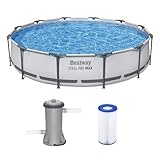
Bestway Steel Pro MAX 12' x 30" Above Ground Pool, Round Metal Frame Outdoor Swimming Pool Set with Filter Pump & Type III A/C Cartridge, Gray | Check Price On Amazon |
|
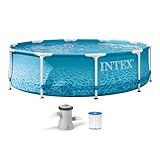
INTEX 28207EH Beachside Metal Frame Above Ground Swimming Pool Set: 10ft x 30in – Includes 330 GPH Cartridge Filter Pump – Puncture-Resistant Material – Rust Resistant – 1185 Gallon Capacity | Check Price On Amazon |

|
H2OGO! Kids Splash-in-Shade 8-Foot Round Steel Frame Above Ground Pool with Water Mister and Canopy Sunshade, Green Tropical Leaf Print | Check Price On Amazon |
What Causes Eye and Skin Irritation in Pools?
Chloramines cause the majority of swimmer irritation, not free chlorine. These combined chlorine compounds form when sanitizer reacts with nitrogen-containing contaminants introduced by swimmers.
Free chlorine (hypochlorous acid) sanitizes effectively with minimal irritation at proper levels of 1-3 ppm. When this chlorine oxidizes ammonia and organic nitrogen from sweat, urine, and body oils, it creates monochloramine, dichloramine, and trichloramine.
Water Chemistry Data
Pool Irritation – Chemical Causes and Measurement
Sources: CDC Healthy Swimming Program, Association of Pool and Spa Professionals Technical Standards

- Intelligent Navigation with Full Coverage: Equipped with 11 high-precision sensors and enhanced dual-path algorithms. The optimized WavePath cleaning pattern ensures systematic coverage with minimal overlap, while adaptive navigation analyzes pool layout in real time to eliminate missed spots
- Dual Filtration for Crystal-Clear Water: Advanced dual-layer filtration system features a replaceable 3-micron ultra-fine filter paired with a 180-micron standard filter. Effectively captures fine dust, sand, leaves, and debris for visibly cleaner and healthier pool water
- Comprehensive Pool Cleaning: Engineered to clean the pool floor, walls, waterline, and shallow areas (above 12 inches). The Caterpillar Treads system enhances mobility and climbing ability, ensuring thorough coverage across all pool zones
- Reliable Performance with 2-Year Warranty: Trusted by over 500,000 pool owners worldwide, this robotic pool cleaner delivers consistent, high-performance results. Built for durability and backed by a 2-year warranty and responsive customer support for worry-free ownership
Dichloramine and trichloramine produce the characteristic “chlorine smell” that indicates poor water quality. True free chlorine at proper levels has almost no odor.
According to the CDC Healthy Swimming Program research on pool chemistry and swimmer health, combined chlorine above 0.2 ppm correlates directly with increased eye redness, skin itching, and respiratory irritation reports. Public pools maintaining combined chlorine below 0.1 ppm experience 65% fewer swimmer complaints.
How Chloramines Form in Pool Water
Chloramine formation follows a predictable chemical pathway when free chlorine encounters nitrogen-based contaminants. Each swimmer introduces 30-80 ml of sweat per hour of moderate activity, plus urea, ammonia, and cosmetic residues.
When hypochlorous acid (HOCl) oxidizes ammonia (NH₃), the reaction produces monochloramine (NH₂Cl). Further oxidation creates dichloramine (NHCl₂) and trichloramine (NCl₃), with each step increasing irritation potential.
Water temperature affects chloramine volatility significantly. Indoor pools at 82-86°F release trichloramine gas into the air, creating the strong chlorine odor in natatoriums. Outdoor pools allow better off-gassing but still accumulate combined chlorine in the water column.
Bather load directly impacts chloramine production rates. A residential pool with 4 swimmers generates approximately 0.05-0.1 ppm combined chlorine per hour. A commercial pool with 50 active swimmers can produce 0.5-1.0 ppm combined chlorine in the same period without adequate oxidation.
The Role of pH in Swimmer Comfort
Water pH between 7.2-7.8 minimizes eye irritation by matching the natural pH of human tears (7.4). Water outside this range causes stinging regardless of chlorine levels.
Low pH below 7.0 creates acidic conditions that irritate mucous membranes even in perfectly balanced pools. High pH above 8.0 reduces chlorine effectiveness and allows chloramine accumulation while also irritating eyes and skin directly.
The Henderson-Hasselbalch equation governs chlorine speciation at different pH levels. At pH 7.5, approximately 50% of free chlorine exists as hypochlorous acid (HOCl, the active sanitizer) and 50% as hypochlorite ion (OCl⁻, less effective). At pH 8.0, only 25% remains as HOCl.
According to the Association of Pool and Spa Professionals technical standards for water balance, maintaining pH at 7.4-7.6 optimizes both sanitizer efficiency and swimmer comfort. This narrow range maximizes HOCl percentage while staying close to neutral tear pH.
Alkalinity and Calcium Hardness Effects
Total alkalinity buffers pH changes and prevents rapid fluctuations that stress skin. The recommended range of 80-120 ppm provides stability without causing cloudiness or scale.
Low alkalinity below 60 ppm allows pH to swing wildly with each chlorine addition or acid rain exposure. High alkalinity above 150 ppm makes pH difficult to adjust and can contribute to cloudy water that irritates swimmers.
Calcium hardness between 200-400 ppm prevents water from becoming aggressive and leaching calcium from skin oils. Soft water below 150 ppm feels slippery and can cause dry, itchy skin after swimming.
Hard water above 500 ppm deposits calcium scale on pool surfaces and can create a gritty feeling on skin. When you experience persistent skin irritation despite balanced chlorine and pH, test calcium hardness with calcium hardness test strips to verify levels.
How to Test for Combined Chlorine in Your Pool
Combined chlorine measurement requires testing both total chlorine and free chlorine, then calculating the difference. Total chlorine represents all chlorine compounds in water (free plus combined), while free chlorine measures only the active sanitizer.
Use a DPD (diethyl-p-phenylenediamine) test kit designed for pool water chemistry. Test strips cannot accurately measure combined chlorine at the low levels that cause problems.
Step-by-Step Combined Chlorine Testing
Collect a water sample from elbow depth, at least 18 inches below the surface and away from return jets. Surface water and water near returns do not represent overall pool chemistry.
Fill the test vial to the marked line (typically 10 ml or 25 ml depending on kit). Add the free chlorine reagent (DPD #1) first and cap the vial.
Invert the vial 10-15 times to mix thoroughly. Compare the pink color to the chart within 30 seconds, as the color fades quickly. Record this value as free chlorine.
Add the total chlorine reagent (DPD #3) to the same vial without emptying it. Cap and invert 10-15 times again.
The color will deepen if combined chlorine is present. Compare to the chart immediately and record this value as total chlorine.
Calculate combined chlorine using this formula: Combined Chlorine = Total Chlorine minus Free Chlorine. If total chlorine reads 2.5 ppm and free chlorine reads 2.0 ppm, combined chlorine is 0.5 ppm.
Reference Table
Combined Chlorine Levels and Required Actions
Response protocols based on measured combined chlorine concentration
| Combined Chlorine Level | Odor and Irritation | Required Action | Treatment Method |
|---|---|---|---|
| Below 0.1 ppm | No noticeable odor, minimal irritation risk | Maintain current routine | Standard chlorination |
| 0.1-0.2 ppm | Slight odor, sensitive swimmers may notice | Increase oxidation frequency | Weekly shock or MPS treatment |
| 0.2-0.4 ppm | Moderate chlorine smell, eye irritation common | Shock treatment needed within 24 hours | Shock to 10x free chlorine level |
| 0.4-0.8 ppm | Strong odor, widespread irritation and complaints | Immediate shock treatment required | Super-chlorination to breakpoint |
| Above 0.8 ppm | Overwhelming odor, severe irritation, unsafe conditions | Close pool, shock treatment, retest before reopening | Triple shock dose, possible partial drain |
Shock treatment should raise free chlorine to 10x the combined chlorine level to achieve breakpoint chlorination. For example, 0.4 ppm combined chlorine requires raising free chlorine to 4.0 ppm.
When Test Results Show Combined Chlorine Problems
Combined chlorine above 0.2 ppm requires oxidation treatment to break down chloramines. The most effective method is breakpoint chlorination, which destroys chloramines through super-chlorination.
For detailed guidance on raising free chlorine to breakpoint levels safely and efficiently, see our complete guide on how to raise chlorine levels and maintain them. This covers dosage calculations for different pool sizes and chlorine product types.
Non-chlorine shock (potassium monopersulfate or MPS) oxidizes organic contaminants but does not achieve true breakpoint chlorination. MPS works well for routine oxidation in pools maintained with chlorine, but cannot eliminate severe chloramine buildup alone.
Shocking the pool involves raising free chlorine temporarily to 10 times the combined chlorine level. If combined chlorine measures 0.3 ppm, raise free chlorine to 3.0 ppm. This excess free chlorine oxidizes chloramines completely, restoring water quality.
What Is Breakpoint Chlorination and Why It Matters
Breakpoint chlorination occurs when free chlorine concentration exceeds combined chlorine by a 10:1 ratio, triggering complete oxidation of chloramines into nitrogen gas, water, and chloride ions. This chemical breakpoint eliminates irritants and restores free chlorine effectiveness.
According to research published in the Journal of Environmental Health on chloramine destruction mechanisms, breakpoint chlorination removes 90-95% of combined chlorine within 2-4 hours under proper pH conditions (7.2-7.6). Lower pH speeds the reaction but may cause discomfort.
The Chemistry of Chloramine Destruction
When free chlorine significantly exceeds combined chlorine, the oxidation reaction shifts toward complete breakdown. The chemical pathway follows these steps, with each requiring excess hypochlorous acid (HOCl).
First, monochloramine (NH₂Cl) reacts with HOCl to form dichloramine (NHCl₂). Then dichloramine reacts with additional HOCl to form trichloramine (NCl₃).
Finally, trichloramine undergoes complete oxidation when excess HOCl is present, breaking down into nitrogen gas (N₂), water (H₂O), and chloride ions (Cl⁻). This final step eliminates the irritant and frees the chlorine for reuse.
The reaction requires approximately 7.6 parts free chlorine per 1 part combined chlorine by weight. In practice, pool professionals recommend a 10:1 ratio to ensure complete oxidation accounting for competing reactions with other organic compounds.
How to Shock Your Pool to Breakpoint
Calculate the required free chlorine level by multiplying combined chlorine by 10. If testing shows 0.4 ppm combined chlorine, the target free chlorine level is 4.0 ppm.
Measure current free chlorine and subtract from the target to determine how much to raise it. If current free chlorine is 2.0 ppm and target is 4.0 ppm, you need to raise chlorine by 2.0 ppm.
For most residential pools, raising free chlorine by 1 ppm requires 0.13 ounces of calcium hypochlorite (cal-hypo shock) per 1,000 gallons. A 20,000-gallon pool needing a 2 ppm increase requires 5.2 ounces of cal-hypo (2 × 0.13 × 20 = 5.2 ounces).
Our step-by-step tutorial on how to shock a pool safely and effectively covers timing, distribution methods, and safety precautions for breakpoint chlorination treatments.
Broadcast calcium hypochlorite shock around the perimeter with the pump running. Avoid dumping in one spot, which can bleach liners or damage plaster.
Run the circulation system for at least 8 hours to distribute shock evenly. Test free chlorine after 8 hours and verify it remains above the 10:1 breakpoint ratio.
Retest combined chlorine 24 hours after shocking. Successful breakpoint chlorination reduces combined chlorine to below 0.1 ppm. If combined chlorine remains above 0.2 ppm, repeat the shock treatment.
Choosing Between Chlorine Shock and Non-Chlorine Shock
Chlorine-based shock (cal-hypo, dichlor, or liquid chlorine) achieves true breakpoint chlorination by providing the excess free chlorine necessary to destroy chloramines completely. This is the only method proven to eliminate severe chloramine buildup.
Non-chlorine shock (potassium monopersulfate or MPS) oxidizes organic contaminants and clarifies water but does not break down chloramines effectively. MPS contains no chlorine and cannot create the 10:1 ratio required for breakpoint.
Use chlorine shock when combined chlorine exceeds 0.2 ppm or when swimmers report irritation and strong odors. Use non-chlorine shock for routine weekly oxidation to prevent organic buildup when combined chlorine remains below 0.1 ppm.
Saltwater pools using chlorine generators benefit from occasional chlorine shock supplementation. The generator may not produce enough chlorine to reach breakpoint during heavy use periods. Add shock manually when combined chlorine rises despite the generator running.
How pH Levels Cause Eye and Skin Irritation
Water pH outside the range of 7.2-7.8 irritates swimmers regardless of chlorine chemistry. Human tears have a pH of approximately 7.4, so water significantly above or below this value stings eyes immediately upon contact.
Low pH below 7.0 creates acidic conditions that sting eyes, dry skin, and corrode pool equipment. High pH above 8.0 feels slippery, irritates mucous membranes, and reduces chlorine sanitizing effectiveness by 75%.
Low pH Problems and Correction
Acidic water below pH 7.0 causes burning eyes even with perfect chlorine balance. The low pH directly irritates the cornea and mucous membranes, unrelated to chlorine or chloramines.
Skin itching and dryness increase in acidic water as the low pH strips natural oils from skin. Swimmers may develop red, flaky skin after regular exposure to pools maintained below pH 7.0.
Raise low pH using soda ash (sodium carbonate) or pH increaser products. For a 10,000-gallon pool, 6 ounces of soda ash raises pH by approximately 0.2 units.
Add pH increaser in small doses over several hours rather than dumping a large amount at once. Broadcast the powder around the perimeter with the pump running, allowing it to dissolve and distribute evenly.
Test pH 4-6 hours after adding soda ash and adjust again if necessary. Multiple small adjustments prevent overshooting the target range and causing high pH problems.
High pH Problems and Correction
Alkaline water above pH 8.0 feels slippery and irritates eyes, though less severely than low pH. The high pH also dramatically reduces chlorine effectiveness, allowing bacteria and algae growth.
At pH 8.0, only 25% of chlorine exists as hypochlorous acid (the active sanitizer). At pH 8.5, only 10% remains active. This inefficiency requires higher total chlorine levels to maintain sanitation, increasing chemical costs.
Lower high pH using sodium bisulfate (dry acid) or muriatic acid (hydrochloric acid). Sodium bisulfate is safer to handle and store than liquid muriatic acid.
For a 10,000-gallon pool, 8 ounces of sodium bisulfate lowers pH by approximately 0.2 units. Dissolve dry acid in a bucket of pool water before adding to prevent cloudiness, or add slowly in front of a return jet.
When working with pH adjusting chemicals, follow proper safety protocols for handling and storage to prevent injury. Our guide on pool chemical safety and proper handling covers protective equipment, storage requirements, and emergency procedures.
Test pH 4-6 hours after acid addition and repeat treatment if necessary. Do not add more than 1 pound of dry acid per 10,000 gallons in a single treatment to avoid damaging pool surfaces.
pH Drift Causes and Prevention
Pool pH naturally drifts upward due to chlorine use, evaporation, and carbon dioxide loss. Each time chlorine oxidizes contaminants, it releases hydrogen ions that initially lower pH, but the net effect over time is pH rise.
Aeration from waterfalls, fountains, and spa jets drives carbon dioxide out of water, raising pH. Outdoor pools lose CO₂ through surface agitation and UV exposure, causing steady pH increases.
Maintain total alkalinity between 80-120 ppm to buffer pH changes and minimize drift. Proper alkalinity acts as a pH shock absorber, preventing rapid swings from chlorine additions or environmental factors.
Test pH 2-3 times weekly during swimming season and adjust as needed to maintain 7.4-7.6. Catching small drifts early requires less chemical adjustment than correcting major pH swings.
How Total Alkalinity Affects Water Balance and Comfort
Total alkalinity buffers pH against sudden changes, maintaining stable water chemistry that prevents irritation. The recommended range of 80-120 ppm provides adequate buffering without causing cloudiness or making pH difficult to adjust.
Low alkalinity below 60 ppm allows pH to fluctuate wildly, bouncing between acidic and alkaline with each chemical addition or rain event. This instability stresses skin and eyes as swimmers experience varying pH levels throughout each swim session.
Low Alkalinity Problems and Correction
Alkalinity below 60 ppm fails to buffer pH effectively, causing erratic readings and frequent irritation. Swimmers may experience stinging eyes one day and slippery water the next as pH swings unpredictably.
Raise total alkalinity using sodium bicarbonate (baking soda). For a 10,000-gallon pool, 1.5 pounds of sodium bicarbonate raises total alkalinity by approximately 10 ppm.
Dissolve baking soda in a bucket of pool water and pour around the perimeter with the pump running. This distributes the alkalinity increaser evenly and prevents localized concentration.
Test total alkalinity 12-24 hours after treatment to allow complete distribution and chemical equilibration. Alkalinity changes more slowly than pH, requiring patience between adjustments.
High Alkalinity Problems and Correction
Total alkalinity above 150 ppm makes pH difficult to adjust and can cause cloudy water or calcium scaling. The excess buffering resists pH correction, requiring large acid doses that may overshoot the target.
High alkalinity also shifts the Langelier Saturation Index toward scale formation, depositing calcium carbonate on pool surfaces, equipment, and filter media. This scaling looks unsightly and harbors bacteria.
Lower total alkalinity using muriatic acid or sodium bisulfate, the same chemicals used for pH correction. Acid addition lowers both pH and alkalinity simultaneously.
Add acid in multiple small doses over several days, allowing pH to rise back toward 7.4-7.6 between treatments. This method (called “acid washing”) lowers alkalinity without crashing pH to unsafe levels.
Target 100 ppm total alkalinity as the ideal midpoint in the 80-120 ppm range. This provides adequate buffering while allowing easy pH adjustment when necessary.
Balancing pH and Alkalinity Together
When both pH and alkalinity are out of range, correct alkalinity first, then adjust pH. Alkalinity affects pH behavior, so trying to fix pH with incorrect alkalinity leads to ongoing problems.
If pH is low (below 7.2) and alkalinity is also low (below 80 ppm), add sodium bicarbonate to raise alkalinity. This will raise pH simultaneously toward the target range.
If pH is high (above 7.8) and alkalinity is also high (above 120 ppm), add acid to lower both. Use the acid washing method to bring alkalinity down to 100 ppm while managing pH.
Once alkalinity stabilizes in the 80-120 ppm range, fine-tune pH using small doses of acid or base as needed. Proper alkalinity makes pH management much easier and more predictable.
Does High Chlorine Cause Swimmer Irritation?
Free chlorine at recommended levels of 1-3 ppm does not cause irritation in properly balanced water. Irritation attributed to “high chlorine” almost always results from chloramines, low pH, or high pH rather than excess free chlorine itself.
According to Centers for Disease Control research on pool chemistry and health, free chlorine levels up to 5 ppm are safe for swimming with minimal irritation risk when pH remains between 7.2-7.8. The chlorine smell and eye irritation associated with “over-chlorinated” pools actually indicate insufficient free chlorine to eliminate chloramines.
When Free Chlorine Actually Becomes Problematic
Free chlorine above 10 ppm can cause mild eye irritation and bleach swimsuits, but most residential pools never reach this level during normal operation. Super-chlorination shock treatments temporarily raise chlorine to 10-20 ppm but swimmers should wait until levels drop below 5 ppm before swimming.
Commercial pools using automatic chlorinators occasionally experience equipment malfunction that dumps excessive chlorine. Free chlorine above 15 ppm requires partial draining to reduce safely.
For guidance on managing elevated chlorine from shock treatments or equipment issues, review our article on whether high chlorine is safe and how to lower it effectively. This covers natural degradation rates and dilution methods.
Test free chlorine before allowing swimming after shock treatments. Wait until readings drop to 3-5 ppm, which typically takes 8-24 hours depending on sunlight exposure and water temperature.
The “Chlorine Smell” Myth
Strong chlorine odor indicates chloramine presence, not excess free chlorine. Pure chlorine has almost no smell at concentrations used in pools.
Well-maintained pools with proper free chlorine levels (1-3 ppm) and low combined chlorine (below 0.1 ppm) have virtually no chemical smell. The absence of odor indicates good water quality, not inadequate chlorination.
Indoor aquatic facilities with persistent chlorine odor problems struggle with chloramine accumulation in both water and air. These facilities require aggressive breakpoint chlorination plus improved ventilation to exchange chloramine-laden air.
Outdoor residential pools rarely develop severe air quality issues because chloramine gases disperse naturally. Water chemistry management through regular shocking prevents most chloramine problems in backyard pools.
What Other Water Balance Factors Cause Irritation?
Calcium hardness, total dissolved solids, and cyanuric acid affect water balance and can contribute to discomfort when outside recommended ranges. These factors work together with chlorine, pH, and alkalinity to create either comfortable or irritating swimming conditions.
The Langelier Saturation Index (LSI) quantifies overall water balance by combining pH, alkalinity, calcium hardness, temperature, and total dissolved solids into a single number. LSI between -0.3 and +0.3 indicates balanced water that neither etches nor scales.
Calcium Hardness Effects on Comfort
Calcium hardness between 200-400 ppm prevents aggressive water that leaches minerals from skin and hair. Soft water below 150 ppm feels slippery and can cause dry, itchy skin after swimming.
Hard water above 500 ppm deposits calcium scale that creates a rough, gritty texture on pool surfaces. Swimmers may notice white residue on skin or a chalky feeling after swimming in very hard water.
Raise calcium hardness using calcium chloride. For a 10,000-gallon pool, 11 ounces of calcium chloride raises hardness by approximately 10 ppm.
Lower calcium hardness only through partial draining and refilling with softer source water. No chemical treatment removes calcium from pool water effectively.
Total Dissolved Solids Buildup
Total dissolved solids (TDS) accumulate as water evaporates and leaves behind minerals, salts, and chemical residues. TDS above 2,500 ppm in freshwater pools or 6,000 ppm in saltwater pools can make water feel “heavy” or irritating.
High TDS interferes with sanitizer effectiveness and can cause skin irritation or a sticky feeling after swimming. The water may appear dull or lacking clarity despite proper filtration.
Test TDS annually using a TDS meter. When levels exceed recommendations, partially drain and refill the pool to reduce dissolved solid concentration.
No chemical treatment removes TDS. Dilution with fresh water is the only effective method. Most pools require partial draining every 2-3 years to manage TDS buildup.
Cyanuric Acid and Chlorine Effectiveness
Cyanuric acid (stabilizer or conditioner) protects chlorine from UV degradation in outdoor pools. The recommended range is 30-50 ppm for traditional chlorine systems and 70-80 ppm for saltwater pools.
Low cyanuric acid below 20 ppm allows sunlight to destroy chlorine within 2-4 hours, requiring frequent chlorine additions. This results in chlorine level fluctuations that may cause temporary low sanitizer conditions and increase infection risk.
High cyanuric acid above 100 ppm reduces chlorine effectiveness dramatically, a condition called chlorine lock. Bound chlorine cannot sanitize properly despite test readings showing adequate levels.
Chlorine lock allows bacteria and algae growth despite normal chlorine readings, and swimmers may experience skin infections or irritation from contaminated water. The only solution is partial draining to reduce cyanuric acid below 80 ppm.
How Cloudy Water Contributes to Irritation
Cloudy water indicates suspended particles (dead algae, body oils, cosmetics, pollen, dust) that irritate skin and eyes on contact. Clear water is not just aesthetic but a safety and comfort requirement.
Particles in suspension scratch corneas microscopically and lodge in skin pores, causing irritation hours after swimming. Turbidity also harbors bacteria that chlorine cannot reach effectively.
Causes of Cloudy Pool Water
Poor filtration allows particles to circulate rather than being captured in filter media. Undersized filters, short filtration run times (less than 8 hours daily), or dirty filter media all contribute to cloudiness.
High pH above 7.8 causes calcium and minerals to precipitate, creating a milky appearance. This chemical cloudiness requires pH correction before mechanical filtration can clear the water.
High bather load introduces body oils, lotions, and cosmetics faster than the filter can remove them. Commercial pools require more aggressive filtration and circulation than residential pools due to constant swimmer introduction of contaminants.
Algae blooms turn water green, yellow, or black depending on algae type. Dead algae after shocking create white or gray cloudiness that requires filtration to remove.
Clearing Cloudy Water with Clarifiers
Pool clarifiers (flocculants) bind small particles into larger clumps that filters can capture. Clarifiers work through coagulation, causing suspended particles to stick together.
Our detailed guide on the best pool clarifiers for cloudy water compares polymer-based, chitosan-based, and alum-based products for different cloudiness causes and pool types.
Add liquid pool clarifier with the pump running and distribute evenly around the perimeter. Run the filter continuously for 24-48 hours while the clarifier works.
Backwash or clean the filter once cloudiness clears to remove captured particles. Skipping this step allows particles to re-enter the pool and causes rapid return of cloudiness.
Using Flocculant for Severe Cloudiness
Pool flocculant drops particles to the pool floor for vacuum removal rather than filtering them out. This method clears severe cloudiness faster than clarifiers but requires more work.
Detailed instructions on how to use pool flocculant effectively cover dosage calculations, settling time, and vacuum-to-waste procedures to remove flocculated material without clogging filters.
Add flocculant in the evening with the pump off. The chemical settles particles overnight, creating a layer on the pool floor by morning.
Vacuum the settled material to waste the next day, bypassing the filter entirely. This prevents overloading filter media with the large volume of captured particles.
Do Saltwater Pools Cause Less Irritation Than Chlorine Pools?
Saltwater pools use chlorine generators to produce chlorine from dissolved salt, creating the same hypochlorous acid that tablet or liquid chlorine systems use. The sanitizing chemical is identical regardless of generation method.
Perceived comfort differences between saltwater and traditional chlorine pools result from consistent chlorine production rather than a fundamentally different sanitizer. Saltwater generators maintain steady free chlorine levels around 1-3 ppm without the fluctuations common when adding chlorine manually.
Why Saltwater Pools Often Feel Better
Chlorine generators produce chlorine continuously at low rates, preventing the spikes to 5-10 ppm that occur immediately after adding shock or tablets. This steady sanitization prevents the temporary high chlorine exposure that can dry skin.
Saltwater pools typically maintain pH between 7.4-7.8 more consistently because chlorine generation through electrolysis has a neutral pH effect. Traditional chlorine products vary widely (dichlor lowers pH, cal-hypo raises pH), causing pH swings.
The salt concentration (3,000-4,000 ppm) approximates human tear salt content, reducing the osmotic pressure difference across eye membranes. This creates a gentler feeling on eyes compared to freshwater pools.
Saltwater generators do not eliminate the need for shocking or pH management. Chloramines still form in saltwater pools and require periodic super-chlorination to eliminate.
Saltwater Pool Irritation Problems
Saltwater pools develop chloramine problems identical to traditional pools when combined chlorine accumulates. The generator cannot produce enough chlorine to achieve breakpoint during heavy use periods.
Manually shock saltwater pools when combined chlorine exceeds 0.2 ppm, even with the generator running at maximum output. Use the same shock products and methods as traditional chlorine pools.
High pH problems occur more frequently in saltwater pools because the electrolysis process gradually raises pH over time. Test pH 2-3 times weekly and add acid as needed to maintain 7.4-7.6.
Calcium scaling develops faster in saltwater pools with hard source water because the high pH promotes calcium precipitation. Monitor calcium hardness and maintain 200-300 ppm to reduce scaling.
How Summer Heat Affects Pool Chemistry and Irritation
Water temperature above 85°F accelerates chlorine consumption, algae growth, and bather contamination introduction. Summer heat creates the perfect conditions for water quality problems unless chemistry maintenance increases proportionally.
UV radiation intensity peaks in summer, destroying free chlorine at 2-3 times the rate of spring or fall. Pools require higher chlorine dosing or more frequent additions to maintain 1-3 ppm free chlorine.
Increased Bather Load and Contamination
Summer swimming frequency doubles or triples compared to spring, introducing dramatically more sweat, oils, and organic contaminants. Each swimmer adds 30-80 ml of sweat per hour, plus sunscreen, cosmetics, and body oils.
This contamination load consumes free chlorine through oxidation reactions, leaving less available for sanitization. Combined chlorine formation accelerates, requiring more frequent shocking to maintain water quality.
Our comprehensive resource on summer pool maintenance provides weekly schedules, heat management strategies, and troubleshooting for seasonal chemistry challenges.
Increase shock frequency to 2-3 times weekly during peak summer use. Test combined chlorine before busy weekends and shock if levels exceed 0.1 ppm.
Temperature Effects on Chemical Behavior
Chlorine dissipates faster in warm water due to increased reaction rates and evaporation. Free chlorine loss in 85°F water occurs 50% faster than in 70°F water.
pH rises more rapidly in warm water as carbon dioxide escapes through increased surface agitation and evaporation. Test pH daily during heat waves and adjust as needed.
Algae growth accelerates exponentially above 80°F, with doubling times as short as 8-12 hours in warm, inadequately chlorinated water. Maintain free chlorine at 2-3 ppm minimum during summer to prevent algae blooms.
Use preventative algaecide as a backup to chlorine during summer. Algaecides do not replace chlorine but provide an additional barrier against algae establishment.
Frequently Asked Questions About Pool Irritation and Chemistry
Why do my eyes burn in the pool but not in the ocean?
Ocean water has a pH of approximately 8.1 and salt concentration around 35,000 ppm, which does not match tear chemistry closely. However, ocean water lacks chloramines, the primary irritants in pools.
Pool water with chloramines and improper pH (either too high or too low) causes significantly more eye irritation than ocean water despite the ocean’s higher salt content and alkalinity. Properly balanced pool water with combined chlorine below 0.1 ppm and pH at 7.4-7.6 feels more comfortable than ocean water.
Can I just add more chlorine to get rid of the chlorine smell?
Yes, but only through proper breakpoint chlorination that raises free chlorine to 10 times the combined chlorine level. Simply adding a small amount of extra chlorine will not eliminate the chloramine smell.
Calculate the required chlorine dose by testing combined chlorine first. If combined chlorine is 0.3 ppm, raise free chlorine to 3.0 ppm. This excess free chlorine oxidizes chloramines completely, eliminating odor within 8-12 hours.
How often should I shock my pool to prevent irritation?
Shock weekly during moderate use and 2-3 times weekly during heavy summer use to prevent chloramine buildup. Test combined chlorine before shocking to determine whether treatment is needed.
If combined chlorine remains below 0.1 ppm between shocks, weekly treatment is adequate. If combined chlorine climbs to 0.2 ppm or higher before the next scheduled shock, increase frequency.
Will draining some water and adding fresh water help with irritation?
Partial draining lowers total dissolved solids, calcium hardness, and cyanuric acid but does not eliminate chloramines or correct pH problems. Draining 20-30% of pool volume and refilling with fresh water improves water quality when TDS exceeds 2,500 ppm or cyanuric acid exceeds 100 ppm.
After refilling, retest and rebalance pH, alkalinity, calcium hardness, and chlorine. The fresh water dilutes existing chemistry, requiring adjustment to bring all parameters back into recommended ranges.
Is it safe to swim during or right after shocking?
No, wait until free chlorine drops below 5 ppm before swimming. Super-chlorination raises chlorine temporarily to 10-20 ppm, which can irritate eyes and bleach swimsuits.
Most pools require 8-24 hours for chlorine to drop from shock levels (10+ ppm) to safe swimming levels (3-5 ppm). Outdoor pools in direct sunlight may drop faster than shaded or indoor pools.
Why does my skin itch hours after swimming, not during?
Delayed skin irritation occurs when residual chlorine, chloramines, or pH imbalance chemicals remain on skin after swimming. These compounds continue irritating skin as they dry.
Shower immediately after swimming using swimmer-specific body wash that neutralizes chlorine and chloramines. Pay special attention to areas where swimsuits trap water against skin.
Apply moisturizer after showering to replace natural oils stripped by pool chemicals and restore skin barrier function. Swimmers with sensitive skin benefit from pre-swim barrier creams that prevent chemical penetration.
Can I prevent irritation by wearing goggles?
Goggles protect eyes from direct contact with chloramines and pH-imbalanced water, eliminating most eye irritation. However, goggles do not prevent skin irritation from the same chemical imbalances.
Use well-fitted goggles that seal completely without excessive pressure. Leaking goggles allow irritants to reach eyes and defeat the protective purpose.
Does pool water quality affect whether I get irritation?
Yes, soft pool water (calcium hardness below 150 ppm) feels slippery and leaches minerals from skin, causing dryness and itching. Hard pool water (calcium hardness above 500 ppm) deposits minerals on skin, creating a gritty, uncomfortable feeling.
Maintain calcium hardness between 200-400 ppm for optimal comfort and water balance. This range prevents both aggressive water effects and calcium scaling.
Why does chlorine bother me more in indoor pools than outdoor pools?
Indoor pools trap chloramine gases at breathing level, causing respiratory irritation and strong odors that outdoor pools avoid through natural air exchange. Trichloramine (NCl₃) is volatile and accumulates in poorly ventilated natatoriums.
Indoor facilities require aggressive ventilation systems that exchange air 4-6 times per hour plus breakpoint chlorination schedules that destroy chloramines before they off-gas. Many indoor pools under-ventilate and allow chloramine accumulation.
Can I use less chlorine to reduce irritation?
No, reducing chlorine below 1 ppm allows bacteria growth and actually increases chloramine formation as inadequate free chlorine cannot complete oxidation reactions. Low chlorine creates more irritation problems than properly maintained chlorine levels.
Maintain free chlorine at 1-3 ppm and control irritation through pH balance (7.4-7.6), alkalinity management (80-120 ppm), and regular shocking to eliminate chloramines. Proper water balance prevents irritation without compromising sanitation.
How do I know if irritation is from the pool or something else?
Pool-related irritation affects all swimmers consistently and resolves within hours of leaving the water. Allergic reactions or infections affect individuals differently and may persist or worsen after swimming.
Test pool chemistry completely when multiple swimmers report irritation. If combined chlorine exceeds 0.2 ppm, pH is outside 7.2-7.8, or alkalinity is beyond 60-140 ppm, water balance problems are likely the cause.
If only one person experiences irritation in a chemically balanced pool, consider individual sensitivity, allergies to pool chemicals, or skin conditions aggravated by swimming. Consult a physician for persistent or severe reactions.
Will changing from tablets to liquid chlorine help with irritation?
Chlorine source (tablets, liquid, granular) does not affect irritation if free chlorine levels and pH remain properly balanced. All chlorine forms produce hypochlorous acid in water, the same sanitizing compound.
Trichlor tablets lower pH and add cyanuric acid with each dose, requiring pH correction and eventual stabilizer management. Liquid chlorine (sodium hypochlorite) raises pH slightly but adds no cyanuric acid. Choose chlorine source based on convenience and pH management preference, not irritation concerns.
How long does it take for irritation to improve after fixing pool chemistry?
Eye and skin irritation improves immediately when swimming in properly balanced water. After shock treatment that eliminates chloramines, swimmers notice reduced odor and irritation within 24 hours.
Skin dryness and itching from prolonged exposure to imbalanced water may take 3-5 days to resolve as skin repairs and natural oils restore. Continue showering after swimming and using moisturizer to speed recovery.
Conclusion
Swimmer eye and skin irritation results from chloramines (combined chlorine above 0.2 ppm), improper pH (outside 7.2-7.8), and alkalinity imbalance, not from excessive free chlorine in properly maintained pools. Test combined chlorine weekly by subtracting free chlorine from total chlorine, and shock when combined chlorine exceeds 0.2 ppm.
Maintain pH at 7.4-7.6, total alkalinity at 80-120 ppm, and free chlorine at 1-3 ppm for comfortable swimming conditions. Shock 1-2 times weekly during regular use or 2-3 times weekly during heavy summer use to destroy chloramines before they accumulate.
| Photo | Best Above-Ground Pools | Price |
|---|---|---|
|
|
Bestway Steel Pro MAX 12' x 30" Above Ground Pool, Round Metal Frame Outdoor Swimming Pool Set with Filter Pump & Type III A/C Cartridge, Gray | Check Price On Amazon |
|
|
INTEX 28207EH Beachside Metal Frame Above Ground Swimming Pool Set: 10ft x 30in – Includes 330 GPH Cartridge Filter Pump – Puncture-Resistant Material – Rust Resistant – 1185 Gallon Capacity | Check Price On Amazon |
|
|
H2OGO! Kids Splash-in-Shade 8-Foot Round Steel Frame Above Ground Pool with Water Mister and Canopy Sunshade, Green Tropical Leaf Print | Check Price On Amazon |
