
Brown or rusty pool water signals iron contamination in your swimming pool, typically caused by corroded pipes, well water with high iron content, or iron-based chemicals. The discoloration occurs when iron oxidizes on contact with chlorine or oxygen, creating visible rust particles that can stain pool surfaces if left untreated.
This issue matters because iron not only creates unsightly water but also causes permanent staining on plaster, vinyl liners, and tile surfaces. Understanding the source of iron contamination allows you to implement targeted treatment and prevent recurring discoloration that damages your pool’s appearance and value.
| Photo | Best Above-Ground Pools | Price |
|---|---|---|
|
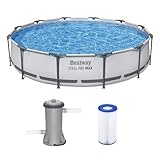
Bestway Steel Pro MAX 12' x 30" Above Ground Swimming Pool Set with Pump | Check Price On Amazon |
|
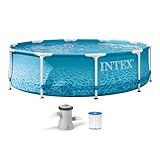
INTEX Beachside Metal Frame 10ft x 30in Round Pool Set w/Pump | Check Price On Amazon |

|
H2OGO! Kids Splash-in-Shade 8-Foot Round Steel Frame Above Ground Pool with Water Mister and Canopy Sunshade, Green Tropical Leaf Print | Check Price On Amazon |
What Causes Pool Water to Turn Brown or Rusty?
Pool water turns brown or rusty when dissolved iron enters the water and oxidizes, creating ferric iron particles visible as rust-colored cloudiness or sediment. Iron concentration as low as 0.3 parts per million (ppm) produces noticeable discoloration, while levels above 1.0 ppm create significant brown staining and murky water.
This oxidation happens rapidly after adding chlorine or shock treatments, which accelerate the conversion of invisible ferrous iron into visible ferric iron. The severity of discoloration depends on total iron content, chlorine levels, pH balance, and water circulation patterns that distribute iron particles throughout the pool.
Common Causes
Primary Sources of Iron in Pool Water
Understanding where iron enters your pool helps target prevention strategies

- Intelligent Navigation with Full Coverage: Equipped with 11 high-precision sensors and enhanced dual-path algorithms. The optimized WavePath cleaning pattern ensures systematic coverage with minimal overlap, while adaptive navigation analyzes pool layout in real time to eliminate missed spots
- Dual Filtration for Crystal-Clear Water: Advanced dual-layer filtration system features a replaceable 3-micron ultra-fine filter paired with a 180-micron standard filter. Effectively captures fine dust, sand, leaves, and debris for visibly cleaner and healthier pool water
- Comprehensive Pool Cleaning: Engineered to clean the pool floor, walls, waterline, and shallow areas (above 12 inches). The Caterpillar Treads system enhances mobility and climbing ability, ensuring thorough coverage across all pool zones
- Reliable Performance with 2-Year Warranty: Trusted by over 500,000 pool owners worldwide, this robotic pool cleaner delivers consistent, high-performance results. Built for durability and backed by a 2-year warranty and responsive customer support for worry-free ownership
Well Water Iron Contamination
Well water represents the primary source of iron in residential pools, with natural iron concentrations ranging from 0.5 to 5.0 ppm depending on local geology and aquifer composition. This dissolved ferrous iron remains invisible until exposed to pool chlorine, which oxidizes it within minutes of entering the pool system.
Testing well water before filling reveals baseline iron levels and allows pretreatment with metal sequestrants that bind iron molecules and prevent oxidation. Pools filled exclusively with well water require ongoing sequestrant maintenance every 2-4 weeks to control iron before it oxidizes and stains surfaces.
Corroded Plumbing and Pool Equipment
Galvanized steel pipes corrode internally over 15-20 years of use, releasing iron particles into fill water that concentrate in pools during top-offs and refills. Copper pipes also contribute iron when acidic water (pH below 7.0) leaches metal ions from pipe walls, creating blue-green staining in addition to rust discoloration.
Pool heaters with copper heat exchangers corrode when water chemistry falls out of balance, particularly with low pH (below 7.2) or low total alkalinity (below 80 ppm). This corrosion releases both iron and copper into circulation, causing mixed metal staining that appears as brown, rust, teal, or purple discoloration depending on oxidation state and concentration.
Iron-Based Pool Chemicals
Some algaecides contain copper sulfate or copper complexes that oxidize to brown when chlorine levels exceed 3.0 ppm, creating discoloration identical to iron contamination. Cheap or improperly formulated shock treatments also carry iron impurities from manufacturing processes, introducing 0.1-0.3 ppm iron per pound of product used.
Always purchase pool shock products from reputable manufacturers with quality control standards that limit metal content to trace levels. Check ingredient labels for copper or iron compounds before adding any chemical treatment to avoid introducing the exact metals you want to eliminate.
How to Test for Iron in Pool Water
Testing for iron requires a specialized iron test kit with reagents that detect both ferrous (dissolved, invisible) and ferric (oxidized, visible) iron in concentrations from 0.0 to 5.0 ppm. Standard pool test strips do not measure metals, making dedicated iron testing essential for diagnosing brown water issues and monitoring treatment effectiveness.
Perform iron testing immediately after noticing discoloration and before adding any chemicals, as chlorine or shock treatments alter iron oxidation states and produce inaccurate readings. Test both pool water and source water (well, hose bib, or municipal supply) to identify whether iron enters through fill water or originates from internal corrosion.
Step-by-Step Guide
Testing Pool Water for Iron Content
Five steps to accurate iron measurement and source identification
Collect water sample before chemical addition
Draw sample from 12-18 inches below surface in pool center, avoiding areas near returns or skimmers where circulation concentrates particles.
Add iron test reagent to sample
Follow kit instructions precisely, typically adding 5 drops of reagent to 10ml water sample in provided test vial or tube.
Wait for color development
Allow 2-3 minutes for chemical reaction to complete. Pink, red, or orange color indicates iron presence, with darker shades showing higher concentration.
Compare to color chart
Match sample color to kit’s reference chart in natural daylight, reading concentration in 0.2 ppm increments from 0.0 to 5.0 ppm range.
Test source water for comparison
Run identical test on tap or well water used to fill pool. Higher iron in source water confirms external contamination versus internal equipment corrosion.
Interpreting Iron Test Results
Iron levels below 0.2 ppm rarely cause visible discoloration but may produce light staining over months of exposure, particularly on white plaster surfaces in direct sunlight. Concentrations between 0.3 and 1.0 ppm create noticeable brown or rust tint within hours of chlorination, with severity increasing as chlorine oxidizes more dissolved iron.
Readings above 1.0 ppm indicate significant metal contamination requiring immediate treatment, as this concentration produces heavy brown cloudiness and rapid surface staining. Pools with 2.0+ ppm iron show dense rust-colored water, visible sediment, and active staining that damages finishes within 24-48 hours of oxidation.
Identifying Iron Source Through Testing
Compare pool water iron levels to source water results to determine contamination origin. If source water tests at 0.8 ppm and pool water tests at 0.9 ppm, fill water introduces most iron and requires pretreatment with hose-mounted filters or sequestrants before entering the pool.
When pool water shows 1.5 ppm iron but source water contains only 0.1 ppm, internal corrosion from heaters, pipes, or metal pool components releases iron during circulation. This scenario requires equipment inspection, pH correction to prevent further corrosion, and metal removal treatment to clear existing contamination.
Immediate Steps When Pool Water Turns Brown
Stop adding chlorine immediately when brown discoloration appears, as additional oxidation accelerates iron precipitation and intensifies staining on pool surfaces. Lower chlorine levels below 1.0 ppm through natural degradation or sodium thiosulfate addition, giving you 24-48 hours to implement metal removal before oxidation worsens.
Test iron concentration using a dedicated metal test kit before taking corrective action, as treatment approach differs significantly between low-level contamination (0.3-1.0 ppm) and heavy metal presence (above 1.0 ppm). Knowing exact iron content prevents chemical waste from under-dosing or unnecessary expense from over-treatment.
Prevent Further Oxidation
Reduce chlorine to minimal sanitization levels (0.5-1.0 ppm free chlorine) by stopping automatic chlorine generators or chemical feeders until iron treatment completes. Run pool pump continuously to maintain circulation and prevent iron particles from settling and staining surfaces during the treatment window.
Avoid shocking the pool or adding oxidizers, as these products instantly convert dissolved ferrous iron into visible ferric iron that clouds water and stains within hours. Our guide on how to add chemicals to a pool in the correct sequence explains why sequencing matters when dealing with metal contamination.
Document Water Appearance
Photograph pool water color and any visible staining immediately after discoloration appears, creating before-treatment documentation for comparing treatment effectiveness. Take photos in natural daylight from consistent angles, capturing water clarity, bottom visibility, and any brown sediment or rust-colored patches.
Note when discoloration first appeared and which chemicals were added in the 24 hours prior, as timing helps identify whether shock treatment, algaecide, or fill water triggered the oxidation event. This information guides prevention strategies after clearing current contamination.
How to Remove Iron from Pool Water
Remove iron through metal sequestrant treatment that binds dissolved and oxidized iron particles into water-soluble complexes that pass through filtration without staining surfaces. Sequestrants work at iron concentrations from 0.3 to 3.0 ppm, with treatment requiring 24-72 hours of continuous circulation and filtration to capture bound metal particles completely.
For pools with iron levels above 1.0 ppm, combination treatment using both sequestrant and flocculant products accelerates clearing by clumping iron particles into larger masses that settle for vacuum removal. This two-step approach removes 90-95% of iron within 48 hours compared to 7-10 days required for sequestrant-only treatment.
Treatment Comparison
Metal Sequestrant vs Flocculant Treatment Methods
Choose treatment based on iron concentration and urgency
| Method | Iron Range | Treatment Time | Pool Usability | Best For |
|---|---|---|---|---|
| Sequestrant Only | 0.3-1.0 ppm | 5-10 days | Swim during treatment | Light contamination, ongoing prevention |
| Sequestrant + Flocculant | 1.0-3.0 ppm | 48-72 hours | No swimming 48 hours | Heavy contamination, visible staining |
| Ascorbic Acid | 0.5-2.0 ppm | 24 hours | Swim after 6 hours | Surface stain removal, quick clearing |
| Drain and Refill | Above 3.0 ppm | 2-4 days | Pool empty 3-5 days | Extreme contamination, failed treatment |
Metal Sequestrant Treatment Protocol
Add metal sequestrant at manufacturer-specified dosage based on your pool volume—calculate it precisely with our pool volume calculator—typically 1 quart per 10,000 gallons for iron levels between 0.5 and 1.5 ppm. Pour sequestrant slowly around pool perimeter with pump running to ensure immediate distribution throughout the entire water volume.
Maintain continuous filtration for 48-72 hours minimum, backwashing or cleaning filter media every 12-24 hours as trapped iron accumulates and reduces flow rate. Monitor water clarity daily, expecting gradual improvement as sequestrant binds iron and filtration removes complexed particles from circulation.
Combination Flocculant Treatment
For heavy iron contamination producing dense brown water, add sequestrant first to bind oxidized iron, then introduce aluminum sulfate flocculant 6-12 hours later to clump sequestered particles into settleable masses. This combination prevents iron from re-oxidizing while accelerating physical removal through vacuum-to-waste or manual cleaning.
Shut off circulation after flocculant addition, allowing 24-48 hours for particle settlement to pool bottom before vacuuming directly to waste (bypassing filter). Remove settled material slowly to avoid re-suspending iron throughout water column, requiring multiple vacuum passes to capture all deposited metal.
Ascorbic Acid Stain Removal
Treat existing surface stains with ascorbic acid (vitamin C) at 1 pound per 10,000 gallons, which chemically reduces ferric iron back to ferrous state and lifts rust deposits from plaster, vinyl, and fiberglass. This treatment works within 24 hours for fresh stains but requires 48-72 hours for stains older than one week.
Apply ascorbic acid with chlorine levels below 0.5 ppm to prevent re-oxidation, then add sequestrant immediately after stains lift to capture released iron before it re-deposits. Follow with pool clarifier treatment to remove suspended particles and restore water clarity after stain removal completes.
Preventing Iron Contamination in Pool Water
Prevent iron entry through source water filtration using a hose-mounted pre-filter containing iron-removal media that captures metals before they enter the pool system. These filters remove 85-95% of iron from well water at concentrations up to 3.0 ppm, preventing the oxidation and staining that occurs when untreated fill water contacts chlorinated pool water.
Maintain water chemistry within ideal ranges (pH 7.4-7.6, total alkalinity 100-120 ppm) to minimize corrosion of metal pool components and plumbing that release iron during circulation. Corrosion accelerates dramatically when pH drops below 7.2 or rises above 7.8, with acidic conditions particularly aggressive toward copper heat exchangers and galvanized pipe fittings.
Pre-Filter Well Water During Fill
Install an inline pre-filter containing granular activated carbon or iron-removal resin on fill hoses before adding well water to pools, replacing filter cartridges after every 5,000-10,000 gallons processed. Monitor flow rate reduction as indication of filter saturation, typically occurring at 50-60% of rated capacity when treating water with 1.0+ ppm iron.
For pools requiring frequent top-offs from iron-rich wells, consider permanent installation of a whole-house iron filter system that treats all incoming water before distribution to pool fill lines and household use. These systems use oxidation chambers and multi-media filtration to remove 3.0-5.0 ppm iron continuously without cartridge replacement.
Regular Sequestrant Maintenance
Add maintenance doses of metal sequestrant every 2-4 weeks at 25-50% of initial treatment rate to bind trace iron that enters through fill water or minor equipment corrosion. This preventive approach costs $15-30 monthly for typical residential pools but eliminates the $150-300 expense of full iron removal treatment when contamination reaches visible levels.
Time sequestrant additions for 24-48 hours before planned shock treatments, allowing the product to bind any latent iron before oxidizers trigger precipitation. This sequencing prevents the brown water outbreak that commonly follows shock application in pools with even minor metal contamination.
Equipment Corrosion Prevention
Inspect and replace sacrificial anode rods in pool heaters annually, as these components corrode preferentially to protect copper heat exchangers from iron-releasing deterioration. When anode rods deplete completely, heat exchanger corrosion accelerates and releases significant iron and copper into circulation.
Test and adjust total alkalinity to 100-120 ppm range before correcting pH, as proper alkalinity buffering prevents the pH swings that cause corrosive conditions in pool equipment. Maintaining stable chemistry year-round through our seasonal maintenance schedule minimizes corrosion cycles that release metals during operation.
Maintain calcium hardness between 200 and 400 ppm to prevent aggressive water that dissolves copper and iron from metal surfaces, while keeping pH stable at 7.4-7.6 to minimize corrosion potential. For a complete water balance check that predicts scaling or corrosion risk, use our pool LSI calculator.
Removing Iron Stains from Pool Surfaces
Remove fresh iron stains (less than 2 weeks old) using targeted ascorbic acid application directly on affected areas, dissolving rust deposits without draining the pool or acid-washing entire surfaces. Apply 1-2 tablespoons of granular ascorbic acid per square foot of staining, allowing the powder to settle on stains and work for 30-60 minutes before brushing.
For stubborn stains older than one month, combination treatment using ascorbic acid followed by specialized stain removers achieves better results than single-product approaches. This sequential method lifts deep-set iron deposits that have bonded with plaster or vinyl surfaces through prolonged exposure and multiple oxidation cycles.
Spot Treatment for Localized Stains
Lower chlorine to zero and pH to 7.0 before applying ascorbic acid powder directly on visible rust stains, using a pool brush to agitate powder against stained surfaces. The acid reduces oxidized iron chemically, converting brown ferric deposits back to colorless ferrous iron that dissolves into water for sequestrant capture.
Brush treated areas every 15-20 minutes during the 60-minute contact period, preventing re-oxidation and ensuring complete stain dissolution into the surrounding water. Add metal sequestrant immediately after brushing final time to bind released iron before circulation and chlorination trigger re-staining.
Whole-Pool Ascorbic Acid Treatment
Treat widespread staining covering 30% or more of pool surfaces using whole-pool ascorbic acid dosing at 1 pound per 10,000 gallons, distributed evenly while brushing all stained areas simultaneously. Maintain circulation during treatment but keep chlorine at zero for 24-48 hours to prevent ascorbic acid oxidation before stain removal completes.
Monitor pH closely during ascorbic acid treatment, as the product lowers pH by 0.3-0.6 points and may require pH adjustment to prevent aggressive water conditions. After stains clear completely, add sequestrant at double maintenance dose, wait 24 hours, then restore chlorine gradually to normal operating levels.
Preventing Stain Recurrence
Add sequestrant at maintenance intervals (every 2-4 weeks) after successful stain removal to prevent re-staining from residual iron or new contamination through fill water. This ongoing prevention costs significantly less than repeated stain removal treatments and protects pool surfaces from permanent discoloration that requires acid washing or resurfacing.
Address the iron source identified during initial testing, whether through pre-filtration of fill water, equipment replacement, or water chemistry adjustment to stop corrosion. Removing stains without eliminating the contamination source results in recurrence within 4-8 weeks as new iron enters and oxidizes on cleaned surfaces.
When to Drain and Refill Instead of Treating
Drain and refill when iron levels exceed 3.0 ppm and chemical treatment costs approach 60-70% of water replacement expense, typically occurring at $200-250 in sequestrant and flocculant for severe contamination. Partial drain-and-refill removing 50-75% of water volume dilutes iron concentration below treatment thresholds while preserving water chemistry balance more effectively than complete drainage.
Consider refilling when total dissolved solids (TDS) exceed 2,500 ppm above source water levels, as high TDS reduces treatment chemical effectiveness and creates conditions where iron precipitates despite proper sequestrant dosing. Combined high iron and high TDS require fresh water to restore treatment responsiveness and prevent ongoing metal staining.
Cost Comparison of Treatment vs Replacement
Calculate treatment costs including sequestrant ($40-60 per quart), flocculant ($25-40), ascorbic acid ($30-50), replacement filter media ($60-150), and water testing ($15-25) against water replacement at local utility rates plus refill chemical balancing ($75-125). To estimate your refill budget accurately, use our pool fill cost calculator. Treatment becomes cost-prohibitive when total exceeds $300 for residential pools under 25,000 gallons.
Factor in labor time for vacuum-to-waste sessions (4-6 hours), multiple filter cleanings (2-3 hours each), and monitoring over 5-10 days versus 8-12 hours total for drain, clean, and refill procedures. Severe contamination requiring extended treatment and multiple product applications often costs more in time and chemicals than controlled refill with pre-filtered source water.
Partial Drain Dilution Strategy
Remove 50-60% of pool water when iron tests between 2.0 and 3.0 ppm, refilling with pre-filtered source water to dilute contamination below 1.0 ppm treatment threshold. Use our pool dilution and refill calculator to determine the exact percentage you need to drain. This approach reduces chemical costs by 60-75% compared to treating undiluted high-iron water while avoiding the complete drain that stresses pool structures and requires full chemistry rebalancing.
Use a submersible pump to drain from the deepest point, removing the most concentrated iron-laden water that settles during circulation shutdown. Refill slowly through pre-filter at 1,000-2,000 gallons per hour to allow incoming water to mix thoroughly with remaining pool volume and prevent localized high-iron zones.
Troubleshooting Persistent Brown Water Issues
Brown water returning within 1-2 weeks after successful treatment indicates ongoing iron introduction from unidentified sources, requiring systematic elimination testing of fill water, equipment, and chemicals. Test each potential source independently, isolating variables to pinpoint whether well water, corroding heater components, or contaminated pool products introduce the recurring metal contamination.
When treatment clears water temporarily but brown discoloration reappears after shock or chlorine addition, sequestrant concentration has fallen below protective levels and no longer binds latent iron effectively. This pattern requires increased sequestrant frequency from 4-week to 2-week intervals and higher maintenance dosing at 50-75% of initial treatment rate.
Testing Individual Iron Sources
Collect and test separate samples from source water (well or municipal), pool return lines downstream of heater, and pool water before and after chemical additions to measure iron contribution from each point. Variation of 0.2+ ppm between samples identifies which component releases iron during operation or chemical interaction.
Run pool circulation for 24 hours with heater off, then test iron levels and compare to reading taken with heater operating at normal temperature. Iron increase of 0.3+ ppm during heated operation confirms heat exchanger corrosion as primary contamination source requiring equipment replacement or sacrificial anode installation.
Evaluating Chemical Product Quality
Purchase small quantities of alternative brands when brown water appears only after specific chemical additions, testing new products for iron content using your standard test kit. Some discount shock products and algaecides contain 0.5-1.5 ppm iron from manufacturing impurities or intentional copper-based active ingredients that oxidize identically to iron contamination.
Switch to premium calcium hypochlorite shock or sodium dichlor products from established manufacturers with published purity specifications, avoiding generic or repackaged chemicals without quality certification. The $8-15 premium per treatment cycle prevents the $150-300 cost of treating metal contamination from impure products.
Addressing Heater Corrosion
Replace corroded heat exchanger assemblies when iron testing confirms heater operation as contamination source, as surface corrosion damage cannot be reversed and worsens progressively with continued use. Install sacrificial magnesium or aluminum anodes in heater during replacement to protect new heat exchanger from aggressive water chemistry conditions.
Maintain calcium hardness between 200 and 400 ppm to prevent aggressive water that dissolves copper and iron from metal surfaces, while keeping pH stable at 7.4-7.6 to minimize corrosion potential. Low calcium (below 150 ppm) creates particularly corrosive conditions that attack heater components even when pH and alkalinity remain balanced.
Frequently Asked Questions About Brown Pool Water
Why did my pool turn brown immediately after adding shock?
Your pool turned brown immediately after shocking because dissolved iron in the water oxidized on contact with the high chlorine concentration in shock products, converting invisible ferrous iron into visible ferric iron particles. This reaction happens within minutes when iron levels exceed 0.3 ppm and chlorine concentration spikes above 5.0 ppm during shock treatment.
The shock itself did not introduce iron but rather revealed existing metal contamination from well water, corroded equipment, or previous chemical additions. Test iron levels before shocking to identify contamination, then add sequestrant 24-48 hours prior to prevent oxidation during the shock event.
Can I swim in brown pool water or is it dangerous?
You can swim in brown pool water if chlorine and pH remain within safe ranges (1.0-3.0 ppm free chlorine, pH 7.2-7.8), as iron itself poses no direct health risk at concentrations typically found in pools (0.3-3.0 ppm). However, the brown discoloration usually accompanies reduced chlorine effectiveness, cloudy water from suspended particles, and potential for bacterial growth in inadequately sanitized conditions.
Swimming in iron-contaminated water may cause temporary skin or hair discoloration, particularly for individuals with light-colored or chemically-treated hair that absorbs metal deposits. Wait until water clears and chlorine stabilizes before extended swimming to avoid cosmetic staining and ensure proper sanitation.
How long does it take to clear brown pool water?
Clearing brown pool water takes 24-72 hours with combination sequestrant and flocculant treatment, requiring continuous circulation and filter cleaning every 12 hours as iron particles accumulate in media. Sequestrant-only treatment extends clearing time to 5-10 days as filtration slowly removes bound iron particles without the settling action of flocculants.
Severe contamination above 2.0 ppm iron may require 7-14 days for complete clearing using chemical treatment alone, making partial drain-and-refill faster and more cost-effective for heavy metal loads. Treatment speed depends on initial iron concentration, filter efficiency, circulation rate, and whether you use single or combination removal methods.
Will brown water stain my pool liner or plaster permanently?
Brown water stains pool surfaces progressively based on exposure duration, with fresh stains (under 2 weeks old) responding well to ascorbic acid treatment and complete removal. Stains older than 4-6 weeks penetrate porous surfaces like plaster more deeply, requiring aggressive acid washing or specialized stain removal products that may not restore original appearance completely.
Vinyl liners resist permanent staining better than plaster but develop surface discoloration after 2-3 months of iron exposure that becomes difficult to remove without damaging liner material. Treat brown water within 48-72 hours of appearance to prevent surface bonding and permanent discoloration requiring resurfacing or liner replacement.
Does brown pool water mean the filter is failing?
Brown pool water does not indicate filter failure but rather the presence of dissolved iron that passes through all filter types until oxidation converts it to particles large enough for mechanical capture. Filters remove oxidized iron effectively once sequestrant or flocculant creates filterable particle size (5-20 microns), but cannot capture dissolved ferrous iron molecules that measure 0.0001-0.001 microns.
However, inadequate filtration with short run times (less than 8 hours daily) or clogged filter media prevents removal of oxidized iron particles, allowing brown discoloration to persist despite chemical treatment. Run filtration continuously (24 hours daily) during iron removal and clean or backwash filter every 12-24 hours as pressure gauge indicates flow restriction from accumulated particles.
Can I prevent brown water when filling pool from a well?
Prevent brown water when filling from wells using a hose-mounted pre-filter containing iron-removal media that captures 85-95% of dissolved iron before water enters the pool system. These filters cost $40-120 depending on capacity and remove iron concentrations up to 3.0 ppm across 5,000-15,000 gallons before requiring cartridge replacement.
Add sequestrant to the pool before beginning well water fill, dosing at 1 quart per 10,000 gallons of anticipated fill volume to bind any iron that bypasses pre-filtration. Maintain chlorine below 1.0 ppm during filling to minimize oxidation of trace iron, then adjust sanitizer levels after fill completes and sequestrant circulates for 24 hours.
What is the difference between brown water from iron versus algae?
Brown water from iron appears as uniform rust-colored cloudiness throughout the entire pool volume with no growth on surfaces, occurring suddenly after shock or chlorine addition when oxidation triggers. Iron contamination produces metallic sheen on water surface, settles as rust-colored sediment when circulation stops, and responds immediately (within hours) to sequestrant treatment.
Brown algae creates spotty discoloration concentrated on shaded walls, steps, and pool floor with visible slimy growth that brushes off surfaces easily. Algae develops gradually over days or weeks when chlorine falls below 1.0 ppm, feels slippery to touch, and requires shock treatment plus brushing for removal rather than metal sequestrants.
Will iron affect my saltwater chlorine generator?
Iron damages saltwater chlorine generator cells progressively through scale buildup on titanium plates when metal particles precipitate during the electrolysis process that produces chlorine. This scaling reduces cell efficiency by 20-40% within 3-6 months of operation in iron-contaminated pools, requiring frequent acid cleaning to restore chlorine production capacity.
Maintain iron below 0.2 ppm in saltwater pools using regular sequestrant additions every 2-3 weeks to protect generator cells from metal-induced scaling and corrosion. Monitor cell voltage and amperage monthly for increases indicating scale formation, cleaning with diluted muriatic acid when readings exceed 10% above baseline values recorded with clean cells.
Can high pH cause pool water to turn brown?
High pH (above 7.8) does not directly cause brown water but accelerates iron oxidation and precipitation when metal contamination exists, making brown discoloration appear more rapidly and intensely than at neutral pH levels. Elevated pH also reduces chlorine sanitization effectiveness by 50-75%, allowing organic debris to accumulate and contribute to brown or murky water appearance.
Brown water at high pH typically indicates combined iron contamination and pH imbalance rather than pH alone causing discoloration. Lower pH to 7.4-7.6 using muriatic acid or sodium bisulfate before treating iron, as proper pH improves sequestrant effectiveness and prevents re-oxidation during the clearing process.
Should I keep adding chlorine if pool water is brown?
Stop adding chlorine when brown water first appears until iron testing and sequestrant treatment begin, as additional chlorine accelerates oxidation and intensifies staining without improving water safety. Maintain minimum sanitization (0.5-1.0 ppm) through residual chlorine decay while treating iron, preventing bacteria growth without driving further metal precipitation.
Resume normal chlorination 24-48 hours after sequestrant addition once the product binds available iron and prevents re-oxidation during sanitizer adjustment. Increase chlorine gradually from 1.0 to target level (2.0-3.0 ppm) over 24 hours rather than shocking, allowing sequestrant to maintain control of bound iron during the transition to normal chemistry.
How do I know if brown water is from iron versus manganese?
Distinguish iron from manganese by testing water with specialized metal test kits that measure each element separately, as both create brown discoloration but respond to different treatment chemicals. Iron produces rust-orange to reddish-brown color and responds to ascorbic acid spot tests (stains lighten within minutes), while manganese creates purple-brown to black staining that resists ascorbic acid but lifts with specialized manganese removers.
Manganese contamination occurs less frequently than iron but concentrates in well water from similar geological sources, often appearing simultaneously with iron in combined metal loads. Test for both metals when brown water originates from well sources to ensure complete treatment, as manganese requires specific sequestrants different from standard iron-control products.
Will shocking the pool remove brown water?
Shocking worsens brown water by oxidizing additional dissolved iron and intensifying discoloration rather than clearing it, as shock products contain high chlorine or non-chlorine oxidizers that convert ferrous to ferric iron. This oxidation creates more visible rust particles and accelerates surface staining compared to pre-shock conditions.
Never shock brown water without first treating with metal sequestrant for 24-48 hours to bind iron and prevent oxidation. Only shock after water clears completely and iron tests confirm levels below 0.2 ppm—use our pool shock calculator to determine the correct amount for your pool size and avoid triggering recurrence of brown discoloration during sanitizer restoration.
Can I use regular pool clarifier to clear brown water?
Standard pool clarifiers provide minimal benefit for iron-caused brown water because they coagulate suspended particles but do not bind dissolved metals or prevent oxidation that creates new particles continuously. Clarifiers work effectively only after sequestrant treatment binds iron and stops new particle formation, helping polish water clarity during final treatment stages.
Use metal-specific sequestrants rather than general clarifiers as primary treatment for brown water, adding standard clarifier only after iron concentration drops below 0.3 ppm and brown color lightens significantly. This sequence addresses the root cause (dissolved iron) before attempting particle removal with secondary products.
How much does professional iron removal treatment cost?
Professional iron removal costs $300-800 for residential pools depending on size, contamination severity, and regional service rates, including chemicals, labor, and follow-up testing to confirm clearance. This service typically includes sequestrant treatment, flocculant addition, vacuum-to-waste sessions, filter cleaning, and preventive sequestrant setup to avoid recurrence.
DIY treatment costs $100-250 in chemicals and supplies for pools under 25,000 gallons with iron levels below 2.0 ppm, requiring 12-20 hours of labor over 3-7 days for monitoring, filter cleaning, and vacuuming. Professional service becomes cost-competitive for severe contamination (above 2.5 ppm) or pools larger than 30,000 gallons where chemical quantities and labor time increase substantially.
Is it safe to drink pool water that turned brown from iron?
Do not drink pool water regardless of iron content or color, as pools contain chlorine, stabilizers, algaecides, and other chemicals at concentrations unsafe for consumption even when water appears clear. Iron-contaminated pool water poses no unique toxicity compared to properly balanced pool chemistry, but neither should be ingested intentionally or used for drinking purposes.
Iron in pool water at typical contamination levels (0.3-3.0 ppm) falls far below toxicity thresholds (above 20 ppm) but indicates water quality issues requiring treatment. Focus on clearing brown discoloration to restore pool appearance and prevent staining rather than health concerns related specifically to iron presence at these concentrations.
Maintaining proper water chemistry prevents brown discoloration through regular testing, sequestrant additions every 2-4 weeks when using well water, and equipment inspections that identify corrosion before significant iron release occurs. Address brown water within 48-72 hours of appearance using metal sequestrants at correct dosages for your pool volume and measured iron concentration, preventing the surface staining that requires expensive acid washing or resurfacing repairs.
Test source water for iron content before filling or topping off pools, installing pre-filtration when well water exceeds 0.5 ppm iron to prevent contamination at entry rather than treating symptoms after oxidation occurs. This preventive approach costs significantly less than repeated removal treatments while protecting pool surfaces from progressive staining damage that diminishes property value and swimming enjoyment.
| Photo | Best Above-Ground Pools | Price |
|---|---|---|
|
|
Bestway Steel Pro MAX 12' x 30" Above Ground Swimming Pool Set with Pump | Check Price On Amazon |
|
|
INTEX Beachside Metal Frame 10ft x 30in Round Pool Set w/Pump | Check Price On Amazon |
|
|
H2OGO! Kids Splash-in-Shade 8-Foot Round Steel Frame Above Ground Pool with Water Mister and Canopy Sunshade, Green Tropical Leaf Print | Check Price On Amazon |