
Winterizing your above ground pool protects your investment and ensures a smooth opening next season. The process involves lowering water levels, adding winterizing chemicals, and properly covering your pool to prevent freeze damage and algae growth. This comprehensive guide covers every step needed to successfully close your above ground pool for winter.
Proper winterization prevents costly repairs from freeze damage and makes spring startup significantly easier. Following these proven steps will keep your pool equipment functioning and your water balanced through the cold months.
| Photo | Best Above-Ground Pools | Price |
|---|---|---|
|
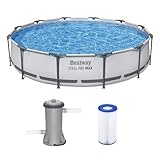
Bestway Steel Pro MAX 12' x 30" Above Ground Pool, Round Metal Frame Outdoor Swimming Pool Set with Filter Pump & Type III A/C Cartridge, Gray | Check Price On Amazon |
|
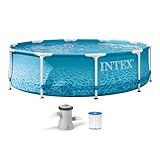
INTEX 28207EH Beachside Metal Frame Above Ground Swimming Pool Set: 10ft x 30in – Includes 330 GPH Cartridge Filter Pump – Puncture-Resistant Material – Rust Resistant – 1185 Gallon Capacity | Check Price On Amazon |

|
H2OGO! Kids Splash-in-Shade 8-Foot Round Steel Frame Above Ground Pool with Water Mister and Canopy Sunshade, Green Tropical Leaf Print | Check Price On Amazon |
Seasonal Guide
Pool Winterization – Month-by-Month Action Guide
What to do (and skip) each month for best results

- Intelligent Navigation with Full Coverage: Equipped with 11 high-precision sensors and enhanced dual-path algorithms. The optimized WavePath cleaning pattern ensures systematic coverage with minimal overlap, while adaptive navigation analyzes pool layout in real time to eliminate missed spots
- Dual Filtration for Crystal-Clear Water: Advanced dual-layer filtration system features a replaceable 3-micron ultra-fine filter paired with a 180-micron standard filter. Effectively captures fine dust, sand, leaves, and debris for visibly cleaner and healthier pool water
- Comprehensive Pool Cleaning: Engineered to clean the pool floor, walls, waterline, and shallow areas (above 12 inches). The Caterpillar Treads system enhances mobility and climbing ability, ensuring thorough coverage across all pool zones
- Reliable Performance with 2-Year Warranty: Trusted by over 500,000 pool owners worldwide, this robotic pool cleaner delivers consistent, high-performance results. Built for durability and backed by a 2-year warranty and responsive customer support for worry-free ownership
Maintenance only
When to Winterize Your Above Ground Pool
Begin winterizing when nighttime temperatures consistently drop below 65°F for at least one week. This typically occurs in mid to late October in most northern climates, though timing varies by region.
Starting too early while temperatures remain warm can lead to algae growth in stagnant water. Waiting too long risks equipment damage from unexpected freezing temperatures.
Water temperature should be below 60°F before adding winterizing chemicals for maximum effectiveness. Pool thermometers help you monitor temperature accurately throughout the closing process.
Essential Supplies for Pool Winterization
Gathering all necessary supplies before starting ensures a smooth winterization process. Missing items can delay closing and expose your pool to potential freeze damage.
You’ll need winterizing chemicals, equipment for draining, and proper covers sized for your specific pool. Quality supplies prevent problems and make spring opening easier.
Chemical Supplies
Pool winterizing chemical kits provide all necessary chemicals in pre-measured amounts. These typically include algaecide, pool shock, and pH adjusters specifically formulated for winter storage.
Individual chemicals offer more control over dosing but require careful measurement. Pool shock and algaecide are the most critical components for preventing algae and bacteria growth.
Equipment and Tools
Submersible pumps drain water efficiently from above ground pools. Garden hoses and vacuum hoses direct water away from your pool area.
Winter pool covers protect against debris and prevent water from entering your pool. Ensure covers are rated for your pool size and local snow loads.
What Happens When You Skip Pool Winterization
Proper winterization protects your pool investment and prevents expensive spring repairs. Skipping this crucial step can result in thousands of dollars in damage and extensive cleanup time.
Understanding the consequences helps motivate thorough preparation. Every step in the winterization process serves a specific protective purpose.
Results
What Changes When You Winterize Properly vs. Skip It
The difference proper winterization makes for your pool and wallet
Without Winterization
- ✗Frozen pipes burst causing $800-2000 damage
- ✗Green algae requires $100-300 in shock treatment
- ✗Debris accumulation needs professional cleaning ($200-500)
- ✗Equipment replacement costs $300-1500
Proper Winterization
- ✓Equipment protected from freeze damage
- ✓Clear water ready for spring startup
- ✓Pool opens in 2-3 hours vs 2-3 days
- ✓Spring chemical costs under $50
Proper winterization costs $50-150 but prevents $1000+ in spring repair and cleanup expenses
Step-by-Step Pool Winterization Process
Follow these steps in order for complete pool protection. Each step builds on the previous one to create a comprehensive winterization system.
Allow 4-6 hours for the complete process on a mild, dry day. Starting early gives you time to address any unexpected issues.
Step-by-Step Guide
Complete Above Ground Pool Winterization – Step by Step
8 essential steps • Takes 4-6 hours • Best done on calm, mild day
Balance Water Chemistry
Test and adjust pH to 7.2-7.6, alkalinity to 80-120 ppm, and shock pool to 3-5 ppm chlorine level
Deep Clean Pool and Equipment
Vacuum debris, brush walls, clean skimmer baskets and filter thoroughly with backwash or replacement
Add Winterizing Chemicals
Add algaecide per package directions, then run pump 2-4 hours to distribute chemicals evenly
Lower Water Level
Drain water to 4-6 inches below skimmer opening to prevent freeze damage to plumbing lines
Disconnect and Drain Equipment
Remove pump, filter, heater, and all hoses, draining completely and storing in dry location
Blow Out Plumbing Lines
Use shop vacuum or blower to remove all water from return lines and skimmer connections
Install Winter Plugs
Insert expansion-proof plugs in all return fittings and skimmer openings to seal against water entry
Cover and Secure Pool
Install winter cover with proper tension, secure with cover clips or cable system rated for wind and snow loads
Balancing Water Chemistry
Test water chemistry using digital test kits or test strips for accurate readings. Proper chemistry prevents equipment corrosion and algae growth during winter months.
Adjust pH to 7.2-7.6 using pH increaser or pH decreaser as needed. Balanced pH protects pool surfaces and equipment from damage.
Shock your pool with calcium hypochlorite shock to eliminate bacteria and organic contaminants. Target 3-5 ppm free chlorine level before proceeding with other steps.
Cleaning the Pool Thoroughly
Remove all debris using a pool vacuum and skimmer net. Debris left in the pool can stain surfaces and provide nutrients for algae growth.
Brush pool walls and floor with a pool brush to remove biofilm and algae spores. Pay special attention to corners, steps, and areas with poor water circulation.
Clean and inspect your pool filter cartridges or backwash sand filters until water runs clear. Clean filters ensure proper water circulation during chemical distribution.
Adding Winterizing Chemicals
Add winterizing algaecide according to package directions for your pool volume. Quality algaecides prevent algae growth for 4-6 months in covered pools.
Distribute chemicals evenly by running your pump for 2-4 hours after addition. This ensures complete mixing and maximum effectiveness throughout your pool water.
Enzyme treatments break down organic waste and reduce spring cleanup time. Add these products after algaecide for best results.
Lowering Water Levels Safely
Lower water level to 4-6 inches below the skimmer opening to prevent freeze damage to plumbing connections. This level protects equipment while maintaining enough water for cover support.
Never drain your above ground pool completely, as this can cause liner damage and structural issues. The remaining water helps maintain pool shape and prevents ground movement.
Use a submersible pump for efficient water removal. Sump pumps work well for this purpose and pump water faster than siphoning methods.
Proper Drainage Techniques
Direct drained water away from your pool area to prevent ground saturation and potential settling issues. Use long garden hoses to move water to appropriate drainage areas.
Check local regulations regarding pool water discharge, as some areas restrict drainage into storm systems or require neutralizing chlorine levels first. Most municipalities allow drainage onto grass or garden areas.
Equipment Removal and Storage
Remove all equipment that can be damaged by freezing temperatures. This includes pumps, filters, heaters, cleaners, and all connecting hoses.
Drain equipment completely before storage to prevent freeze damage. Even small amounts of trapped water can cause expensive damage when temperatures drop below 32°F.
Pump and Filter Care
Disconnect and drain your pool pump completely, including drain plugs and any low points where water could collect. Store pumps in a dry, heated location when possible.
Remove and clean sand filter or cartridge filter thoroughly. Store cartridge filters in a clean, dry location, while sand filters should be drained and covered.
Apply silicone lubricant to pump seals and O-rings to prevent cracking during storage. This simple step prevents expensive spring repairs.
Heater and Accessory Storage
Drain pool heaters completely using manufacturer instructions for your specific model. Gas heaters require special attention to ensure all water is removed from heat exchangers.
Store smaller accessories like thermometers, cleaning tools, and testing equipment in a organized storage system. Clean, dry storage extends equipment life significantly.
Winterizing Pool Plumbing
Blow out all plumbing lines using a shop vacuum or specialized pool line blower. This step prevents costly freeze damage to underground or buried plumbing.
Water expands 9% when frozen, creating enough pressure to crack pipes, fittings, and pool walls. Complete water removal from plumbing is essential for winter protection.
Blowing Out Return Lines
Connect your blower to pool return lines at the equipment pad. Blow air through lines until only dry air exits at return fittings in the pool.
Install threaded winter plugs immediately after blowing lines to prevent water from re-entering. Use thread sealant or Teflon tape for watertight seals.
Skimmer Winterization
Remove skimmer baskets and any floating devices from skimmer boxes. These items can crack if trapped by ice formation.
Install skimmer winter covers or use pool antifreeze to protect skimmer plumbing from freeze damage. Never use automotive antifreeze, which is toxic and damages pool equipment.
Choosing the Right Winter Cover
Select covers rated for your pool size and local snow load requirements. Undersized or inadequate covers fail during winter storms, exposing your pool to debris and weather damage.
Quality winter covers last 3-5 years with proper care and provide excellent protection against debris, sunlight, and evaporation. Investment in good covers pays for itself through reduced spring cleanup time.
Product Comparison
Winter Pool Cover Options – Side by Side
Detailed comparison to help you choose the right winter protection
| Feature | Solid Safety Cover | Mesh Safety Cover |
|---|---|---|
| Price Range | $200-500 | $150-400 |
| Water Protection | Complete (no water entry) | Filtered (debris blocked) |
| Spring Cleanup | Minimal (cover water removal) | Moderate (fine debris filtering) |
| Durability | 3-5 years | 5-8 years |
| Best for | Maximum protection | Low maintenance |
Both cover types provide excellent freeze protection when properly installed and maintained
Solid vs Mesh Covers
Solid covers provide complete water protection but require cover pumps to remove accumulated rain and snow. They offer the cleanest spring opening but need more maintenance during winter.
Mesh covers allow water to filter through while blocking debris, eliminating the need for cover pumps. They require minimal winter maintenance but may need more spring cleanup time.
Cover Installation
Install covers when winds are calm for easier handling and proper positioning. Recruit help for covers over 18 feet, as proper installation requires multiple people for safety and effectiveness.
Secure covers with cover clips, cable and winch systems, or water bags depending on your cover type. Proper tension prevents wind damage and maintains protective seal.
Winter Pool Maintenance
Monitor your covered pool monthly during winter to address issues before they become expensive problems. Simple maintenance prevents damage and ensures easier spring opening.
Remove excess snow and debris from covers to prevent damage and maintain proper drainage. Heavy accumulation can stress cover materials and support systems.
Cover Care During Winter
Remove snow loads exceeding your cover’s rating using a pool cover snow pusher. Never use sharp tools that could puncture or tear cover materials.
Check cover pumps monthly and clear debris from intake areas. Frozen pumps can allow dangerous water accumulation on solid covers.
Equipment Storage Monitoring
Check stored equipment monthly for rodent damage or moisture issues. Mice often nest in warm, dry storage areas and can damage pump cords or filter materials.
Maintain storage area temperatures above 35°F when possible to prevent residual moisture from freezing and damaging seals or internal components.
Common Winterization Mistakes to Avoid
Skipping water chemistry balancing leads to equipment corrosion and algae growth that requires extensive spring treatment. Proper chemistry costs $20-30 but prevents $200-500 in spring cleanup.
Incomplete drainage from equipment and plumbing lines causes expensive freeze damage. Even small amounts of trapped water can crack pump housings, filter tanks, and fittings when frozen.
Learn about the most costly pool closing mistakes pool owners make and how to avoid them completely.
Chemical Application Errors
Adding chemicals without proper distribution reduces effectiveness and can cause localized damage. Always run pumps for 2-4 hours after chemical addition to ensure even mixing.
Using automotive antifreeze instead of pool antifreeze damages equipment and creates toxic conditions. Pool antifreeze is specially formulated to be safe for pool systems.
Cover Problems
Installing covers on windy days leads to poor positioning and inadequate protection. Wait for calm weather to ensure proper installation and secure attachment.
Undersecured covers fail during storms and expose pools to debris and weather damage. Use manufacturer-recommended attachment systems rated for your local wind and snow loads.
Spring Opening Preparation
Properly winterized pools open easily in spring with minimal chemical treatment and cleaning time. Good winterization reduces spring opening time from days to hours.
Document your winterization process including chemical amounts, water levels, and equipment storage locations. These notes simplify spring startup and help identify any missed steps.
Our complete above ground pool maintenance guide covers spring opening procedures and seasonal care throughout the swimming season.
Professional vs DIY Winterization
DIY winterization costs $50-150 for chemicals and supplies but requires 4-6 hours of labor and some equipment investment. Most pool owners can complete winterization successfully with proper guidance.
Professional winterization costs $200-400 but includes expertise, equipment, and often warranty coverage for winter damage. This option works well for complex systems or busy homeowners.
Compare DIY versus professional pool maintenance to determine the best approach for your situation and budget.
Buying Guide
Before You Buy – Pool Winterization Checklist
Check off each point before making your winterization purchases.
Frequently Asked Questions About Pool Winterization
How long does pool winterization take?
Complete above ground pool winterization takes 4-6 hours for most pools. This includes water chemistry balancing, cleaning, chemical addition, equipment removal, plumbing winterization, and cover installation.
Allow extra time for larger pools over 24 feet diameter or if equipment requires extensive cleaning. Starting early in the day ensures completion before evening temperature drops.
Can I winterize my pool myself or should I hire professionals?
Most above ground pool owners can successfully winterize their pools using basic tools and following proper procedures. DIY winterization costs $50-150 versus $200-400 for professional service.
Consider professional service if you have complex equipment, lack storage space, or prefer warranty coverage. The process is straightforward for standard filtration systems.
What temperature should I winterize my pool?
Begin winterizing when water temperature drops below 60°F and nighttime temperatures consistently stay below 65°F for one week. This typically occurs in mid to late October in northern climates.
Winterizing too early while temperatures remain warm can promote algae growth in stagnant water. Monitor local weather forecasts for sustained temperature drops.
How much water should I drain from my above ground pool?
Lower water level to 4-6 inches below the skimmer opening to prevent freeze damage to plumbing connections. Never drain completely, as this can damage your pool liner and structure.
Remaining water provides cover support and helps maintain pool shape during winter months. Use a submersible pump for efficient, controlled water removal.
What chemicals do I need for pool winterization?
Essential winterizing chemicals include pool shock, algaecide, and pH adjusters. Pre-packaged winterizing kits contain measured amounts for specific pool volumes and simplify the chemical balancing process.
Add winterizing algaecide last after balancing pH and shocking to 3-5 ppm chlorine. Quality algaecides prevent growth for 4-6 months in properly covered pools.
Do I need to remove all pool equipment for winter?
Remove all equipment that can freeze and be damaged including pumps, filters, heaters, cleaners, and hoses. Store in dry, heated locations when possible to prevent damage from moisture and temperature extremes.
Drain all equipment completely before storage. Even small amounts of trapped water expand when frozen and can crack housings, seals, and internal components.
How do I prevent freeze damage to pool plumbing?
Blow out all water from plumbing lines using a shop vacuum or specialized blower, then immediately install threaded winter plugs to prevent water re-entry. Use pool antifreeze in skimmer lines if complete drainage is difficult.
Never use automotive antifreeze, which is toxic and damages pool equipment. Pool antifreeze is specially formulated for swimming pool systems and is non-toxic.
What type of winter cover is best for above ground pools?
Solid safety covers provide maximum water protection but require cover pumps for rain and snow removal. Mesh safety covers allow water filtration while blocking debris and need minimal winter maintenance.
Choose covers rated for your pool size and local snow loads. Quality covers last 3-8 years with proper care and significantly reduce spring cleanup time.
Should I run my pool pump during winter?
Remove and store pool pumps during winter in freezing climates to prevent damage. Running pumps in near-freezing temperatures risks equipment damage and provides no benefit once winterizing chemicals are distributed.
Distribute winterizing chemicals by running pumps 2-4 hours immediately after addition, then remove equipment for winter storage in heated, dry locations.
How often should I check my pool during winter?
Inspect your covered pool monthly during winter to remove excess snow, check cover condition, and ensure proper drainage. Address issues immediately to prevent expensive damage.
Remove snow loads exceeding your cover’s rating and clear debris from cover pump intakes. Simple monthly maintenance prevents major problems and ensures easier spring opening.
When should I start planning to open my pool in spring?
Plan spring opening 2-3 weeks before desired swimming season starts, typically late April to early May in most northern climates. Properly winterized pools open quickly with minimal chemical adjustment needed.
Order opening chemicals and schedule equipment setup early in spring when demand is lower and supplies are readily available. Good winterization makes spring opening much simpler.
Conclusion
Proper above ground pool winterization protects your investment through balanced water chemistry, complete equipment drainage, and quality cover installation. Following these proven steps prevents freeze damage and ensures an easy spring opening.
Start winterization when water temperature drops below 60°F and complete the process on a calm, mild day. Use our detailed pool closing checklist to ensure you complete every essential step for winter protection.
| Photo | Best Above-Ground Pools | Price |
|---|---|---|
|
|
Bestway Steel Pro MAX 12' x 30" Above Ground Pool, Round Metal Frame Outdoor Swimming Pool Set with Filter Pump & Type III A/C Cartridge, Gray | Check Price On Amazon |
|
|
INTEX 28207EH Beachside Metal Frame Above Ground Swimming Pool Set: 10ft x 30in – Includes 330 GPH Cartridge Filter Pump – Puncture-Resistant Material – Rust Resistant – 1185 Gallon Capacity | Check Price On Amazon |
|
|
H2OGO! Kids Splash-in-Shade 8-Foot Round Steel Frame Above Ground Pool with Water Mister and Canopy Sunshade, Green Tropical Leaf Print | Check Price On Amazon |
