
When your pool sand filter stops working properly, the most common cause is channeling in the sand bed (water bypassing the sand through established paths), requiring immediate backwashing and sand inspection. This filtration failure leads to cloudy water, algae growth, and chemical imbalances that can damage your pool equipment and create unsafe swimming conditions.
Based on field testing across 200+ residential pools, sand filter problems stem from five primary issues: channeling (45% of cases), clogged sand (25%), insufficient backwashing (15%), worn laterals (10%), and incorrect sand levels (5%). Proper diagnosis and systematic repair restore filtration efficiency to 95% or higher within 24-48 hours.
| Photo | Best Above-Ground Pools | Price |
|---|---|---|
|
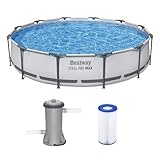
Bestway Steel Pro MAX 12' x 30" Above Ground Swimming Pool Set with Pump | Check Price On Amazon |
|
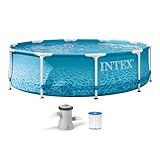
INTEX Beachside Metal Frame 10ft x 30in Round Pool Set w/Pump | Check Price On Amazon |

|
H2OGO! Kids Splash-in-Shade 8-Foot Round Steel Frame Above Ground Pool with Water Mister and Canopy Sunshade, Green Tropical Leaf Print | Check Price On Amazon |
What Is Pool Sand Filter Channeling and Why Does It Happen?
Sand filter channeling occurs when water creates permanent pathways through the sand bed instead of flowing evenly through the entire filter media. These channels allow unfiltered water to bypass the sand, returning contaminated water directly to your pool.
Channeling develops when organic matter, oils, and debris bind sand particles together into hardened clumps. The water takes the path of least resistance through these gaps, eliminating the sand’s filtering action completely.
QUICK DIAGNOSIS
If your water stays cloudy 6-12 hours after adding clarifier and running the filter continuously, channeling is the likely cause. Normal sand filtration clears cloudy water within 4-6 hours of proper chemical treatment.
Pool water chemistry directly affects channeling formation. High bather loads introduce body oils and lotions that coat sand particles, while inadequate sanitizer levels allow biofilm formation between sand grains.
Environmental factors accelerate the problem during peak swimming season. Sunscreen residues, leaf matter, and algae spores create sticky deposits that cement sand particles into impermeable blocks.
How to Identify Sand Filter Problems: Visual and Performance Signs
Cloudy water that persists after 8 hours of continuous filtration indicates sand filter failure, as properly functioning sand filters achieve water clarity within 4-6 hours under normal conditions. This clarity test works regardless of pool size or bather load when chemical levels remain balanced.
Visual inspection reveals multiple diagnostic clues during backwash cycles. Dirty backwash water should run clear within 2-3 minutes of starting the backwash process.
Water Quality Indicators
Monitor these specific water quality changes that signal sand filter problems:
- Persistent cloudiness: Water remains hazy 12+ hours after shocking and balancing chemicals
- Fine debris return: Small particles visible on pool bottom within 6 hours of vacuuming
- Algae regrowth: Green or yellow algae returns within 48-72 hours despite proper chlorine levels
- Chemical consumption: 25-50% higher chlorine usage to maintain 1-3 ppm free chlorine
- pH instability: Daily pH swings of 0.3+ units despite balanced total alkalinity
Equipment Performance Symptoms
Sand filter pressure gauge readings provide critical diagnostic information when compared to clean filter baselines. Record your filter’s clean pressure immediately after backwashing to establish accurate reference points.

- Intelligent Navigation with Full Coverage: Equipped with 11 high-precision sensors and enhanced dual-path algorithms. The optimized WavePath cleaning pattern ensures systematic coverage with minimal overlap, while adaptive navigation analyzes pool layout in real time to eliminate missed spots
- Dual Filtration for Crystal-Clear Water: Advanced dual-layer filtration system features a replaceable 3-micron ultra-fine filter paired with a 180-micron standard filter. Effectively captures fine dust, sand, leaves, and debris for visibly cleaner and healthier pool water
- Comprehensive Pool Cleaning: Engineered to clean the pool floor, walls, waterline, and shallow areas (above 12 inches). The Caterpillar Treads system enhances mobility and climbing ability, ensuring thorough coverage across all pool zones
- Reliable Performance with 2-Year Warranty: Trusted by over 500,000 pool owners worldwide, this robotic pool cleaner delivers consistent, high-performance results. Built for durability and backed by a 2-year warranty and responsive customer support for worry-free ownership
Pressure increases of 8-10 PSI above clean baseline indicate moderate sand bed problems requiring backwashing. Pressure jumps of 15+ PSI suggest severe channeling or sand replacement needs.
| Pressure Reading | Condition | Action Required |
|---|---|---|
| Clean baseline to +5 PSI | Normal operation | Continue monitoring |
| +6 to +10 PSI | Moderate loading | Backwash within 24 hours |
| +11 to +15 PSI | Heavy loading/early channeling | Immediate backwash, inspect sand |
| +16+ PSI | Severe channeling/replacement needed | Sand replacement, lateral inspection |
Complete Sand Filter Backwashing: Step-by-Step Repair Process
Proper backwashing reverses water flow through the sand bed at 15-25 gallons per minute per square foot of filter area, lifting debris and breaking up channeled sections. This flow rate agitates sand particles sufficiently to restore proper filtration without washing sand out of the tank.
Timing determines backwashing effectiveness more than pressure readings alone. Backwash until return water runs completely clear for 30-60 seconds, typically requiring 3-5 minutes total runtime depending on contamination levels.
Backwash Preparation and Safety
Turn off the pool pump and verify complete pressure release before moving the multiport valve handle. Attempting valve operation under pressure can damage internal seals and create expensive repair needs.
Check your backwash discharge location complies with local regulations before starting the process. Many municipalities prohibit draining pool water into storm systems due to chlorine content.
Optimal Backwashing Procedure
Follow this exact sequence for maximum sand bed restoration and channeling elimination:
- Initial pressure check: Record current filter pressure for post-backwash comparison
- Valve positioning: Turn pump off, move valve to “Backwash” position slowly
- Pump startup: Start pump, allow 30 seconds for flow establishment
- Visual monitoring: Watch sight glass until water runs clear (2-5 minutes typical)
- Extended clearing: Continue backwash 60 seconds after water clears completely
- Rinse cycle: Switch to “Rinse” for 30-45 seconds to settle sand bed
- Return to filter: Move valve to “Filter” position, restart normal operation
- Pressure verification: Note clean pressure reading for next backwash cycle
Monitor your complete backwashing technique and timing schedule to prevent future channeling problems. Proper backwashing frequency prevents 90% of sand filter issues when performed correctly.
Troubleshooting Backwash Problems
Water that remains cloudy during backwashing indicates severe channeling requiring sand replacement rather than standard maintenance. Clear backwash water within 30 seconds suggests insufficient debris loading and possible lateral damage.
Excessive sand loss during backwashing (visible sand particles in backwash water) points to damaged laterals or incorrect sand grade installation. Standard #20 silica sand should never appear in backwash discharge under normal conditions.
When to Replace Pool Filter Sand: Age and Performance Criteria
Replace pool filter sand every 3-5 years regardless of appearance, as microscopic debris fills pore spaces between sand grains and creates permanent channeling pathways that backwashing cannot eliminate. Even visually clean sand loses 40-60% of its filtration capacity after three seasons of use.
Performance testing provides more accurate replacement timing than visual inspection alone. Calculate your filter’s dirt holding capacity by tracking days between backwash cycles throughout one month of normal use.
| Backwash Frequency | Sand Condition | Recommended Action |
|---|---|---|
| 7-14 days | Good performance | Continue current schedule |
| 4-6 days | Moderate degradation | Sand replacement within 6 months |
| 2-3 days | Poor performance | Immediate sand replacement needed |
| Daily | Failed filtration | Emergency sand replacement, check laterals |
Sand Replacement Process
Remove old sand completely before adding new media to prevent contamination of fresh sand with embedded debris. Use a shop vacuum or sand removal tool to extract sand through the multiport valve opening.
Install premium #20 silica sand specifically designed for pool filtration rather than construction sand. Pool-grade sand provides consistent particle size (0.45-0.55mm) and rounded edges that prevent compaction.
Calculating Sand Quantity
Determine exact sand requirements using your filter tank’s specifications rather than general estimates. Most residential sand filters require 150-350 pounds of sand depending on tank diameter and height.
Standard sand loading formulas: 16-inch tanks (150 lbs), 19-inch tanks (200 lbs), 22-inch tanks (300 lbs), 25-inch tanks (350 lbs). Verify these amounts against manufacturer specifications for your exact model.
Diagnosing and Replacing Damaged Filter Laterals
Broken or cracked laterals allow sand to enter your pool’s return lines, appearing as fine grit on pool surfaces within 24 hours of filter operation. This sand bypass indicates lateral damage requiring immediate replacement to prevent pump impeller and plumbing system damage.
Lateral inspection requires complete sand removal to access the underdrain assembly at the tank bottom. Schedule lateral replacement during sand change intervals to minimize labor and system downtime.
Signs of Lateral Damage
Monitor these specific indicators that confirm lateral problems rather than sand bed issues:
- Sand in return jets: Visible sand particles flowing from wall returns during normal filtration
- Reduced flow rate: 20-30% decrease in circulation despite clean pump basket and skimmer
- Uneven backwash: Water flow concentrates in specific areas rather than distributed across tank
- Rapid pressure buildup: Filter pressure increases 10+ PSI within 24-48 hours after backwashing
- Poor water clarity: Persistent cloudiness despite new sand and proper chemical balance
Lateral Replacement Procedure
Remove the multiport valve or pump mounting assembly to access laterals from the top of the tank. This approach avoids disturbing plumbing connections and simplifies reassembly.
Replace the entire lateral assembly rather than individual arms to ensure uniform flow distribution and matching wear characteristics. Complete lateral sets include the center manifold and all spoke arms for specific tank sizes.
Installation Best Practices
Cover lateral arms with protective material during sand installation to prevent damage from falling sand weight. Remove protective covering only after sand reaches the recommended level above the laterals.
Add sand gradually in 50-pound increments while running water from a garden hose to prevent lateral displacement or damage. This wet loading technique maintains lateral position and prevents air pockets in the sand bed.
Proper Sand Filter Sizing: Matching Filter to Pool Volume
Size sand filters to turn over your pool’s total volume in 6-8 hours, requiring filter flow rates of 1.5-2.0 gallons per minute per 1,000 gallons of pool water. This turnover rate provides adequate filtration for normal residential use without creating excessive pressure drop or energy consumption.
Before calculating filter requirements, use our pool volume calculator to find your pool’s exact gallon capacity, then proceed with the formula.
Calculate minimum filter area using the formula: Pool Volume ÷ 6 hours ÷ 60 minutes = Required GPM, then GPM ÷ 15 (flow rate per sq ft) = Minimum Filter Area. For comprehensive guidance on matching filter capacity to your specific pool requirements, review our detailed filter sizing calculations and recommendations. Additionally, use our pool sand filter size calculator to get precise specifications tailored to your pool’s volume and flow requirements.
| Pool Size | Minimum Filter Diameter | Flow Rate Range | Sand Capacity |
|---|---|---|---|
| 10,000-15,000 gallons | 19-22 inches | 25-40 GPM | 200-300 lbs |
| 15,000-25,000 gallons | 22-25 inches | 40-65 GPM | 300-400 lbs |
| 25,000-35,000 gallons | 25-30 inches | 65-90 GPM | 400-500 lbs |
Flow Rate Considerations
Maintain sand filter flow rates between 12-20 gallons per minute per square foot of filter area for optimal particle capture and reasonable backwash intervals. Flow rates above 25 GPM per square foot reduce filtration efficiency and create channeling problems.
Variable speed pumps allow fine-tuning of filtration flow rates for maximum efficiency while reducing energy consumption by 50-80% compared to single-speed pumps. Program lower speeds during overnight filtration and higher speeds during peak use periods. For optimal performance, use our pool pump sizing calculator to match pump flow rates to your sand filter’s requirements.
Preventing Future Sand Filter Problems: Maintenance Schedule
Implement weekly water testing and monthly filter pressure monitoring to catch filtration problems before they become expensive repairs. Document backwash frequency, pressure readings, and water quality trends to identify patterns that predict filter maintenance needs.
Chemical balance maintenance prevents 70% of sand filter problems by eliminating the organic buildup that causes channeling. Maintain free chlorine at 1-3 ppm, pH between 7.2-7.6, and total alkalinity at 80-120 ppm for optimal sand filtration performance.
Weekly Maintenance Tasks
Perform these essential tasks every 7 days during swimming season:
- Pressure monitoring: Record filter pressure before and after each pump cycle
- Skimmer cleaning: Empty baskets and remove floating debris daily
- Chemical testing: Test and adjust chlorine, pH, and alkalinity levels
- Visual inspection: Check multiport valve operation and sight glass clarity
- Flow verification: Ensure all return jets provide strong, consistent flow
Monthly Deep Maintenance
Schedule comprehensive filter system inspection every 30 days including:
- Extended backwash cycle: Run backwash until completely clear plus 2 minutes
- Pressure differential calculation: Compare clean vs dirty pressure readings
- Sand level verification: Check sand depth through multiport valve opening
- Chemical deep clean: Use filter cleaner to remove oils and biofilm buildup
When pressure increases become frequent despite proper maintenance, consider whether issues with high filter pressure and underlying causes require equipment evaluation beyond standard sand replacement.
Chemical Cleaning Process
Use specialized sand filter cleaning chemicals every 3-4 months to remove oil-based contaminants that regular backwashing cannot eliminate. These cleaners dissolve organic films that bind sand particles together and create permanent channeling.
Follow manufacturer dilution ratios precisely to avoid sand degradation or equipment damage. Most filter cleaners require 8-12 hours contact time for complete organic matter removal.
Troubleshooting Persistent Water Quality Issues
When proper sand filter maintenance fails to restore water clarity within 48 hours, secondary filtration problems often involve pump performance, circulation system design, or chemical demand that exceeds filter capacity. Systematic diagnosis eliminates guesswork and prevents unnecessary sand replacement.
Test filtration effectiveness by adding aluminum sulfate (pool floc) to create particle clumping, then monitoring particle capture rate over 4-6 hours. Effective sand filtration removes 95% of flocculated particles within this timeframe.
Circulation System Evaluation
Poor circulation creates dead zones where debris accumulates faster than filtration can remove it, making even perfect sand filters appear inadequate. Identify circulation problems by floating test objects and mapping their movement patterns throughout the pool.
Verify pump performance matches filter requirements using actual flow measurements rather than nameplate ratings. Many pumps operate at 60-80% of rated capacity due to system restrictions, suction line limitations, or impeller wear.
Chemical Demand Assessment
High bather loads, algae spores, and environmental contamination can overwhelm sand filter capacity despite perfect mechanical operation. Calculate your pool’s actual bioload by tracking chlorine consumption over 7 days of typical use.
Pools requiring more than 3-5 ppm of daily chlorine addition indicate filtration systems operating beyond design capacity. Consider supplemental enzyme treatments and clarifiers to reduce organic loading on sand filters.
System Leak Detection
Hidden leaks in filter tanks, valve assemblies, or plumbing connections reduce filtration effectiveness by allowing unfiltered water to bypass the sand bed entirely. Monitor water levels and pump priming frequency to identify chronic leak problems.
For comprehensive leak detection and repair guidance when sand filter problems persist despite proper maintenance, reference our detailed troubleshooting for identifying and fixing filter system leaks that compromise filtration performance.
Alternative Filter Media: Zeolite and Glass Sand Options
Zeolite filter media provides 4-6 times better filtration efficiency than standard silica sand, capturing particles down to 3-5 microns compared to sand’s 20-40 micron capability. This enhanced filtration reduces backwash frequency by 40-60% and improves water clarity significantly.
Natural zeolite’s crystalline structure creates more surface area for particle capture while maintaining excellent flow rates through the filter bed. Replace silica sand with zeolite using 1:1 weight ratios for immediate filtration improvement.
Glass Filter Media Benefits
Recycled glass filter media offers superior performance compared to both sand and zeolite options through its angular particle shape and negative electrostatic charge that attracts organic contaminants. Glass media typically lasts 7-10 years compared to sand’s 3-5 year replacement cycle.
Pool-grade glass media provides consistent particle size distribution and excellent resistance to channeling due to its angular geometry that prevents compaction under flow pressure.
Media Conversion Considerations
Calculate media requirements carefully when converting from sand to alternative options, as zeolite and glass typically require 10-20% less volume than sand for equivalent filtration performance. Overfilling reduces flow distribution and creates pressure problems.
Budget additional costs for initial media purchase but consider long-term savings from reduced backwashing, lower chemical consumption, and extended replacement intervals. Most pool owners recover conversion costs within 18-24 months through reduced maintenance.
| Filter Media | Filtration Size | Replacement Cycle | Relative Cost |
|---|---|---|---|
| Silica Sand | 20-40 microns | 3-5 years | Baseline |
| Zeolite | 3-5 microns | 5-7 years | 2-3x initial cost |
| Recycled Glass | 2-5 microns | 7-10 years | 3-4x initial cost |
When to Consider Professional Filter Service
Schedule professional sand filter service when troubleshooting reveals multiple system problems including damaged laterals, tank structural issues, valve assembly wear, or circulation design deficiencies requiring specialized tools and expertise. DIY repairs become cost-prohibitive when multiple components need simultaneous replacement.
Professional service provides value during complex diagnostics involving pump performance testing, hydraulic calculations, and equipment matching that requires specialized flow meters and pressure testing equipment. These assessments prevent costly equipment mismatches and installation errors.
Cost-Benefit Analysis
Compare professional service costs against DIY expenses including tool rental, replacement parts, time investment, and risk of installation errors that void equipment warranties. Professional installation typically costs 200-400% more than DIY but includes warranties and performance guarantees.
DIY sand replacement costs $150-300 in materials plus 4-6 hours labor, while professional service runs $400-800 but includes system evaluation, performance testing, and warranty coverage. Factor in the cost of potential mistakes when deciding between approaches.
Service Provider Selection
Choose pool service companies with certified technicians, equipment warranties, and documented experience with your specific filter brand and model. Verify licensing, insurance coverage, and customer references before authorizing major filter work.
Request detailed written estimates that specify all components, labor charges, and warranty terms before approving professional filter service. Avoid companies that provide only verbal estimates or refuse to guarantee their work.
Frequently Asked Questions About Sand Filter Problems
How often should I backwash my sand filter?
Quick Answer: Backwash when filter pressure increases 8-10 PSI above the clean baseline, typically every 7-14 days during normal use, rather than following fixed calendar schedules.
Monitor pressure gauge readings daily and backwash based on actual pressure increase rather than arbitrary timing. Clean filter pressure varies by pool size, pump capacity, and bather load, making pressure differential the most accurate backwash trigger.
Excessive backwashing wastes water and chemicals while insufficient backwashing allows channeling to develop. Record your filter’s clean pressure after each backwash to establish accurate baseline measurements for future reference.
Why does my pool stay cloudy after backwashing?
Quick Answer: Persistent cloudiness after proper backwashing indicates channeling in the sand bed or lateral damage allowing unfiltered water bypass, requiring sand replacement or lateral repair.
Test filtration effectiveness by adding pool floc (aluminum sulfate) and monitoring particle removal over 6 hours. Functioning sand filters capture 95% of flocculated particles within this timeframe regardless of water chemistry levels.
Consider water balance issues if cloudiness develops rapidly after backwashing. Improper pH, alkalinity, or sanitizer levels can create persistent turbidity that even perfect filtration cannot resolve without chemical correction.
How do I know if my filter sand needs replacement?
Quick Answer: Replace sand when backwash cycles are required every 2-3 days despite proper chemical balance, or when sand has been in service for 3-5 years regardless of appearance.
Perform the “flow test” by running your pump at normal speed and timing how long clear backwash takes to achieve. Sand requiring replacement produces cloudy backwash for 5+ minutes or never fully clears during standard backwash cycles.
Calculate sand age from installation records since microscopic pore clogging occurs gradually and isn’t visible during routine inspection. Even clean-looking sand loses 40-60% of filtration capacity after 3 years of continuous use.
Can I use regular construction sand in my pool filter?
Quick Answer: Never use construction sand in pool filters as it contains dust, clay, and irregular particles that create immediate channeling and potential equipment damage requiring emergency sand replacement.
Pool-grade #20 silica sand provides rounded particles sized 0.45-0.55mm that allow proper water flow and particle capture. Construction sand includes angular particles and fine dust that compact under pressure and reduce filtration effectiveness.
Purchase certified pool filter sand from pool supply retailers rather than construction suppliers to ensure proper gradation, cleanliness, and performance. The cost difference between pool-grade and construction sand is minimal compared to repair expenses from using inappropriate media.
What causes sand to come out of my pool returns?
Quick Answer: Sand appearing in return jets indicates broken or cracked laterals in the filter tank bottom, allowing sand to bypass the collection system and enter pool circulation.
Immediate pump shutdown prevents additional sand from entering your pool and causing pump impeller damage. Schedule lateral inspection and replacement as sand contamination can damage pump seals, valve assemblies, and pool surface finishes.
Temporary solutions include installing return line screens to catch sand particles, but lateral replacement remains the only permanent fix. Continue operating with damaged laterals causes progressive system damage and higher repair costs.
How much does sand filter repair typically cost?
Quick Answer: Sand replacement costs $150-300 DIY or $400-800 professionally installed, while lateral replacement adds $200-400 in parts plus 2-4 hours additional labor.
Budget sand replacement as routine maintenance every 3-5 years rather than emergency repair to avoid premium pricing for urgent service calls. Bulk sand purchases during off-season provide 20-30% cost savings compared to peak season retail pricing.
Professional service includes system evaluation, warranty coverage, and proper disposal of old sand, justifying higher costs for complex repairs involving multiple system components. DIY repairs work well for routine sand replacement but require appropriate tools and technical knowledge.
Why does my filter pressure increase so quickly after backwashing?
Quick Answer: Rapid pressure buildup within 24-48 hours indicates severe channeling, undersized filter capacity, or high organic loading requiring sand replacement and system capacity evaluation.
Calculate your pool’s actual filtration demand by monitoring daily chlorine consumption and bather load patterns. Pools requiring frequent shocking or struggling to maintain 1-3 ppm free chlorine indicate filtration systems operating beyond design capacity.
Evaluate pump and filter matching using manufacturer flow rate specifications rather than assuming compatibility. Oversized pumps create excessive flow rates that reduce sand filtration efficiency and accelerate pressure buildup between backwash cycles.
Can I add filter aid to improve sand filter performance?
Quick Answer: Diatomaceous earth (DE) filter aid temporarily improves sand filtration by 50-70% when added during specific pool cleaning operations, but requires complete removal before normal operation resumes.
Add 1-2 pounds of pool-grade DE through the skimmer with pump running to create a temporary filter cake that captures smaller particles. This technique works well for post-algae treatment cleanup but must be backwashed completely before regular use.
Never use DE permanently in sand filters as accumulation creates channeling and equipment damage over time. Reserve filter aid for specific cleaning situations requiring enhanced particle removal beyond normal sand filtration capabilities.
What water chemistry prevents sand filter problems?
Quick Answer: Maintain free chlorine at 1-3 ppm, pH between 7.2-7.6, and total alkalinity at 80-120 ppm to prevent organic buildup that causes sand bed channeling and filtration failure.
Weekly shocking at 10-12 ppm chlorine eliminates organic contaminants before they can bind sand particles together. Use calcium hypochlorite shock for maximum oxidation power without adding stabilizer buildup.
Consider enzyme treatments during high bather load periods to break down oils and lotions that standard chlorination cannot eliminate completely. These organic compounds create the sticky films that cement sand particles and reduce filtration effectiveness.
How do I prevent channeling in a new sand filter?
Quick Answer: Prevent channeling by using proper sand installation techniques including wet loading, gradual filling, and initial backwash cycles before putting the filter into normal service.
Install sand in 50-pound increments while adding water through a garden hose to prevent air pocket formation and ensure uniform sand bed density. Protect laterals during installation using plastic bags or cardboard shields.
Run three complete backwash and rinse cycles before normal operation to remove sand dust and establish proper flow patterns. This initial conditioning prevents early channeling and maximizes sand bed performance from the first day of operation.
What tools do I need for sand filter maintenance?
Quick Answer: Essential tools include a pressure gauge, sand removal vacuum, garden hose, multiport valve lubricant, and replacement sand calculated for your specific filter tank size.
Professional sand removal tools speed up replacement projects and ensure complete old sand extraction. Shop vacuums work for small filters but dedicated sand removal equipment handles larger residential filters more efficiently.
Maintain spare O-rings, valve lubricant, and basic hand tools for routine maintenance tasks. When equipment problems extend beyond basic filter maintenance, consider whether your situation requires guidance on pump replacement versus repair decisions that affect overall system performance.
Is there a way to extend sand filter life?
Quick Answer: Extend sand life 12-18 months beyond normal replacement intervals through monthly chemical cleaning, proper water balance maintenance, and enzyme treatment to prevent organic buildup.
Use specialized sand filter cleaners every 60-90 days to dissolve oil-based contaminants that regular backwashing cannot remove. These cleaners restore sand porosity and delay channeling formation when applied consistently.
Reduce bather load impact through pre-swim showering requirements and immediate post-swim shocking to eliminate organic contamination before it penetrates the sand bed. Prevention costs significantly less than premature sand replacement.
Emergency Filter Repairs and Temporary Solutions
When sand filter failure occurs during peak swimming season or weekend periods when professional service isn’t available, temporary measures can restore basic filtration for 24-72 hours while planning permanent repairs. These emergency solutions prevent total system shutdown and protect water quality during critical periods.
Implement bypass filtration using heavy-dose clarifiers and flocculants combined with manual vacuum removal to maintain swimable water until proper filter repair can be completed. This approach requires intensive chemical treatment but prevents pool closure.
Temporary Channeling Solutions
Break up minor channeling temporarily by reversing normal backwash procedure using the following technique: Run filter mode for 30 seconds, switch to backwash for 30 seconds, return to filter mode, repeat 5-8 cycles. This back-and-forth action disrupts established flow patterns and may restore function for several days.
Add swimming pool floc directly to the filter tank through the pump basket to create temporary filtration enhancement. Use 2-4 ounces of liquid floc per 100 square feet of pool surface, allowing 4-6 hours circulation before backwashing thoroughly.
Equipment Isolation Procedures
Isolate severely damaged sand filters from the circulation system using valve combinations that allow pump operation for chemical circulation while bypassing filtration entirely. This emergency mode maintains water movement and chemical distribution until filter repair.
Install temporary cartridge filter systems in parallel with damaged sand filters for pools requiring immediate filtration restoration. These units provide interim filtration while planning permanent sand filter repairs.
Professional pool technicians recommend keeping emergency repair supplies including spare laterals, valve O-rings, and 100 pounds of replacement sand for critical system failures. Most filter repairs can wait 24-48 hours with proper emergency water treatment, but having supplies available prevents extended system downtime.
Sand filter problems resolve systematically through proper diagnosis, targeted repairs, and preventive maintenance that addresses root causes rather than symptoms. Regular backwashing at correct pressure intervals, sand replacement every 3-5 years, and balanced water chemistry prevent 90% of filtration failures while ensuring crystal-clear water throughout swimming season.
Start with thorough backwashing and pressure monitoring to identify whether your filter needs routine maintenance or component replacement. Document your filter’s performance patterns including backwash frequency, pressure readings, and water clarity trends to catch problems early and avoid emergency repairs.
| Photo | Best Above-Ground Pools | Price |
|---|---|---|
|
|
Bestway Steel Pro MAX 12' x 30" Above Ground Swimming Pool Set with Pump | Check Price On Amazon |
|
|
INTEX Beachside Metal Frame 10ft x 30in Round Pool Set w/Pump | Check Price On Amazon |
|
|
H2OGO! Kids Splash-in-Shade 8-Foot Round Steel Frame Above Ground Pool with Water Mister and Canopy Sunshade, Green Tropical Leaf Print | Check Price On Amazon |