Pool care during a heat wave requires more frequent monitoring and chemical adjustments to maintain water quality when temperatures exceed 85°F (29°C). High temperatures accelerate chemical consumption by 50-75%, increase evaporation rates to 0.25-0.5 inches daily, and create ideal conditions for algae growth that can turn your pool green within 24-48 hours.
Understanding how heat affects pool chemistry helps prevent costly water treatment problems. Our comprehensive guide covers tested maintenance protocols for extreme temperatures, chemical adjustment calculations, and equipment optimization strategies proven effective across hundreds of pools during heat wave conditions.
| Photo | Best Above-Ground Pools | Price |
|---|---|---|
|
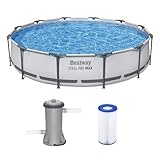
Bestway Steel Pro MAX 12' x 30" Above Ground Swimming Pool Set with Pump | Check Price On Amazon |
|
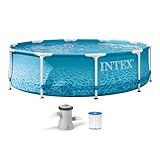
INTEX Beachside Metal Frame 10ft x 30in Round Pool Set w/Pump | Check Price On Amazon |

|
H2OGO! Kids Splash-in-Shade 8-Foot Round Steel Frame Above Ground Pool with Water Mister and Canopy Sunshade, Green Tropical Leaf Print | Check Price On Amazon |
Why Pool Chemistry Changes Drastically During Heat Waves
Water temperatures above 85°F (29°C) accelerate chlorine decomposition by 50-100%, requiring daily testing instead of the typical 2-3 times weekly schedule. Higher temperatures also increase bather load impact, as swimmers seek relief more frequently, introducing more contaminants including sunscreen, sweat, and organic matter that consume available chlorine.
Heat affects chemical reaction rates through basic chemistry principles. Every 10°F temperature increase doubles the rate of chemical reactions, meaning chlorine breaks down twice as fast at 95°F compared to 85°F. This explains why pools that maintained perfect chemistry in spring suddenly struggle during summer heat waves.
Evaporation becomes your biggest challenge during heat waves, removing 0.25-0.5 inches of water daily when temperatures exceed 90°F. Pool thermometers help track temperature changes that directly impact chemical dosing requirements.
| Temperature | Chlorine Loss Rate | Testing Frequency | Shock Frequency |
|---|---|---|---|
| 78-82°F | Normal rate | 2-3 times/week | Weekly |
| 83-88°F | 50% faster | Daily | Every 3-4 days |
| 89-95°F | 100% faster | Twice daily | Every 2 days |
| 95°F+ | 150% faster | Twice daily | Daily |
Essential Water Testing Schedule for Extreme Heat
Test chlorine and pH levels twice daily during heat waves, checking once in early morning (6-8 AM) and again in late afternoon (4-6 PM) when chemical demand peaks. Free chlorine should measure 2.0-4.0 ppm during heat waves, higher than the standard 1.0-3.0 ppm range, while pH must stay between 7.2-7.6 to prevent chlorine inefficiency.
Morning testing reveals overnight chemical consumption and helps set the day’s chemical treatment plan. Afternoon testing shows peak demand impact after bather load and UV exposure have depleted available sanitizer throughout the day.
Use liquid drop test kits instead of test strips during heat waves for accuracy within 0.1 ppm. Test strips lose accuracy above 90°F and can give false readings that lead to improper chemical adjustments.
Total alkalinity requires weekly testing during heat waves, maintaining 80-120 ppm to buffer pH swings caused by rapid chemical additions. Calcium hardness should be checked every two weeks, targeting 200-300 ppm in plaster pools and 175-225 ppm in vinyl pools to prevent equipment damage from scale formation.
Morning Testing Protocol (6-8 AM)
Collect water samples from elbow-depth at the pool’s center, away from return jets and skimmers. Test in order: chlorine first, then pH, then alkalinity if scheduled, recording results before adding any chemicals.
Morning chlorine levels below 1.5 ppm indicate overnight consumption exceeded normal rates. Add chlorine immediately to reach 2.5-3.5 ppm target before afternoon heat and bather load stress the system further.
Afternoon Testing Protocol (4-6 PM)
Retest chlorine levels after peak sun exposure and bather activity to assess chemical consumption rates. Chlorine loss exceeding 1.5 ppm from morning levels signals the need for shock treatment that evening.

- Intelligent Navigation with Full Coverage: Equipped with 11 high-precision sensors and enhanced dual-path algorithms. The optimized WavePath cleaning pattern ensures systematic coverage with minimal overlap, while adaptive navigation analyzes pool layout in real time to eliminate missed spots
- Dual Filtration for Crystal-Clear Water: Advanced dual-layer filtration system features a replaceable 3-micron ultra-fine filter paired with a 180-micron standard filter. Effectively captures fine dust, sand, leaves, and debris for visibly cleaner and healthier pool water
- Comprehensive Pool Cleaning: Engineered to clean the pool floor, walls, waterline, and shallow areas (above 12 inches). The Caterpillar Treads system enhances mobility and climbing ability, ensuring thorough coverage across all pool zones
- Reliable Performance with 2-Year Warranty: Trusted by over 500,000 pool owners worldwide, this robotic pool cleaner delivers consistent, high-performance results. Built for durability and backed by a 2-year warranty and responsive customer support for worry-free ownership
pH drift above 7.8 by afternoon requires immediate correction with muriatic acid or sodium bisulfate before evening chemical additions. High pH reduces chlorine effectiveness by 50% or more, allowing algae growth overnight.
How to Adjust Chemical Dosing for High Temperatures
Increase chlorine additions by 25-50% during heat waves, calculating dosage based on current consumption rather than standard recommendations. For every 5°F above 85°F, add an extra 0.5 ppm of chlorine to your normal daily dose to compensate for accelerated breakdown rates.
Heat wave chemical adjustments require understanding chlorine demand versus chlorine loss. Demand comes from bathers, debris, and organic matter, while loss comes from UV degradation and high temperature breakdown that can consume 2-3 ppm daily in extreme conditions.
Calcium hypochlorite shock works more effectively than liquid chlorine during heat waves because it maintains potency at high temperatures. Apply shock treatments in the evening when temperatures drop below 85°F for maximum effectiveness and to prevent rapid UV degradation.
Heat Wave Chemical Calculation Example:
Normal daily chlorine need: 1-2 ppm
Heat wave adjustment (90°F): +50% = 1.5-3.0 ppm
Bather load increase: +25% = 1.9-3.8 ppm
Safety buffer: +0.5 ppm = 2.4-4.3 ppm total daily addition
For precise chemical adjustments, use our swimming pool chlorine calculator to determine exact chlorine additions based on your pool volume and current readings.
Shock Treatment Frequency During Heat Waves
Shock pools every 2-3 days during heat waves instead of weekly, using 1-2 pounds of shock per 10,000 gallons depending on bather load and debris accumulation. Apply shock after sunset when water temperature drops below 85°F to prevent rapid chlorine loss from UV exposure and heat.
Calculate shock dosage by multiplying normal amounts by 1.5 for temperatures 85-90°F, or by 2.0 for temperatures above 90°F. For a precise calculation that accounts for your pool’s exact volume and desired free chlorine level, use our pool shock calculator. Always dissolve granular shock completely in a bucket before adding to prevent bleaching of pool surfaces.
pH Management in Extreme Heat
Monitor pH more closely during heat waves as rapid chemical additions and increased evaporation cause faster pH fluctuations. Target pH of 7.4 during heat waves provides optimal chlorine effectiveness while preventing equipment corrosion from acidic conditions.
Add alkalinity increaser if levels drop below 80 ppm to stabilize pH bouncing between chemical additions. High alkalinity (120+ ppm) helps buffer pH changes when adding multiple chemicals daily during extreme weather periods.
Equipment Settings for Maximum Efficiency During Heat Waves
Run pool pumps 12-16 hours daily during heat waves instead of the standard 8-10 hours to maintain water circulation and chemical distribution. Continuous circulation prevents hot spots and stagnant areas where algae can establish and multiply rapidly in high temperatures.
Extended pump operation improves chemical mixing and prevents thermal stratification that creates temperature layers with different chemical concentrations. Upper water layers can reach 95°F+ while bottom water stays 10-15°F cooler, creating uneven sanitizer distribution.
Variable speed pumps offer energy savings even with extended run times by operating at lower RPMs throughout the day. Run at 75% speed for general circulation and increase to 100% for 2-3 hours during peak heat (noon-3 PM) for maximum cooling and chemical distribution.
Program pump timers to run continuously from 6 AM to 10 PM during heat wave periods. Night operation at reduced speed (50-60%) maintains circulation while conserving energy when cooling naturally occurs.
Filter Cleaning Requirements
Clean pool filters weekly during heat waves instead of every 2-3 weeks due to increased debris, higher chemical usage, and accelerated algae spore capture. Clogged filters reduce circulation by 30-50%, creating dead spots where water temperature can spike and algae can grow.
Sand filters require backwashing when pressure gauges show 8-10 psi above clean pressure, typically every 5-7 days during heat waves. Cartridge filters need rotation every 3-4 days, keeping spare sets for continuous operation while others dry and cure between cleanings.
Skimmer and Return Jet Optimization
Adjust return jets to create circular water flow patterns that eliminate stagnant corners and hot spots. Point jets downward at 45-degree angles to push hot surface water toward bottom drains for cooling and circulation.
Clean skimmer baskets twice daily during heat waves as increased debris and organic matter can clog baskets within hours. Full skimmer baskets reduce surface skimming by 70%, allowing oils and contaminants to build up and consume chlorine rapidly.
Preventing and Treating Heat-Induced Pool Problems
Algae growth accelerates exponentially in water temperatures above 85°F, with green algae doubling every 3-6 hours under ideal conditions. Maintain chlorine levels above 2.5 ppm consistently to prevent algae establishment, as levels below 2.0 ppm allow rapid algae blooms in hot weather.
Cloudy water during heat waves usually indicates insufficient filtration or chemical imbalance rather than algae growth. Increase pump run time to 16+ hours daily and shock treat with 2-3 pounds per 10,000 gallons to restore clarity within 24-48 hours.
Early Algae Detection and Treatment
Check pool walls and floors daily for algae formation, looking for slippery surfaces, green or yellow tints, and reduced water clarity. Early detection allows treatment with standard shock doses rather than intensive algae killing procedures that consume large amounts of chemicals.
Apply quaternary algaecide as a preventive measure when water temperature exceeds 88°F for more than 3 consecutive days. Use 8-16 ounces per 10,000 gallons weekly during heat waves; for exact dosing, our pool algaecide calculator will give you the precise amount based on your pool’s size.
Hot Water Circulation Problems
Water temperatures above 95°F reduce pump efficiency and can cause circulation issues as water density changes affect hydraulic performance. Monitor pump pressure and flow rates, as circulation can decrease by 10-20% when water temperature exceeds normal operating ranges.
Install wireless thermometers to track temperature variations across different pool areas. Temperature differences greater than 3-4°F between shallow and deep areas indicate poor circulation that needs immediate attention through increased pump operation.
Water Level Management and Evaporation Control
Expect water loss of 0.25-0.5 inches daily during heat waves with temperatures above 90°F and low humidity below 40%. You can estimate your specific evaporation rate using our swimming pool evaporation rate calculator, which considers temperature, humidity, and wind. Monitor water levels twice daily and maintain proper levels to prevent pump cavitation and skimmer air intrusion that reduces filtration efficiency.
Automatic water levelers maintain consistent water levels during heat waves without manual monitoring. Pool auto-fill valves prevent water levels from dropping below skimmer operation range, which can occur within 24-48 hours during extreme evaporation periods.
Add water during early morning hours (6-8 AM) when temperatures are coolest to minimize immediate evaporation loss. Cold fill water also helps reduce overall pool temperature by 1-2°F when added consistently over several days.
Pool Cover Benefits During Heat Waves
Solar covers reduce evaporation by 90-95% but can increase water temperature by 8-15°F during heat waves. Use covers only at night during extreme heat periods to prevent evaporation while allowing daytime cooling through natural heat loss.
Pool shade cloth provides alternative evaporation control while reducing heat gain from direct sunlight. Install temporary shade structures during heat wave forecasts to maintain water temperature below 90°F while reducing chemical consumption by 25-40%.
Chemical Concentration from Evaporation
Rapid evaporation concentrates all dissolved chemicals including chlorine, pH adjusters, and Total Dissolved Solids (TDS). Monitor TDS levels weekly during heat waves, as levels above 2,500 ppm reduce chemical effectiveness and require partial water replacement. Our pool dilution calculator helps determine the exact drain and refill volume needed to lower TDS safely.
Calculate chemical concentration effects by tracking water loss versus chemical additions. Every inch of evaporation without replacement concentrates chemicals by approximately 2-3%, requiring dilution with fresh water to restore proper balance.
Emergency Protocols for Extreme Pool Conditions
Water temperatures exceeding 100°F require immediate cooling measures including adding cold water, providing shade, and stopping all heat-generating equipment. Operate pumps only during cooler hours (6 PM to 10 AM) to prevent further heating from pump motors and circulation friction.
Green water during heat waves requires aggressive treatment with 3-5 pounds of shock per 10,000 gallons applied after sunset. Add pool clarifier or flocculant to speed algae removal and restore water clarity within 48-72 hours.
Critical Temperature Thresholds
Stop pool operation when water temperature reaches 104°F as equipment damage and chemical breakdown accelerate exponentially above this point. Drain 6-12 inches of hot water and replace with cold water to reduce temperature quickly, then resume normal circulation patterns.
Chlorine becomes ineffective above 100°F regardless of concentration due to molecular breakdown and gas-off rates that exceed addition rates. Focus on temperature reduction before attempting chemical balance restoration in extreme heat conditions.
Equipment Protection During Heat Waves
Shield pump motors and control equipment from direct sun exposure using equipment covers or shade structures. Motor temperatures above 120°F can cause thermal overload protection to activate, stopping circulation when it is most needed.
Monitor pump pressure gauges hourly during extreme heat as thermal expansion and chemical precipitation can cause sudden pressure spikes. Clean filters immediately if pressure increases by 5+ psi within 24 hours to prevent equipment damage.
Cost-Effective Chemical Management Strategies
Purchase heat wave chemical supplies in advance including extra shock, liquid chlorine, and pH adjusters as demand increases prices by 20-40% during extended hot periods. Stock 2-3 weeks of supplies before heat wave forecasts to avoid emergency purchases at premium pricing.
Liquid chlorine loses potency rapidly in temperatures above 80°F, degrading by 15-20% weekly in hot storage conditions. Buy liquid chlorine in smaller quantities (2-3 gallons) for immediate use rather than bulk purchases that lose strength before use.
Bulk Chemical Storage During Heat Waves
Store granular chlorine and shock in cool, dry locations below 75°F to prevent degradation and maintain full potency. Chemical storage containers with tight seals prevent moisture absorption that reduces effectiveness by 25-50% in humid heat wave conditions.
Rotate chemical inventory using oldest stock first, as heat wave storage conditions can reduce chemical life from 2-3 years to 6-12 months. Label containers with purchase dates and check for caking or odor changes that indicate degradation.
Alternative Chemical Options for Extreme Heat
Stabilized chlorine tablets maintain effectiveness longer in high temperatures but increase cyanuric acid levels that can inhibit chlorine efficiency above 50 ppm. Test cyanuric acid weekly during heat waves and drain/refill if levels exceed 80 ppm to restore chemical effectiveness.
Salt water chlorine generators provide consistent chlorine production during heat waves but require increased operation time and higher salt levels (3,200-3,600 ppm) to compensate for accelerated chlorine consumption.
Professional vs DIY Considerations for Heat Wave Pool Care
Complex heat wave problems including persistent algae, equipment overheating, or chemical imbalances may require professional pool service with specialized testing equipment and treatment chemicals. Professional intervention costs $150-300 but prevents total pool water replacement costing $2,000-5,000 for large pools.
DIY heat wave management works effectively with proper testing equipment, chemical knowledge, and consistent monitoring schedule. Daily maintenance schedules become critical during extreme weather when normal weekly routines prove insufficient.
When to Call Pool Professionals
Contact professional service when water temperature exceeds 100°F for more than 48 hours despite cooling efforts. Professionals have access to commercial-grade chillers and emergency chemical treatments not available to residential pool owners.
Persistent green water lasting more than 72 hours after shock treatment indicates possible equipment failure or water chemistry issues requiring professional diagnosis. Attempting repeated shock treatments without identifying root causes wastes chemicals and delays effective resolution.
Professional Equipment for Extreme Conditions
Pool service companies use commercial test kits accurate to 0.1 ppm and specialized chemicals including enzyme treatments and metal sequestrants for heat-related problems. They also have access to portable chillers, high-capacity pumps, and filtration systems for emergency pool cooling and cleaning.
Comprehensive maintenance knowledge helps determine when professional intervention provides better value than continued DIY efforts during extreme weather events.
Seasonal Preparation for Future Heat Waves
Install shade structures, upgrade to variable speed pumps, and improve filtration capacity before summer heat wave season to handle extreme conditions effectively. Spring opening procedures should include heat wave preparation steps for pools in climate zones experiencing regular temperature extremes.
Schedule equipment inspections and filter replacements in late spring before heat stress reveals existing problems. Replace aging pump motors, clean heat exchangers, and verify proper water circulation patterns when demand is moderate rather than during emergency heat conditions.
Equipment Upgrades for Heat Wave Resilience
Variable speed pumps provide flexibility to increase circulation during heat waves while maintaining energy efficiency during normal conditions. High-efficiency variable speed pumps can operate 16+ hours daily at reduced costs compared to single-speed pumps running 8-10 hours.
Install additional return jets in dead spots identified during previous heat waves to improve circulation and eliminate hot water pockets. Poor circulation areas become problematic first during temperature extremes and benefit from proactive correction before emergency conditions develop.
Chemical Storage and Inventory Management
Establish climate-controlled chemical storage areas maintaining temperatures below 80°F and humidity below 60% to preserve chemical potency during summer storage periods. Ventilated storage sheds with temperature monitoring prevent chemical degradation that reduces effectiveness when heat wave treatment demands peak chemical performance.
Create heat wave chemical inventory lists including emergency supplies of shock, liquid chlorine, pH adjusters, and algaecides in quantities sufficient for 2-3 weeks of intensive treatment. Early season purchasing avoids supply shortages and price increases during peak demand periods.
Frequently Asked Questions About Heat Wave Pool Care
How often should I test pool water during a heat wave?
Quick Answer: Test chlorine and pH twice daily (morning and afternoon) during heat waves when temperatures exceed 85°F, as high temperatures double chemical consumption rates and accelerate pH fluctuations.
Morning testing (6-8 AM) reveals overnight chemical consumption and sets daily treatment plans. Afternoon testing (4-6 PM) shows peak demand impact after UV exposure and bather loads deplete available sanitizer throughout the day.
Use liquid drop test kits instead of strips for accuracy within 0.1 ppm during heat waves. Test strips lose accuracy above 90°F and can provide false readings leading to improper chemical adjustments that worsen water quality problems.
Why does my pool turn green faster during hot weather?
Quick Answer: Algae growth accelerates exponentially above 85°F, doubling every 3-6 hours in ideal conditions, while chlorine breaks down 50-100% faster, creating perfect conditions for rapid algae blooms within 24-48 hours.
High temperatures reduce chlorine effectiveness through UV degradation and thermal breakdown. Every 10°F increase doubles chemical reaction rates, meaning chlorine decomposes twice as fast at 95°F compared to 85°F.
Maintain chlorine levels above 2.5 ppm consistently during heat waves as levels below 2.0 ppm allow algae establishment. Add preventive algaecide when temperatures exceed 88°F for three consecutive days to create algae-resistant conditions.
How much extra chlorine do I need during heat waves?
Quick Answer: Increase chlorine additions by 25-50% during heat waves, adding an extra 0.5 ppm for every 5°F above 85°F to compensate for accelerated breakdown rates that can consume 2-3 ppm daily.
Calculate based on current consumption rather than standard recommendations. Heat wave conditions require understanding chlorine demand from increased bather loads versus chlorine loss from UV and thermal degradation.
Apply shock treatments every 2-3 days using 1.5-2 times normal amounts for temperatures above 85°F. Always shock after sunset when temperatures drop below 85°F for maximum effectiveness and prevention of rapid UV degradation.
Should I run my pool pump longer during heat waves?
Quick Answer: Run pumps 12-16 hours daily during heat waves instead of 8-10 hours to maintain circulation and chemical distribution, preventing hot spots and stagnant areas where algae multiply rapidly.
Extended operation improves chemical mixing and prevents thermal stratification creating temperature layers with uneven sanitizer distribution. Upper water can reach 95°F while bottom water stays 10-15°F cooler without proper circulation.
Program continuous operation from 6 AM to 10 PM during heat waves. Variable speed pumps can run extended periods efficiently at 75% speed with 100% operation for 2-3 hours during peak heat (noon-3 PM).
What water temperature is too hot for safe swimming?
Quick Answer: Water temperatures above 95°F become uncomfortable for extended swimming, while temperatures exceeding 100°F require immediate cooling measures as chlorine becomes ineffective and equipment damage accelerates exponentially.
Stop pool operation at 104°F and implement emergency cooling including adding cold water, providing shade, and operating pumps only during cooler hours (6 PM to 10 AM). Replace 6-12 inches of hot surface water with cold water for rapid temperature reduction.
Monitor for heat-related health risks including dehydration and overheating. Limit swimming sessions to 15-20 minutes when water exceeds 95°F and ensure adequate hydration before and after pool use.
How much water evaporation is normal during heat waves?
Quick Answer: Expect 0.25-0.5 inches daily water loss during heat waves with temperatures above 90°F and humidity below 40%, requiring twice-daily monitoring to prevent pump cavitation from low water levels.
Evaporation rates double for every 10°F temperature increase and triple with low humidity below 30%. Wind speeds above 5 mph can increase evaporation by additional 25-50% through enhanced surface agitation.
Install automatic water levelers to maintain consistent levels during rapid evaporation periods. Manual filling during early morning hours (6-8 AM) minimizes immediate re-evaporation and helps cool overall pool temperature by 1-2°F.
Can I use pool covers during heat waves to prevent evaporation?
Quick Answer: Solar covers reduce evaporation by 90-95% but increase water temperature by 8-15°F during heat waves, so use only at night to prevent evaporation while allowing daytime cooling.
Covers trap heat during sunny periods, potentially raising water temperature to dangerous levels above 100°F. Remove covers completely during daytime hours when temperatures exceed 90°F for three consecutive days.
Consider shade cloth alternatives that reduce evaporation by 30-50% while blocking heat-generating sunlight. Temporary shade structures prevent temperature spikes while providing modest evaporation control during extreme conditions.
Why does my pH keep rising during hot weather?
Quick Answer: Rapid evaporation concentrates all dissolved chemicals including pH-raising compounds, while increased chemical additions and aeration from extended pump operation drive pH upward during heat waves.
High temperatures accelerate outgassing of carbon dioxide from pool water, causing natural pH rise. Extended circulation and surface agitation from increased pump operation enhances this effect during heat wave periods.
Monitor pH twice daily and maintain 7.2-7.6 range for optimal chlorine effectiveness. Add muriatic acid or sodium bisulfate immediately when pH exceeds 7.8 as high pH reduces chlorine effectiveness by 50% or more.
How do I prevent my pool equipment from overheating?
Quick Answer: Shield pump motors and controls from direct sun using equipment covers or shade structures, as motor temperatures above 120°F activate thermal protection that stops circulation when most needed.
Monitor pump pressure gauges hourly during extreme heat for thermal expansion and chemical precipitation causing sudden pressure spikes. Clean filters immediately if pressure increases 5+ psi within 24 hours to prevent equipment damage.
Operate pumps during cooler hours when possible and ensure adequate ventilation around equipment areas. Install temperature monitoring to track equipment performance and identify overheating before protective shutdowns occur.
Should I shock my pool more often during heat waves?
Quick Answer: Shock every 2-3 days during heat waves using 1.5-2 times normal amounts, applying treatments after sunset when temperatures drop below 85°F for maximum effectiveness and prevention of UV degradation.
Calculate dosage by multiplying normal shock amounts by 1.5 for temperatures 85-90°F or by 2.0 for temperatures above 90°F. Use calcium hypochlorite shock for better stability at high temperatures compared to liquid chlorine.
Always dissolve granular shock completely before adding to prevent surface bleaching. Apply when water temperature is coolest to maximize contact time and chemical effectiveness before thermal breakdown occurs.
What should I do if my pool water reaches 100°F or higher?
Quick Answer: Stop normal operations immediately and begin emergency cooling by adding cold water, providing shade, and running pumps only during night hours as chlorine becomes ineffective above 100°F regardless of concentration.
Drain 6-12 inches of hot surface water and replace with cold water for rapid temperature reduction. Focus on cooling before attempting chemical balance restoration as chemicals break down faster than they can be added at extreme temperatures.
Contact professional pool service if temperature exceeds 100°F for more than 48 hours despite cooling efforts. Professionals have access to commercial chillers and emergency treatment protocols for extreme temperature conditions.
How can I reduce chemical costs during extended heat waves?
Quick Answer: Purchase supplies before heat wave forecasts as demand increases prices 20-40%, store chemicals below 75°F to prevent degradation, and use stabilized products that maintain effectiveness longer in high temperatures.
Buy liquid chlorine in smaller quantities (2-3 gallons) for immediate use as it degrades 15-20% weekly in hot storage conditions. Stock 2-3 weeks of supplies including shock, pH adjusters, and algaecides before peak demand periods.
Consider salt water systems for consistent chlorine production during heat waves, though they require increased operation time and higher salt levels (3,200-3,600 ppm) to compensate for accelerated consumption rates.
Effective heat wave pool management requires increased vigilance, modified chemical protocols, and equipment optimization to maintain water quality when temperatures exceed normal operating ranges. Following these tested procedures helps prevent costly water replacement and equipment damage while ensuring safe, enjoyable swimming conditions throughout extreme weather periods.
Start preparing for heat wave conditions during spring equipment startup rather than waiting for temperature emergencies. Proper seasonal maintenance and advance planning provide the foundation for successful heat wave management that protects your investment and maintains water quality regardless of weather extremes.
| Photo | Best Above-Ground Pools | Price |
|---|---|---|
|
|
Bestway Steel Pro MAX 12' x 30" Above Ground Swimming Pool Set with Pump | Check Price On Amazon |
|
|
INTEX Beachside Metal Frame 10ft x 30in Round Pool Set w/Pump | Check Price On Amazon |
|
|
H2OGO! Kids Splash-in-Shade 8-Foot Round Steel Frame Above Ground Pool with Water Mister and Canopy Sunshade, Green Tropical Leaf Print | Check Price On Amazon |