
A pool liner that looks fine from the deck can be losing a quarter inch of water per day through pinhole leaks you cannot see. That adds up to over 1,200 gallons per month in a 20,000-gallon pool, driving up your water bill and chemical costs before you notice a single visible tear.
Vinyl pool liners do not fail all at once like a burst pipe. They degrade in stages, and catching the signs early means the difference between a simple patch job and a full replacement that costs $2,500 to $4,500 for an inground pool. This guide covers every sign that your liner is reaching the end of its service life, from the obvious tears to the subtle chemical changes most pool owners miss.
| Photo | Best Above-Ground Pools | Price |
|---|---|---|
|
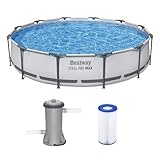
Bestway Steel Pro MAX 12' x 30" Above Ground Swimming Pool Set with Pump | Check Price On Amazon |
|
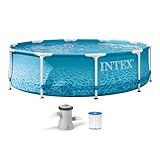
INTEX Beachside Metal Frame 10ft x 30in Round Pool Set w/Pump | Check Price On Amazon |

|
H2OGO! Kids Splash-in-Shade 8-Foot Round Steel Frame Above Ground Pool with Water Mister and Canopy Sunshade, Green Tropical Leaf Print | Check Price On Amazon |
By the Numbers
Pool Liner Replacement: What the Data Shows
Sources: Pool & Hot Tub Alliance, industry installer surveys, manufacturer warranty data
What Is a Pool Liner and Why Does It Fail?
A pool liner is a custom-fabricated sheet of vinyl, typically 20 to 30 mil thick (0.020 to 0.030 inches), that forms the waterproof barrier between the pool water and the structural walls, which are usually made of steel, polymer, or sand. The liner does not provide structural support. It serves one function: keeping water inside the pool.
Vinyl liners fail for three primary reasons: UV degradation, chemical damage from imbalanced water, and physical wear. UV radiation breaks down the plasticizers that keep vinyl flexible. Low pH below 7.0 strips plasticizers from the vinyl surface, causing brittleness. High chlorine concentrations above 5 ppm accelerate oxidation of the liner material. Physical damage comes from sharp objects, pool cleaner wheels, or even the repeated stress of thermal expansion and contraction across seasons.
According to the Pool & Hot Tub Alliance technical manual, vinyl liner plasticizer loss accelerates when the pool water temperature exceeds 85 degrees Fahrenheit combined with free chlorine levels above 3 ppm for extended periods. This specific combination causes micro-fractures in the vinyl surface long before visible cracks appear.
The mechanism behind liner degradation happens at the molecular level. Vinyl liners contain phthalate-based plasticizers embedded between polymer chains. These plasticizers allow the vinyl to flex without cracking. Heat and chlorine together extract those plasticizers from the material. This only occurs when water temperature stays above 85 degrees Fahrenheit with sustained chlorine above 3 ppm. If plasticizer loss reaches roughly 40 percent of original content, the result is a brittle liner that cracks under normal water pressure. Fix it by maintaining cyanuric acid levels at 30-50 ppm outdoors to buffer chlorine’s oxidative effect on vinyl and keeping pH between 7.2 and 7.6.
Fading and Bleaching: The First Warning Sign Most Owners Miss
A faded pool liner is not just an aesthetic issue. Fading indicates that UV radiation and chemical exposure have stripped plasticizers from the vinyl surface, and that same degradation is happening deeper in the material where you cannot see it.
Vinyl liners fade in two distinct patterns. UV fading creates an even, overall color loss, most visible on the top step, shallow end, and any sun-facing walls. Chemical fading creates patchy white or bleached spots directly below where chlorine tablets float or where granular shock settles on the liner floor. If you see white blotches on your liner floor directly under the return jets, that is from concentrated chlorine hitting the vinyl before it disperses, and those spots are now thinner and weaker than the surrounding material.
The sun-facing side of an inground vinyl liner typically fades 50 to 70 percent faster than shaded walls. A liner that was dark blue when installed may appear light gray-blue after 6 to 8 years on the southern exposure side while still holding decent color on the northern end. This uneven fading tells you the liner material is losing plasticizer at different rates in different zones.

- Intelligent Navigation with Full Coverage: Equipped with 11 high-precision sensors and enhanced dual-path algorithms. The optimized WavePath cleaning pattern ensures systematic coverage with minimal overlap, while adaptive navigation analyzes pool layout in real time to eliminate missed spots
- Dual Filtration for Crystal-Clear Water: Advanced dual-layer filtration system features a replaceable 3-micron ultra-fine filter paired with a 180-micron standard filter. Effectively captures fine dust, sand, leaves, and debris for visibly cleaner and healthier pool water
- Comprehensive Pool Cleaning: Engineered to clean the pool floor, walls, waterline, and shallow areas (above 12 inches). The Caterpillar Treads system enhances mobility and climbing ability, ensuring thorough coverage across all pool zones
- Reliable Performance with 2-Year Warranty: Trusted by over 500,000 pool owners worldwide, this robotic pool cleaner delivers consistent, high-performance results. Built for durability and backed by a 2-year warranty and responsive customer support for worry-free ownership
Fading becomes a replacement concern, not just a cosmetic one, when the faded area feels noticeably rougher or stiffer than less-faded sections. Run your hand across a faded patch and a less-faded patch. If the faded area feels like sandpaper compared to the smoother darker area, the plasticizer loss is advanced enough that the vinyl will crack under stress within one to two seasons.
Chemical bleaching from tablets or shock granules creates weak spots that are thinner than the surrounding liner. A standard 20-mil liner bleached by chlorine tablets can thin to the equivalent of 12 to 14 mil in those spots. That is below the minimum thickness needed to resist puncture from a pool brush or an automatic cleaner wheel.
For outdoor pools, cyanuric acid at 30 to 50 ppm buffers chlorine’s oxidative effect on vinyl. Indoor pools without UV exposure need lower chlorine levels, typically 1 to 2 ppm, because there is no UV to degrade excess chlorine and all of it stays available to attack the liner material.
For most pools with fading beyond the cosmetic stage, the liner has 2 to 3 usable seasons remaining before cracks or tears appear. If you can feel texture differences between faded and non-faded areas, start budgeting for replacement.
Wrinkles That Keep Coming Back: Structural Problems Under the Liner
Wrinkles in a vinyl liner fall into two categories: installation wrinkles that appear in the first season and stay put, and progressive wrinkles that appear years later and keep multiplying. The second type signals trouble underneath the liner that a patch cannot fix.
Progressive wrinkles mean the liner is moving. Pool liners are designed to stay stationary against the pool walls and floor. When wrinkles form after years of being flat, something is causing the vinyl to shift or stretch. The most common cause is groundwater pressure pushing up from below the pool floor. Hydrostatic pressure builds when the water table rises after heavy rain or snowmelt and has no relief path. The water pushes the liner upward, creating a bubble or series of wrinkles radiating from the center.
This happens because water is denser than air and seeks the path of least resistance. If the pool shell sits in a high water table area with no functioning hydrostatic relief valve, groundwater pressure of just 1 to 2 PSI can lift a liner. This only occurs when the surrounding soil becomes saturated, typically after sustained rainfall exceeding 3 inches in 48 hours in clay-heavy soils. If groundwater lifts the liner repeatedly, the result is permanent stretching of the vinyl and wrinkles that will never fully flatten, even after draining and resetting the liner. Fix it by installing or clearing the hydrostatic relief valve in the main drain sump before a replacement liner goes in.
Wrinkles also form when a liner loses elasticity with age. A 12-year-old liner has lost a significant portion of its plasticizer content. It no longer contracts fully when the water temperature drops in fall. Each winter, the liner stays slightly more stretched than the year before. By spring, wrinkles appear where the excess material has nowhere to go. If you can push a wrinkle flat with your pool brush but it rebounds immediately, the liner has lost its elastic memory. That liner is at end of life.
Measure wrinkle progression season over season. Take photos from the same angle each spring at opening. If wrinkles are larger or more numerous than the previous year, the liner is actively failing. Budget for replacement within 18 months.
Cracks, Tears, and Holes Above the Waterline
Tears above the waterline are the most urgent replacement signal because they will only grow. Vinyl above the waterline receives maximum UV exposure with no water behind it for support. It dries out faster, loses plasticizer faster, and cracks faster than any other part of the liner.
Cracking starts at stress points: corners, stair gaskets, light niches, return jet flanges, and skimmer faceplates. The vinyl around a skimmer opening flexes slightly with every wave and every time someone grabs the skimmer lid. Over 10 years, that is thousands of micro-flexes on vinyl that is steadily losing its ability to flex. A crack at the corner of the skimmer faceplate is the single most common above-waterline failure and almost always means replacement, because the tear extends behind the faceplate where it cannot be patched.
A tear at the bead track, where the liner meets the coping, is a structural failure of the liner’s attachment system. The bead is designed to hold the entire weight of the liner pulling downward. When the vinyl tears just below the bead, the liner is separating from the wall. That section of liner can drop several inches within hours if the tear propagates. A bead-track tear longer than 3 inches cannot be reliably patched because the weight of the water pulls the patch apart within days.
Small holes from a pool brush or vacuum head are patchable if they are in the flat field of the liner, away from seams and corners. A vinyl pool liner patch kit with underwater adhesive can seal holes up to 1 inch in diameter for several seasons if applied correctly. The key is cutting the patch with rounded corners: square corners peel up within weeks.
For larger tears or tears at seams, a heavy-duty pool liner repair tape can buy a season, but it is a temporary measure. Seam tears put tension on the repair that adhesive alone cannot hold long-term. If a seam tear is longer than 4 inches, start planning for replacement.
Bead Track Separation: When the Liner Pulls Loose
Bead track separation happens when the liner’s attachment bead pulls out of the track along the top of the pool wall. Once it starts, it spreads. A 2-foot section of pulled bead can become a 10-foot section within a week as the weight of the liner transfers to adjacent attachment points.
This failure is most common in pools older than 12 years where the liner has shrunk slightly from plasticizer loss. As the vinyl shrinks, it pulls inward on the bead with increasing tension. The bead itself may still be intact, but the track or the coping that holds the track may have corroded, especially in steel-wall pools where rust has weakened the receiver channel.
You can temporarily reseat a pulled bead using a liner bead lock tool and hot water to soften the vinyl. Pour water heated to roughly 160 degrees Fahrenheit over the pulled section, then work the bead back into the track with the tool. This fix typically holds for one season if the bead is intact and the track is not corroded.
If the bead itself has torn or the track is rusted through, the liner must be replaced. A bead tear means the liner’s entire attachment system has failed at that point. No adhesive or clamping system can permanently reattach a torn bead under the constant 24/7 load of a full pool.
Inspect the bead track during every opening and closing. Run your fingers along the track feeling for rust flakes, gaps, or sections where the bead sits looser than surrounding areas. A screwdriver should not be able to fit between the bead and the track anywhere along the perimeter.
Buying Guide
Before You Inspect: Pool Liner Assessment Checklist
Check off each point during your inspection. If you check more than 5, start planning for replacement.
Leaks and Unexplained Water Loss: The Silent Liner Killer
A pool that loses more than a quarter inch of water per day, after accounting for evaporation, has a leak somewhere. The most common leak source in a vinyl liner pool is not the plumbing. It is the liner itself, and the most common leak location is at fittings, seams, and the floor-wall junction.
Conduct a bucket test before you do anything else. Place a 5-gallon bucket on the pool step, weighted with a brick, and fill it with pool water to match the pool’s water level exactly. Mark both the pool water level and the bucket water level with tape. After 24 hours, if the pool level has dropped more than the bucket level, you have a leak that is not evaporation. A difference of half an inch means you are losing approximately 170 gallons per day in a 16×32 rectangular pool. To precisely calculate your pool’s volume and the gallons lost, use our Pool Volume Calculator.
Once you confirm a leak, use a pool leak detection dye kit to find the source. With the pump off and water completely still, squirt a small amount of dye near suspected leak points: the base of the ladder, around return jet flanges, along the skimmer faceplate seam, at the light niche ring, and at any visible tear or puncture. If the dye streams toward a point and disappears, you have found the leak.
Leaks at fittings often mean the gasket behind the fitting has failed, not just the liner. When you tighten a return jet faceplate or a light ring and the leak persists, the liner may have stretched or torn around the fitting opening, and the gasket can no longer seal. This type of leak requires pulling the fitting and inspecting the liner behind it, which may reveal a tear that extends beyond the flange footprint.
A liner leak at the floor-wall junction, where the vertical wall meets the horizontal floor, is the hardest to patch effectively. This seam is under constant tension from the water weight pressing down on the floor and outward on the walls. A patch at this junction sits at a 90-degree bend and tends to peel within weeks. If your dye test shows a leak at the floor-wall seam longer than 2 inches, the liner is a candidate for replacement, especially if the pool is over 8 years old.
For a comprehensive understanding of what full liner replacement involves and what it costs, our guide to inground pool liner replacement walks through every step of the process from draining to filling, including what to expect from installers.
Stains That Resist All Treatment: Chemical Damage Locked Into the Vinyl
Organic stains from leaves and algae respond to chlorine and brushing. Metal stains from iron, copper, or manganese respond to ascorbic acid or sequestrant treatments. Stains that remain after both treatments have penetrated into the vinyl itself, not just onto the surface.
Metal stains are the most common permanent liner stains. Iron in fill water, often present at 0.3 ppm or higher in well water, reacts with chlorine to form ferric oxide particles that embed in the vinyl pores. Over years, these particles oxidize further and become rust-colored stains that no amount of brushing or chemical treatment removes. The stain is inside the vinyl, not on it.
Copper stains from algaecide overuse or from a heater with a failing copper heat exchanger appear as blue-green or turquoise blotches. Copper ions bond directly to the vinyl polymer structure at a molecular level. Once bonded, sequestering agents in the water cannot reach them. The only fix is replacement.
If you have a stain that has survived an ascorbic acid treatment (1 to 2 lbs per 10,000 gallons, applied with the pump running and pH lowered to 7.0), followed by a metal sequestrant treatment to bind remaining metals, and the stain remains, the vinyl itself is permanently discolored. You can mask it temporarily with stain covers or vinyl paint, but those are seasonal fixes. The stain will reappear as the coating wears off.
Organic staining that persists after a chlorine shock at 10 ppm for 24 hours suggests the stain has worked into micro-cracks in the vinyl surface. Older liners develop a network of microscopic surface cracks from plasticizer loss, and organic matter settles into these cracks where normal chlorine levels cannot reach. A liner with widespread organic staining that will not lift after two shock treatments has surface degradation too advanced for chemical cleaning.
Brittleness: The End-Stage Symptom Before Catastrophic Failure
Brittle vinyl is liner end-of-life. A healthy vinyl liner has a slight give when pressed. The material feels supple, similar to a heavy-duty shower curtain. A brittle liner feels stiff and papery. When you press on it, it crackles slightly instead of giving silently.
Test brittleness every season by running your thumb firmly across an above-waterline section of liner, ideally in a corner or near a fitting where plasticizer loss is most advanced. If the surface feels powdery or chalky, and your thumb leaves a slight white residue, the top layer of vinyl is oxidizing. This is stage one of brittleness. Stage two is when the material cracks audibly when flexed. Stage three is spontaneous cracking without any flexing at all. If your liner is at stage two, it will not survive another winter.
Cold weather is the brittleness test that matters most. Vinyl that feels moderately stiff at 75 degrees Fahrenheit becomes dangerously brittle at 45 degrees Fahrenheit. A liner that survives summer without cracking can shatter in fall when temperatures drop. This is why most catastrophic liner failures happen in October and November, not in July. The combination of cold-induced brittleness and the additional stress of closing the pool and lowering the water level pushes an aged liner past its breaking point.
A digital pool water test kit that measures pH to within 0.1 units is your best defense against the chemical conditions that accelerate brittleness. Keeping pH between 7.2 and 7.6 year-round, with no excursions below 7.0, extends liner life significantly. A single winter with pH below 7.0 for more than 3 weeks can shorten liner life by 2 to 3 years.
Pool owners who notice their liner turning brittle should understand cost realities early. Our breakdown of pool liner replacement costs for both above-ground and inground pools covers pricing by pool size and liner thickness so you can budget accurately before the failure happens.
Step-by-Step Guide
How to Inspect Your Pool Liner for Replacement Signals
5 steps · 30-45 minutes total
Check Above-Waterline Condition First
Run your hand along the liner above the waterline at every corner, stair gasket, and fitting. Feel for roughness, chalkiness, or any area that feels stiffer than the surrounding vinyl.
Inspect the Bead Track All the Way Around
Walk the entire perimeter with a flashlight. Push gently on the liner just below the coping every few feet. Any movement or gap means the bead is loosening.
Check the Floor With a Mask and Good Light
Put on a dive mask and inspect the liner floor in full sun or with a bright underwater light. Look for pinholes, thin spots where the pattern is faded, and any area that appears lighter or whiter than the rest.
Run the Bucket Test for Leak Confirmation
Fill a 5-gallon bucket to match the pool water level, place it on the pool step, and mark both levels. Measure the difference after 24 hours with the pump off.
Compare to Last Year’s Photos
Pull up photos from the same angle taken last season. Compare wrinkle count, stain size, and color depth. Document everything with new photos for next year’s comparison.
Age Alone: When a Liner Is Too Old Even If It Looks Fine
A vinyl pool liner that is 12 years old or older is on borrowed time, even if it shows no visible signs of failure. The plasticizer loss that causes brittleness accelerates in years 10 through 15 as the remaining plasticizer migrates to the surface and leaches into the water. By year 12, a liner in an outdoor pool in a climate with 90-plus-degree summer days has lost roughly 60 percent of its original plasticizer content.
The most deceptive scenario is the pool that was closed for several years and then reopened. The liner may look good above the waterline because it sat dry and unexposed to chlorine. But the portion that remained underwater has been in contact with whatever water chemistry developed during the idle period, and the vinyl below the waterline may be significantly more degraded than the visible above-waterline areas. Never judge a liner’s condition by what you can see from the deck alone.
A liner that has reached its age limit will fail at the worst possible time: during a heat wave when the pool is in heavy use, or during a cold snap when the vinyl is most brittle. The failure mode is typically a seam split or a large floor tear that cannot be patched. The pool drains partially or completely, and you face an emergency replacement with no time to get multiple quotes.
If your liner is 12 years old or older and you are spending more than $200 per season on patches, chemicals to fight staining, or water to top off unexplained loss, you are paying for the replacement in installments without getting the benefit of a new liner. Start the replacement cost research process now so you can schedule the work during the off-season when installers offer better availability and pricing. For an instant cost estimate, use our Pool Liner Cost Calculator.
Myth vs Fact
Pool Liner Replacement: Common Myths Debunked
Separating fact from fiction on the most common pool liner misconceptions
Myth
A thick liner (27-30 mil) will last significantly longer than a standard 20-mil liner.
Fact
Liner longevity depends on plasticizer quality and water chemistry, not just thickness. A 20-mil liner with chemistry kept at pH 7.2-7.6 and CYA 30-50 ppm will outlast a 30-mil liner exposed to pH below 7.0 for months. Thickness adds puncture resistance but does not stop chemical degradation of plasticizers.
Myth
You can drain a vinyl liner pool completely for cleaning or repairs without damaging the liner.
Fact
Draining a vinyl liner pool completely will cause the liner to shrink and pull away from the walls. Once a liner shrinks, it will not stretch back to its original dimensions. Never drain below the top step without professional guidance. Even partial draining requires leaving at least 12 inches of water in the shallow end.
Myth
A small tear above the waterline is just a cosmetic issue that can wait until next season.
Fact
Above-waterline tears propagate downward under gravity and wave action. A 1-inch tear at the skimmer corner becomes a 6-inch tear within weeks as water movement works the vinyl. Once the tear reaches the waterline, the pool will drain to that level. Patch above-waterline tears immediately.
Myth
Once a liner starts showing wrinkles, it is already too late and must be replaced immediately.
Fact
Installation wrinkles that appear in the first season and stabilize are harmless. Progressive wrinkles that multiply year over year signal active liner movement or stretching. If wrinkles are not increasing in size or number, the liner can last several more seasons. Document them annually to track progression.
Myth
Using a winter cover eliminates UV exposure, so liners under covers do not degrade during the off-season.
Fact
The water itself degrades the liner during winter. If pH drifts below 7.0 under the cover, the acidic water attacks the vinyl continuously for months with zero circulation to distribute buffering chemicals. Spring opening reveals liner damage that happened entirely during the covered winter period. Test and adjust pH before closing.
Can I Patch a Pool Liner Instead of Replacing It?
You can patch holes up to 1 inch in diameter in the flat field of the liner, away from seams, corners, and fittings, using a vinyl liner patch kit with underwater adhesive. Patches in these locations reliably hold for 3 to 5 years when applied correctly: cut the patch with rounded corners, apply adhesive to both surfaces, and press firmly for 2 minutes while the bond sets.
Patches at seams, corners, stairs, or within 2 inches of fittings fail within weeks to months because these locations experience constant tension from water weight and thermal movement. If your leak or tear is in one of these high-stress zones, patching is a temporary measure only. Budget for replacement within one season.
How Long Does a Pool Liner Typically Last?
A vinyl pool liner lasts 10 to 15 years on average, with the range determined primarily by water chemistry management. Liners in pools where pH stays between 7.2 and 7.6 and free chlorine stays between 1 and 3 ppm regularly reach 14 to 15 years. Liners in pools with frequent pH excursions below 7.0 or chlorine spikes above 5 ppm rarely reach 10 years before cracking or tearing.
Above-ground pool liners typically last 8 to 12 years because the liner is exposed to more UV on the outer wall and because above-ground pools experience wider temperature swings that stress the vinyl through repeated expansion and contraction. Inground liners are buffered by the surrounding earth and last 12 to 15 years on average.
Quick Reference
Pool Liner Terms Explained
Key terms used throughout this guide
The receiver channel at the top of the pool wall where the liner’s bead edge locks in. Also called coping track or liner track.
Measurement of vinyl thickness: 1 mil equals 0.001 inch. Standard liners are 20 mil. Premium liners reach 27-30 mil.
Chemical additive that keeps vinyl flexible. Plasticizer loss from UV and chlorine exposure causes liner brittleness.
When groundwater pressure pushes the liner upward off the pool floor, creating bubbles or wrinkles under the water.
The heat-fused joint where two vinyl panels meet. Factory seams are stronger than field seams. Seam failure is a common leak point.
The cap or edging at the top of the pool wall that covers the bead track and provides the finished edge around the pool.
A layer of fine talc powder applied between the liner and the pool wall or floor during installation to reduce friction and prevent pinholes.
A liner style where excess vinyl folds over the pool wall top and is secured with coping strips. Common on above-ground pools.
A liner style with a barbed edge that snaps into a track at the top of the pool wall. Standard for most inground vinyl pools.
Another term for vinyl thickness, borrowed from metal sheet measurement. Higher gauge numbers actually mean thinner vinyl in some rating systems.
What Happens If I Wait Too Long to Replace My Liner?
A catastrophic liner failure can drain a 20,000-gallon pool in under 4 hours if the tear propagates across the floor. The water escaping through a large floor tear erodes the sand or vermiculite base under the liner, creating a washout that requires base reconstruction before a new liner can be installed. That adds $1,500 to $3,000 to the replacement cost for floor repair that would not have been needed if the liner had been replaced before failure.
Water from a burst liner can flood adjacent structures, including basements, crawl spaces, and landscaping. Pool water containing chlorine and other chemicals damages foundation plantings and can seep into basement walls if the pool is within 20 feet of the house. The cost of water damage remediation often exceeds the cost of the liner replacement itself.
Is a Leaking Pool Liner Dangerous for Swimmers?
A leaking liner creates a suction hazard at the leak point. If a swimmer’s hair, clothing, or body part contacts a significant leak, the water pressure differential can trap them against the opening. This hazard is most acute with larger tears rather than pinhole leaks, but any active leak creates a pressure differential that did not exist when the liner was intact.
A leaking liner also allows pool water to contact the steel wall panels behind the vinyl. Chlorinated water against steel causes rapid corrosion. Within 6 months of an active leak behind the liner, steel walls can rust through in spots, creating sharp edges that puncture the liner further and compromise the pool’s structural integrity. What started as a $50 patch job becomes a $12,000 wall replacement.
Why Does My Pool Liner Keep Getting Wrinkles After I Smooth Them Out?
Wrinkles that return after smoothing indicate the liner has stretched permanently and can no longer fit the pool shell tightly. Vinyl liners have a limited amount of elastic recovery. Once stretched beyond that limit, which typically happens around year 8 to 10 of the liner’s life, the excess material has nowhere to go except into wrinkles. Smoothing them with a pool brush or plunger redistributes the excess material temporarily, but it migrates back into wrinkles within days.
If wrinkles are accompanied by water loss, the likely cause is a leak washing out the sand base under the liner. As the sand erodes, the liner settles into the void, creating wrinkles while simultaneously losing water. This is a compounding failure: the leak causes the wrinkles, and the wrinkles stress the vinyl at the fold points, creating more leaks.
Can I Replace a Pool Liner Myself?
Above-ground pool liner replacement is a realistic DIY project for someone with basic construction skills, a helper or two, and 1 to 2 full days. The liner for a 24-foot round above-ground pool costs $200 to $500, and the process involves draining the pool, removing the old liner, addressing any wall rust, and installing the new liner with coping strips. Expect to spend 6 to 8 hours and save $800 to $1,200 in labor compared to professional installation.
Inground pool liner replacement is not a DIY project. The liner must be custom-measured and fabricated to within a quarter inch tolerance across multiple dimensions. Installation requires a vacuum system to pull the liner tight against the walls while it is filled. Professional inground liner replacement costs $2,500 to $4,500 including labor for a standard 16×32 pool. Attempting this as a DIY project typically results in a wrinkled, ill-fitting liner that fails within 2 to 3 years.
For a detailed breakdown of the replacement process, timelines, and what to expect from professional installation, see our complete guide to inground pool liner replacement cost and process.
What Is the Difference Between a Full Liner Replacement and a Patch Job?
A patch job addresses a single point of failure on a liner that is otherwise structurally sound. It costs $10 to $30 for materials and 15 minutes of time. The patch covers the hole but does nothing for the surrounding vinyl, which continues to age at the same rate. A full replacement replaces the entire waterproof barrier with new vinyl that has its full complement of plasticizers and a new warranty of 20 to 25 years prorated.
Patching makes economic sense when the liner is under 8 years old, the damage is in the flat field away from seams and fittings, and there is only one or two damaged spots. Replacement makes sense when the liner is over 10 years old, damage is at seams or fittings, or there are multiple leaks and stains that indicate material-wide degradation. The rule of thumb: if you have patched more than three times in one season, the liner is telling you it is done.
How Much Water Do I Lose Before I Know the Liner Is Leaking?
Evaporation in a typical residential pool accounts for a quarter inch to a half inch of water loss per day, depending on temperature, humidity, and wind. Any loss above a half inch per day, after confirming with the bucket test, indicates a leak. A quarter inch per day loss that persists through cool, humid weather when evaporation should be minimal also signals a leak. You can get a location-specific evaporation estimate using our Swimming Pool Evaporation Rate Calculator.
A pinhole leak of just 1/32 inch diameter loses approximately 170 gallons per day at typical pool pressure. That is 5,100 gallons per month, or roughly 25 percent of a 20,000-gallon pool’s volume. You will notice this on your water bill long before you see any visible damage. If your water bill spikes without explanation during pool season, run the bucket test before assuming a meter error.
Pool safety goes beyond the liner itself. If your liner is aging and you are concerned about overall pool integrity, our guide to the best pool alarms for doors, surfaces, and wearable options covers safety systems that provide peace of mind regardless of your liner’s condition.
Why Did My New Liner Fade After Only Two Seasons?
Rapid fading in a liner under 3 years old points to a chemical problem, not a manufacturing defect. Free chlorine consistently above 5 ppm, combined chlorine (chloramines) buildup indicating inadequate shock treatment, or cyanuric acid levels above 100 ppm that force you to maintain higher chlorine to achieve sanitization all accelerate fading dramatically.
Test your cyanuric acid level immediately if a young liner is fading. Above 100 ppm CYA, chlorine is so stabilized that you need free chlorine at 7.5 to 10 ppm to achieve the same sanitizing power as 2 to 3 ppm at 30 to 50 ppm CYA. Those elevated chlorine levels attack the liner pigment and plasticizers. Partial drain and refill to bring CYA back to 30 to 50 ppm, then maintain chlorine at 2 to 3 ppm.
Which Is Better for Longevity: Darker or Lighter Pool Liners?
Darker liners absorb more solar radiation and heat up faster, which accelerates plasticizer loss in the vinyl. A dark blue or black liner in full sun can reach surface temperatures 15 to 20 degrees Fahrenheit higher than a light blue or white liner in the same conditions. That temperature differential translates to roughly 2 to 3 years of lost lifespan over the liner’s service life in southern climates.
Lighter liners reflect more UV and stay cooler, preserving plasticizers longer. However, lighter liners show staining more visibly, which can lead owners to use more aggressive chemical treatments that damage the vinyl. The best choice for longevity is a medium-tone liner with a pattern that disguises minor staining, combined with disciplined water chemistry that never exceeds 3 ppm free chlorine. When you’re ready to select a new liner, explore designs with our Pool Liner Design Visualizer.
Can I Use a Regular Patch Kit on Any Type of Pool Liner?
Vinyl liner patch kits are designed specifically for PVC-vinyl pool liners and use a solvent-based adhesive that chemically welds the patch to the liner. Standard PVC pipe cement or household adhesives will not bond correctly to the plasticized vinyl used in pool liners and will peel within hours or days. Use only pool-specific vinyl liner patch kits with the adhesive included in the package.
Fiberglass pools do not use vinyl liners and require an entirely different repair process. For information on maintaining and repairing non-vinyl pool surfaces, our pool resurfacing guide covers costs, processes, and timing for plaster, pebble, and fiberglass pool refinishing.
How Do I Know If the Leak Is in the Liner or the Plumbing?
Isolate the plumbing by plugging all returns, the skimmer, and the main drain, then run the bucket test with the pump off for 48 hours. If the water loss stops when the plumbing is isolated, the leak is in the plumbing. If the loss continues at the same rate, the leak is in the liner. A loss rate that slows but does not stop indicates leaks in both the liner and the plumbing.
Dye testing at the fittings with the pump running helps identify suction-side plumbing leaks. If dye near a skimmer or main drain is pulled in with the pump on but not with the pump off, you have a plumbing leak at that fitting rather than a liner issue. Plumbing leaks at fittings often start because the liner around the fitting has deteriorated, allowing water to bypass the gasket and enter the plumbing joint.
A vinyl pool liner does not need to fail catastrophically to cost you money and peace of mind. The slow leaks, the creeping wrinkles, and the stains that will not lift are the liner telling you it has reached the end of its serviceable life. Listen to those signals early and you can schedule replacement on your terms, during the off-season, with competitive quotes from multiple installers.
Most pool owners wait too long, chasing patches and chemical fixes until the liner fails completely. You now know every sign that matters. Inspect your liner this weekend. Take photos. Run the bucket test if you suspect a leak. And if your liner checks too many boxes on the replacement checklist, start getting quotes now rather than during the spring rush when every installer is booked 8 weeks out.
| Photo | Best Above-Ground Pools | Price |
|---|---|---|
|
|
Bestway Steel Pro MAX 12' x 30" Above Ground Swimming Pool Set with Pump | Check Price On Amazon |
|
|
INTEX Beachside Metal Frame 10ft x 30in Round Pool Set w/Pump | Check Price On Amazon |
|
|
H2OGO! Kids Splash-in-Shade 8-Foot Round Steel Frame Above Ground Pool with Water Mister and Canopy Sunshade, Green Tropical Leaf Print | Check Price On Amazon |