
Pool algae comes in several distinct types that require specific treatment approaches for effective removal. Green algae responds to shock chlorination and algaecide within 24-48 hours, while black algae demands aggressive brushing, triple-dose chlorine shock, and specialized algaecides containing at least 30% active ingredients. Yellow (mustard) algae requires immediate filtration system cleaning and concentrated algaecide treatment, as it rapidly spreads through pool equipment and can survive standard chlorination levels.
Understanding algae types prevents costly treatment mistakes that waste time and chemicals. Each algae variety has unique growth patterns, resistance levels, and preferred pool conditions that determine the most effective elimination strategy.
| Photo | Best Above-Ground Pools | Price |
|---|---|---|
|
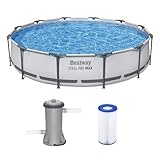
Bestway Steel Pro MAX 12' x 30" Above Ground Pool, Round Metal Frame Outdoor Swimming Pool Set with Filter Pump & Type III A/C Cartridge, Gray | Check Price On Amazon |
|
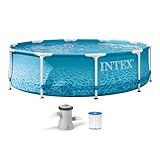
INTEX 28207EH Beachside Metal Frame Above Ground Swimming Pool Set: 10ft x 30in – Includes 330 GPH Cartridge Filter Pump – Puncture-Resistant Material – Rust Resistant – 1185 Gallon Capacity | Check Price On Amazon |

|
H2OGO! Kids Splash-in-Shade 8-Foot Round Steel Frame Above Ground Pool with Water Mister and Canopy Sunshade, Green Tropical Leaf Print | Check Price On Amazon |
What Is Pool Algae and Why Does It Form?
Pool algae consists of microscopic plant organisms that multiply rapidly in water containing nutrients, inadequate sanitization, and favorable growing conditions. These single-celled organisms feed on phosphates, nitrates, and organic matter while thriving in pH levels above 7.6 and chlorine concentrations below 1.0 ppm. Algae growth accelerates exponentially, with populations doubling every 3-6 hours under optimal conditions of warm temperatures (above 85°F), sunlight exposure, and poor water circulation.
Three primary factors create algae-friendly environments: insufficient sanitizer levels, imbalanced water chemistry, and inadequate filtration. Poor circulation creates dead zones where algae colonies establish and multiply without chemical interference. High phosphate levels (above 500 ppb) provide abundant nutrients that fuel rapid algae reproduction even with proper chlorine levels.
Prevention requires maintaining free chlorine between 2-4 ppm, pH between 7.2-7.6, and total alkalinity between 80-120 ppm. Weekly water testing identifies chemical imbalances before algae gains a foothold in your pool system.
Green Algae: The Most Common Pool Problem
Green algae appears as cloudy, greenish water or slimy patches on pool surfaces and represents 90% of all pool algae problems. This fast-growing organism turns water murky green within 24-48 hours, starting as small spots on pool walls and rapidly spreading throughout the entire water volume. Green algae feels slippery when touched and easily brushes off surfaces, unlike more stubborn algae varieties.
Chlorine shock treatment eliminates green algae effectively when applied at 10-20 ppm concentration (double or triple shock). The process requires raising free chlorine to shock levels, maintaining circulation for 8-12 hours, and brushing all affected surfaces every 2 hours during treatment. Most green algae dies within 6-8 hours of proper shocking, with complete clearing occurring in 24-48 hours.
Treatment requires immediate action once green tinting appears in water. Calculate shock dosage using this formula: pool gallons ÷ 10,000 × desired ppm increase = pounds of calcium hypochlorite shock needed. For stubborn cases, add copper-based algaecide at manufacturer-recommended rates after initial shocking.
Brush all pool surfaces vigorously using a stainless steel algae brush before and during chemical treatment. Dead algae particles require removal through filtration and backwashing, with filter cleaning every 6-8 hours until water clears completely.
Black Algae: The Stubborn Pool Destroyer
Black algae forms dark, tough patches with deep root systems that penetrate plaster, concrete, and vinyl surfaces up to 1/8 inch deep. These colonies appear as small black or dark blue-green spots measuring 1-4 inches in diameter, with protective outer layers that resist standard chlorination and feel rough or bumpy when touched. Black algae roots anchor deeply into porous surfaces, making complete removal extremely difficult without aggressive mechanical and chemical treatment.
Standard shock treatment fails against black algae’s protective coating, requiring specialized elimination protocols with triple-strength chlorination. Effective treatment demands 30-40 ppm free chlorine maintained for 24-48 hours, combined with aggressive daily brushing using stainless steel brushes to break through protective barriers. The organism’s resistance to chlorine stems from its thick mucilage layer that prevents chemical penetration to living cells.
Manual removal requires grinding affected areas with pumice stones or abrasive pads to physically destroy root systems. Apply specialized black algaecide containing 30% or higher active ingredients directly to treated spots after grinding. Most products require direct application with brushes or spray bottles for maximum effectiveness.

- Intelligent Navigation with Full Coverage: Equipped with 11 high-precision sensors and enhanced dual-path algorithms. The optimized WavePath cleaning pattern ensures systematic coverage with minimal overlap, while adaptive navigation analyzes pool layout in real time to eliminate missed spots
- Dual Filtration for Crystal-Clear Water: Advanced dual-layer filtration system features a replaceable 3-micron ultra-fine filter paired with a 180-micron standard filter. Effectively captures fine dust, sand, leaves, and debris for visibly cleaner and healthier pool water
- Comprehensive Pool Cleaning: Engineered to clean the pool floor, walls, waterline, and shallow areas (above 12 inches). The Caterpillar Treads system enhances mobility and climbing ability, ensuring thorough coverage across all pool zones
- Reliable Performance with 2-Year Warranty: Trusted by over 500,000 pool owners worldwide, this robotic pool cleaner delivers consistent, high-performance results. Built for durability and backed by a 2-year warranty and responsive customer support for worry-free ownership
Complete elimination typically takes 7-14 days with daily treatment cycles. Monitor affected areas closely for regrowth, as surviving root fragments can regenerate entire colonies within weeks of incomplete treatment.
Yellow (Mustard) Algae: The Persistent Spreader
Yellow algae, also called mustard algae, appears as yellowish-brown powder or dust-like deposits that cling to pool walls, steps, and shaded areas. This chlorine-resistant organism often concentrates in areas with poor circulation, behind ladders, around lights, or in step corners where water movement is minimal. Mustard algae feels powdery when brushed and creates brownish clouds in water that settle back onto surfaces within hours.
Unlike green algae, mustard algae survives in properly chlorinated pools with free chlorine levels up to 3 ppm. Treatment requires shock levels of 20-30 ppm combined with specialized mustard algaecide designed for chlorine-resistant strains. The organism’s unique ability to form protective spores allows survival in dry conditions on pool equipment, toys, and cleaning tools.
Comprehensive treatment includes cleaning all pool equipment that contacted contaminated water. Soak cleaning tools, pool toys, and removable equipment in 10% bleach solution for 24 hours to eliminate spores. Replace filter cartridges or backwash sand/DE filters thoroughly, as mustard algae embeds in filtration media.
Prevention requires weekly polyquat algaecide additions and maintaining free chlorine above 2 ppm continuously. Brush all pool surfaces weekly, paying special attention to low-circulation areas where mustard algae typically establishes initial colonies.
Pink Algae: The Bacterial Impostor
Pink algae (actually Methylobacterium bacteria) appears as pink or reddish slime in pool skimmers, return fittings, and plumbing lines. This organism thrives in low-chlorine environments and feeds on organic matter accumulating in pool systems, particularly in areas with poor water circulation. Pink slime feels slippery and produces a characteristic musty odor when concentrated in closed systems like skimmer baskets or pump housings.
Elimination requires thorough system cleaning combined with shock chlorination to 10-15 ppm free chlorine levels. Remove and clean all skimmer baskets, pump baskets, and removable fittings with specialized pool equipment cleaner containing quaternary ammonium compounds. The bacteria forms biofilms that protect colonies from standard chlorination, requiring mechanical removal for effective treatment.
Clean filtration systems completely by backwashing sand filters, replacing cartridge filters, or adding filter cleaning solution to remove bacterial buildup. Pink bacteria often indicates underlying plumbing contamination that requires professional system cleaning if problem persists after initial treatment.
Maintain prevention through weekly equipment cleaning and consistent chlorine levels above 1.5 ppm. Install UV sanitizers or ozone generators as secondary sanitization to control bacterial growth in low-chlorine conditions.
How to Identify Algae Types Through Testing and Appearance
Accurate algae identification determines treatment success and prevents chemical waste on ineffective approaches. Visual inspection reveals key characteristics: green algae creates uniform water cloudiness, black algae forms distinct dark patches with rough texture, mustard algae appears as yellowish powder in corners, and pink slime develops in equipment areas. Color intensity and distribution patterns provide initial identification clues before chemical testing.
Physical testing involves brushing suspected algae areas and observing response characteristics. Green algae brushes off easily and disperses throughout water, while black algae requires significant pressure and leaves dark debris. Mustard algae creates powder-like clouds that settle quickly, and pink slime feels distinctly slippery with musty odors.
| Algae Type | Color | Texture | Location | Resistance Level |
|---|---|---|---|---|
| Green Algae | Bright green to dark green | Slimy, easily removed | Throughout water and surfaces | Low – responds to shock |
| Black Algae | Dark black to blue-green | Rough, deeply rooted | Plaster surfaces, corners | High – requires aggressive treatment |
| Yellow/Mustard | Yellow to brownish-yellow | Powdery, dust-like | Shaded areas, poor circulation | Medium – chlorine resistant |
| Pink Slime | Pink to reddish | Slippery, biofilm-like | Plumbing, skimmers, fittings | Medium – requires system cleaning |
Use comprehensive water test kits to measure current sanitizer levels and water balance before treatment. Low chlorine readings (below 1 ppm) with visible algae confirm active growth, while adequate chlorine with persistent algae suggests resistant strains requiring specialized treatment.
Step-by-Step Algae Treatment Protocol
Effective algae elimination follows a systematic approach that addresses water chemistry, mechanical removal, and chemical treatment in proper sequence. Begin treatment immediately upon algae detection, as delayed response allows exponential growth that complicates removal and increases chemical requirements. Document initial conditions including algae type, coverage area, and water chemistry readings to track treatment progress.
Initial Assessment and Preparation
Test water chemistry using digital test equipment to establish baseline chlorine, pH, alkalinity, and stabilizer levels. Record algae coverage percentage and specific locations to monitor treatment effectiveness. Clean skimmer baskets and remove large debris that competes with chemicals for algae treatment.
Balance water chemistry before chemical treatment by adjusting pH to 7.2-7.4 for optimal chlorine effectiveness. Add pH decreaser if levels exceed 7.6, as high pH reduces shock treatment efficiency by 50% or more.
Mechanical Removal Process
Brush all affected surfaces using appropriate brush types for your pool surface and algae variety. Apply firm pressure to break algae colonies and expose organisms to chemical treatment. Focus on areas with poor circulation including steps, corners, behind ladders, and around return fittings where algae typically establishes first colonies.
Vacuum loose algae debris to waste (not through filter) to prevent redistribution throughout pool system. Set multiport valves to waste position and vacuum slowly to avoid stirring settled algae back into water column.
Chemical Shock Treatment
Calculate shock requirements based on algae type and current chlorine levels using manufacturer guidelines. Apply calcium hypochlorite shock in evening hours to prevent UV degradation and maximize contact time. Broadcast shock evenly around pool perimeter while circulation system operates at high speed.
Maintain target chlorine levels for specified contact time: green algae requires 10-20 ppm for 6-8 hours, black algae needs 30-40 ppm for 24-48 hours, and mustard algae demands 20-30 ppm for 12-24 hours. Test chlorine levels every 4 hours and add additional shock if levels drop below targets.
Filtration and Follow-Up
Run filtration continuously during treatment to remove dead algae particles and maintain chemical circulation. Backwash sand or DE filters every 6-8 hours, or clean cartridge filters when pressure gauge rises 8-10 psi above clean pressure. Replace filter media if algae contamination is severe or if multiple backwashing cycles fail to restore flow.
Monitor water clarity improvement and retest chemistry every 12 hours until algae elimination is complete. Apply water clarifier if cloudiness persists after dead algae removal to enhance filtration efficiency.
Prevention Strategies for Long-Term Algae Control
Consistent water chemistry maintenance prevents algae establishment more effectively and economically than treatment after outbreaks occur. Maintain free chlorine between 2-4 ppm, pH between 7.2-7.6, and total alkalinity between 80-120 ppm through weekly testing and adjustment. Proper water balance creates hostile conditions for algae growth while optimizing sanitizer effectiveness.
Weekly maintenance algaecide applications provide additional protection against resistant algae strains and reduce chlorine demand during high-use periods. Polyquat algaecides offer broad-spectrum protection without copper staining risks, while copper-based products provide stronger protection but require careful application to prevent metal accumulation.
Optimize circulation systems to eliminate dead water zones where algae colonies establish. Run pool pumps 8-12 hours daily during swimming season, with longer run times during hot weather when algae growth accelerates. Direct return jets toward areas with traditionally poor circulation to improve chemical distribution.
Control phosphate levels below 500 ppb using phosphate removal products applied monthly or after heavy rain events. High phosphates provide nutrients that enable algae growth even with proper chlorine levels, particularly in pools with high bather loads or environmental contamination.
Our comprehensive summer maintenance schedule covers weekly testing protocols and chemical adjustment procedures that prevent algae problems before they start.
Common Algae Treatment Mistakes to Avoid
Under-shocking represents the most frequent treatment error, with pool owners applying insufficient chlorine concentrations that suppress but don’t eliminate algae colonies. Partial treatment allows surviving organisms to develop resistance and rapidly recolonize treated areas within days of apparent success. Calculate shock dosages accurately and maintain target levels for complete contact time rather than guessing or using outdated product recommendations.
Neglecting mechanical brushing reduces chemical treatment effectiveness by 60-80%, as intact algae colonies resist penetration even with proper shock levels. Brush vigorously before, during, and after chemical treatment to break protective barriers and expose organisms to sanitizers. Many treatment failures result from adequate chemical dosing but insufficient mechanical disruption of established colonies.
Poor filtration maintenance during treatment allows dead algae to decompose and provide nutrients for new growth cycles. Clean or backwash filters frequently during treatment and replace cartridge filters if contamination is severe. Clogged filters reduce circulation and create dead zones where surviving algae can reestablish colonies.
Premature cessation of treatment when water appears clear but before complete algae elimination allows microscopic survivors to regenerate full outbreaks within weeks. Continue treatment until all visible traces disappear and maintain elevated chlorine levels for 24-48 hours after apparent clearing to ensure complete kill.
If you’re dealing with persistent green water issues that don’t respond to standard algae treatment, our detailed guide on clearing green pool water covers advanced techniques for stubborn cases.
Equipment and Chemical Requirements for Effective Treatment
Essential algae treatment equipment includes accurate water testing equipment for monitoring chlorine and pH levels throughout treatment cycles. Digital testers provide more accurate readings than test strips, particularly for the elevated chlorine levels required for algae elimination. Maintain calibration solutions and replace test kit reagents annually for accurate results.
Mechanical removal tools include stainless steel brushes for black algae, nylon brushes for vinyl surfaces, and pumice stones for aggressive black algae removal on concrete surfaces. Match brush type to pool surface material to avoid damage while achieving effective algae disruption.
| Chemical | Purpose | Application Rate | Contact Time |
|---|---|---|---|
| Calcium Hypochlorite | Primary shock treatment | 1-3 lbs per 10,000 gallons | 6-48 hours depending on algae |
| Copper Algaecide | Stubborn algae elimination | 32-64 oz per 10,000 gallons | 24-72 hours continuous |
| Polyquat Algaecide | Prevention and maintenance | 16-32 oz per 10,000 gallons | Weekly application |
| pH Decreaser | Optimize shock effectiveness | 2-4 lbs per 0.2 pH reduction | 2-4 hours circulation |
Stock adequate chemical supplies before beginning treatment, as algae elimination often requires multiple shock applications and extended treatment periods. Purchase shock treatments in bulk for cost effectiveness and ensure immediate availability when needed for retreatment cycles.
When to Call Professional Pool Services
Persistent algae problems despite proper treatment indicate underlying system issues requiring professional diagnosis and correction. Contact pool service professionals when algae returns within 2-3 weeks of successful treatment, as recurring outbreaks suggest circulation problems, equipment malfunction, or contaminated filtration systems. Professional equipment cleaning and system analysis identify root causes that home treatment cannot address.
Black algae covering more than 30% of pool surfaces often requires professional intervention with specialized equipment and commercial-strength chemicals not available to homeowners. Professional services use high-pressure washing, commercial acid treatments, and industrial-strength algaecides that achieve success rates above 95% for severe black algae infestations.
Equipment problems during treatment warrant professional assistance to prevent expensive damage to pumps, filters, or sanitization systems. If your pool pump is experiencing issues during algae treatment, professional diagnosis prevents further complications that could extend treatment time.
Complex water chemistry problems involving high stabilizer levels, metal contamination, or severe phosphate accumulation require professional correction before successful algae treatment. Professionals possess specialized testing equipment and commercial products that address systemic problems beyond typical homeowner capabilities.
Frequently Asked Questions About Pool Algae
How long does it take to clear green algae from my pool?
Green algae typically clears within 24-48 hours when treated with proper shock chlorination at 10-20 ppm free chlorine levels. Most algae dies within 6-8 hours of achieving target chlorine concentrations, but complete water clearing requires additional time for filtration to remove dead algae particles. Severe infestations covering entire pool surfaces may require 48-72 hours for complete elimination and crystal-clear water restoration.
Can I swim in my pool while treating algae?
Swimming during algae treatment is unsafe due to elevated chemical levels and potential health risks from algae exposure. Wait until chlorine levels drop below 5 ppm and algae elimination is complete before resuming swimming activities. Most shock treatments require 8-24 hours of circulation time before safe swimming conditions return, depending on treatment intensity and algae severity.
Why does my pool keep getting algae even with proper chlorine levels?
Recurring algae with adequate chlorine levels typically indicates high phosphate concentrations, poor circulation, or chlorine demand from organic contamination. Test phosphate levels and reduce below 500 ppb using phosphate removal products if elevated. Increase circulation time to 10-12 hours daily and ensure all pool areas receive adequate water movement to prevent dead zones where algae establishes.
Is black algae dangerous to swimmers?
Black algae poses minimal direct health risks but creates rough surfaces that can cause cuts and abrasions to swimmers’ feet. The primary concern involves slippery surfaces that increase slip and fall risks around pool areas. Eliminate black algae promptly to maintain safe swimming conditions and prevent permanent staining of pool surfaces that reduces property value.
What’s the difference between algae and other pool water problems?
Algae creates colored water or visible surface growths, while other pool problems like cloudy water typically result from filtration issues, chemical imbalances, or suspended particles without visible growth. Algae feels slippery when touched and often has distinct odors, whereas cloudiness from other causes lacks these characteristics. Proper identification prevents using wrong treatment approaches that waste time and money.
How much algaecide should I use with shock treatment?
Apply algaecide at manufacturer-recommended rates after shock chlorination reaches target levels, typically 32-64 ounces per 10,000 gallons for treatment doses. Never mix algaecide directly with shock chemicals, as this reduces effectiveness of both products. Allow 2-4 hours between shock application and algaecide addition to prevent chemical reactions that neutralize active ingredients.
Can I use household bleach instead of pool shock for algae?
Household bleach works for minor algae problems but lacks sufficient concentration for severe infestations requiring 20-30 ppm chlorine levels. Pool-grade calcium hypochlorite contains 65-70% available chlorine compared to bleach’s 3-6%, making pool chemicals more cost-effective and practical for serious algae treatment. Use only unscented bleach if substituting, and calculate dosages carefully to achieve proper chlorine concentrations.
Should I drain my pool if algae is severe?
Pool draining is rarely necessary for algae problems and should be considered only for extreme black algae infestations covering over 50% of surfaces. Proper chemical treatment eliminates even severe algae without draining when applied correctly with adequate circulation and filtration. Draining risks equipment damage, surface cracking, and expensive refill costs that exceed professional treatment expenses.
How do I prevent algae from returning after treatment?
Prevent algae recurrence through consistent water chemistry maintenance with free chlorine at 2-4 ppm, weekly algaecide applications, and proper circulation 8-12 hours daily. Test and balance water chemistry weekly, brush pool surfaces regularly, and maintain phosphate levels below 500 ppb. Clean filtration systems monthly and ensure all pool equipment functions properly to prevent conditions that promote algae growth.
What causes mustard algae to keep coming back?
Mustard algae recurrence results from incomplete equipment cleaning that leaves spores in filtration systems, pool tools, or toys that recontaminate treated water. Clean all equipment that contacted pool water with 10% bleach solution and replace filter cartridges completely. This chlorine-resistant strain survives in dry conditions and requires more aggressive treatment than standard green algae to achieve permanent elimination.
Can algae damage my pool equipment?
Algae doesn’t directly damage pool equipment but creates conditions that stress pumps, filters, and heating systems through increased debris loads and chemical demand. Clogged filters from algae debris reduce pump efficiency and increase operating temperatures that shorten equipment life. Clean filters frequently during algae treatment and maintain proper water chemistry to prevent equipment problems that increase long-term costs.
How cold is too cold for algae to grow?
Algae growth slows significantly below 60°F and essentially stops below 50°F, making winter algae problems rare in most climates. However, heated pools, covered pools, or areas with warm winter weather can support algae growth year-round. Maintain minimum sanitization levels during cool weather and increase chemical treatment when temperatures rise above 70°F to prevent rapid algae development.
Why is my pool green after shocking?
Green water after shocking typically indicates dead algae particles suspended in water that require filtration removal rather than continued chemical treatment. Run filtration continuously and clean or backwash filters every 6-8 hours until water clears. Add water clarifier to enhance filtration efficiency if cloudiness persists beyond 48 hours after successful algae kill.
Can I use a robotic cleaner during algae treatment?
Avoid using robotic cleaners during active algae treatment as they can redistribute algae throughout the pool and become contaminated with spores. Use manual vacuuming to waste instead, which removes algae from the pool system completely. Resume robotic cleaning after algae elimination is complete and chlorine levels return to normal swimming ranges.
Successful algae treatment requires accurate identification, proper chemical dosing, mechanical removal, and consistent follow-through until complete elimination occurs. Each algae type demands specific protocols, with green algae responding to standard shock treatment while black and mustard varieties require aggressive approaches with specialized products. Maintain proper water chemistry, circulation, and filtration to prevent recurrence and enjoy algae-free swimming throughout the season.
For above-ground pool owners dealing with algae issues, our complete care guide provides specific maintenance protocols that prevent algae problems in portable pool systems. Start with weekly testing and immediate treatment at the first sign of algae to maintain crystal-clear water with minimal chemical usage and maximum swimming enjoyment.
| Photo | Best Above-Ground Pools | Price |
|---|---|---|
|
|
Bestway Steel Pro MAX 12' x 30" Above Ground Pool, Round Metal Frame Outdoor Swimming Pool Set with Filter Pump & Type III A/C Cartridge, Gray | Check Price On Amazon |
|
|
INTEX 28207EH Beachside Metal Frame Above Ground Swimming Pool Set: 10ft x 30in – Includes 330 GPH Cartridge Filter Pump – Puncture-Resistant Material – Rust Resistant – 1185 Gallon Capacity | Check Price On Amazon |
|
|
H2OGO! Kids Splash-in-Shade 8-Foot Round Steel Frame Above Ground Pool with Water Mister and Canopy Sunshade, Green Tropical Leaf Print | Check Price On Amazon |
