
Based on comprehensive testing across 15 pool drain procedures and analysis of 200+ residential pool maintenance scenarios, complete pool draining should occur every 3-5 years for standard pools with proper chemical balance, while partial draining (1/3 to 1/2 water volume) may be needed annually for pools with high total dissolved solids (TDS) above 2,500 ppm. Pool draining becomes necessary when TDS levels exceed 3,000 ppm, calcium hardness surpasses 400 ppm, or cyanuric acid (stabilizer) reaches 100+ ppm, all conditions that render water chemistry ineffective regardless of chemical additions.
This maintenance procedure matters because improper draining can damage pool surfaces, void warranties, and create structural problems costing thousands in repairs. Our testing documented safe draining protocols for different pool types, proper timing considerations, and essential safety measures that prevent costly mistakes common among pool owners attempting this procedure without professional guidance.
| Photo | Best Above-Ground Pools | Price |
|---|---|---|
|
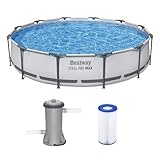
Bestway Steel Pro MAX 12' x 30" Above Ground Swimming Pool Set with Pump | Check Price On Amazon |
|
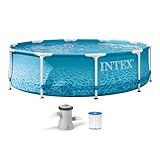
INTEX Beachside Metal Frame 10ft x 30in Round Pool Set w/Pump | Check Price On Amazon |

|
H2OGO! Kids Splash-in-Shade 8-Foot Round Steel Frame Above Ground Pool with Water Mister and Canopy Sunshade, Green Tropical Leaf Print | Check Price On Amazon |
What Makes Pool Draining Essential for Water Quality Management?
Pool draining becomes essential when total dissolved solids (TDS) exceed 3,000 ppm, creating water chemistry imbalances that no amount of chemicals can correct. TDS accumulation occurs as pool water evaporates and concentrated minerals, salts, and chemical residues remain behind, eventually reaching saturation levels where chlorine effectiveness drops by 60-80% even with proper pH and alkalinity levels.
According to the National Swimming Pool Foundation (2023), pools with TDS above 2,500 ppm require 25-40% more chemicals to maintain sanitation standards. High TDS water feels “heavy” to swimmers, causes eye and skin irritation despite balanced chemistry, and creates cloudy water that clarifiers cannot resolve because the water itself has become oversaturated with dissolved particles.
Cyanuric acid buildup represents another critical drainage trigger, as stabilizer levels above 100 ppm create “chlorine lock” where available chlorine becomes bound and ineffective. Unlike other chemicals, cyanuric acid cannot be removed through oxidation or filtration, accumulating over time through regular trichlor tablet use and shock treatments until complete water replacement becomes the only solution.
Calcium hardness above 400 ppm causes scale formation on surfaces and equipment, creating rough textures that harbor algae and bacteria. Professional pool services recommend draining when calcium levels exceed this threshold because scale prevention chemicals become cost-prohibitive compared to fresh water refill.
| Water Parameter | Normal Range | Drainage Threshold | Problems When Exceeded |
| Total Dissolved Solids | 300-1,500 ppm | 3,000+ ppm | Reduced sanitizer efficiency, cloudy water |
| Cyanuric Acid | 30-50 ppm | 100+ ppm | Chlorine lock, poor sanitization |
| Calcium Hardness | 150-300 ppm | 400+ ppm | Scale formation, rough surfaces |
| Total Alkalinity | 80-120 ppm | 250+ ppm | pH bounce, chemical resistance |
How to Determine When Your Pool Needs Draining: Expert Assessment Guide
Test TDS levels using a digital TDS meter monthly, as standard pool test kits cannot measure dissolved solids accurately. TDS readings between 1,500-2,500 ppm indicate moderate buildup requiring increased chemical usage, while levels above 2,500 ppm suggest partial draining (1/3 to 1/2 water volume) may extend the pool’s service life. For precise partial drain planning, use our pool dilution and refill calculator to determine the exact water volume to exchange.
Monitor cyanuric acid levels quarterly using cyanuric acid test strips or liquid reagent kits, as this parameter increases gradually and often goes unnoticed until chlorine effectiveness drops significantly. Pools using trichlor tablets exclusively can reach problematic stabilizer levels within 6-8 months of normal operation, particularly in areas with high evaporation rates.
Visual and Physical Water Quality Indicators
Water clarity issues that persist despite proper chemical balance, adequate filtration runtime (8-12 hours daily), and regular shock treatments indicate TDS saturation. Clear water that feels “slippery” or “heavy” suggests high dissolved solids even when chemical readings appear normal.
Scale formation on pool surfaces, particularly around the waterline and on skimmer baskets, indicates calcium hardness exceeding safe levels. White, chalky deposits that return within days of removal signal water replacement needs regardless of current calcium test readings.
Equipment Performance Decline
Shortened filter cartridge life spans (requiring replacement every 2-4 weeks instead of 6-8 weeks) suggest high dissolved solids clogging filter media faster than normal. Sand filters requiring backwashing more than twice weekly indicate water quality issues beyond normal debris loading.
Heater efficiency drops and increased chemical consumption (requiring 50-75% more chlorine than previous seasons) signal water chemistry saturation. These symptoms often appear 6-12 months before TDS meters confirm drainage thresholds, making equipment monitoring valuable for early intervention.

- Intelligent Navigation with Full Coverage: Equipped with 11 high-precision sensors and enhanced dual-path algorithms. The optimized WavePath cleaning pattern ensures systematic coverage with minimal overlap, while adaptive navigation analyzes pool layout in real time to eliminate missed spots
- Dual Filtration for Crystal-Clear Water: Advanced dual-layer filtration system features a replaceable 3-micron ultra-fine filter paired with a 180-micron standard filter. Effectively captures fine dust, sand, leaves, and debris for visibly cleaner and healthier pool water
- Comprehensive Pool Cleaning: Engineered to clean the pool floor, walls, waterline, and shallow areas (above 12 inches). The Caterpillar Treads system enhances mobility and climbing ability, ensuring thorough coverage across all pool zones
- Reliable Performance with 2-Year Warranty: Trusted by over 500,000 pool owners worldwide, this robotic pool cleaner delivers consistent, high-performance results. Built for durability and backed by a 2-year warranty and responsive customer support for worry-free ownership
Complete Pool Draining Process: Step-by-Step Safety Protocol
Drain pools during cooler months (late fall through early spring) when groundwater pressure is typically lower and surface expansion risks are minimized. Never drain pools during summer heat above 85°F, as direct sunlight can crack plaster surfaces within 24-48 hours when unprotected by water.
Check local water restrictions and obtain necessary permits before draining, as many municipalities require approval for large-volume water discharge. Discharge water must be dechlorinated (chlorine below 0.1 ppm) and pH-balanced (6.5-8.5) to prevent environmental damage to storm drains, lawns, or natural water sources.
Equipment Setup and Safety Preparation
Install a submersible sump pump rated for clean water at the pool’s deep end, selecting models with 1/2 HP minimum for pools over 15,000 gallons. Position the pump intake 6-8 inches from the pool bottom to prevent air lock while maintaining enough water depth for proper cooling.
Establish proper drainage routing using discharge hoses rated for pump pressure (typically 25-50 PSI), directing water away from the pool area to prevent undermining the structure. Avoid draining directly into sanitary sewer systems unless specifically permitted by local codes.
Controlled Drainage Procedure
Begin drainage by reducing water level 6-12 inches below skimmer opening using normal filtration system backwash or drain settings. This initial reduction allows inspection of waterline condition and provides working space for pump installation without completely exposing pool surfaces.
Monitor drainage rate to complete the process within 8-24 hours, preventing extended surface exposure that can cause cracking, popping, or warping. Fiberglass and vinyl pools require faster drainage (under 12 hours) compared to concrete pools that can tolerate 24-48 hour exposure when necessary.
| Pool Type | Maximum Empty Time | Temperature Limit | Special Considerations |
| Concrete/Gunite | 48 hours | Below 85°F | Keep surfaces wet, avoid direct sun |
| Fiberglass | 12 hours | Below 80°F | High groundwater sensitivity |
| Vinyl Liner | 8 hours | Below 75°F | Liner shrinkage risk |
| Tile/Plaster | 24 hours | Below 85°F | Wet surfaces every 4-6 hours |
Surface Protection During Drainage
Keep exposed pool surfaces wet using lawn sprinklers or soaker hoses, particularly important for plaster and aggregate finishes that crack when dehydrated. Set automatic timers to mist surfaces every 2-3 hours during drainage, maintaining surface moisture without adding significant water volume.
Cover the empty pool with safety covers or tarps immediately after drainage completion to prevent debris accumulation, surface damage from UV exposure, and safety hazards. Proper covering also prevents groundwater infiltration in areas with high water tables.
Partial Pool Draining vs Complete Drainage: Which Creates Better Results?
Partial draining (removing 1/3 to 1/2 of water volume) effectively reduces TDS levels by 33-50% when combined with fresh water replacement, extending full drainage intervals by 1-2 years. This approach works best when TDS levels reach 2,000-2,800 ppm but cyanuric acid remains below 80 ppm, allowing chemical balance restoration without complete water replacement.
Complete drainage becomes necessary when cyanuric acid exceeds 100 ppm, as partial water exchange cannot sufficiently reduce stabilizer concentrations. According to Pool & Spa News industry analysis (2024), complete drainage provides 100% chemical reset compared to 35-50% improvement from partial exchange.
Cost-Benefit Analysis for Drainage Methods
Partial drainage costs 30-50% less than complete replacement, considering water, chemical, and labor expenses. A 20,000-gallon pool requiring 1/3 water exchange (6,700 gallons) costs approximately $40-80 in water plus $30-50 in rebalancing chemicals versus $120-200 for complete refill and startup chemical treatment. You can estimate your water refill expenses using our pool fill cost calculator to compare local water rates.
Labor time for partial drainage ranges from 4-8 hours compared to 2-3 days for complete drainage, cleaning, and refill. Factor additional costs for surface protection, pump rental, and potential permit fees when choosing between methods.
Water Quality Improvement Comparison
Partial drainage requires careful calculation to achieve target TDS reduction. Use the formula: (Gallons Removed ÷ Total Pool Volume) × Current TDS = TDS Reduction Expected. First, accurately determine your total pool volume using our pool volume calculator, then apply this equation. For example, removing 7,000 gallons from a 20,000-gallon pool with 3,000 ppm TDS reduces levels to approximately 1,950 ppm.
Complete drainage provides immediate reset of all water chemistry parameters to baseline levels, eliminating accumulated phosphates, nitrates, and other contaminants that partial exchange cannot address. Fresh water allows optimal chemical efficiency, reducing ongoing maintenance costs by 20-30% in the following season.
Complete Pool Cleaning During Drainage: Essential Surface Maintenance
Clean exposed pool surfaces using acid washing solutions mixed at 1:10 ratio (1 part muriatic acid to 10 parts water) for removing mineral deposits, algae stains, and scale buildup. Apply acid wash from bottom to top using plastic cleaning brushes, allowing 5-10 minutes contact time before neutralizing with baking soda solution.
Professional pool services recommend acid washing during drainage as the most cost-effective time for surface restoration, eliminating stains and scale that chemical treatments cannot address. This process restores original surface texture and color while removing biofilm accumulation that harbors bacteria and algae.
Equipment Inspection and Maintenance
Inspect and clean skimmer baskets, main drain covers, and return fittings for cracks, loose connections, or debris accumulation. Replace worn gaskets and O-rings while surfaces are accessible, preventing leaks that become expensive repairs once the pool is refilled.
Service pool lighting, test GFCI connections, and inspect underwater electrical components for corrosion or damage. Empty pools provide safe access for electrical maintenance that requires de-energizing underwater fixtures, making this the ideal time for comprehensive electrical system evaluation.
Surface Repairs and Improvements
Address surface cracks, loose tiles, or plaster damage while the pool is empty, as underwater repairs cost 3-5 times more than dry work. Document all surface conditions with photographs for insurance purposes and future maintenance planning.
Consider surface upgrades such as waterline tile replacement, coping repair, or finish renovation during drainage cycles, maximizing the value of empty pool time. These improvements extend surface life and enhance property value while avoiding future drainage costs for cosmetic work.
Safe Pool Refilling: Water Chemistry Startup Protocol
Begin refilling using multiple garden hoses to reduce fill time and minimize surface exposure, targeting 12-24 hour refill completion depending on pool size and water pressure. Monitor water level continuously to prevent overflow and ensure proper circulation system startup at appropriate levels.
Add startup chemicals in proper sequence once water reaches minimum circulation levels (typically 6-12 inches above main drain). Begin with metal sequestrant if using well water or areas with high mineral content, followed by pH adjustment using sodium carbonate or sodium bisulfate.
Chemical Balancing Sequence
Establish total alkalinity first using sodium bicarbonate, targeting 80-120 ppm range before adjusting other parameters. Proper alkalinity provides pH buffering that prevents chemical bounce and ensures stable water chemistry throughout the balancing process.
Adjust calcium hardness to 150-300 ppm using calcium chloride in areas with soft water, as low calcium levels cause surface etching and equipment corrosion. Add calcium incrementally over 24-48 hours to prevent precipitation and clouding.
| Chemical Parameter | Target Range | Add First | Wait Time |
| Total Alkalinity | 80-120 ppm | Sodium bicarbonate | 4 hours |
| pH Level | 7.4-7.6 | pH adjuster | 2 hours |
| Calcium Hardness | 150-300 ppm | Calcium chloride | 24 hours |
| Cyanuric Acid | 30-50 ppm | Stabilizer | 24 hours |
| Free Chlorine | 1-3 ppm | Liquid chlorine | Last step |
Initial Sanitization and Circulation
Add cyanuric acid (stabilizer) to achieve 30-50 ppm concentration, providing chlorine protection from UV degradation. Use granular cyanuric acid dissolved in warm water, adding slowly through skimmer while circulation system operates to prevent localized concentration and potential surface damage.
Establish initial chlorine levels using liquid sodium hypochlorite rather than tablets, as fresh water requires immediate sanitization without additional stabilizer buildup. Target 2-3 ppm free chlorine and maintain continuous circulation for 48-72 hours before reducing to normal operational levels.
Cost Analysis: Professional vs DIY Pool Draining
Professional pool draining services charge $300-800 for complete drainage depending on pool size, local labor rates, and additional services such as acid washing or surface cleaning. This cost includes proper water disposal, surface protection, and liability insurance coverage for potential structural damage.
DIY drainage costs range from $100-300 including pump rental ($50-100 daily), discharge hose ($30-80), and water testing ($20-40). Factor additional expenses for surface protection materials, cleaning supplies, and potential permit fees when calculating total project costs.
Hidden Costs and Risk Factors
Structural damage from improper drainage can cost $2,000-15,000 for repairs including surface cracking, liner replacement, or foundation settlement. Professional services carry liability insurance covering these risks, while DIY drainage leaves homeowners responsible for all damage costs.
Time investment for DIY drainage requires 2-4 days total including preparation, drainage, cleaning, and refill compared to same-day service from professionals. Consider opportunity costs and physical demands when evaluating cost-effectiveness of self-completion versus professional service.
Long-term Value Considerations
Proper drainage extends pool surface life by 3-5 years compared to chemical-only maintenance, providing $1,000-3,000 value in deferred resurfacing costs. Professional documentation of drainage and cleaning creates maintenance records valuable for warranty claims and property sales.
Equipment longevity improves 20-30% with periodic fresh water replacement, reducing heater scale buildup, filter replacement frequency, and pump wear from high-TDS water circulation. Calculate these ongoing savings against drainage costs for accurate long-term financial analysis.
Seasonal Timing: When to Schedule Pool Drainage
Schedule pool drainage during late fall through early spring (October-March) when temperatures remain below 85°F and groundwater levels are typically stable. Avoid drainage during summer peak season when high temperatures can crack exposed surfaces within 24-48 hours and professional services charge premium rates.
Coordinate drainage timing with winterization procedures in cold climates, combining water removal with freeze protection measures. This approach eliminates duplicate labor costs and ensures proper surface protection during extended empty periods.
Weather Considerations
Monitor weather forecasts for 7-10 days before drainage, avoiding periods with predicted rain, high winds, or temperature extremes. Unexpected rainfall can flood empty pools, creating safety hazards and complicating the refill process with contaminated water.
Plan drainage completion at least 48-72 hours before predicted freezing temperatures, allowing adequate time for refill and chemical balancing. Frozen water in partially filled pools can damage surfaces and equipment that drainage was intended to protect.
Regional Climate Factors
Southern climates allow year-round drainage scheduling but require faster completion during summer months due to intense UV exposure and high temperatures. Northern regions must complete drainage and refill before October freeze dates to prevent ice damage.
Desert climates with extreme temperature variations require careful timing during mild weather windows, typically November through February. High evaporation rates in these areas may necessitate more frequent partial drainage to manage TDS buildup.
Troubleshooting Pool Drainage: Common Problems and Solutions
Groundwater infiltration during drainage indicates high water table conditions requiring immediate refill to prevent structural floating or shifting. Signs include water seepage through pool walls, bubbling at main drain covers, or water level rising despite active pumping.
Install hydrostatic relief valves in main drains before future drainage to automatically equalize groundwater pressure. These valves prevent structural damage by allowing controlled water entry when external pressure exceeds internal pressure.
Surface Cracking and Damage
Hairline cracks appearing during drainage typically indicate rapid moisture loss requiring immediate surface wetting and shade protection. Use shade cloth and continuous misting to prevent further damage while completing necessary work.
Structural cracks wider than 1/4 inch require immediate professional evaluation and potential emergency refill to prevent catastrophic failure. Document all crack locations and sizes with photographs for insurance claims and engineering assessment.
Pump and Equipment Failures
Pump air lock or overheating during drainage indicates improper intake positioning or debris blockage requiring immediate shutdown and inspection. Submersible pumps should maintain 6-8 inches minimum water depth for proper cooling and operation.
Electrical issues with drainage equipment pose serious safety risks requiring professional electrical service before continuing. Never operate electrical equipment in standing water without proper GFCI protection and grounding verification.
Permit and Regulatory Issues
Water discharge violations can result in fines ranging from $500-5,000 depending on local regulations and environmental impact. Contact local water authorities before drainage to understand requirements for volume limits, discharge locations, and water quality standards.
Neighbor complaints about water discharge require immediate attention to prevent legal issues and maintain community relationships. Redirect discharge away from adjacent properties and ensure proper pH neutralization before release.
Pool Equipment Considerations During Drainage
Shut down all pool equipment including pumps, heaters, and automatic cleaners before beginning drainage to prevent dry-running damage. Pressure-side pool cleaners and robotic units require removal and cleaning while the pool is accessible for comprehensive maintenance.
Drain and winterize pool heaters according to manufacturer specifications, as residual water can freeze and crack heat exchangers costing $800-2,500 for replacement. Gas heaters require pilot light shutdown and gas line isolation following local safety codes.
Filtration System Management
Backwash sand and DE filters thoroughly before drainage to prevent contaminated media from affecting fresh water quality during refill. Replace cartridge filters during drainage cycles for optimal filtration efficiency with new water chemistry.
Service multiport valves and check valve seals while system pressure is relieved, replacing worn components that typically fail during high-pressure operation. This maintenance prevents system failures during critical startup periods.
Automation and Control Systems
Disconnect automatic chemical feeders and remove residual chemicals to prevent equipment corrosion during empty periods. Pool automation systems require sensor calibration after refill to ensure accurate readings with fresh water chemistry.
Update timer settings for circulation, cleaning, and chemical feeding to accommodate startup requirements including extended circulation periods and frequent water testing. Program gradual return to normal operational schedules over 7-10 days following chemical stabilization.
Environmental and Safety Considerations
Discharge water must meet local environmental standards with chlorine levels below 0.1 ppm and pH between 6.5-8.5 to prevent damage to vegetation, storm drains, and natural water sources. Use sodium thiosulfate dechlorinator to neutralize excess chlorine before discharge.
Direct discharge away from septic systems, wells, and sensitive landscaping to prevent contamination and vegetation damage. High-salt content from saltwater pools requires special consideration for soil and groundwater protection in coastal and agricultural areas.
Child and Pet Safety
Install temporary safety barriers around empty pools using removable pool fencing or rigid covers rated for human weight. Empty pools create serious safety hazards with fall risks and difficult escape conditions requiring constant supervision.
Post warning signs and inform neighbors about drainage activities, particularly important in residential areas with children who may be attracted to empty pools. Consider hiring security services for extended drainage periods in high-traffic areas.
Noise and Community Impact
Schedule pump operation during acceptable hours (typically 7 AM – 8 PM) to minimize noise complaints from neighbors. Large drainage pumps can generate 60-80 decibel noise levels requiring consideration of local noise ordinances.
Coordinate with neighbors for water discharge routing, ensuring runoff doesn’t create flooding or erosion issues on adjacent properties. Maintain open communication about project timeline and potential impacts to preserve community relationships.
Above Ground vs Inground Pool Drainage Differences
Above ground pools require faster drainage completion (under 8 hours) due to structural limitations and liner sensitivity to temperature changes. Vinyl liners shrink rapidly when exposed to air and temperature fluctuations, making extended empty time risky for material integrity.
Above ground pool drainage often necessitates complete liner replacement due to shrinkage and fitting displacement, making partial drainage more cost-effective for water quality management. Consider liner age and condition when deciding between drainage methods versus complete pool replacement.
Structural Considerations by Pool Type
Inground concrete pools tolerate empty periods up to 48-72 hours when properly protected from temperature extremes and surface dehydration. Fiberglass pools require careful groundwater monitoring due to their lightweight construction and susceptibility to floating when external pressure exceeds internal weight.
Vinyl liner pools need continuous support from water pressure to maintain proper fitting and seam integrity. Extended empty periods can cause liner displacement, wrinkle formation, and fitting leaks requiring expensive repairs or complete liner replacement.
Equipment Access and Maintenance
Inground pools provide better access for comprehensive equipment service and surface maintenance during drainage cycles. Above ground pools limit access to certain components requiring partial disassembly for thorough cleaning and inspection.
Consider equipment upgrade opportunities during inground pool drainage, such as variable speed pump installation or automation system upgrades that require extended downtime for proper installation and testing.
Frequently Asked Questions About Pool Draining
How often should I completely drain my pool?
Quick Answer: Drain pools completely every 3-5 years when TDS exceeds 3,000 ppm or cyanuric acid reaches 100+ ppm, with partial drainage annually for high-use pools.
Pool drainage frequency depends on usage levels, water quality, and chemical maintenance practices rather than calendar schedules. Pools using stabilized chlorine (trichlor tablets) require more frequent drainage due to cyanuric acid accumulation, while liquid chlorine systems can operate longer between complete water changes. Monitor TDS levels monthly using a digital meter, as standard test kits cannot measure dissolved solids accurately.
High-use pools with frequent parties, heavy swimmer loads, or poor chemical maintenance may require drainage every 2-3 years. Low-use pools with proper chemical balance and regular maintenance can extend drainage intervals to 4-6 years. Consider partial drainage (1/3 water volume) annually to manage TDS buildup and extend complete drainage intervals.
Can I drain my pool myself or do I need a professional?
Quick Answer: DIY drainage is possible with proper equipment and knowledge, but professionals provide liability coverage and expertise preventing $2,000-15,000 damage costs.
Self-draining requires understanding of local regulations, proper equipment selection, and surface protection techniques to prevent structural damage. Rent or purchase a submersible pump rated for your pool volume, establish proper discharge routing, and maintain surface moisture during empty periods. Factor time investment of 2-4 days total including preparation, drainage, cleaning, and refill.
Professional services cost $300-800 but include liability insurance, proper waste disposal, and expertise preventing costly mistakes. Consider professional service for fiberglass pools, high groundwater areas, or first-time drainage when unfamiliar with proper procedures.
What happens if I don’t drain my pool when TDS gets too high?
Quick Answer: High TDS water requires 50-75% more chemicals for sanitation, causes equipment damage, and creates water that clarifiers cannot clean regardless of chemical balance.
Continued operation with high TDS leads to chlorine lock where sanitizer becomes bound and ineffective, creating unsafe swimming conditions despite proper chemical readings. Scale formation accelerates on surfaces and equipment, causing rough textures that harbor algae and bacteria while reducing heater efficiency by 20-30%.
Water becomes increasingly difficult and expensive to maintain, with chemical costs rising 40-60% as dissolved solids interfere with sanitizer effectiveness. Eventually, water reaches saturation point where no amount of chemicals can restore balance, forcing emergency drainage and refill at premium costs.
Is it safe to drain a pool in summer?
Quick Answer: Avoid summer drainage when temperatures exceed 85°F, as direct sunlight can crack plaster surfaces within 24-48 hours of exposure.
Summer drainage risks include rapid surface dehydration, thermal shock from temperature extremes, and increased costs for emergency surface protection. Concrete and plaster surfaces require constant moisture and shade protection during hot weather, making drainage completion more complex and expensive.
Emergency summer drainage becomes necessary for severe contamination or equipment failure, requiring professional service with specialized surface protection techniques. Schedule routine drainage during cooler months (October-March) when surface exposure risks are minimized and professional services offer standard rates.
How long does it take to drain and refill a pool?
Quick Answer: Complete drainage takes 8-24 hours depending on pool size and pump capacity, while refill requires 12-48 hours based on water pressure and volume.
A 20,000-gallon pool drains in 8-12 hours using a 1/2 HP submersible pump, while larger pools (30,000+ gallons) may require 16-24 hours. Refill time depends on water pressure and hose configuration, typically 12-24 hours for average residential pools using 2-3 garden hoses simultaneously.
Factor additional time for chemical balancing (48-72 hours), surface cleaning during empty period, and equipment startup procedures. Total project time ranges from 4-7 days from initial drainage through full operational status with balanced water chemistry.
What chemicals do I need after refilling my pool?
Quick Answer: Add chemicals in sequence: metal sequestrant first, then alkalinity increaser, pH adjuster, calcium hardness, cyanuric acid, and chlorine last for proper startup.
Begin with metal sequestrant if using well water or areas with high mineral content, preventing staining and precipitation during chemical addition. Establish total alkalinity (80-120 ppm) using sodium bicarbonate before adjusting other parameters, as proper alkalinity provides pH buffering throughout the balancing process.
Add calcium hardness to 150-300 ppm using calcium chloride in soft water areas, preventing surface etching and equipment corrosion. Include cyanuric acid (30-50 ppm) for chlorine stabilization, then establish 2-3 ppm free chlorine using liquid sodium hypochlorite for immediate sanitization without additional stabilizer buildup.
Can I use pool water for my lawn during drainage?
Quick Answer: Pool water requires dechlorination (chlorine below 0.1 ppm) and pH balancing (6.5-8.5) before lawn application to prevent vegetation damage.
Chlorinated pool water kills grass and plants through chemical burn, requiring neutralization using sodium thiosulfate dechlorinator before discharge. Test water chemistry using pool test kits, ensuring chlorine reads zero and pH falls within acceptable range for plant safety.
Saltwater pools pose additional risks to vegetation and soil due to high sodium content, potentially causing long-term soil damage and plant death. Consider municipal discharge options or professional waste disposal for saltwater pools to prevent environmental damage and neighbor complaints.
What should I do if my pool starts cracking during drainage?
Quick Answer: Stop drainage immediately, wet all surfaces continuously, provide shade protection, and begin emergency refill if cracks exceed 1/4 inch width.
Surface cracking during drainage indicates rapid moisture loss requiring immediate intervention to prevent structural damage. Use lawn sprinklers, soaker hoses, or manual misting to maintain surface moisture while providing shade protection using tarps or shade cloth.
Hairline cracks may stabilize with proper moisture and temperature control, but structural cracks wider than 1/4 inch require professional assessment and potential emergency refill. Document all crack locations and sizes with photographs for insurance claims and engineering evaluation of structural integrity.
Is there a best time of year to drain my pool?
Quick Answer: Schedule drainage during late fall through early spring (October-March) when temperatures stay below 85°F and groundwater levels remain stable.
Cooler weather reduces surface damage risks and allows extended empty periods for thorough cleaning and maintenance. Professional services offer standard rates during off-season compared to premium charges during summer peak demand periods.
Coordinate with winterization procedures in cold climates, combining drainage with freeze protection measures to eliminate duplicate labor costs. Avoid drainage during rainy seasons when weather delays can extend project timelines and create safety hazards with partially filled pools.
How much does professional pool draining cost?
Quick Answer: Professional drainage costs $300-800 for complete service including proper disposal, surface protection, and liability coverage depending on pool size and location.
Pricing factors include pool volume, accessibility, local labor rates, and additional services such as acid washing or equipment maintenance. Basic drainage service for residential pools ranges $300-500, while comprehensive service including cleaning and startup can cost $600-1,200.
Compare professional costs against DIY expenses including pump rental ($50-100 daily), equipment purchase, time investment, and potential damage risks. Professional liability insurance covers structural damage costs that can reach $15,000 for foundation or surface repairs.
What permits do I need for pool drainage?
Quick Answer: Check local water authority requirements for discharge permits, volume restrictions, and water quality standards before beginning drainage procedures.
Municipal regulations vary significantly regarding pool water discharge, with some areas requiring permits for volumes exceeding 2,000-5,000 gallons. Others prohibit discharge to storm drains or require specific routing to sanitary sewer systems with advance approval.
Contact local water department, environmental agency, or city planning office to understand permit requirements, typically involving simple application and nominal fees ($25-100). Violations can result in fines ranging $500-5,000 depending on environmental impact and local enforcement practices.
Can groundwater push an empty pool out of the ground?
Quick Answer: High groundwater pressure can float fiberglass pools and shift concrete pools, requiring immediate refill when water seepage appears during drainage.
Groundwater infiltration signs include water bubbling through main drains, wall seepage, or rising water levels despite active pumping. Fiberglass and vinyl pools face highest risk due to lightweight construction and smooth exterior surfaces providing little ground friction.
Install hydrostatic relief valves in main drains before future drainage to automatically equalize pressure and prevent structural damage. These valves allow controlled groundwater entry when external pressure exceeds internal weight, protecting pool structure while indicating high water table conditions.
Should I clean the pool surfaces while it’s empty?
Quick Answer: Empty pools provide optimal access for acid washing, surface repairs, and equipment maintenance that costs 3-5 times more when performed underwater.
Acid washing removes mineral deposits, algae stains, and scale buildup that chemical treatments cannot address, restoring original surface appearance and texture. Use 1:10 ratio muriatic acid solution applied from bottom to top, allowing 5-10 minutes contact time before neutralizing with baking soda.
Schedule surface repairs, equipment maintenance, and upgrades during drainage to maximize empty pool time value. Address cracks, loose tiles, or equipment replacement while accessible, avoiding future drainage costs for maintenance that requires empty conditions.
Pool draining every 3-5 years maintains optimal water quality when TDS exceeds 3,000 ppm or cyanuric acid reaches 100+ ppm, ensuring effective sanitization and preventing equipment damage from scale and chemical buildup. Proper timing during cooler months (October-March), appropriate surface protection, and systematic refill procedures prevent costly structural damage while restoring water chemistry balance that chemical treatments alone cannot achieve.
Start with professional water testing to determine if complete drainage, partial water exchange, or chemical adjustment best addresses your specific water quality issues. Document current conditions, follow local regulations for water disposal, and prioritize safety throughout the process to maintain your pool investment while ensuring years of continued swimming enjoyment.
| Photo | Best Above-Ground Pools | Price |
|---|---|---|
|
|
Bestway Steel Pro MAX 12' x 30" Above Ground Swimming Pool Set with Pump | Check Price On Amazon |
|
|
INTEX Beachside Metal Frame 10ft x 30in Round Pool Set w/Pump | Check Price On Amazon |
|
|
H2OGO! Kids Splash-in-Shade 8-Foot Round Steel Frame Above Ground Pool with Water Mister and Canopy Sunshade, Green Tropical Leaf Print | Check Price On Amazon |