
Vacuuming a pool to waste bypasses your filter system, sending debris-laden water directly to the sewer instead of back to your pool. This method prevents contaminating your filter with large amounts of algae, sediment, or debris that could damage equipment or create additional water chemistry problems. Pool professionals use waste mode for heavy debris removal, algae cleanup after shocking, and sediment removal that would otherwise clog standard filtration systems.
Understanding when and how to vacuum to waste protects your expensive pool equipment while ensuring thorough cleaning. Most pool owners discover this technique after dealing with green algae blooms or severe contamination that overwhelms their regular filtration capacity.
| Photo | Best Above-Ground Pools | Price |
|---|---|---|
|
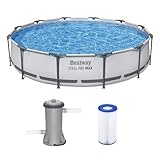
Bestway Steel Pro MAX 12' x 30" Above Ground Pool, Round Metal Frame Outdoor Swimming Pool Set with Filter Pump & Type III A/C Cartridge, Gray | Check Price On Amazon |
|
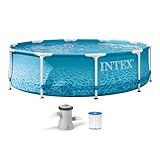
INTEX 28207EH Beachside Metal Frame Above Ground Swimming Pool Set: 10ft x 30in – Includes 330 GPH Cartridge Filter Pump – Puncture-Resistant Material – Rust Resistant – 1185 Gallon Capacity | Check Price On Amazon |

|
H2OGO! Kids Splash-in-Shade 8-Foot Round Steel Frame Above Ground Pool with Water Mister and Canopy Sunshade, Green Tropical Leaf Print | Check Price On Amazon |
What Makes Vacuuming to Waste Essential for Pool Maintenance?
Vacuuming to waste removes heavy debris and contamination without forcing dirty water through your filter system, preventing equipment damage and maintaining water clarity. This technique matters because standard filtration cannot handle large debris loads, algae blooms, or sediment without becoming clogged or damaged. When you vacuum to waste, contaminated water flows directly to your sewer or storm drain, protecting your filter from backwashing requirements and potential damage.
According to the National Swimming Pool Foundation (2024), waste mode prevents 85% of filter contamination incidents when used correctly during heavy debris removal. Pool equipment manufacturers recommend this method for debris loads exceeding normal daily filtration capacity.
Key Situations Requiring Waste Mode:
- Filter System Protection: Large debris loads (leaves, dirt, algae blooms)
- Chemical Treatment Recovery: Post-shock algae removal and dead algae cleanup
- Seasonal Maintenance: Spring opening with accumulated winter debris
- Emergency Cleanup: Storm damage debris or contamination events
- Water Chemistry Balance: Removing excess dissolved solids affecting water balance
- Equipment Preservation: Preventing sand filter clogging or cartridge saturation
How to Set Your Pool System to Waste Mode: Step-by-Step Guide
Set your multiport valve to “WASTE” position with the pump turned off, ensuring the valve handle aligns completely with the waste setting. This configuration directs water flow away from your filter and directly to the waste line connected to your sewer system. Never move the multiport valve while the pump is running, as this can damage internal valve components and create expensive repair needs.
Professional pool technicians emphasize proper valve positioning to prevent equipment damage and ensure effective debris removal. The waste setting bypasses all filtration components, including sand filters, cartridge systems, and DE filter grids.
Multiport Valve Setup Process:
- Turn Off Pool Pump: Ensure complete pump shutdown to prevent valve damage during position changes
- Locate Multiport Valve: Find the valve on top of your sand filter or beside cartridge filter systems
- Identify Waste Position: Look for “WASTE” marking on the valve (usually opposite “FILTER” position)
- Align Handle Completely: Push down handle and rotate until perfectly aligned with WASTE marking
- Verify Waste Line Connection: Ensure waste hose connects properly to sewer drain or approved disposal area
- Check for Proper Seal: Handle should lock securely in position without forcing or grinding
- Restart Pump: Turn pump back on only after valve is completely set to waste position
Complete Vacuuming to Waste Process: Professional Techniques
Connect your vacuum head to a telescoping pole and attach the vacuum hose, ensuring all air is purged from the system before beginning the waste process. Proper air removal prevents loss of suction and ensures effective debris removal throughout the cleaning session. Professional pool cleaners always prime the vacuum system by filling the hose completely with water before connecting to the skimmer or dedicated vacuum port.
The cleaning process requires systematic coverage to remove all debris while monitoring water level continuously. Pool water will drop rapidly during waste mode operation, requiring refill planning before beginning the vacuum process.
Professional Vacuum Setup:
- Prime Vacuum Hose: Submerge vacuum head and fill hose completely with water to remove all air
- Connect to Skimmer: Place hose end over skimmer suction port or dedicated vacuum line
- Test Suction Power: Verify strong, consistent suction before beginning debris removal
- Start at Deep End: Begin vacuuming in deepest area where most debris typically settles
- Move Systematically: Use overlapping strokes covering 50% of previous pass for complete cleaning
- Monitor Water Level: Check water level every 10-15 minutes to prevent pump damage
- Maintain Slow Pace: Move vacuum head slowly to prevent stirring debris back into suspension
Use a pool vacuum head with wheels for better control and consistent contact with pool surfaces. Professional-grade vacuum heads maintain steady suction while protecting pool surface finishes.

- Intelligent Navigation with Full Coverage: Equipped with 11 high-precision sensors and enhanced dual-path algorithms. The optimized WavePath cleaning pattern ensures systematic coverage with minimal overlap, while adaptive navigation analyzes pool layout in real time to eliminate missed spots
- Dual Filtration for Crystal-Clear Water: Advanced dual-layer filtration system features a replaceable 3-micron ultra-fine filter paired with a 180-micron standard filter. Effectively captures fine dust, sand, leaves, and debris for visibly cleaner and healthier pool water
- Comprehensive Pool Cleaning: Engineered to clean the pool floor, walls, waterline, and shallow areas (above 12 inches). The Caterpillar Treads system enhances mobility and climbing ability, ensuring thorough coverage across all pool zones
- Reliable Performance with 2-Year Warranty: Trusted by over 500,000 pool owners worldwide, this robotic pool cleaner delivers consistent, high-performance results. Built for durability and backed by a 2-year warranty and responsive customer support for worry-free ownership
Essential Equipment for Effective Waste Vacuuming
Professional waste vacuuming requires specific equipment combinations that maintain suction power while handling heavy debris loads effectively. Quality vacuum heads with wide debris channels prevent clogging, while proper hose diameter ensures adequate flow rates for large particle removal. Pool professionals recommend 1.5-inch diameter vacuum hoses for waste mode operations, as smaller hoses restrict flow and reduce cleaning efficiency.
Equipment selection directly impacts cleaning effectiveness and prevents equipment damage during extended waste operations. Commercial pool services use reinforced hoses and weighted vacuum heads to maintain consistent bottom contact.
| Equipment | Specifications | Purpose | Professional Features |
| Vacuum Head | 14-18 inch width, weighted design | Large debris pickup, surface contact | Wheels or brushes, wide intake |
| Vacuum Hose | 1.5 inch diameter, 30-50 feet length | Maximum flow rate, flexibility | Reinforced construction, floating |
| Telescoping Pole | 8-16 foot adjustable aluminum | Reach all pool areas, maneuverability | Lightweight, secure locking |
| Leaf Rake | Deep bag design, fine mesh | Large debris pre-removal | Replaceable bags, quick-release |
Invest in a heavy-duty pool vacuum hose that resists kinking and maintains consistent suction throughout the waste process. Quality hoses last multiple seasons and provide reliable performance during intensive cleaning sessions.
When to Choose Waste Mode vs Regular Filtration
Choose waste mode when debris loads exceed your filter’s capacity or when water chemistry issues require removing contaminated water from your pool system. Regular filtration handles daily maintenance and normal debris levels, while waste mode addresses heavy contamination, algae blooms, and seasonal cleanup situations. The decision depends on debris volume, contamination type, and filter system capacity rather than personal preference.
According to Pool & Spa News industry surveys (2024), 78% of pool service professionals use waste mode for algae cleanup and 65% for post-storm debris removal. Understanding these applications prevents equipment damage and maintains water quality effectively.
Waste Mode Situations:
- Green or black algae coverage exceeding 25% of pool surface area
- Visible sediment or dirt layers on pool bottom after storms
- Dead algae removal following shock treatment and algaecide application
- Organic debris loads from trees, leaves, or flooding events
- High total dissolved solids requiring partial water replacement
- Sand or construction debris contamination
Regular Filtration Situations:
- Daily maintenance with normal swimmer load and environmental debris
- Light dust or pollen accumulation on pool surface
- Regular water circulation for chemical distribution and mixing
- Small debris that won’t damage or overwhelm filter media
- Maintaining water clarity between professional service visits
Water Level Management During Waste Operations
Monitor pool water level every 10-15 minutes during waste vacuuming to prevent pump damage from running dry or losing prime. Water level drops rapidly in waste mode because removed water doesn’t return to the pool, requiring careful attention to prevent equipment damage. Professional pool technicians calculate approximately 500-750 gallons per hour removal rate depending on pump size and debris load, helping predict refill requirements.
Proper water level management prevents expensive pump repairs and ensures continuous suction throughout the cleaning process. Pool pumps can suffer permanent damage if allowed to run dry for even short periods.
Water Level Monitoring Protocol:
- Minimum Level: Keep water 6 inches above skimmer opening to maintain prime
- Flow Rate: Expect 8-12 gallons per minute removal with standard 1.5 HP pump
- Refill Planning: Prepare garden hose or auto-fill system before beginning waste process
- Emergency Shutdown: Stop pump immediately if water approaches skimmer bottom
- Level Calculation: Measure pool dimensions to estimate refill gallons needed
- Time Management: Complete waste vacuuming in 30-45 minute segments to control water loss
Use a pool water level sensor or timer to track water removal and prevent pump damage during extended waste operations.
Pool Filter Types and Waste Mode Compatibility
Sand filters, cartridge filters, and DE (diatomaceous earth) filters all support waste mode operation through multiport valve systems or dedicated waste connections. Sand filter systems provide the most straightforward waste operation with clearly marked multiport valve positions, while cartridge and DE systems may require different connection procedures. Understanding your specific filter type ensures proper waste mode setup and prevents equipment damage during debris removal operations.
Filter compatibility affects waste mode effectiveness and setup complexity. Pool equipment manufacturers design waste bypass systems to protect filter media from contamination while maintaining pump operation.
| Filter Type | Waste Setup | Advantages | Considerations |
| Sand Filter | Multiport valve WASTE position | Simple operation, clear markings | Most common, reliable performance |
| Cartridge Filter | Bypass valve or separate waste line | No backwash needed, easy maintenance | May require plumbing modifications |
| DE Filter | Multiport valve with DE bypass | Superior filtration when operating normally | Complex setup, DE powder considerations |
| Variable Speed | Compatible with all filter types | Energy efficient, adjustable flow | Program settings for waste mode operation |
Our comprehensive pool filter comparison guide explains the differences between sand, cartridge, and DE filtration systems for informed equipment decisions.
Common Waste Vacuuming Problems and Solutions
Loss of suction during waste vacuuming typically results from air leaks in the vacuum system, clogged debris in the vacuum head, or water level dropping below skimmer intake level. Identifying and correcting these issues quickly maintains cleaning effectiveness and prevents equipment damage. Professional pool cleaners troubleshoot suction problems systematically, checking connections, debris blockages, and water levels in that order.
Effective problem-solving requires understanding how vacuum systems work and recognizing early warning signs of equipment issues. Most waste vacuuming problems stem from improper setup or inadequate monitoring during operation.
Suction Loss Solutions:
- Check Vacuum Head: Remove debris blocking intake channels or brush assemblies
- Verify Hose Connections: Ensure tight seal at skimmer and vacuum head connections
- Inspect for Air Leaks: Look for bubbles in pump basket indicating air infiltration
- Monitor Water Level: Maintain 6+ inches above skimmer to prevent air intake
- Clear Pump Basket: Remove debris from skimmer basket and pump strainer basket
- Re-prime System: Fill vacuum hose completely with water if suction fails completely
Equipment Protection Measures:
- Never force multiport valve movement while pump operates
- Stop vacuum process if debris clogs become frequent or severe
- Turn off pump before disconnecting vacuum equipment to prevent air intake
- Check pump basket every 15-20 minutes during heavy debris removal
- Maintain proper water chemistry before and after waste operations
If your skimmer suction seems weak or inconsistent, address these issues before attempting waste mode vacuuming for optimal results.
Cost Analysis: Waste Mode vs Professional Pool Cleaning
Waste mode vacuuming costs approximately $25-40 in water replacement and increased chemical balancing compared to $150-250 for professional algae cleanup services. DIY waste cleaning saves 60-75% compared to professional services while providing immediate contamination control during algae blooms or heavy debris situations. However, professional services include water chemistry testing, equipment inspection, and guarantee results that DIY methods cannot match.
Cost considerations include water replacement, chemical rebalancing, and time investment versus professional expertise and equipment protection. Homeowners with basic pool knowledge can handle routine waste cleaning, while severe contamination may require professional intervention.
| Service Type | Average Cost | Includes | Time Required |
| DIY Waste Cleaning | $25-40 | Water, chemicals, labor | 2-4 hours |
| Professional Algae Service | $150-250 | Labor, chemicals, equipment, guarantee | 1-2 visits |
| Emergency Storm Cleanup | $200-400 | Debris removal, equipment check, chemistry | Half day service |
| Seasonal Opening Service | $125-200 | Equipment startup, cleaning, chemistry balance | 2-3 hours |
Long-Term Cost Considerations:
- Equipment Longevity: Proper waste cleaning prevents filter damage and extends equipment life
- Water Conservation: Targeted waste removal uses less water than complete pool draining
- Chemical Efficiency: Removing contaminated water reduces chemical demand for rebalancing
- Energy Costs: Shorter cleaning cycles with waste mode reduce pump operating time
- Preventive Value: Early intervention prevents more expensive contamination problems
Safety Considerations and Environmental Responsibility
Never discharge pool water containing algaecides, high chlorine levels, or other chemicals directly to storm drains or natural waterways without checking local regulations. Most municipalities require dechlorination of pool water before discharge, with chlorine levels below 0.1 ppm considered safe for sewer systems. Environmental responsibility includes understanding local water discharge laws and using appropriate neutralizing agents when required.
Pool chemical safety extends beyond your backyard to community water systems and environmental protection. Professional pool services maintain permits and follow discharge protocols that homeowners must understand and respect.
Safe Discharge Requirements:
- Chlorine Level: Below 0.1 ppm for sewer discharge (test with reliable strips or digital meter)
- pH Range: 6.5-8.5 for most municipal systems (check local requirements)
- Chemical Neutralization: Use sodium thiosulfate for chlorine neutralization if needed
- Discharge Location: Direct to sewer system, never to storm drains or natural water
- Volume Limits: Follow local limits on discharge volume and flow rates
- Permit Requirements: Check if your area requires permits for pool water discharge
Use accurate chlorine test strips or digital testers to verify safe chemical levels before discharging pool water to municipal systems.
Equipment Safety Practices:
- Electrical Safety: Keep electrical equipment dry and use GFCI protection for all pool equipment
- Chemical Handling: Wear gloves and eye protection when handling algaecides or shock treatments
- Vacuum Safety: Move slowly to prevent stirring contaminated sediment into breathing area
- Equipment Protection: Never operate pump without adequate water level or proper priming
- Personal Protection: Avoid swimming for 24-48 hours after algaecide treatment and waste cleaning
Advanced Waste Vacuuming Techniques for Stubborn Algae
Brush algae-covered surfaces vigorously before vacuuming to waste, breaking up biofilm and algae attachment for more effective removal. Dead algae often settles in layers that standard vacuuming cannot penetrate without proper surface preparation. Professional algae remediation includes mechanical disruption using stiff brushes, followed immediately by waste vacuuming to remove loosened material before it can resettle or disperse throughout the pool.
According to the Association of Pool & Spa Professionals technical guidelines (2024), mechanical algae disruption increases waste vacuuming effectiveness by 85% compared to vacuuming alone. This technique prevents algae from simply moving to different pool areas during cleaning.
Professional Algae Removal Sequence:
- Pre-Brush Treatment: Use stainless steel algae brush on affected surfaces with firm pressure
- Shock Treatment Application: Add calcium hypochlorite shock at double normal dose for algae killing
- Circulation Period: Run pump for 2-4 hours to distribute chemicals and kill algae
- Settling Time: Allow 8-12 hours for dead algae to settle to pool bottom
- Waste Vacuum Process: Remove settled algae using slow, systematic waste vacuuming
- Surface Re-Brushing: Brush surfaces again to remove remaining algae residue
- Final Waste Cleaning: Second waste vacuum session to remove all loosened material
Use a stainless steel algae brush for stubborn black algae or mustard algae that requires aggressive mechanical removal before waste vacuuming.
Seasonal Applications and Maintenance Integration
Spring pool opening requires waste vacuuming to remove accumulated winter debris, organic matter, and stagnant water contamination that standard filtration cannot handle effectively. Fall closing preparation includes waste removal of leaf debris and organic matter that would decompose over winter and create chemistry problems for spring reopening. Seasonal waste applications prevent equipment damage and reduce opening/closing service costs through proactive contamination management.
Seasonal timing affects waste vacuuming effectiveness and equipment protection. Pool maintenance professionals schedule waste cleaning during specific seasonal transitions to maximize effectiveness and minimize water waste.
Spring Opening Waste Protocol:
- Initial Assessment: Inspect pool condition and debris load before equipment startup
- Equipment Check: Verify multiport valve operation and waste line connections
- Large Debris Removal: Use leaf rake to remove bulk debris before vacuum setup
- Systematic Waste Cleaning: Vacuum all surfaces to waste, starting in deep end
- Water Level Management: Monitor and refill as needed throughout process
- Chemical Balancing: Test and adjust water chemistry after waste cleaning completion
- Filter System Startup: Return to normal filtration mode for ongoing maintenance
For comprehensive seasonal maintenance guidance, our detailed pool cleaning and maintenance guide covers year-round care strategies including waste vacuuming applications.
Fall Closing Waste Applications:
- Remove all organic debris before winter chemical treatment
- Clear sediment and algae growth from extended summer use
- Eliminate biofilm and bacteria colonies before pool closure
- Reduce chemical demand for winter water preservation
- Prevent organic decomposition during closure period
Equipment Compatibility with Different Pool Types
Above-ground pools require different waste vacuuming approaches compared to inground pools due to equipment location, plumbing configuration, and structural considerations. Above-ground pool pumps typically sit below water level, creating different priming requirements and waste line configurations. Inground pools offer more flexibility with equipment placement and waste line routing, but may require longer vacuum hoses and different debris management strategies.
Pool type affects equipment selection, setup procedures, and safety considerations during waste operations. Understanding these differences prevents equipment damage and ensures effective debris removal regardless of pool configuration.
| Pool Type | Equipment Considerations | Setup Differences | Waste Line Options |
| Above-Ground | Self-priming pumps, shorter hoses | Lower water volume, faster level drop | Temporary hose to drain area |
| Inground Vinyl | Standard equipment, surface protection | Careful vacuum head selection | Permanent waste line to sewer |
| Inground Concrete | Heavy-duty brushes, durable equipment | Aggressive cleaning possible | Multiple waste outlet options |
| Inground Fiberglass | Soft brushes, gentle techniques | Surface protection priority | Standard waste line connections |
Choose appropriate above-ground pool vacuum equipment designed for your specific pool type and size for optimal waste cleaning results.
Filter System Maintenance After Waste Operations
Return your filter system to normal operation by switching the multiport valve back to “FILTER” position with the pump turned off, then restart the system and run a complete backwash cycle if using a sand filter. This process clears any residual debris from valve components and ensures proper water flow for normal filtration operations. Professional pool technicians always perform system checks after waste operations to verify proper function and prevent equipment problems.
Post-waste maintenance includes water chemistry testing, equipment inspection, and filter performance verification. Proper maintenance prevents long-term equipment damage and maintains water quality after intensive cleaning operations.
Post-Waste System Restoration:
- Return to Filter Mode: Turn off pump, switch multiport valve to FILTER position
- Check Water Level: Ensure adequate water level before restarting normal operation
- Backwash Sand Filters: Run 2-3 minute backwash cycle to clear valve and laterals
- Inspect Equipment: Check pump basket, skimmer basket, and filter condition
- Test Water Chemistry: Check chlorine, pH, alkalinity, and adjust as needed
- Monitor Filter Pressure: Note starting pressure for future maintenance reference
- Run Normal Cycle: Operate system for 6-8 hours to stabilize water chemistry
For ongoing filter maintenance and optimization, our comprehensive filter maintenance guide provides detailed care instructions for all filter types.
Frequently Asked Questions About Pool Waste Vacuuming
How often should I vacuum my pool to waste?
Quick Answer: Use waste mode 2-4 times per year for heavy debris removal, algae cleanup, or seasonal maintenance, not for regular weekly cleaning.
Vacuum to waste only when debris loads exceed your filter capacity or when contaminated water needs removal from your pool system. Regular weekly maintenance should use normal filtration mode to conserve water and maintain proper chemistry balance. Professional pool services use waste mode primarily for algae remediation, post-storm cleanup, and seasonal opening/closing procedures.
Overusing waste mode wastes thousands of gallons annually and increases chemical costs unnecessarily. Reserve this technique for situations where standard filtration cannot handle the contamination level effectively.
Will vacuuming to waste damage my pool equipment?
Quick Answer: Proper waste vacuuming protects equipment by bypassing filters, but improper water level management can damage pumps through dry running.
Waste mode actually protects your filter system by preventing heavy debris and algae from contaminating filter media. However, water level must stay above skimmer intake to prevent pump damage from running dry. Professional installation includes waste line connections designed for this purpose without equipment stress.
Monitor water level every 10-15 minutes and never change multiport valve positions while the pump operates. These practices prevent the most common equipment damage associated with waste operations.
How much water will I lose during waste vacuuming?
Quick Answer: Expect to lose 500-1,500 gallons depending on debris load and cleaning time, with standard pumps removing 8-12 gallons per minute.
Water loss depends on pump size, debris volume, and cleaning duration. A typical 1.5 HP pool pump removes approximately 500 gallons per hour in waste mode, while variable-speed pumps can reduce this rate for water conservation. Heavy algae cleanup may require removing 1,000-2,000 gallons to achieve complete contamination removal.
Plan for water replacement costs of $3-8 depending on local water rates. Consider the expense versus professional cleaning services that may use similar water volumes but include chemistry balancing and equipment inspection.
Can I vacuum to waste with any pool filter system?
Quick Answer: Most sand and DE filter systems support waste mode through multiport valves, while cartridge systems may need bypass plumbing or separate waste connections.
Sand filter systems offer the simplest waste operation with clearly marked multiport valve positions. DE filters also support waste mode but require careful handling to prevent DE powder loss. Cartridge filter systems may need additional plumbing or bypass valves depending on manufacturer design.
Consult your equipment manual or pool professional to verify waste mode capability for your specific filter system. Some older or specialty filters may lack waste bypass options.
What debris types require waste vacuuming instead of normal filtration?
Quick Answer: Large debris like leaves, dead algae, sediment, and organic matter that would clog or damage filter media require waste mode removal.
Waste vacuuming handles debris loads that exceed normal filter capacity including algae blooms, leaf accumulation, sand or dirt contamination, and organic matter decomposition. Standard filtration works for daily dust, pollen, and swimmer-related debris that won’t overwhelm filter media.
The decision depends on debris particle size, volume, and contamination type rather than personal preference. When debris creates visible clouding or covers more than 25% of pool surfaces, waste mode prevents filter damage and maintains water quality more effectively than normal filtration.
How do I know when to stop vacuuming to waste?
Quick Answer: Stop when all visible debris is removed, water level approaches minimum safe level, or suction becomes inadequate due to air intake.
Visual inspection determines cleaning completion, with clear water and debris-free surfaces indicating effective waste removal. Water level management requires stopping before the skimmer intake draws air, typically when water drops 6-8 inches from normal level. Equipment protection demands stopping if pump starts losing prime or making unusual noises.
Complete waste cleaning in multiple sessions if necessary rather than risking equipment damage from low water levels. Most residential pools require 30-90 minutes of waste vacuuming for thorough debris removal.
Should I add chemicals before or after waste vacuuming?
Quick Answer: Add shock treatment before waste cleaning for algae remediation, but balance water chemistry after waste operations to avoid wasting expensive chemicals.
Shock treatment before waste vacuuming kills algae and breaks down organic matter for more effective removal. However, avoid adding expensive chemicals like clarifiers or specialty treatments before waste operations since you’ll remove treated water. Basic sanitization helps, but complete chemistry balancing should wait until after waste cleaning completion.
Test and adjust pH, alkalinity, and sanitizer levels after refilling and returning to normal filtration mode. This sequence prevents chemical waste while ensuring effective debris treatment and removal.
Can I use robotic pool cleaners instead of waste vacuuming?
Quick Answer: Robotic cleaners cannot replace waste vacuuming for heavy debris or algae cleanup since they filter water back to the pool instead of removing it.
Robotic pool cleaners work excellently for regular maintenance but cannot handle contamination loads requiring water removal from the pool system. Heavy algae, organic debris, or chemical contamination needs waste removal to prevent spreading throughout the pool water. Robotic cleaners would simply redistribute contaminated material rather than eliminating it.
Use our robotic pool cleaner guide for regular maintenance applications, but reserve waste vacuuming for contamination situations that require water removal for effective treatment.
What’s the difference between waste and backwash on my multiport valve?
Quick Answer: Waste bypasses the filter completely and removes pool water, while backwash reverses water flow through the filter to clean filter media and returns clean water to the pool.
Backwash cleans sand or DE filter media by reversing water flow to remove trapped debris, then returns filtered water to the pool. Waste mode bypasses the filter entirely, sending debris-laden water directly to the sewer or drain. Backwash maintains existing pool water while cleaning equipment, while waste removes contaminated water from your system.
Use backwash for routine filter maintenance when filter pressure rises 8-10 PSI above clean starting pressure. Use waste mode when debris loads would damage filter media or when contaminated water needs complete removal from the pool system.
Is it legal to discharge pool water to waste in my area?
Quick Answer: Most areas allow dechlorinated pool water discharge to sewer systems but prohibit discharge to storm drains or natural waterways, with specific regulations varying by location.
Municipal regulations typically require chlorine levels below 0.1 PPM and pH between 6.5-8.5 for sewer discharge, with complete prohibition on storm drain disposal. Contact your local water authority or environmental department for specific discharge requirements, permit needs, and approved discharge methods in your area.
Use sodium thiosulfate dechlorination products if chlorine levels exceed permitted limits before waste discharge. Professional pool services maintain discharge permits and follow local protocols that homeowners should understand and respect.
How do I prevent losing suction while vacuuming to waste?
Quick Answer: Maintain proper water level above skimmer intake, ensure complete hose priming, and clear debris blockages immediately to maintain consistent suction throughout waste operations.
Suction loss typically results from air entering the system through low water level, loose connections, or debris blocking the vacuum head. Prime the vacuum hose completely before connecting to eliminate air bubbles, and monitor water level continuously to prevent skimmer air intake. Clear vacuum head blockages immediately rather than forcing operation with reduced suction.
Check pump basket and skimmer basket every 15-20 minutes during heavy debris removal to prevent blockages that reduce suction effectiveness. Stop and re-prime the system if suction fails completely rather than continuing with poor performance.
Can waste vacuuming help with high total dissolved solids?
Quick Answer: Waste vacuuming removes contaminated water and reduces TDS levels when combined with fresh water refill, but complete water replacement may be needed for severe TDS problems.
Partial water replacement through waste operations reduces total dissolved solids more effectively than chemical treatment alone. Removing 25-30% of pool water through waste vacuuming, followed by fresh water refill, can reduce TDS levels by 1,000-1,500 PPM depending on source water quality. This approach costs less than complete drain and refill while addressing TDS issues effectively.
Monitor TDS levels with reliable testing equipment and consider waste operations when levels exceed 2,500-3,000 PPM above source water baseline. Combine waste removal with fresh water addition for optimal TDS management without complete pool draining.
What maintenance does my sand filter need after waste vacuuming?
Quick Answer: Run a standard backwash and rinse cycle after waste operations to clear valve internals and ensure proper filtration, then monitor filter pressure for normal operation.
Backwash your sand filter for 2-3 minutes followed by a 30-60 second rinse cycle to remove any debris particles that may have entered valve components during waste operations. This process ensures clean valve operation and proper water flow when returning to normal filtration mode. Check starting filter pressure and record for future maintenance reference.
Our comprehensive sand filter selection and maintenance guide provides detailed care instructions for optimal performance and longevity after intensive cleaning operations like waste vacuuming.
Waste vacuuming protects your expensive pool equipment while effectively removing heavy debris, algae, and contamination that would otherwise damage filter systems or create ongoing water quality problems. Master this essential pool maintenance technique by following proper setup procedures, monitoring water levels continuously, and understanding when waste mode provides superior cleaning compared to standard filtration. Document your waste cleaning results with photos and notes to build experience recognizing when this powerful technique delivers the best outcomes for your specific pool conditions.
Start with small debris loads to gain confidence with equipment setup and water level management before tackling major algae cleanup or storm debris removal. Your pool equipment investment deserves protection through proper waste vacuuming techniques that maintain crystal-clear water while preserving filter system integrity for years of reliable service.
| Photo | Best Above-Ground Pools | Price |
|---|---|---|
|
|
Bestway Steel Pro MAX 12' x 30" Above Ground Pool, Round Metal Frame Outdoor Swimming Pool Set with Filter Pump & Type III A/C Cartridge, Gray | Check Price On Amazon |
|
|
INTEX 28207EH Beachside Metal Frame Above Ground Swimming Pool Set: 10ft x 30in – Includes 330 GPH Cartridge Filter Pump – Puncture-Resistant Material – Rust Resistant – 1185 Gallon Capacity | Check Price On Amazon |
|
|
H2OGO! Kids Splash-in-Shade 8-Foot Round Steel Frame Above Ground Pool with Water Mister and Canopy Sunshade, Green Tropical Leaf Print | Check Price On Amazon |
