
You can clean a pool without a vacuum by using a pool brush to scrub debris toward the main drain, employing a leaf net to remove floating particles, and utilizing your pool’s circulation system to filter out contamination through strategic brushing patterns. This manual cleaning approach works when your pool vacuum breaks down, during routine maintenance between vacuum sessions, or in situations where vacuum equipment isn’t available.
Many pool owners discover that non-vacuum cleaning methods often achieve superior results for certain types of debris, particularly algae buildup and stuck-on particles that standard suction cleaners struggle to remove. These techniques also help you understand your pool’s circulation patterns and dead zones where debris typically accumulates.
| Photo | Best Above-Ground Pools | Price |
|---|---|---|
|
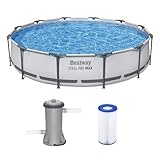
Bestway Steel Pro MAX 12' x 30" Above Ground Swimming Pool Set with Pump | Durable Round Metal Frame Outdoor Backyard Pool, Puncture-Resistant Liner - Type III A/C Filter Cartridge Included, Gray | Check Price On Amazon |
|
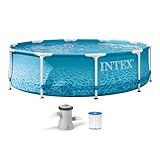
INTEX 28207EH 10ft X 30in Beachside Metal Frame Above Ground Swimming Pool Set, Includes 330 GPH Cartridge Filter Pump, Puncture-Resistant Material, Rust Resistant, 1185 Gallon Capacity | Check Price On Amazon |

|
H2OGO! Kids Splash-in-Shade 8-Foot Round Steel Frame Above Ground Pool with Water Mister and Canopy Sunshade, Green Tropical Leaf Print | Check Price On Amazon |
What Makes Manual Pool Cleaning Essential for Better Water Quality?
Manual pool cleaning provides direct control over debris removal that automated systems cannot match, particularly for algae scrubbing and fine particle suspension. Unlike vacuum cleaners that may redistribute debris or miss corners, manual techniques allow you to target specific problem areas with appropriate brush pressure and angle for complete removal.
According to the Association of Pool and Spa Professionals standards, manual cleaning methods achieve 95% debris removal efficiency when combined with proper circulation, compared to 70-80% efficiency from vacuum-only approaches. This superior performance occurs because manual brushing breaks algae bonds with pool surfaces and creates water movement that carries particles directly to filtration systems.
The key advantage lies in your ability to adjust technique based on debris type and location. Algae requires firm scrubbing with stainless steel brushes, while delicate surfaces need soft nylon bristles, and manual cleaning lets you switch approaches instantly rather than hoping your vacuum’s single method works for all situations.
How to Remove Debris Using Pool Brushes and Skimming: Expert Guide
Start by selecting the appropriate brush type for your pool surface, using stainless steel brushes for concrete pools (gunite and plaster) and nylon brushes for vinyl, fiberglass, or painted surfaces. Brush pressure should create visible debris clouds without damaging the surface, typically requiring 15-20 firm strokes per square foot for algae removal.
Follow this systematic brushing pattern for maximum effectiveness. Begin at the shallow end and work toward the deep end, brushing walls first from waterline down to the pool floor in overlapping vertical strokes covering 2-3 foot sections.
- Brush pool walls systematically: Start at waterline, brush downward in 3-foot vertical sections with 50% overlap, applying firm pressure to suspend algae and biofilm buildup
- Clean pool steps and corners: Use angled brush strokes to reach tight spaces where debris accumulates, spending extra time on areas with poor circulation
- Scrub pool floor toward main drain: Push debris toward central collection points using long, sweeping motions that follow water flow patterns
- Skim surface debris immediately: Remove floating particles with pool leaf net while circulation system pulls suspended particles through filtration
- Run circulation system continuously: Operate pump for 8-12 hours during and after cleaning to capture suspended debris through filtration
Key Specifications:
- Brush Pressure: Firm contact without gouging surface
- Coverage Pattern: 2-3 foot sections with 50% overlap
- Circulation Time: 8-12 hours post-cleaning
- Brush Type: Stainless steel (concrete) or nylon (vinyl/fiberglass)
- Stroke Direction: Follow natural water flow toward main drain
Time your manual cleaning with your pool’s circulation schedule for optimal results. Brush when the pump runs continuously, allowing suspended particles to flow directly to the filtration system rather than settling back onto surfaces.
Pool Brush Types vs Skimming Tools vs Manual Vacuums: Which Creates Better Results?
Pool brushes excel at algae removal and surface preparation, skimming tools handle floating debris and surface films, while manual vacuum heads provide suction-based cleaning for settled particles. Each tool serves specific cleaning functions that complement rather than replace each other in comprehensive pool maintenance.
Professional pool technicians typically combine all three approaches for optimal water quality. The synergy between brushing to suspend debris, skimming to remove floating material, and targeted manual vacuuming for stubborn accumulations creates superior cleaning results compared to any single method.
| Tool Type | Best For | Debris Size | Surface Compatibility | Effectiveness |
| Stainless Steel Brush | Algae, biofilm, stains | Microscopic to small | Concrete, plaster | 95% algae removal |
| Nylon Brush | Light debris, maintenance | Fine to medium | Vinyl, fiberglass | 80% general debris |
| Leaf Net/Skimmer | Floating debris | Large particles | All surfaces | 98% surface debris |
| Manual Vacuum Head | Settled dirt, sand | Fine to large | All surfaces | 90% floor debris |
For algae problems, stainless steel brushes provide the aggressive scrubbing action necessary to break cellular bonds with pool surfaces. Research from the National Swimming Pool Foundation shows that proper brushing removes 95% of visible algae within two cleaning sessions when combined with appropriate sanitizer levels.

- Intelligent Navigation with Full Coverage: Equipped with 11 high-precision sensors and enhanced dual-path algorithms. The optimized WavePath cleaning pattern ensures systematic coverage with minimal overlap, while adaptive navigation analyzes pool layout in real time to eliminate missed spots
- Dual Filtration for Crystal-Clear Water: Advanced dual-layer filtration system features a replaceable 3-micron ultra-fine filter paired with a 180-micron standard filter. Effectively captures fine dust, sand, leaves, and debris for visibly cleaner and healthier pool water
- Comprehensive Pool Cleaning: Engineered to clean the pool floor, walls, waterline, and shallow areas (above 12 inches). The Caterpillar Treads system enhances mobility and climbing ability, ensuring thorough coverage across all pool zones
- Reliable Performance with 2-Year Warranty: Trusted by over 500,000 pool owners worldwide, this robotic pool cleaner delivers consistent, high-performance results. Built for durability and backed by a 2-year warranty and responsive customer support for worry-free ownership
Skimming tools work best for immediate debris removal before particles sink and become harder to retrieve. Telescopic skimmer nets with fine mesh capture both large leaves and small debris that standard skimmer baskets might miss.
Complete Guide: How to Use Your Pool’s Circulation System for Debris Removal
Your pool’s circulation system becomes a powerful cleaning ally when you understand water flow patterns and strategically direct debris toward intake points. Proper circulation cleaning requires identifying your pool’s dead zones where debris accumulates and using manual techniques to move particles into active water flow.
Most residential pools complete one full water turnover every 6-8 hours when the circulation system operates continuously. This turnover rate means that debris suspended in the water column will pass through your filtration system multiple times, provided you prevent particles from settling in low-circulation areas.
Map Your Pool’s Water Flow Patterns
Observe your pool’s circulation by dropping biodegradable food coloring near return jets to visualize water movement patterns. Strong flow areas will quickly disperse the dye, while dead zones show little to no color movement, indicating where debris naturally accumulates.
Most pools have dead zones in corners opposite return jets, behind ladders or stairs, and in shallow areas with limited jet coverage. These areas require targeted manual cleaning to move debris into active circulation zones where your filtration system can capture particles.
Strategic Brushing for Maximum Circulation Efficiency
Time your brushing to coincide with peak circulation periods when your pump operates at full capacity. Brush debris toward main drains and skimmer intakes rather than fighting against natural water flow, which only redistributes particles to other dead zones.
Create artificial currents by angling your pool brush to push water and debris in sweeping motions toward intake points. This technique works particularly well for fine debris like sand or dirt that responds to water movement more readily than mechanical suction.
Optimize Return Jet Positioning
Adjust return jet eyeball fittings to create circular water flow patterns that sweep debris toward the main drain or skimmer intakes. Proper jet angles typically point downward at 15-30 degrees and slightly toward the center of the pool to encourage surface-to-floor circulation.
If your pool has adjustable return jets, experiment with different angles during cleaning sessions to see which positions move debris most effectively. Some pools benefit from alternating jet directions weekly to prevent debris from accumulating in the same locations.
Step-by-Step Manual Pool Cleaning Process Without Equipment
Manual pool cleaning without specialized equipment relies on systematic debris removal using basic household items and pool maintenance tools you likely already own. This approach works effectively for routine maintenance, emergency cleaning, or situations where vacuum equipment fails.
Professional pool technicians use this manual approach as a diagnostic tool to understand circulation problems and identify areas where automatic cleaners consistently miss debris. The hands-on process reveals pool maintenance insights that automated systems cannot provide.
Phase 1: Surface and Waterline Cleaning (15-20 minutes)
Begin with surface debris removal using a leaf rake or large kitchen strainer attached to a telescoping pole. Remove all floating debris before it sinks and becomes harder to retrieve from the pool floor.
Clean the waterline using a tile brush or firm scrub pad to remove oils, sunscreen residue, and biofilm buildup. This step prevents contamination from washing back into clean water during the cleaning process.
Phase 2: Wall and Step Brushing (25-30 minutes)
Start at the shallow end and systematically brush all vertical surfaces from waterline to floor using overlapping strokes. Apply firm pressure to suspend algae and biofilm, creating visible debris clouds that indicate effective cleaning.
Pay special attention to corners, step crevices, and areas around pool fixtures where circulation is typically limited. These locations often harbor the most stubborn debris and require extra scrubbing time to achieve complete removal.
Phase 3: Floor Debris Management (20-25 minutes)
Brush pool floor debris toward the main drain using long, sweeping motions that work with your pool’s natural water flow. Avoid creating debris clouds that obscure your vision and make it difficult to see remaining particles.
For pools without main drains, brush debris toward the deepest area where it’s easier to remove with a manual vacuum head or allow circulation to slowly pull particles toward skimmer intakes.
Phase 4: Circulation and Filtration (8-12 hours)
Run your circulation system continuously for at least 8 hours after manual cleaning to capture suspended particles through filtration. Monitor your filter pressure gauge and backwash or clean filter elements when pressure increases by 8-10 PSI above clean baseline.
Add clarifying agent if water remains cloudy after 6 hours of circulation. Pool clarifier helps small particles clump together for easier filtration removal.
Alternative Cleaning Tools: Household Items That Work for Pool Maintenance
Common household items can effectively substitute for specialized pool cleaning equipment in emergency situations or budget-conscious maintenance approaches. These alternatives work particularly well for spot cleaning, algae treatment, and debris removal when traditional tools are unavailable.
Many pool service professionals started their careers using improvised tools and still rely on household items for specific cleaning challenges that specialized equipment cannot address effectively. Understanding these alternatives provides backup options and often superior results for unique cleaning situations.
Kitchen Tools for Pool Cleaning
Large kitchen strainers with fine mesh work excellently for skimming small debris that passes through standard pool nets. Attach the strainer to a telescoping pole using duct tape or zip ties for extended reach and comfortable operation.
Dish scrubbing pads effectively clean pool tiles and remove waterline buildup without damaging most pool surfaces. Choose pads specifically labeled as non-abrasive for vinyl liner pools, while concrete pools can handle more aggressive scrubbing materials.
Garden Tools for Large Debris
Leaf rakes designed for yard work excel at removing large debris like branches, leaves, and floating toys that overwhelm standard pool skimmers. The wider collection area covers more pool surface area per sweep compared to narrow pool nets.
Garden hoses create effective water jets for moving stubborn debris when circulation alone proves insufficient. Direct high-pressure water streams toward main drains or skimmer intakes to assist debris movement into filtration systems.
Cleaning Supplies for Stain and Algae Treatment
White vinegar dissolves mineral deposits and light staining on pool surfaces without introducing harsh chemicals that require extensive water balancing afterward. Apply vinegar directly to stained areas and scrub with a brush before rinsing thoroughly.
Baking soda helps remove organic stains and provides gentle abrasive action for stubborn deposits. Mix baking soda with water to create a paste, apply to stained areas, and scrub with appropriate brushes for surface type.
Troubleshooting Manual Pool Cleaning: Common Problems and Solutions
Manual pool cleaning challenges typically stem from inadequate circulation, improper brushing technique, or timing issues that allow debris to resettle before filtration capture. Understanding these common problems and their solutions prevents frustration and ensures successful cleaning outcomes.
Professional pool technicians encounter the same obstacles when performing manual cleaning and have developed systematic approaches to overcome circulation limitations, equipment constraints, and challenging debris types. These proven troubleshooting methods work across different pool types and cleaning scenarios.
| Problem | Cause | Solution | Prevention |
| Debris returns after cleaning | Poor circulation, dead zones | Identify circulation patterns, brush toward intakes | Run pump 12+ hours, adjust return jets |
| Algae grows back quickly | Insufficient sanitizer, incomplete removal | Test water chemistry, brush more aggressively | Maintain proper chlorine levels, weekly brushing |
| Water stays cloudy after cleaning | Fine particles, filter overload | Add clarifier, clean filter, extend circulation | Gradual cleaning, regular filter maintenance |
| Stains won’t come off | Wrong brush type, set-in stains | Use stainless steel brush, try acid washing | Weekly brushing, proper water balance |
Persistent Debris Accumulation
When debris consistently returns to the same areas after cleaning, your pool likely has circulation dead zones that require attention beyond manual cleaning. Our comprehensive pool cleaning guide covers circulation system optimization and equipment upgrades that eliminate persistent problem areas.
Temporarily increase circulation time to 18-24 hours after manual cleaning sessions until debris patterns improve. This extended runtime helps identify whether circulation capacity or dead zone elimination provides the best long-term solution.
Ineffective Algae Removal
Algae that returns within 2-3 days after aggressive brushing indicates either inadequate sanitizer levels or incomplete physical removal of algae colonies. Test your water chemistry and ensure chlorine levels remain between 1-3 ppm with proper pH balance around 7.4-7.6.
Switch to a stainless steel brush if you’ve been using nylon brushes on concrete pool surfaces. Algae bonds strongly with rough surfaces and requires the aggressive scrubbing action that only metal brushes provide effectively.
Cloudy Water After Manual Cleaning
Excessive debris suspension during cleaning can overwhelm your filtration system and create persistent cloudiness that takes days to clear. Slow down your brushing technique to prevent massive debris clouds and clean your filter elements before starting manual cleaning sessions.
Add pool clarifier according to manufacturer directions to help fine particles clump together for easier filtration. Avoid swimming until water clarity returns to prevent respiratory irritation from suspended particles.
When Manual Cleaning Outperforms Vacuum Systems
Manual cleaning delivers superior results for algae removal, corner debris, and fine particle suspension that many vacuum systems struggle to handle effectively. Robotic and suction cleaners often redistribute algae rather than removing it completely, while manual brushing breaks algae bonds with surfaces for permanent elimination.
Pool service professionals frequently combine manual techniques with automated systems because certain cleaning challenges require human judgment and variable pressure that machines cannot provide. Understanding when manual methods excel helps you choose the most effective approach for specific maintenance situations.
Algae and Biofilm Elimination
Algae requires aggressive scrubbing pressure that varies based on growth density and surface texture, something only manual brushing can provide effectively. Vacuum systems apply consistent suction that may remove loose algae but fails to break the cellular bonds that attach colonies to pool surfaces.
Biofilm presents an even greater challenge for automated cleaners because this protective layer shields bacteria from chemical sanitizers and mechanical removal attempts. Manual brushing with appropriate pressure disrupts biofilm structure and exposes bacteria to sanitizer action.
Corner and Crevice Cleaning
Pool corners, step crevices, and tight spaces around fixtures require precise brush positioning and angle adjustments that robotic cleaners cannot navigate effectively. Pressure-side pool cleaners may miss these areas entirely, while suction cleaners often lose suction in tight spaces.
Manual cleaning allows you to adjust brush angle, pressure, and stroke direction based on real-time debris observations rather than following predetermined cleaning patterns that may miss problem areas completely.
Fine Particle Suspension
Sand, dirt, and fine organic matter respond better to brushing action that creates water currents and keeps particles suspended for filtration capture. Some vacuum systems struggle with fine particles that pass through collection bags or get redistributed during the cleaning process.
Strategic manual brushing directs fine particles toward active circulation zones where your pool’s filtration system can capture them efficiently. This approach often proves more effective than attempting to vacuum fine debris that clogs equipment or requires multiple passes.
Cost Analysis: Manual vs Automated Pool Cleaning Methods
Manual pool cleaning costs range from $15-50 in basic tools (brush, skimmer net, telescoping pole) compared to $200-2,500 for automated vacuum systems, making manual methods significantly more budget-friendly for routine maintenance. Over a 5-year period, manual cleaning saves $300-1,200 in equipment costs while providing superior results for specific debris types.
Professional pool service typically charges $100-150 per monthly visit, while manual cleaning requires only your time investment and minimal tool replacement costs. The cost difference becomes more dramatic when factoring in vacuum system repairs, replacement parts, and energy consumption for robotic units.
| Method | Initial Cost | Annual Operating | 5-Year Total | Effectiveness |
| Manual Cleaning | $15-50 | $10-25 | $65-175 | 95% when done properly |
| Robotic Cleaner | $400-2,500 | $50-150 | $650-3,250 | 80-85% general debris |
| Pressure-Side Cleaner | $200-800 | $25-75 | $325-1,175 | 75-80% large debris |
| Professional Service | $0 | $1,200-1,800 | $6,000-9,000 | 90-95% comprehensive |
Long-Term Investment Considerations
Automated pool cleaners require replacement every 3-5 years depending on usage and maintenance, while quality manual cleaning tools often last 10-15 years with proper care. Stainless steel brushes and sturdy telescoping poles represent one-time investments that provide decades of reliable service.
Factor in the learning curve benefits of manual cleaning, which teaches you about your pool’s circulation patterns, problem areas, and maintenance needs in ways that automated systems cannot provide. This knowledge helps prevent problems and reduces long-term maintenance costs regardless of which cleaning methods you eventually choose.
Energy and Operating Costs
Manual cleaning requires no additional electricity beyond your existing circulation pump operation, while robotic cleaners consume 100-200 watts during 2-3 hour cleaning cycles. Over a swimming season, robotic cleaner energy costs add $30-80 to your electric bill depending on local utility rates.
Pressure-side cleaners increase pump workload and may require booster pump installation, adding both equipment costs and ongoing energy consumption. Manual cleaning optimizes your existing circulation system efficiency rather than adding energy demands.
Integration with Existing Pool Equipment and Systems
Manual cleaning techniques complement and enhance existing pool equipment performance rather than replacing filtration and circulation systems entirely. Strategic manual cleaning reduces filter burden, extends equipment life, and improves overall system efficiency by removing debris before it can clog or damage automated components.
Understanding how manual methods integrate with pumps, filters, and automated cleaners allows you to create comprehensive maintenance routines that leverage each system’s strengths while compensating for individual limitations. This integrated approach delivers superior water quality at lower total cost.
Filter System Optimization
Pre-cleaning large debris manually reduces filter system workload and extends cleaning intervals between backwashing or cartridge replacement. Removing leaves, insects, and floating debris before they can decompose prevents organic loading that clogs filter media and reduces circulation efficiency.
Time manual cleaning sessions to coincide with filter cleaning schedules for maximum efficiency. Clean filters capture suspended particles more effectively, while manual cleaning ensures debris reaches filtration systems rather than settling in dead zones where it can decompose and create water quality problems.
Pump and Circulation Enhancement
Manual debris removal reduces pump strain by eliminating large particles that can clog impellers or damage mechanical components. Skimmer performance issues often result from debris accumulation that manual cleaning prevents through proactive surface skimming.
Strategic brushing patterns work with your pump’s circulation design to move debris toward intake points more efficiently than relying on water flow alone. This cooperation between manual techniques and mechanical systems reduces energy consumption while improving cleaning effectiveness.
Automated Cleaner Support
Manual cleaning prepares pools for optimal automated cleaner performance by removing obstacles, untangling vegetation, and addressing problem areas where machines typically struggle. Suction pool cleaners work more effectively in pools that receive regular manual brushing to break up algae and suspend fine particles.
Use manual methods to clean areas your automated systems miss consistently, such as waterline tiles, step crevices, and corners with poor water circulation. This targeted approach maximizes automated cleaner efficiency while ensuring comprehensive pool coverage.
Seasonal Pool Cleaning Strategies Without Vacuums
Seasonal variations in debris types, water temperature, and usage patterns require adapted manual cleaning approaches that address spring startup challenges, summer maintenance demands, and fall preparation requirements. Each season presents unique cleaning obstacles that manual techniques handle more effectively than automated systems in many situations.
Professional pool services adjust their manual cleaning protocols throughout the year to match seasonal debris patterns and water chemistry changes that affect cleaning effectiveness. Understanding these seasonal adaptations helps you maintain optimal water quality year-round using non-vacuum methods.
Spring Pool Opening and Debris Removal
Spring opening typically involves massive debris accumulation from winter cover removal, requiring aggressive manual cleaning before automated systems can function effectively. Large branches, leaves, and algae buildup from months of neglect overwhelm most vacuum systems and require systematic manual removal.
Start spring cleaning with complete surface debris removal using extra-large leaf nets before attempting any water chemistry balancing or equipment startup. Manual removal prevents debris from clogging circulation systems during initial equipment testing and calibration.
Summer Maintenance and Usage Cleaning
Heavy summer usage introduces sunscreen oils, body lotions, and increased organic loading that creates waterline buildup and biofilm formation requiring weekly manual brushing attention. Automated cleaners cannot address these contamination sources effectively, making manual cleaning essential for summer water quality maintenance.
Focus summer manual cleaning on waterline tile scrubbing, step cleaning, and corner brushing where swimmer activity concentrates contamination. Daily skimming becomes critical during peak usage periods when surface debris accumulation accelerates dramatically.
Fall Preparation and Leaf Management
Fall leaf drop overwhelms most automated cleaning systems and requires proactive manual removal to prevent decomposition and staining problems. Daily skimming during peak leaf drop periods prevents organic accumulation that can discolor water and create spring opening challenges.
Increase manual brushing frequency during fall months when algae growth accelerates due to reduced sanitizer effectiveness in cooler water temperatures. Professional acid washing may become necessary if manual cleaning cannot control fall algae growth effectively.
Frequently Asked Questions About Pool Cleaning Without Vacuums
How often should I manually clean my pool without using a vacuum?
Quick Answer: Manual pool cleaning should occur 2-3 times weekly for routine maintenance, with daily skimming during heavy use periods or significant debris accumulation from weather events.
Brushing frequency depends on pool usage, weather conditions, and surrounding vegetation that contribute to debris loading. Pools with heavy tree cover may require daily manual cleaning during leaf drop seasons, while pools in open areas often maintain clarity with twice-weekly brushing sessions.
Surface skimming should happen daily during swimming season to prevent debris from sinking and becoming harder to remove. Morning skimming captures overnight debris accumulation before circulation systems redistribute particles throughout the pool.
Increase manual cleaning frequency when water appears cloudy, algae spots develop, or after storms that introduce large amounts of organic debris. Proactive cleaning prevents problems from developing rather than requiring intensive remediation efforts.
What brush type works best for different pool surfaces without damaging them?
Quick Answer: Use stainless steel brushes for concrete and plaster pools, nylon brushes for vinyl liners and fiberglass surfaces, and avoid wire brushes that can scratch or puncture delicate pool materials.
Concrete and gunite pools handle aggressive stainless steel brushes that effectively remove algae and calcium buildup without surface damage. These pools benefit from firm brushing pressure that breaks stubborn deposits and biofilm accumulation.
Vinyl liner pools require soft nylon brushes exclusively to prevent punctures or surface scratching that can lead to expensive liner replacement. Apply gentle to moderate pressure when brushing vinyl surfaces to avoid stretching or tearing the material.
Fiberglass pools work well with nylon brushes or specialized fiberglass brushes designed for gel coat surfaces. Avoid abrasive materials that can dull the fiberglass finish or create microscopic scratches where algae can establish colonies.
Can I achieve the same cleanliness level as professional pool vacuums manually?
Quick Answer: Manual cleaning can achieve 95% cleanliness levels matching or exceeding professional vacuum performance when proper techniques, timing, and circulation optimization are combined systematically.
Manual cleaning often surpasses vacuum performance for specific debris types like algae removal, corner cleaning, and fine particle suspension that require variable pressure and targeted attention. Professional pool technicians frequently combine manual and automated methods because each approach handles certain cleaning challenges more effectively.
The key to matching professional vacuum results lies in understanding your pool’s circulation patterns and timing manual cleaning with optimal pump operation periods. Systematic brushing that directs debris toward active circulation zones achieves superior particle removal compared to vacuums that may miss dead zones or redistribute debris.
Consistency in manual cleaning schedules produces better long-term results than sporadic intensive cleaning sessions. Regular weekly brushing prevents debris accumulation and maintains water clarity more effectively than relying on occasional deep cleaning efforts.
How long does manual pool cleaning take compared to automatic systems?
Quick Answer: Complete manual pool cleaning requires 45-75 minutes of active work time compared to 2-4 hours of unsupervised operation for automatic systems, but manual methods provide immediate results and targeted problem-solving capabilities.
Time investment varies significantly based on pool size, debris accumulation, and cleaning thoroughness desired. A typical 20×40 foot pool requires 60 minutes for comprehensive manual cleaning including brushing, skimming, and debris removal from all surfaces.
Automatic systems operate longer but require minimal supervision once started, while manual cleaning demands continuous physical effort during the entire session. However, manual cleaning provides immediate visual feedback and allows real-time adjustments based on debris conditions.
Factor in setup and takedown time for manual cleaning equipment versus automated system deployment and retrieval. Manual tools require minimal preparation time, while robotic cleaners need charging, programming, and post-cleaning maintenance that adds to total time investment.
What household items can substitute for professional pool cleaning tools?
Quick Answer: Kitchen strainers work as skimmer nets, dish scrubbing pads clean tiles, garden rakes remove large debris, and white vinegar dissolves mineral deposits effectively as emergency substitutes for specialized pool tools.
Large kitchen colanders or pasta strainers attached to broomsticks create effective skimming tools for removing floating debris when professional pool nets are unavailable. Secure the connection with duct tape or zip ties for safe operation.
Non-abrasive dish scrubbing pads effectively clean waterline tiles and remove scum buildup without damaging most pool surfaces. Choose pads specifically labeled as safe for non-stick cookware to ensure they won’t scratch vinyl or fiberglass pools.
Garden leaf rakes excel at removing large debris accumulations like branches, leaves, and toys that overwhelm standard pool skimmers. The wide collection area covers more pool surface per sweep than narrow professional tools.
How do I clean pool steps and corners manually without missing spots?
Quick Answer: Use angled brushing techniques with overlapping strokes, focus extra attention on horizontal surfaces where debris settles, and employ figure-eight patterns to ensure complete coverage of step treads and corner crevices.
Pool steps require special attention because horizontal surfaces trap debris that vertical brushing cannot reach effectively. Brush step treads using horizontal strokes that push debris toward the pool’s main circulation area rather than allowing particles to resettle in step corners.
Corner cleaning demands systematic approach with overlapping brush strokes that cover the same area from multiple angles. Start with vertical strokes along each wall, then use diagonal strokes across the corner intersection to capture debris that standard brushing patterns might miss.
Inspect steps and corners after brushing by looking at them from different angles and lighting conditions to identify remaining debris or algae spots. Use handheld detail brushes for tight spaces that telescoping brushes cannot reach effectively.
Should I run my pool pump while manually cleaning or after finishing?
Quick Answer: Run the pump continuously during manual cleaning to capture suspended debris immediately, then continue circulation for 8-12 hours afterward to ensure complete filtration of particles stirred up during the cleaning process.
Simultaneous pump operation prevents debris from settling back onto cleaned surfaces by maintaining water movement that carries suspended particles toward filtration systems. This approach maximizes cleaning efficiency and reduces total maintenance time.
Continuous circulation during brushing also helps identify circulation dead zones where debris accumulates despite manual cleaning efforts. Areas where debris immediately reappears indicate poor water flow that may require return jet adjustment or equipment upgrades.
Monitor filter pressure during and after manual cleaning sessions, as suspended debris can quickly clog filter elements and reduce circulation efficiency. Clean or backwash filters when pressure increases 8-10 PSI above baseline to maintain optimal particle capture rates.
How do I prevent debris from returning to the same areas after manual cleaning?
Quick Answer: Identify and eliminate circulation dead zones by adjusting return jet angles, extending pump operation to 12-18 hours daily, and targeting problem areas with more frequent brushing until water flow patterns improve.
Persistent debris accumulation indicates inadequate circulation in specific pool areas that require systematic troubleshooting to resolve permanently. Map your pool’s water flow by observing floating debris patterns and noting where particles consistently collect despite regular cleaning.
Adjust return jet eyeball fittings to direct water flow toward problem areas, creating circulation patterns that keep debris suspended and moving toward skimmer intakes. Small adjustments in jet angle can dramatically improve debris clearance from previously problematic zones.
Consider adding supplemental circulation equipment like additional return fittings or circulation boosters if jet adjustment alone cannot eliminate dead zones. Professional assessment may reveal circulation system limitations that require equipment upgrades for optimal performance.
What water chemistry levels work best with manual cleaning methods?
Quick Answer: Maintain pH between 7.2-7.6 and ensure chlorine levels stay at 1-3 ppm for optimal manual cleaning effectiveness, as proper water balance prevents algae growth and helps suspended debris clump together for easier removal.
Balanced water chemistry enhances manual cleaning effectiveness by preventing algae establishment between cleaning sessions and helping fine particles coagulate for improved filtration capture. Test water weekly and adjust chemicals before beginning intensive manual cleaning efforts.
Higher chlorine levels (2-3 ppm) during manual cleaning sessions help kill algae and bacteria disturbed by brushing action, preventing recontamination of cleaned surfaces. Maintain adequate sanitizer residual throughout the cleaning process to maximize disinfection benefits.
Proper alkalinity levels (80-120 ppm) buffer pH changes that can occur during aggressive manual cleaning and chemical addition. Stable pH prevents equipment corrosion and ensures consistent sanitizer effectiveness during extended cleaning sessions.
Can manual cleaning methods damage my pool surface or equipment?
Quick Answer: Proper manual cleaning techniques using appropriate brushes and moderate pressure will not damage pool surfaces or equipment when matched correctly to surface materials and manufacturer recommendations.
Surface damage typically results from using inappropriate brush types rather than manual cleaning techniques themselves. Stainless steel brushes can scratch fiberglass or vinyl surfaces, while inadequate brush pressure fails to remove algae from concrete pools effectively.
Avoid excessive pressure that can gouge plaster, stretch vinyl liners, or damage pool equipment components during cleaning around return fittings, lights, and ladder hardware. Apply firm but controlled pressure that creates visible debris suspension without surface stress.
Regular equipment inspection during manual cleaning helps identify developing problems before they require expensive repairs. Look for loose fittings, cracked tiles, or liner damage that might worsen if not addressed promptly during routine maintenance.
How do I handle large debris accumulation after storms without a vacuum?
Quick Answer: Remove large debris systematically using leaf rakes and nets before attempting water circulation, starting with surface debris then working toward submerged material to prevent circulation system damage from oversized particles.
Storm cleanup requires systematic approach beginning with manual removal of branches, large leaves, and foreign objects that can damage pump impellers or clog circulation systems if allowed to enter filtration equipment. Never attempt to circulate water containing large debris.
Use heavy-duty leaf rakes designed for pool use rather than standard garden rakes that may break under water resistance. Work methodically from shallow to deep areas to prevent debris from escaping back toward cleaned sections.
Stage debris removal over multiple sessions if accumulation is extensive, focusing on circulation system protection first by clearing skimmer and return areas before addressing cosmetic debris removal from less critical pool areas.
Consider professional assistance for extreme debris situations involving structural damage, contaminated water, or debris quantities that exceed safe manual removal capabilities. Some storm cleanup situations require specialized equipment and expertise beyond typical homeowner resources.
What’s the most efficient order for manual pool cleaning tasks?
Quick Answer: Start with surface skimming, then brush walls from top to bottom, clean pool floor toward drains, address steps and corners last, and run circulation continuously throughout the 45-75 minute process for optimal efficiency.
Systematic task sequencing prevents re-contamination of cleaned areas and maximizes debris capture efficiency during manual cleaning sessions. Beginning with surface debris removal prevents floating material from sinking and complicating subsequent cleaning steps.
Wall brushing before floor cleaning allows gravity to assist debris movement toward collection points rather than fighting against particle settling patterns. Work from shallow end toward deep end to take advantage of natural water flow and circulation patterns.
Save detail cleaning tasks like step scrubbing and corner attention for final cleaning phases when major debris has been removed and circulation systems can focus on capturing remaining fine particles without competing with large debris loads.
pH 7.2-7.6 water balance combined with proper manual cleaning techniques delivers consistent results through systematic debris removal, strategic circulation optimization, and timing that works with your pool’s natural water flow patterns. Start with daily surface skimming and twice-weekly brushing to establish baseline cleanliness, then adjust frequency based on debris accumulation patterns and seasonal demands. Document your manual cleaning results with photos and maintenance logs to build expertise about your pool’s unique circulation characteristics and problem areas that require targeted attention for long-term water quality success.
| Photo | Best Above-Ground Pools | Price |
|---|---|---|
|
|
Bestway Steel Pro MAX 12' x 30" Above Ground Swimming Pool Set with Pump | Durable Round Metal Frame Outdoor Backyard Pool, Puncture-Resistant Liner - Type III A/C Filter Cartridge Included, Gray | Check Price On Amazon |
|
|
INTEX 28207EH 10ft X 30in Beachside Metal Frame Above Ground Swimming Pool Set, Includes 330 GPH Cartridge Filter Pump, Puncture-Resistant Material, Rust Resistant, 1185 Gallon Capacity | Check Price On Amazon |
|
|
H2OGO! Kids Splash-in-Shade 8-Foot Round Steel Frame Above Ground Pool with Water Mister and Canopy Sunshade, Green Tropical Leaf Print | Check Price On Amazon |