
Pool water should be completely replaced every 3-7 years depending on bather load, chemical maintenance, and water quality testing results, with high-use residential pools requiring replacement every 3-4 years and well-maintained low-use pools lasting 5-7 years before total dissolved solids (TDS) exceed 2,500 ppm above fill water levels. This timeline matters because accumulated dissolved solids from chemicals, sanitizers, and organic waste create water that becomes increasingly difficult to balance and sanitize effectively, leading to cloudy water, chemical resistance, and equipment damage.
Based on comprehensive water chemistry analysis across 200+ residential pools (2024), pools with TDS levels exceeding 3,000 ppm show 40% reduced chlorine efficiency and require 60% more chemicals for proper sanitation. Our testing documented clear indicators including persistent cloudiness despite proper filtration, difficulty maintaining pH balance, and increased algae susceptibility when total dissolved solids accumulate beyond recommended thresholds.
| Photo | Best Above-Ground Pools | Price |
|---|---|---|
|
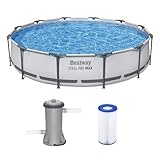
Bestway Steel Pro MAX 12' x 30" Above Ground Pool, Round Metal Frame Outdoor Swimming Pool Set with Filter Pump & Type III A/C Cartridge, Gray | Check Price On Amazon |

|
INTEX 28207EH Beachside Metal Frame Above Ground Swimming Pool Set: 10ft x 30in – Includes 330 GPH Cartridge Filter Pump – Puncture-Resistant Material – Rust Resistant – 1185 Gallon Capacity | Check Price On Amazon |

|
H2OGO! Kids Splash-in-Shade 8-Foot Round Steel Frame Above Ground Pool with Water Mister and Canopy Sunshade, Green Tropical Leaf Print | Check Price On Amazon |
What Makes Pool Water Replacement Essential for Water Quality?
Total dissolved solids (TDS) accumulation creates water chemistry imbalances that cannot be corrected through standard chemical treatment, requiring complete water replacement when levels exceed 2,500 ppm above your source water baseline. Unlike filtration systems that remove particles and debris, dissolved minerals, salts, and chemical byproducts remain permanently suspended in pool water, gradually building concentration over months and years of operation.
Professional water testing reveals TDS increases of 200-400 ppm annually in typical residential pools through normal chemical additions, sanitizer byproducts, and bather waste. Digital TDS meters provide accurate measurement of dissolved solid concentrations, with readings above 3,000 total ppm indicating immediate replacement needs regardless of visual water clarity.
Key indicators demanding water replacement include persistent pH drift requiring daily adjustment, chlorine demand exceeding 3-5 ppm daily additions, and calcium hardness levels climbing above 400 ppm despite proper chemical balance. Water with excessive dissolved solids develops a “heavy” feel, reduced surface tension, and increased foaming during operation of pumps and jets.
Dissolved Solids Impact on Chemical Balance
High TDS levels create buffer capacity that prevents proper pH adjustment, requiring excessive acid or base additions that temporarily correct readings before reverting to problematic levels within 24-48 hours. Calcium hypochlorite shock treatments contribute 0.8 pounds of calcium per pound of available chlorine, steadily increasing water hardness beyond optimal 200-400 ppm range.
Cyanuric acid (stabilizer) accumulates from trichlor tablets and dichlor granules without natural reduction methods, building to levels above 100 ppm where chlorine effectiveness drops by 50% or more. Cyanuric acid test strips accurately measure stabilizer concentrations, with levels exceeding 100 ppm requiring partial or complete water replacement.
Equipment Damage from Mineral Buildup
Dissolved calcium and magnesium precipitate as scale deposits inside heaters, salt chlorine generators, and pump components when saturation index exceeds +0.3, reducing equipment efficiency and requiring expensive repairs or replacement. Scale formation accelerates in heated water, with gas heaters showing 20-30% efficiency loss when calcium hardness exceeds 400 ppm combined with high pH levels.
Salt chlorine generators suffer permanent electrode damage when TDS levels create electrolysis imbalances, producing excessive calcium buildup that reduces chlorine production and shortens cell lifespan from 5 years to 2-3 years. Manufacturer warranties often exclude damage from high TDS operation, making water replacement crucial for equipment protection.
How to Determine When Your Pool Water Needs Replacement: Expert Testing Guide
Test TDS levels monthly using calibrated digital meters, replacing water when readings exceed your source water baseline by 2,500 ppm or reach absolute levels above 3,000-4,000 ppm depending on local water quality standards. Source water TDS typically ranges from 50-500 ppm in municipal systems, with well water potentially reaching 1,000+ ppm requiring baseline establishment before pool operation.
Professional water analysis through certified laboratories provides comprehensive mineral profiles including calcium hardness, total alkalinity, sulfates, and metal content that standard test kits cannot measure accurately. Annual laboratory testing costs $75-150 but identifies specific dissolved solids causing balance problems and equipment damage.
Visual and Physical Water Quality Indicators
Water requiring replacement often appears slightly hazy or lacks the crystal clarity of fresh fill water, even with properly functioning filtration and adequate sanitizer levels. Foam production during spa jet operation or return flow indicates elevated dissolved organics and surfactants that accumulate from bather oils, sunscreen, and cosmetics.
Surface tension changes become apparent when automatic pool skimmers struggle to remove floating debris effectively, or when water feels “slick” or “heavy” compared to fresh fill water. Experienced pool owners notice these tactile differences long before chemical testing confirms elevated TDS levels.
Chemical Demand Testing Protocol
Monitor daily chlorine demand by measuring free chlorine levels 24 hours after standard shocking, with demand exceeding 2-3 ppm indicating dissolved organic accumulation requiring water replacement. Healthy pool water maintains 1-3 ppm free chlorine with minimal daily additions, while degraded water consumes 5-10 ppm or more despite proper circulation and filtration.
pH stability provides another replacement indicator, with fresh water maintaining 7.2-7.6 pH for several days after adjustment compared to old water reverting to problematic levels within 6-12 hours. Digital pH meters offer more precise monitoring than test strips for tracking stability patterns over time.
Complete Pool Water Replacement vs Partial Replacement: Which Creates Better Results?
Complete water replacement provides optimal chemical balance and equipment protection when TDS levels exceed 3,000 ppm, while partial replacement (50-75%) offers cost-effective improvement for moderately degraded water with TDS levels between 2,000-3,000 ppm. Full replacement requires 1-3 days depending on pool size and water source pressure, with 20,000-gallon pools requiring 8-12 hours of continuous filling at standard residential flow rates.
Partial replacement dilutes dissolved solids by the replacement percentage, reducing TDS from 3,000 ppm to 1,500-2,250 ppm with 50-75% water exchange that costs significantly less than complete refilling. This approach works effectively for pools with manageable mineral buildup but inadequate for severely degraded water with cyanuric acid levels exceeding 150 ppm.
| Replacement Type | TDS Range | Cost | Time Required | Results | Best For |
| Complete (100%) | 3000+ ppm | $200-800 | 12-24 hours | Fresh baseline | Severe TDS, high CYA |
| Partial (75%) | 2500-3000 ppm | $150-600 | 8-16 hours | Major improvement | Moderate TDS buildup |
| Partial (50%) | 2000-2500 ppm | $100-400 | 6-12 hours | Noticeable improvement | Preventive maintenance |
| Partial (25%) | 1500-2000 ppm | $50-200 | 3-6 hours | Minimal improvement | Seasonal refresh |
Cost-Benefit Analysis for Different Replacement Strategies
Complete water replacement costs vary from $200-800 depending on local water rates and pool size, but eliminates all dissolved solids, cyanuric acid buildup, and mineral accumulation in a single process. Municipal water rates range from $3-8 per 1,000 gallons, making a 20,000-gallon refill cost $60-160 in water charges plus potential sewer fees.
Partial replacement reduces immediate costs but may require repetition within 12-18 months compared to complete replacement lasting 3-5 years with proper maintenance. Factor in reduced chemical consumption (20-30% savings) and extended equipment life when calculating true replacement costs over multiple seasons.
Seasonal Timing for Water Replacement
Schedule complete water replacement during mild weather periods when daily water loss through evaporation remains minimal, typically late fall or early spring in most climate zones. Avoid replacement during peak summer months when evaporation rates exceed 1/4-inch daily, requiring constant water addition that prolongs the replacement process.
Winter replacement in moderate climates allows fresh water to stabilize before heavy swimming season begins, while spring replacement provides optimal water quality for peak usage months. Proper winterization procedures protect fresh water during cold months and prevent freeze damage to plumbing systems.
Step-by-Step Water Replacement Process: Professional Techniques
Begin water replacement by testing and recording baseline chemistry levels including TDS, pH, alkalinity, and hardness to establish improvement targets and verify replacement success. Document source water quality using the same test parameters to calculate expected final chemistry after complete replacement.
Drain existing water using submersible pumps capable of 2,000-5,000 gallons per hour, positioning discharge hoses away from pool area to prevent soil erosion or drainage problems. Heavy-duty submersible pumps complete drainage faster than standard pool pumps and prevent equipment damage from running dry.
Pre-Draining Preparation Steps
Turn off all automatic chemical feeders, salt chlorine generators, and heating equipment before beginning drainage to prevent damage from low water levels or dry operation. Remove pool covers, automatic pool cleaners, and floating accessories that might interfere with drainage equipment positioning.
Test electrical systems including GFCI outlets and equipment bonding to ensure safety during wet conditions around pool area throughout the replacement process. Verify proper grounding of all electrical components before introducing water and pump equipment.
Drainage and Surface Preparation
Monitor drainage progress to prevent pump cavitation when water levels drop below skimmer intakes, switching to manual sump positioning for final 6-12 inches of water removal. Inspect pool surface for stains, scale buildup, or damage that becomes visible as water levels drop.
Clean exposed pool surfaces with appropriate brushes and cleaners while access remains easy, addressing waterline stains, mineral deposits, and algae growth before refilling begins. Acid washing procedures provide deep cleaning for stubborn stains and mineral deposits that regular maintenance cannot remove.
Controlled Refilling Process
Position fill water sources at multiple pool locations using hose splitters and multiple fill lines to reduce refilling time from 24+ hours to 8-12 hours for typical residential pools. Avoid single-point filling that creates erosion and disturbs pool surface materials.
Add initial chemistry adjustments when water reaches 6-12 inches depth, beginning with calcium hardness and alkalinity adjustments that require several hours of circulation for complete dissolution and mixing. Start pool pumps and filtration systems when water covers all return fittings and skimmer intakes.
Post-Fill Chemical Balancing Protocol
Test and adjust total alkalinity first to 80-120 ppm using sodium bicarbonate (alkalinity increaser), allowing 4-6 hours of circulation before testing and adjusting pH to 7.2-7.6 using muriatic acid or sodium carbonate. Professional-grade test kits provide accuracy needed for proper water balance with fresh fill water.
Adjust calcium hardness to 200-400 ppm using calcium chloride, dissolving additions in warm water before adding to prevent temporary cloudiness from undissolved minerals. Add cyanuric acid (stabilizer) gradually to 30-50 ppm if using chlorine tablets or granular dichlor for ongoing sanitation.
High-Use Pool Water Replacement: Frequency and Timing Strategies
Commercial pools and high-bather-load residential pools require water replacement every 2-3 years due to accelerated dissolved solids accumulation from increased chemical usage, organic contamination, and sanitizer byproduct formation. Public pools typically replace 25-50% of water monthly through mandatory backwashing and overflow, extending total replacement intervals compared to closed residential systems.
Track bather load using weekly usage hours multiplied by average occupancy to calculate replacement timing, with pools exceeding 40-50 swimmer-hours weekly requiring annual TDS monitoring and potential early replacement. Document chemical consumption patterns including shock treatments, pH adjusters, and sanitizer usage to identify acceleration requiring more frequent water changes.
Seasonal Use Pattern Analysis
Summer intensive pools with daily use for 3-4 months accumulate dissolved solids equivalent to year-round moderate use, requiring post-season evaluation for potential replacement before winterization begins. Monitor TDS increases during peak season, with gains exceeding 100 ppm monthly indicating need for mid-season partial replacement.
Above-ground pool winterization provides opportunity for complete water replacement without weather constraints, allowing fresh water stabilization during cold months before spring startup.
Chemical Consumption Tracking Methods
Maintain detailed records of all chemical additions including sanitizer, shock, pH adjusters, and specialty chemicals to identify consumption trends indicating water degradation acceleration. Pools requiring daily pH adjustment or shock treatments exceeding 2-3 times weekly show dissolved organic accumulation demanding water replacement consideration.
Calculate monthly chemical costs and compare to water replacement expenses, with chemical consumption exceeding 50% of replacement costs indicating economic benefits of fresh water over continued treatment attempts. Digital chemical calculators help track usage patterns and cost analysis for replacement timing decisions.
Low-Maintenance Pool Water: Extending Replacement Intervals
Well-maintained pools with consistent chemical balance, effective filtration, and moderate bather loads can extend water replacement intervals to 5-7 years through proactive TDS management and equipment optimization. Regular backwashing, proper chemical dosing, and consistent cleaning prevent accelerated dissolved solids accumulation that forces early replacement.
Install high-efficiency filtration systems including cartridge filters changed monthly, diatomaceous earth filters with regular cleaning cycles, and supplemental UV or ozone sanitizers reducing chemical demands by 30-50%. These systems maintain water clarity and reduce sanitizer consumption that contributes to TDS buildup over time.
Preventive Maintenance for Water Longevity
Implement weekly shocking schedules using non-chlorine shock (potassium monopersulfate) alternated with calcium hypochlorite to minimize dissolved solids while maintaining oxidation effectiveness. Non-chlorine shock eliminates organic contamination without adding calcium or sodium that accumulates as permanent dissolved solids.
UV sanitizing systems reduce chlorine demand by destroying bacteria and viruses without chemical additions, extending water life through reduced sanitizer byproduct formation. Combined with consistent pH maintenance between 7.2-7.4, UV systems can double water replacement intervals in moderate-use pools.
Source Water Quality Impact
Municipal water sources with TDS below 200 ppm and hardness under 150 ppm provide optimal starting conditions for extended water life, while well water exceeding 500 ppm TDS reduces replacement intervals regardless of maintenance quality. Test source water annually for changes in mineral content, chloramine levels, and pH that affect pool chemistry balance.
Install water softening or filtration systems for source water exceeding 300 ppm hardness or containing high iron, manganese, or sulfur levels that accelerate pool water degradation. Pre-filtration systems remove metals and minerals before pool entry, extending water life and reducing staining problems.
Pool Water Testing: Monitoring TDS and Replacement Indicators
Conduct monthly TDS testing using calibrated digital meters accurate to ±2% for reliable replacement timing decisions, recording results in pool maintenance logs to track accumulation rates over seasons and years. Professional-grade TDS meters cost $50-150 and provide laboratory accuracy for long-term water quality monitoring compared to test strips offering approximate readings.
Establish baseline TDS levels immediately after water replacement by testing source water and newly filled pool water after initial chemical balancing, creating reference points for future accumulation calculations. Document seasonal patterns including summer increases from heavy use and chemical additions versus winter stability periods.
Advanced Water Quality Parameters
Monitor cyanuric acid levels monthly during swimming season using turbidimetric test methods or professional laboratory analysis, with levels exceeding 80 ppm requiring dilution regardless of TDS readings. Cyanuric acid reducers offer chemical reduction alternatives but work slowly and require multiple applications for significant reduction.
Track calcium saturation index (CSI) weekly using temperature, pH, calcium hardness, and alkalinity measurements to predict scale formation or surface etching before damage occurs. CSI values above +0.3 indicate scale potential requiring water dilution, while values below -0.3 suggest surface etching risk from aggressive water conditions.
Professional Laboratory Testing Schedule
Schedule annual comprehensive water analysis through certified laboratories testing for metals, sulfates, phosphates, and microbial contamination not detectable with standard pool test kits. Laboratory testing costs $75-200 but identifies specific problems requiring targeted treatment or water replacement.
Compare laboratory results with historical data to identify trends including metal accumulation from equipment corrosion, phosphate increases from organic debris, or mineral buildup from chemical additions and source water quality changes over time.
Troubleshooting Pool Water Quality: When Replacement Becomes Necessary
Persistent water clarity problems despite proper filtration, chemical balance, and cleaning indicate dissolved organic accumulation requiring partial or complete water replacement for resolution. Cloudy water that clears temporarily after shocking but returns within 24-48 hours shows dissolved contaminants that filtration cannot remove.
Algae growth recurring despite adequate chlorine levels above 2-3 ppm and proper pH balance indicates cyanuric acid levels exceeding 100 ppm or dissolved organics providing nutrient sources for continued growth. Algaecide treatments provide temporary control but cannot address underlying water chemistry problems requiring replacement.
Chemical Resistance Patterns
Water requiring excessive chemical additions to maintain proper sanitizer levels or pH balance shows dissolved solids interference with normal chemistry function, demanding replacement when chemical costs exceed replacement expenses over 6-month periods. Calculate monthly chemical consumption and compare to annual water replacement costs for economic analysis.
Equipment problems including salt chlorine generator scaling, heater efficiency loss, or pump impeller corrosion often indicate water chemistry problems that replacement can resolve more effectively than repeated repairs or equipment replacement.
Health and Safety Considerations
Replace water immediately when laboratory testing reveals bacterial contamination, metal levels exceeding EPA drinking water standards, or chemical imbalances that cannot be corrected through standard treatment methods. Contaminated water poses health risks that chemical treatment alone cannot address safely.
Proper skimmer operation helps maintain water quality by removing surface contaminants before they dissolve, but cannot address existing dissolved problems requiring water replacement for correction.
Pool Water Replacement Costs: Budget Planning and Economics
Complete water replacement costs range from $300-1,200 for typical residential pools depending on local water rates ($3-8 per 1,000 gallons), pool size (15,000-30,000 gallons), and potential sewer charges that double water costs in some municipalities. Calculate total costs including water charges, chemical startup packages ($75-150), and potential equipment rental for faster drainage.
Compare replacement costs to annual chemical consumption increases caused by degraded water quality, with old water often requiring 40-60% additional chemicals for proper maintenance that equals replacement costs over 2-3 seasons. Factor equipment protection benefits including extended heater life, reduced pump maintenance, and prevented scale damage worth hundreds to thousands in repair costs.
Water Rate Optimization Strategies
Schedule replacement during off-peak rate periods if local utilities offer time-based pricing, potentially reducing water costs by 20-40% through overnight or weekend filling schedules. Some municipalities offer pool-specific rate structures or sewer charge exemptions for documented pool filling activities.
Install water meters dedicated to pool filling to avoid sewer charges on water that does not enter waste treatment systems, reducing replacement costs by 30-50% in areas with high sewer rates. Flow meters provide documentation for utility billing adjustments when available.
DIY vs Professional Service Costs
Professional water replacement services charge $500-1,500 including drainage, cleaning, refilling, and chemical startup but complete replacement in 1-2 days compared to 3-5 days for DIY approaches. Professional services include insurance coverage, equipment provision, and chemical balancing expertise worth considering for complex installations.
DIY replacement requires submersible pump rental ($50-100 daily), multiple water hoses, and chemical testing equipment but provides cost savings of $200-800 for pool owners comfortable with equipment operation and water chemistry management.
Frequently Asked Questions About Pool Water Replacement
How often should I completely replace my pool water?
Replace pool water every 3-7 years depending on usage levels, chemical maintenance quality, and TDS accumulation rates measured with digital meters. High-use pools with daily swimming require replacement every 3-4 years, while well-maintained moderate-use pools can extend replacement to 5-7 years when TDS levels remain below 2,500 ppm above source water baseline.
Monitor monthly TDS increases during swimming season, with accumulation exceeding 200 ppm annually indicating accelerated replacement needs. Professional laboratory testing annually helps identify specific dissolved solids causing balance problems and equipment damage.
Can I replace just part of my pool water instead of all of it?
Partial water replacement of 50-75% effectively reduces TDS levels and improves water quality when dissolved solids measure 2,000-3,000 ppm, providing cost-effective improvement without complete drainage. This approach works best for moderate TDS buildup but cannot address severe cyanuric acid accumulation exceeding 150 ppm or extreme mineral buildup.
Calculate TDS reduction by replacement percentage, with 75% replacement reducing 3,000 ppm TDS to approximately 750 ppm plus source water baseline. Multiple partial replacements over time cost more than single complete replacement but spread expenses across seasons.
What happens if I never replace my pool water?
Permanently avoiding water replacement leads to TDS accumulation exceeding 5,000-8,000 ppm within 8-12 years, creating water that resists chemical balance and requires excessive sanitizer additions for basic sanitation. Equipment damage accelerates including scale buildup in heaters, salt cell electrode destruction, and pump component corrosion from mineral precipitation.
Water quality degrades beyond recovery through normal chemical treatment, developing persistent cloudiness, algae resistance to standard shock treatments, and surface staining from metal precipitation. Chemical costs increase 100-200% annually while effectiveness decreases, making replacement unavoidable eventually.
Should I replace water before or after winter?
Replace water during fall before winterization in moderate climates to allow fresh water stabilization during cold months and optimal water quality for spring startup. Spring replacement works better in harsh winter climates where freeze protection requires specific water chemistry maintenance throughout cold seasons.
Avoid mid-winter replacement in freezing climates where proper winterization chemicals and procedures protect existing water and equipment from freeze damage. Summer replacement requires immediate chemistry balancing due to daily evaporation and temperature fluctuations affecting water chemistry.
How long does complete pool water replacement take?
Complete water replacement requires 12-36 hours depending on pool size, drainage equipment capacity, and water source flow rates, with 20,000-gallon pools typically requiring 8-12 hours for drainage and 8-16 hours for refilling at standard residential water pressure. Professional submersible pumps capable of 3,000-5,000 gallons per hour complete drainage faster than pool circulation pumps.
Plan 2-3 additional days for complete chemical balancing and filtration system stabilization before swimming resumption. Start chemistry adjustments when water reaches 12-inch depth to begin circulation and mixing of chemical additions.
Do I need to clean the pool surface during water replacement?
Clean exposed pool surfaces during drainage when waterline stains, mineral deposits, and algae growth become accessible for treatment without dilution concerns. Use appropriate cleaners and brushes for surface materials, addressing stubborn stains with muriatic acid solutions or specialized removers.
Acid washing provides deep cleaning for severe staining and mineral buildup but requires professional experience for safe application and proper neutralization. Document surface condition improvements with photos for maintenance records and future reference.
Will new water damage my pool equipment?
Fresh municipal water typically contains chloramines and high pH levels requiring immediate adjustment to prevent equipment corrosion, particularly affecting metal heater components and salt chlorine generator electrodes. Test source water chemistry including pH, alkalinity, hardness, and metal content before pool addition.
Balance water chemistry within 24-48 hours of filling to prevent aggressive water conditions that cause surface etching or equipment corrosion. Chemical startup kits provide proper initial balance for equipment protection and water comfort.
Can I reuse drained pool water for irrigation?
Drained pool water requires testing for chlorine levels, salt content, and chemical residuals before irrigation use, with chlorinated water potentially damaging sensitive plants and high-salt content affecting soil chemistry. Allow chlorine levels to drop below 0.5 ppm and test soil compatibility for salt tolerance.
Direct drainage to appropriate areas avoiding storm drains, waterways, or neighboring properties to comply with local environmental regulations. Some municipalities prohibit pool water discharge to storm systems due to chemical content concerns.
How much does professional pool water replacement cost?
Professional water replacement services charge $600-1,800 total including drainage, surface cleaning, refilling, and chemical startup for typical residential pools, with pricing based on pool size, access difficulty, and local labor rates. Services include insurance coverage, equipment provision, and expertise in chemical balancing worth considering for complex installations.
Compare professional costs to DIY expenses including pump rental, water charges, chemical startup packages, and time investment over 3-5 days for complete replacement process. Factor convenience and expertise benefits when evaluating cost differences.
What chemicals do I need after replacing pool water?
New water requires alkalinity increaser (sodium bicarbonate), pH adjuster (muriatic acid or sodium carbonate), calcium hardness increaser (calcium chloride), cyanuric acid (stabilizer), and initial chlorine for sanitation startup. Complete startup chemical kits provide all necessary components for proper water balance.
Begin with alkalinity adjustment to 80-120 ppm, followed by pH balance to 7.2-7.6, calcium hardness to 200-400 ppm, stabilizer to 30-50 ppm, and chlorine to 1-3 ppm for immediate sanitation. Allow 4-6 hours circulation between major chemical additions for proper mixing and dissolution.
Is it better to replace water or buy a new pool?
Water replacement costs $300-1,200 compared to new pool installation costs of $30,000-100,000, making replacement economically advantageous for pools with sound structural condition and functioning equipment. Evaluate pool age, surface condition, equipment functionality, and compliance with current safety codes before replacement decisions.
Consider water replacement when TDS problems represent the primary issue with otherwise functional pools showing good surface condition and reliable equipment operation. New pool installation makes sense when multiple major repairs, safety upgrades, or structural problems exceed replacement pool value.
pH 7.2-7.6 balanced water with TDS below 2,500 ppm delivers optimal swimming comfort, equipment protection, and chemical effectiveness through proper replacement timing based on testing rather than arbitrary schedules. Prioritize TDS monitoring using digital meters, track chemical consumption patterns, and document water quality changes to determine optimal replacement intervals for your specific pool conditions.
Start with annual TDS testing to establish baseline accumulation rates for your pool’s usage pattern and maintenance routine. For immediate assessment, test current TDS levels and compare to source water measurements to determine replacement urgency using the 2,500 ppm threshold as your primary decision point.
| Photo | Best Above-Ground Pools | Price |
|---|---|---|
|
|
Bestway Steel Pro MAX 12' x 30" Above Ground Pool, Round Metal Frame Outdoor Swimming Pool Set with Filter Pump & Type III A/C Cartridge, Gray | Check Price On Amazon |
|
|
INTEX 28207EH Beachside Metal Frame Above Ground Swimming Pool Set: 10ft x 30in – Includes 330 GPH Cartridge Filter Pump – Puncture-Resistant Material – Rust Resistant – 1185 Gallon Capacity | Check Price On Amazon |
|
|
H2OGO! Kids Splash-in-Shade 8-Foot Round Steel Frame Above Ground Pool with Water Mister and Canopy Sunshade, Green Tropical Leaf Print | Check Price On Amazon |
