Calcium hardness is a crucial water parameter that measures dissolved calcium in your pool water. The ideal range is 200-400 ppm (parts per million), depending on your pool surface. Low calcium hardness can damage equipment and etch surfaces, while proper levels protect your pool investment. This guide walks you through the complete process of safely adding calcium hardness increaser to restore balance to your pool water.
Understanding Calcium Hardness in Pool Water
Calcium hardness is a fundamental water parameter that measures the amount of dissolved calcium in your pool water. Understanding what it is and why it matters is essential before adding any chemicals to your pool.
| Photo | Best Above-Ground Pools | Price |
|---|---|---|
|
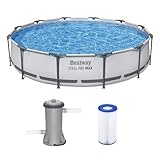
Bestway Steel Pro MAX 12' x 30" Above Ground Swimming Pool Set with Pump | Check Price On Amazon |
|
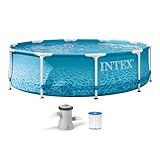
INTEX Beachside Metal Frame 10ft x 30in Round Pool Set w/Pump | Check Price On Amazon |

|
H2OGO! Kids Splash-in-Shade 8-Foot Round Steel Frame Above Ground Pool with Water Mister and Canopy Sunshade, Green Tropical Leaf Print | Check Price On Amazon |
The ideal calcium hardness range for most pools is between 200-400 ppm. This range helps prevent both etching and scaling issues that can damage your pool surfaces and equipment.
When calcium levels fall too low, water becomes aggressive and seeks calcium from available sources – including your pool surface and equipment. This can cause:
- Etched or pitted plaster
- Corroded metal components
- Damaged heater elements
- Shortened equipment lifespan
Conversely, high calcium hardness (above 400 ppm) can lead to:
- Cloudy water
- Scale formation on surfaces
- Clogged filters
- Reduced heater efficiency
Calcium hardness works together with pH and alkalinity to create balanced water. Even with perfect pH and alkalinity, improper calcium levels can still damage your pool.
Why Different Pool Surfaces Need Different Calcium Levels
Different pool surface materials interact with calcium in unique ways, requiring specific calcium hardness ranges for optimal protection.
| Pool Surface | Ideal Calcium Hardness Range | Primary Concern |
|---|---|---|
| Plaster/Concrete | 200-400 ppm | Etching when too low |
| Vinyl Liner | 175-225 ppm | Liner wrinkling when too high |
| Fiberglass | 175-225 ppm | Gelcoat blistering with extremes |
| Pebble/Quartz | 250-450 ppm | Surface degradation when too low |
| Tile | 300-400 ppm | Grout damage when too low |
Plaster and concrete pools contain calcium, which can dissolve into water with low calcium levels. Vinyl and fiberglass pools need less calcium hardness because they don’t contain calcium to dissolve. Understanding your pool surface type is essential for maintaining the right calcium balance.
Testing Your Pool’s Calcium Hardness Level
Before adding any calcium hardness increaser, you must accurately test your current calcium hardness level to determine exactly how much product you’ll need.
You can test calcium hardness using:
- Test strips: Quick but less accurate
- Liquid test kits: More accurate, uses titration method
- Digital testers: Highly accurate but more expensive
For most home pool owners, a liquid test kit provides the best balance of accuracy and cost.
To test your pool’s calcium hardness:

- Intelligent Navigation with Full Coverage: Equipped with 11 high-precision sensors and enhanced dual-path algorithms. The optimized WavePath cleaning pattern ensures systematic coverage with minimal overlap, while adaptive navigation analyzes pool layout in real time to eliminate missed spots
- Dual Filtration for Crystal-Clear Water: Advanced dual-layer filtration system features a replaceable 3-micron ultra-fine filter paired with a 180-micron standard filter. Effectively captures fine dust, sand, leaves, and debris for visibly cleaner and healthier pool water
- Comprehensive Pool Cleaning: Engineered to clean the pool floor, walls, waterline, and shallow areas (above 12 inches). The Caterpillar Treads system enhances mobility and climbing ability, ensuring thorough coverage across all pool zones
- Reliable Performance with 2-Year Warranty: Trusted by over 500,000 pool owners worldwide, this robotic pool cleaner delivers consistent, high-performance results. Built for durability and backed by a 2-year warranty and responsive customer support for worry-free ownership
- Collect a water sample from elbow-depth, away from return jets
- Fill the test vial to the indicated line
- Add the hardness reagent according to kit instructions
- Add the indicator solution, typically one drop at a time
- Count drops until color changes (usually red to blue)
- Multiply the number of drops by the kit’s factor to determine ppm
Test your calcium hardness monthly during swim season and after heavy rain or water additions. This regular testing prevents levels from dropping too low between treatments.
Common Testing Mistakes to Avoid
Accurate testing is crucial for proper calcium hardness management. These common testing mistakes can lead to incorrect readings and improper chemical additions.
- Using expired test reagents: Chemicals deteriorate over time, leading to false readings
- Taking samples near return jets: Results in unrepresentative readings
- Testing too soon after adding chemicals: Wait at least 8 hours after any chemical additions
- Dirty test vials: Residue can interfere with color changes
- Improper drop counting: Partial drops or inconsistent drop sizes affect results
- Testing in poor lighting: Makes color changes difficult to detect accurately
For best results, rinse test vials with pool water before testing, and perform tests in natural daylight. If your readings seem unusual, consider having your water professionally tested to confirm results.
Calculating How Much Calcium Hardness Increaser to Add
With your current calcium hardness level determined, you can now calculate exactly how much calcium hardness increaser to add to reach your target level.
Most calcium hardness increasers use calcium chloride as the active ingredient. The standard calculation formula is:
Amount needed (in pounds) = (Desired increase in ppm ÷ 10) × (Pool volume in gallons ÷ 10,000)
Before calculating the required amount, you’ll need to know your pool’s exact volume in gallons. If you’re unsure, use our Pool Volume Calculator to get a precise measurement.
For example, if you need to raise calcium hardness by 50 ppm in a 20,000-gallon pool:
Amount needed = (50 ÷ 10) × (20,000 ÷ 10,000)
Amount needed = 5 × 2
Amount needed = 10 pounds
For different pool sizes, use this quick reference chart (amount needed to raise calcium hardness by 10 ppm):
| Pool Size (gallons) | Calcium Hardness Increaser (pounds) |
|---|---|
| 5,000 | 0.5 |
| 10,000 | 1.0 |
| 15,000 | 1.5 |
| 20,000 | 2.0 |
| 25,000 | 2.5 |
| 30,000 | 3.0 |
To use the chart, first calculate how many ppm you need to increase (target ppm minus current ppm). Then divide by 10 and multiply by the number in the chart for your pool size.
Always check the product label, as some calcium hardness increasers have different concentrations and may require different amounts.
Calcium Hardness Increaser Product Types and Differences
Not all calcium hardness increasers are the same. Understanding the different types will help you select the right product for your specific pool needs.
| Feature | Calcium Chloride | Other Calcium Products |
|---|---|---|
| Concentration | 77-100% (highly concentrated) | Usually 30-50% calcium content |
| Dissolution Speed | Fast, generates heat | Slower, minimal heat generation |
| Safety Concerns | Higher risk, requires careful handling | Lower risk, milder on skin and surfaces |
| Cost | Less expensive per treatment | More expensive per treatment |
| Available Forms | Flakes, pellets, powder | Usually granular |
Calcium chloride is the most common calcium hardness increaser due to its effectiveness and lower cost. However, it requires more careful handling. For small adjustments or beginner pool owners, milder calcium products might be safer despite the higher cost.
Step-by-Step Guide to Adding Calcium Hardness Increaser
Follow these steps precisely to safely add calcium hardness increaser to your pool while minimizing risks and ensuring effective distribution.
- Prepare safety equipment: Put on chemical-resistant gloves, safety goggles, and protective clothing. Calcium hardness increaser can irritate skin and eyes.
- Prepare your pool: Ensure your pool pump and filter are running. Check that pH (7.4-7.6) and alkalinity (80-120 ppm) are balanced before adding calcium.
- Calculate the needed amount: Use the formula or chart from the previous section to determine exactly how much product to add.
- Pre-dissolve the product: Fill a clean 5-gallon bucket halfway with warm water. Slowly add calcium hardness increaser to the water while stirring with a plastic stirrer. Never add water to the chemical.
- Add to the pool properly: Walk around the pool perimeter, slowly pouring the dissolved solution into the deep end. Pour in front of return jets if possible to aid distribution.
- Brush pool surfaces: Use a pool brush to sweep walls and floor, helping distribute the chemical and prevent settling.
- Retest after circulation: Run the pump for at least 4-6 hours, then retest calcium hardness to confirm the new level meets your target.
IMPORTANT SAFETY WARNING: Never add calcium hardness increaser directly to the pool water without pre-dissolving. This can damage surfaces and create dangerous conditions. Always add chemicals to water, never water to chemicals.
Specialized Instructions for Different Pool Types
Different pool types require specific approaches when adding calcium hardness increaser. Follow these specialized instructions based on your pool type.
Above-Ground Pools
Above-ground pools typically have vinyl liners that require lower calcium levels (175-225 ppm). Add calcium hardness increaser in smaller amounts (5-10 pounds maximum per treatment) and maintain excellent circulation. Never pour near walls to prevent liner damage.
Inground Concrete/Plaster Pools
These pools benefit from calcium levels between 200-400 ppm. Add the chemical solution to the deepest area and brush surfaces thoroughly after addition. These pools typically require more frequent calcium additions due to natural absorption into plaster.
Vinyl Liner Pools
Keep calcium levels on the lower end (175-225 ppm) for vinyl pools. Add calcium hardness increaser in smaller amounts with maximum dilution. Avoid direct contact with the liner and brush gently to prevent damage.
Fiberglass Pools
Fiberglass pools also prefer lower calcium levels (175-225 ppm). Add pre-dissolved product slowly through return jets if possible rather than pouring directly into the pool. This prevents concentration and potential gelcoat damage.
Saltwater Systems
For saltwater pools, add calcium hardness increaser with the salt chlorine generator turned off. Wait at least 4 hours before reactivating the system. Saltwater pools generally need the same calcium levels as their traditional counterparts based on surface type.
Safety Precautions When Using Calcium Hardness Increaser
Calcium hardness increaser, especially calcium chloride, requires specific safety precautions to protect yourself, others, and your pool equipment.
Personal Protection:
- Wear chemical-resistant gloves to prevent skin irritation
- Use safety goggles to protect eyes from splashes and dust
- Wear long sleeves and pants to minimize skin exposure
- Consider using a dust mask when handling dry product
Handling Precautions:
- Never mix with other pool chemicals
- Add chemicals to water, never water to chemicals
- Keep container closed when not in use
- Work in well-ventilated areas
- Avoid handling on windy days to prevent dust inhalation
First Aid:
- Eye contact: Flush with water for 15 minutes and seek medical attention
- Skin contact: Wash thoroughly with water; remove contaminated clothing
- Inhalation: Move to fresh air; seek medical help for breathing difficulties
- Ingestion: Drink water and seek immediate medical attention
Keep children and pets away from pool areas during chemical treatments and for at least 4 hours afterward. Store all chemicals out of reach of children and pets.
How to Safely Store Calcium Hardness Increaser
Proper storage of calcium hardness increaser is crucial for maintaining its effectiveness and preventing safety hazards.
- Location: Store in a cool, dry place away from direct sunlight
- Temperature: Keep between 50-85°F (10-29°C)
- Container: Maintain in original container with lid tightly closed
- Separation: Store away from acids, chlorine, and other pool chemicals
- Elevation: Keep containers off the ground to prevent moisture damage
- Accessibility: Store in locked area away from children and pets
- Ventilation: Ensure storage area has adequate airflow
Most calcium hardness increasers have a shelf life of 3-5 years when properly stored. Signs of degradation include clumping, unusual odor, or color changes. If you notice these signs, dispose of the product according to local regulations.
For spills, sweep up dry material and dispose of properly. For liquid spills, contain with absorbent material and remove according to local chemical disposal guidelines.
Post-Addition Pool Care and Monitoring
After adding calcium hardness increaser, specific monitoring and maintenance steps will ensure the treatment is successful and your pool remains safe for swimming.
Immediate (0-4 hours):
- Run pump and filter continuously
- Keep people and pets out of the pool
- Observe for any unusual reactions or cloudiness
After 4 hours:
- Swimming is generally safe if water is clear
- Continue running pump for full circulation
After 24 hours:
- Retest calcium hardness levels
- Check pH and alkalinity as calcium can affect these
- Inspect pool surfaces for any scaling or cloudiness
After 48 hours:
- Backwash or clean filter if necessary
- Make any final adjustments to water chemistry
After one week:
- Perform complete water testing
- Confirm calcium levels have stabilized
- Check equipment for proper operation
A successful calcium hardness adjustment should result in clear water, no scaling on surfaces, and equipment running normally. If you notice any issues, test water chemistry and address problems promptly.
Regional Water Considerations
Your geographic location and water source can significantly affect your pool’s calcium hardness needs and maintenance requirements.
Hard Water Regions (Midwest, Southwest, Mountain States):
- Source water may already have high calcium (150+ ppm)
- Less frequent calcium additions needed
- May need calcium reducers in extreme cases
- Monitor for scaling more frequently
Soft Water Regions (Pacific Northwest, Northeast, Southeast):
- Source water often has low calcium (under 50 ppm)
- More frequent calcium additions required
- Higher risk of equipment corrosion
- Etching more common in plaster pools
Well Water vs. Municipal Water:
- Well water: Often higher in minerals and calcium
- Municipal water: More consistent but may change seasonally
- Well water users should test source water before filling pools
In areas with heavy rainfall, calcium levels may drop more quickly due to dilution. In high-evaporation regions, calcium levels may increase as water evaporates but calcium remains behind.
Troubleshooting Common Calcium Hardness Problems
Even with careful application, calcium hardness issues can sometimes arise. Here’s how to identify and resolve the most common problems.
Problem: Cloudy Water After Addition
- Cause: Too much calcium added at once or poor dissolution
- Solution: Run filter continuously, add water clarifier, check pH levels
Problem: Calcium Not Dissolving Properly
- Cause: Water too cold or insufficient pre-dissolving
- Solution: Brush pool surfaces, increase water temperature if possible, ensure thorough pre-dissolving next time
Problem: Levels Not Increasing Despite Addition
- Cause: Calculation error, product issues, or high demand surfaces
- Solution: Verify calculations, check product expiration, consider adding in smaller, more frequent doses
Problem: Scaling Appearing After Treatment
- Cause: Too much calcium or imbalanced pH/alkalinity
- Solution: Balance pH and alkalinity, brush surfaces, consider scale inhibitor products
Problem: Equipment Issues After Calcium Addition
- Cause: Calcium deposits in heater or filter
- Solution: Acid wash equipment according to manufacturer instructions, ensure proper water balance
If problems persist despite these solutions, consult a pool professional. Some issues may require specialized equipment or treatments beyond DIY capabilities.
Visual Guide to Identifying Calcium-Related Issues
Identifying calcium-related problems early allows for faster, easier correction. Use this visual guide to recognize common issues in your pool.
Calcium Scaling: Appears as white or grayish crusty deposits on waterline tiles, in corners, or on equipment. Often rough to the touch and difficult to remove. Indicates high calcium hardness.
Surface Etching: Appears as rough, pitted areas on plaster or concrete surfaces. Often feels like sandpaper and may show exposed aggregate. Indicates low calcium hardness that has dissolved calcium from surfaces.
Equipment Damage: Look for white deposits inside heaters, on salt cells, or heating elements. Also watch for corroded metal parts, especially on ladders and handrails. Both high and low calcium can cause different types of equipment damage.
Water Clarity Issues: Cloudy water that doesn’t clear with filtration or normal treatments may indicate calcium imbalance. High calcium can create persistent cloudiness, while low calcium may cause other chemicals to be less effective.
To distinguish calcium issues from other problems: calcium scaling is typically harder to remove than borate or salt scaling. Calcium-related cloudiness usually doesn’t respond to chlorine or clarifier additions like algae or organic matter would.
Seasonal Calcium Hardness Maintenance Schedule
Calcium hardness requirements change throughout the year due to environmental factors. Follow this seasonal guide to maintain optimal levels year-round.
Spring (Pool Opening):
- Test calcium hardness immediately after removing cover
- Adjust calcium before balancing other chemicals
- Account for dilution from winter precipitation
- Inspect surfaces for damage from low calcium during winter
Summer (Peak Usage):
- Test calcium hardness monthly
- Add make-up water carefully as it dilutes calcium levels
- Increase testing frequency during rainy periods
- Watch for increased calcium demand with higher temperatures
Fall (Pre-Closing):
- Ensure calcium is at the higher end of the ideal range
- Adjust levels 2-3 weeks before closing
- Document final readings for spring reference
Winter (Closed Pools):
- For year-round pools, test monthly even in winter
- Compensate for rain/snow dilution in uncovered pools
- Adjust calcium more carefully in colder water
Indoor pools require more consistent maintenance with less seasonal variation. Test monthly regardless of season and adjust based on usage patterns rather than weather conditions.
How Calcium Hardness Relates to Other Pool Chemicals
Calcium hardness doesn’t exist in isolation—it’s part of an interconnected chemical system in your pool water. Understanding these relationships helps maintain overall water balance.
Calcium and pH:
- High pH (above 7.8) can cause calcium to fall out of solution (scaling)
- Low pH (below 7.2) can cause calcium to dissolve from surfaces
- Adjust pH before adding calcium hardness increaser
Calcium and Alkalinity:
- Total alkalinity buffers pH changes
- Proper alkalinity (80-120 ppm) helps calcium stay in solution
- Adjust alkalinity before calcium for best results
Calcium and Sanitizer:
- Extreme calcium levels can reduce chlorine effectiveness
- Calcium hypochlorite sanitizers add calcium with each treatment
- Salt systems work best with balanced calcium levels
The Langelier Saturation Index (LSI) measures the overall balance of your pool water by considering calcium hardness, pH, alkalinity, temperature, and total dissolved solids. Use our Pool LSI Calculator to determine your water’s saturation index and ensure it stays within the safe range. A balanced LSI (between -0.3 and +0.3) indicates water that won’t damage surfaces or equipment.
When adjusting multiple chemicals, follow this sequence:
- Total Alkalinity
- pH
- Calcium Hardness
- Sanitizer
Frequently Asked Questions About Calcium Hardness
How often should I test calcium hardness?
Test calcium hardness monthly during swim season and after adding significant amounts of fresh water. For year-round pools, test at least once every 1-2 months even in winter.
Can I add calcium hardness and other chemicals at the same time?
No. Add chemicals one at a time with at least 4-6 hours between additions. This prevents unwanted chemical reactions and ensures each product works properly.
What causes calcium hardness to decrease?
The main causes are dilution from rain, splashout, backwashing, and adding fresh water. Calcium doesn’t evaporate, so levels typically fall only when water is diluted or replaced.
Can I use alternatives to commercial calcium hardness increaser?
While some suggest alternatives like calcium carbonate (lime), these aren’t recommended. Commercial products are formulated specifically for pools with proper dissolution rates and minimal side effects.
How does calcium hardness affect chlorine effectiveness?
Extremely high or low calcium hardness can reduce chlorine effectiveness by disrupting overall water balance. Maintaining proper calcium levels helps chlorine work more efficiently.
Is calcium hardness increaser the same as calcium chloride?
Most calcium hardness increasers use calcium chloride as the active ingredient, but they may contain additional buffering agents or anti-caking compounds. Pure calcium chloride (like ice melt products) isn’t formulated for pools.
How do I lower calcium hardness if I add too much?
The only practical way to reduce calcium hardness is partial water replacement. Drain some pool water and replace with fresh water that has lower calcium content. For a precise plan, you can use our Pool Dilution (Drain & Refill) Calculator to determine exactly how much water to replace to hit your target hardness.
Can calcium hardness increaser affect pH levels?
Most calcium hardness increasers have minimal effect on pH, but large additions can cause slight pH changes. Test and adjust pH after significant calcium additions.
How long does calcium hardness increaser take to work?
Calcium hardness increaser dissolves and distributes throughout the pool within 4-6 hours with proper circulation. Full integration may take up to 24 hours.
Should I adjust my pool’s calcium level differently for a saltwater system?
Saltwater pools need the same calcium levels as traditional chlorine pools based on surface type. However, be aware that salt cells can develop scale more easily with high calcium, so stay in the middle of the recommended range.
Expert Tips for Maintaining Perfect Calcium Hardness
Pool professionals have developed these proven strategies for maintaining optimal calcium hardness with minimal effort and expense.
Test Source Water: Test the calcium hardness of your fill water before adding it to your pool. This helps predict how much the new water will affect your pool’s calcium levels.
Use Incremental Additions: Instead of one large dose, add calcium hardness increaser in smaller amounts over several days. This reduces the risk of scaling and cloudiness while achieving the same result.
Maintain Consistent Records: Keep a log of all calcium additions and test results. This helps identify patterns in how quickly your pool uses calcium and allows for more precise maintenance.
Balance Before Opening: For seasonal pools, adjust calcium levels before opening rather than after. This protects surfaces during the critical filling period when fresh water can be aggressive.
Consider Cover Type: Mesh safety covers allow precipitation to enter, diluting calcium levels during winter. Solid covers prevent this dilution. Adjust your spring maintenance accordingly.
Pre-Treat New Plaster: For newly plastered pools, ensure calcium hardness is at the upper end of the recommended range (350-400 ppm) for the first year to prevent etching during the curing process.
Use Preventative Maintenance: Adding calcium before levels drop too low is more effective than correcting problems after surfaces are damaged. Be proactive with regular testing and maintenance.
| Photo | Best Above-Ground Pools | Price |
|---|---|---|
|
|
Bestway Steel Pro MAX 12' x 30" Above Ground Swimming Pool Set with Pump | Check Price On Amazon |
|
|
INTEX Beachside Metal Frame 10ft x 30in Round Pool Set w/Pump | Check Price On Amazon |
|
|
H2OGO! Kids Splash-in-Shade 8-Foot Round Steel Frame Above Ground Pool with Water Mister and Canopy Sunshade, Green Tropical Leaf Print | Check Price On Amazon |