
Removable pool fences are temporary barriers designed to prevent unauthorized pool access while offering flexibility for removal when needed. According to the Consumer Product Safety Commission, proper barriers can reduce childhood drowning incidents by up to 50%. These fences typically cost between $15-45 per linear foot depending on quality, materials, and features.
This comprehensive guide examines removable pool fence options across economy, mid-range, and premium categories. We’ll explore safety standards, installation methods, and help you determine which option best suits your specific needs and budget constraints.
| Photo | Best Above-Ground Pools | Price |
|---|---|---|
|
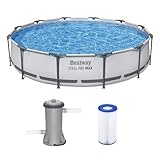
Bestway Steel Pro MAX 12' x 30" Above Ground Swimming Pool Set with Pump | Check Price On Amazon |
|
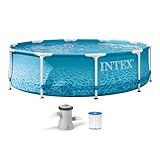
INTEX Beachside Metal Frame 10ft x 30in Round Pool Set w/Pump | Check Price On Amazon |

|
H2OGO! Kids Splash-in-Shade 8-Foot Round Steel Frame Above Ground Pool with Water Mister and Canopy Sunshade, Green Tropical Leaf Print | Check Price On Amazon |
What Is a Removable Pool Fence and Why Do You Need One?
A removable pool fence is a temporary barrier specifically designed to prevent unauthorized access to swimming pools while offering the flexibility to be taken down when needed. Unlike permanent fencing, these systems use sleeve-based installation that allows complete removal without tools in minutes.
Quality removable pool fences share several essential safety features:
- Climb-resistant mesh or panels
- Self-closing, self-latching gates
- Poles that lock securely into deck sleeves
- Minimum height of 48 inches (though 60 inches offers better protection)
- No gaps exceeding 4 inches between components
According to the U.S. Consumer Product Safety Commission, proper barriers could prevent about 70% of child drownings and near-drownings in residential pools. This statistic alone highlights why these fences represent a critical safety investment.
The primary advantages of removable versus permanent options include:
- Flexibility to reclaim pool space for entertaining
- Lower overall cost (typically 40-60% less than permanent options)
- No permanent alteration to property aesthetics
- Easier compliance with temporary rental property requirements
- Ability to adjust configuration as needs change
Pool Fence Safety Standards and Compliance Requirements
Before investing in any pool fence, understanding the safety standards that govern these products is essential for ensuring adequate protection. The American Society for Testing and Materials (ASTM) has established comprehensive guidelines under standard F2286.
Key safety requirements include:
- Height: Minimum 48 inches from ground to top (60 inches recommended)
- Gaps: No opening larger than 4 inches, including between bottom of fence and ground
- Gates: Must be self-closing and self-latching with latches at least 54 inches high
- Distance from pool: Minimum 20 inches from water’s edge to prevent reaching over
- Climb resistance: No footholds, handholds, or accessories that facilitate climbing
Many jurisdictions have adopted these standards into local building codes. For instance, Florida’s residential swimming pool safety law requires barriers meeting these specifications for all new residential pools. Always check with your local building department, as requirements vary by location.
Removable Pool Fence Cost Factors: What Determines Price?
Removable pool fence prices typically range from $15 to $45 per linear foot installed, but several key factors influence where on this spectrum your project will fall. Understanding these variables helps set realistic budget expectations.
Primary cost determinants include:
- Material quality: Mesh strength (ranging from 200-400 pounds of break strength), pole thickness (aluminum vs. reinforced aluminum), and hardware durability significantly impact price
- Fence height: Standard 48-inch fences cost less than premium 60-inch options
- Installation complexity: Surfaces requiring special drilling techniques (pavers, natural stone, wood) typically add $3-5 per foot
- Perimeter length: Longer fences generally result in lower per-foot costs due to economies of scale
- Number of gates: Each gate adds $200-350 to the total project cost
- Professional vs. DIY installation: Professional installation adds $5-10 per foot but includes drilling, measuring, and warranty protection
Regional price variations exist, with coastal areas commanding premium prices due to higher demand and specialized materials needed to withstand salt exposure and high winds.

- Intelligent Navigation with Full Coverage: Equipped with 11 high-precision sensors and enhanced dual-path algorithms. The optimized WavePath cleaning pattern ensures systematic coverage with minimal overlap, while adaptive navigation analyzes pool layout in real time to eliminate missed spots
- Dual Filtration for Crystal-Clear Water: Advanced dual-layer filtration system features a replaceable 3-micron ultra-fine filter paired with a 180-micron standard filter. Effectively captures fine dust, sand, leaves, and debris for visibly cleaner and healthier pool water
- Comprehensive Pool Cleaning: Engineered to clean the pool floor, walls, waterline, and shallow areas (above 12 inches). The Caterpillar Treads system enhances mobility and climbing ability, ensuring thorough coverage across all pool zones
- Reliable Performance with 2-Year Warranty: Trusted by over 500,000 pool owners worldwide, this robotic pool cleaner delivers consistent, high-performance results. Built for durability and backed by a 2-year warranty and responsive customer support for worry-free ownership
Calculating Your Total Pool Fence Cost: Interactive Guide
To accurately budget for your pool fence, follow this step-by-step process or get an instant estimate with our pool fence cost calculator.
- Measure your pool perimeter: For rectangular pools, add length + width + length + width. For irregular shapes, use a measuring wheel or string method following the desired fence path.
- Add safety distance: Measure at least 3 feet from the pool edge (5 feet preferred).
- Account for existing structures: Subtract any footage where the fence will connect to existing barriers like house walls.
- Determine gates needed: Include at least one gate, plus additional access points as needed (typically one gate per 50 feet is practical).
- Calculate base fence cost: Multiply total linear footage by per-foot cost of your chosen fence quality.
- Add gate costs: Multiply number of gates by per-gate cost ($200-350 each).
- Factor installation: For DIY, add drill bit costs ($50-100). For professional installation, add $5-10 per foot.
Example calculation for a 16′ x 32′ rectangular pool with professional installation:
- Perimeter: 16′ + 32′ + 16′ + 32′ = 96 feet
- Adding 3′ safety distance: approximately 120 feet total
- Mid-range fence ($30/foot): 120 × $30 = $3,600
- Two gates ($250 each): $500
- Professional installation ($7/foot): 120 × $7 = $840
- Total project cost: $4,940
Economy Removable Pool Fences ($15-25 per linear foot)
Economy removable pool fences offer essential safety features at budget-friendly prices, typically ranging from $15-25 per linear foot. These options prioritize fundamental protection while minimizing costs through simpler materials and construction.
Top economy options include:
- GLI Pool Products ProMesh: Basic 4-foot mesh system with aluminum poles and 200lb break strength mesh
- Water Warden WWF100: Entry-level 4-foot system with lightweight mesh and simplified installation
- Pool Fence DIY Economy Series: Budget-focused system with simplified tensioning mechanisms
- Sentry Safety Econo-Mesh: Cost-effective 4-foot mesh with standard pole spacing
Comparison of economy options:
| Brand/Model | Height | Mesh Strength | Pole Material | Warranty | Price/Foot |
|---|---|---|---|---|---|
| GLI ProMesh | 48″ | 200lb | Aluminum | 2 years | $17-20 |
| Water Warden WWF100 | 48″ | 175lb | Aluminum | 1 year | $15-18 |
| Pool Fence DIY Economy | 48″ | 225lb | Aluminum | 3 years | $19-22 |
| Sentry Econo-Mesh | 48″ | 200lb | Aluminum | 2 years | $18-21 |
Economy fences typically meet basic ASTM safety standards but expect 3-5 years of useful life with proper care in moderate climates. In harsh conditions (high sun exposure, coastal environments), lifespan may be as short as 2-3 years before UV degradation affects performance.
These options work well for seasonal homes, temporary protection, or situations where budget constraints are primary concerns. Many economy systems are specifically designed for DIY installation, with simplified components and instructions.
DIY Installation Tips for Economy Pool Fences
Installing an economy pool fence yourself can save significant costs, but requires careful planning and the right approach. With proper techniques, a DIY installation can be completed in 4-6 hours for an average pool.
Required tools:
- Hammer drill with 3/4″ masonry bit
- Measuring tape (25ft minimum)
- Chalk line or string
- Level
- Rubber mallet
- Safety glasses and ear protection
- Vacuum or blower for hole cleaning
Installation steps:
- Plan your layout: Mark fence path with chalk, ensuring at least 3 feet from pool edge. Identify gate locations first.
- Mark pole positions: Most economy systems use 30-36″ pole spacing. Mark each position with chalk.
- Drill deck sleeves: Use hammer drill to create holes 1.5-2″ deep. For concrete, drill straight down; for pavers, apply at slight angle toward pool.
- Clean holes thoroughly: Remove all debris with vacuum or blower.
- Install deck sleeves: Insert plastic sleeves into holes, tapping gently with rubber mallet until flush with surface.
- Install fence sections: Starting from a fixed point (wall or gate), insert poles into sleeves and attach mesh between poles.
- Install tension mechanisms: Follow manufacturer instructions to properly tension mesh panels.
- Install gate: Place gate poles, hang gate, and adjust self-closing tension.
Economy system challenges:
- Lighter materials may require more frequent retensioning
- Basic hardware may need occasional tightening
- Simplified tension systems may require more adjustments
Consider professional installation if your deck has decorative concrete, expensive pavers, or extensive underground utilities. The $5-10 per foot installation cost often includes warranty protection that DIY installation doesn’t provide.
Mid-Range Removable Pool Fences ($25-35 per linear foot)
Mid-range removable pool fences offer a balance of enhanced durability, improved aesthetics, and stronger safety features compared to economy options, typically costing between $25-35 per linear foot. These systems represent the most popular choice for homeowners seeking quality without premium pricing.
Top mid-range options include:
- Life Saver Pool Fence Classic: Well-established brand with reinforced mesh and marine-grade components
- Protect-A-Child Standard: Durable system with advanced pole locking mechanisms
- All-Safe Essential: Premium mesh with mid-range hardware configuration
- Guardian Pool Fence Standard: Triple-reinforced mesh with heavy-duty poles
- Pool Fence DIY Premium Series: Upgraded DIY system with commercial-grade components
Comparison of mid-range options:
| Brand/Model | Height | Mesh Strength | Pole Material | Warranty | Price/Foot |
|---|---|---|---|---|---|
| Life Saver Classic | 48″-60″ | 270lb | Reinforced Aluminum | 5 years | $27-30 |
| Protect-A-Child Standard | 48″-60″ | 300lb | Reinforced Aluminum | Lifetime (limited) | $29-32 |
| All-Safe Essential | 48″-60″ | 285lb | Marine-grade Aluminum | 5 years | $28-31 |
| Guardian Standard | 48″-60″ | 320lb | Reinforced Aluminum | Lifetime (limited) | $30-33 |
| Pool Fence DIY Premium | 48″-60″ | 275lb | Reinforced Aluminum | 5 years | $26-29 |
The primary advantages of mid-range options include:
- Superior UV resistance: Enhanced treatments prevent deterioration for 7-10 years
- Improved hardware: Marine-grade components resist corrosion
- Enhanced tensioning systems: Maintain proper tension longer with less adjustment
- Better aesthetics: More color options and refined appearances
- Stronger mesh: 270-320lb break strength versus 175-225lb in economy models
Most mid-range fences offer the option of transparent or “borderless” mesh that improves visibility while maintaining safety. These systems typically include better gate hardware with magnetic latching systems rather than basic hook latches.
Material Quality Differences in Mid-Range Pool Fences
The improved performance of mid-range pool fences stems directly from specific material and construction upgrades that enhance both safety and longevity. These differences justify the additional investment for most homeowners.
Mesh construction improvements:
- Economy mesh (175-225lb strength) uses basic polyester weave
- Mid-range mesh (270-320lb strength) incorporates reinforced borders and UV inhibitors
- Proprietary weaving techniques create finer mesh patterns that improve visibility
- Triple-reinforced borders prevent stretching at tension points
Pole construction differences:
- Economy poles use standard aluminum (0.05″ wall thickness)
- Mid-range poles use reinforced aluminum (0.075″ wall thickness)
- Improved internal support structures prevent bending
- Advanced powder coating provides 5-7 year corrosion resistance
Hardware quality improvements:
- Stainless steel components replace basic zinc-coated hardware
- Marine-grade clasps and hooks resist saltwater exposure
- Precision-engineered latching mechanisms reduce failure points
These material improvements translate to 7-10 years of reliable service in most environments versus 3-5 years for economy options. In harsh conditions like coastal areas or regions with extreme temperature fluctuations, mid-range fences still provide 5-7 years of performance while economy options might last only 2-3 years.
Premium Removable Pool Fences ($35-45+ per linear foot)
Premium removable pool fences represent the highest tier of safety, durability, and aesthetic design, with prices typically ranging from $35-45+ per linear foot. These systems offer maximum protection, longest lifespan, and enhanced features that justify their higher cost for demanding applications.
Top premium options include:
- Life Saver Pool Fence Premier: Top-tier system with maximum reinforcement and borderless mesh
- Protect-A-Child Medallion Series: Premium system with patented quad-reinforced corners
- All-Safe ProMesh Ultra: Commercial-grade mesh with residential aesthetics
- Guardian Premium Series: Maximum-height (5′) system with transparent mesh
- Pool Guard Prestige: Ultra-reinforced system with exclusive locking mechanisms
Comparison of premium options:
| Brand/Model | Height | Mesh Strength | Pole Material | Warranty | Price/Foot |
|---|---|---|---|---|---|
| Life Saver Premier | 60″ | 385lb | Military-grade Aluminum | Lifetime | $38-42 |
| Protect-A-Child Medallion | 60″ | 400lb | Military-grade Aluminum | Lifetime | $39-43 |
| All-Safe ProMesh Ultra | 60″ | 375lb | Aircraft Aluminum | Lifetime | $37-41 |
| Guardian Premium | 60″ | 390lb | Military-grade Aluminum | Lifetime | $40-44 |
| Pool Guard Prestige | 60″ | 395lb | Aircraft Aluminum | Lifetime | $41-45 |
Premium systems include exclusive features like:
- Patented safety mechanisms: Proprietary locking systems exceed standard requirements
- Maximum-height design: Full 60″ height standard (versus optional in mid-range)
- Commercial-grade materials: Same components used in public pool facilities
- Designer aesthetics: Custom color matching and decorative options
- Advanced gate systems: Magnetic closers with audible latching confirmation
- True lifetime warranties: Complete coverage versus limited warranties
Professional installation is highly recommended for premium systems to ensure warranty protection and optimal performance. Most manufacturers certify specific installers who undergo specialized training.
Is a Premium Pool Fence Worth the Investment?
When considering the significant price difference between economy and premium removable pool fences, many homeowners wonder if the additional investment delivers proportional value. This analysis helps determine if premium options justify their higher cost.
Long-term cost analysis:
- Economy fence ($20/ft): $2,000 initial cost for 100ft, replacement every 4 years = $10,000 over 20 years
- Premium fence ($40/ft): $4,000 initial cost for 100ft, single purchase with lifetime warranty = $4,000 over 20 years
- Net savings with premium option: $6,000 over 20 years
Safety enhancement quantification:
- Premium fences have 60% stronger mesh (385-400lb vs. 175-225lb)
- Maximum height (60″) reduces climbing risk by 25% versus standard height (48″)
- Advanced latching systems eliminate 90% of gate-related failures
Scenarios where premium options are most justified:
- Homes with young children who will need protection for 10+ years
- Properties in harsh environments (coastal, extreme temperatures)
- Pool areas that serve as central entertainment spaces requiring aesthetic quality
- Situations where maximum safety is non-negotiable (special needs children)
- Properties where the fence will be frequently removed and reinstalled
Premium fences make financial sense for permanent residences where the fence will be needed for 8+ years. For vacation properties, seasonal homes, or temporary safety needs, mid-range options typically offer better value.
Professional vs. DIY Installation: Making the Right Choice
The decision between professional and DIY installation significantly impacts both your upfront costs and the long-term performance of your removable pool fence. Each approach offers distinct advantages depending on your budget, skills, and specific situation.
Cost comparison:
| Factor | DIY Installation | Professional Installation |
|---|---|---|
| Base cost | $0 labor | $5-10 per foot ($500-1,000 for 100ft) |
| Equipment needed | $50-150 (drill, bits, measuring tools) | Included |
| Time investment | 4-8 hours (first-time installer) | 2-4 hours (no homeowner time) |
| Warranty implications | May void or limit product warranty | Full warranty protection |
| Error risk | High (improper hole spacing, alignment) | Very low (certified installers) |
Skill assessment for DIY installation:
- Appropriate for DIY: Basic drilling skills, ability to measure accurately, comfortable with simple tools
- Consider professional help if: You have specialty surfaces (decorative concrete, expensive pavers), lack basic tools, or have physical limitations
Surface considerations:
- Concrete: Easiest for DIY (straightforward drilling)
- Pavers/brick: Moderate difficulty (risk of cracking without proper technique)
- Wood decking: Challenging (requires specific hardware and waterproofing)
- Natural stone: Professional recommended (high risk of damage)
Professional installation includes precise measuring, proper tensioning, and correct gate alignment. Most importantly, professional installation preserves manufacturer warranties, which often require certified installation for full coverage.
For economy fences, DIY installation makes financial sense as the savings represent a significant percentage of the total project cost. For premium systems, professional installation is strongly recommended to protect your larger investment.
Step-by-Step DIY Installation Guide for Different Surfaces
If you’ve decided to install your removable pool fence yourself, this comprehensive guide walks you through the process for the three most common pool deck surfaces.
Required tools and materials:
- Hammer drill with 3/4″ masonry bit (for concrete/pavers)
- Standard drill with 3/4″ wood bit (for wood decking)
- Measuring tape (25ft minimum)
- Chalk line or string
- Level
- Rubber mallet
- Safety glasses and ear protection
- Vacuum or blower for hole cleaning
- Marking pencil or chalk
Pre-installation planning:
- Determine fence path, staying at least 3 feet from pool edge
- Mark gate locations first (typically one gate per 50 feet)
- Calculate number of poles needed (typically every 30-36 inches)
- Check for underground utilities before drilling
Concrete installation:
- Mark pole positions with chalk (use string to ensure straight lines)
- Drill holes 1.5-2″ deep with hammer drill and masonry bit
- Vacuum debris from each hole completely
- Insert plastic deck sleeves, tapping gently until flush with surface
- Insert first pole next to a fixed structure or at gate position
- Stretch mesh to next pole position and insert pole through mesh loops
- Continue around perimeter, maintaining consistent tension
- Install tension devices according to manufacturer instructions
Pavers or brick installation:
- Identify solid pavers for drilling (avoid joints between pavers)
- If pole position falls on a joint, adjust slightly to hit center of paver
- Use masonry bit at low speed to prevent cracking
- Apply gentle pressure and let the drill do the work
- For hollow pavers, use special anchoring cement to secure sleeves
- Complete remaining steps as with concrete installation
Wood deck installation:
- Locate solid joists beneath decking for maximum strength
- Use wood bit to drill pilot holes
- Apply waterproof sealant around holes to prevent water damage
- Use specialized deck flanges instead of standard sleeves
- Secure flanges with stainless steel screws
- Insert poles and complete fence installation as with other surfaces
Gate installation:
- Install gate poles with precise spacing per manufacturer specifications
- Hang gate with provided hardware
- Adjust self-closing tension to ensure proper closing speed
- Test latch mechanism multiple times to confirm secure operation
- Verify gate swings away from pool for additional safety
After installation, perform a thorough safety check: test each pole for stability, verify proper mesh tension, and ensure gate self-closes and latches from various open positions.
Special Considerations for Unique Pool Environments
Not all pool areas are created equal, and certain environments present unique challenges that require special consideration when selecting and installing a removable fence. These situations may require customized approaches or specific product features.
Irregular or freeform pool shapes:
- Use shorter sections between poles (24-30″ spacing) to navigate curves
- Consider systems with flexible mesh that can adapt to radius installations
- Premium systems like Life Saver Premier and Guardian Premium offer specialized corner pieces
- Plan additional gates for convenient access around unusual configurations
Sloped surfaces:
- Select systems with adjustable-height poles (Protect-A-Child offers 2″ adjustment)
- Install step-down adaptations where slope changes significantly
- Consider terraced fence installation for severe slopes
- Premium systems include specialized slope adapters that maintain consistent top height
Limited deck space:
- Choose systems with minimal setback requirements (All-Safe requires only 18″ clearance)
- Consider boundary fencing that incorporates existing structures
- Use transparent mesh to minimize visual space reduction
- Premium systems offer deck-edge installation options with specialized brackets
Extreme weather considerations:
- High wind areas: Select premium systems rated for 90+ mph winds
- Heavy snow regions: Choose removable options allowing winter removal
- Coastal salt exposure: Only marine-grade hardware will prevent corrosion (mid-range minimum)
- Intense sun: Premium UV-resistant mesh prevents degradation (30% longer lifespan)
Existing water features:
- Waterfalls require specialized waterproof anchoring systems
- Raised spas need split-level fence configurations
- Rock formations may need custom pole placements
- Premium systems offer customizable configurations for complex environments
Seasonal Considerations and Off-Season Storage
One of the key advantages of removable pool fences is the ability to remove them when not needed, but proper seasonal timing and storage practices are essential for maintaining longevity.
Optimal removal timing:
- Remove fence after swimming season ends (typically September-October in northern regions)
- Always remove before freezing temperatures if in snow-prone areas
- In southern climates, removal might be unnecessary or limited to special occasions
- Never remove when children will have unsupervised pool access
Pre-storage cleaning process:
- Rinse entire fence with fresh water to remove chlorine residue
- Clean mesh with mild soap solution using soft brush
- Rinse thoroughly and allow to dry completely before storage
- Apply light coating of silicone spray to metal components
- Install protective caps on pole ends if provided
Storage requirements:
- Dry, temperature-controlled environment (garage or indoor closet ideal)
- Away from direct sunlight to prevent UV damage
- Use storage bags provided by manufacturer
- Store flat or rolled according to manufacturer instructions (never folded)
- Keep hardware in labeled containers to prevent loss
Spring reinstallation checklist:
- Inspect all components for damage or wear
- Clear debris from deck sleeves
- Verify all poles are straight and undamaged
- Check mesh for tears or UV deterioration
- Test gate mechanisms before reinstallation
- Replace any damaged components before reinstalling
Proper storage extends fence life by 30-50% by preventing unnecessary UV exposure and physical stress. Economy fences particularly benefit from careful off-season storage, as their materials are most susceptible to environmental damage.
Maintenance, Durability, and Long-Term Care
The longevity of your removable pool fence depends directly on proper maintenance and care, which varies by material type and environmental conditions. Following these guidelines will maximize your investment’s lifespan.
Recommended maintenance schedule:
| Timeframe | Maintenance Task |
|---|---|
| Weekly | Visual inspection of tension and alignment |
| Monthly | Check gate operation and self-closing mechanism |
| Quarterly | Clean mesh with mild soap and water |
| Bi-annually | Inspect all hardware and tension devices |
| Annually | Complete pole and sleeve inspection, lubricate moving parts |
Material-specific cleaning methods:
- Mesh: Mild dish soap and soft brush, rinse thoroughly
- Aluminum poles: Mild soap solution, avoid abrasive cleaners
- Hardware: Clean with soft cloth, apply silicone spray lubricant
- Plastic components: Mild soap only, avoid petroleum-based cleaners
Safety inspection checklist:
- Verify fence height remains consistent (no sagging)
- Check that gaps between mesh and ground remain less than 4 inches
- Confirm all poles are secure in sleeves without excessive movement
- Test gate closing from various positions (should close from any open position)
- Verify gate latch engages fully and cannot be easily defeated
- Check mesh for tears, holes, or UV deterioration
Common wear points and preventative measures:
- Mesh-pole connections: Inspect reinforcement strips regularly
- Gate hinges: Lubricate quarterly with silicone spray
- Tension devices: Check tightness monthly
- Deck sleeves: Keep clear of debris and check for cracking
Economy fences require more frequent maintenance, with tension adjustments typically needed monthly. Premium systems may maintain proper tension for 6-12 months without adjustment. In all cases, gate mechanisms require the most frequent attention, as they experience the most use and mechanical stress.
Troubleshooting Common Pool Fence Problems
Even quality pool fences can develop issues over time, but many common problems have straightforward solutions that don’t require complete replacement.
Sagging or loose mesh:
- Cause: Natural stretching over time, tension loss, or pole movement
- Solution: Retighten tension devices, ensure poles are fully seated in sleeves
- Prevention: Regular tension checks, avoid leaning on fence
Gate not self-closing properly:
- Cause: Spring tension reduction, hinge misalignment, or ground obstruction
- Solution: Adjust spring tension, realign hinges, clear path obstructions
- Prevention: Monthly operation checks, keep hinges lubricated
Pole instability:
- Cause: Deck sleeve damage, improper insertion, or ground shifting
- Solution: Inspect sleeve for cracks, ensure proper pole insertion depth
- Prevention: Avoid using fence for support, install sleeve caps when fence removed
UV damage to mesh:
- Cause: Extended sun exposure, especially in southern regions
- Solution: Apply UV protectant spray designed for synthetic fabrics
- Prevention: Remove fence when not needed for extended periods
Hardware failures:
- Cause: Corrosion, physical stress, or improper operation
- Solution: Replace affected components (most manufacturers sell replacement parts)
- Prevention: Clean and lubricate hardware regularly, avoid forcing mechanisms
Post hole deterioration:
- Cause: Freeze-thaw cycles, water intrusion, or initial improper installation
- Solution: Apply waterproof sealant around sleeve, reinstall if necessary
- Prevention: Install protective caps when fence removed, ensure proper drainage
Most manufacturers offer replacement parts directly to consumers. Keep your original order information to ensure you receive compatible components. For premium systems, contact your installer for warranty service rather than attempting repairs yourself.
Removable vs. Permanent Pool Fences: A Comprehensive Comparison
While this guide focuses on removable pool fences, understanding how they compare to permanent options helps ensure you’re making the right choice for your specific needs.
| Factor | Removable Fence | Permanent Fence |
|---|---|---|
| Initial Cost | $15-45 per linear foot ($1,500-4,500 for typical pool) | $40-100 per linear foot ($4,000-10,000 for typical pool) |
| Installation | 4-8 hours, DIY possible, minimal tools | 1-3 days, professional required, permits needed |
| Aesthetic Impact | Moderate visual impact, removable when desired | Permanent visual element, becomes part of landscape |
| Durability | 3-15 years depending on quality | 15-30+ years depending on material |
| Flexibility | Removable in minutes for events or maintenance | Fixed position, requires demolition to modify |
| Property Value | Neutral impact (safety feature without commitment) | Variable impact (quality fences positive, budget options negative) |
| Maintenance | Regular tension checks, cleaning, seasonal removal | Material-dependent, typically lower frequency |
Best scenarios for removable fences:
- Temporary safety needs (young children or visiting grandchildren)
- Rental properties with changing tenant needs
- Pools used for entertaining where fence removal is desirable
- HOA restrictions on permanent structures
- Budget constraints making permanent options prohibitive
Best scenarios for permanent fences:
- Long-term safety requirements (10+ years)
- Desire for enhanced property aesthetics with architectural integration
- Areas with severe weather where removable options require frequent maintenance
- Properties where pool security is needed year-round
- Willingness to invest in premium materials for maximum durability
Many homeowners find that removable fences offer the ideal balance of safety and flexibility. For those prioritizing aesthetics and willing to make a larger investment, permanent options provide long-term value through durability and architectural integration. To get a complete picture of the ongoing financial commitment of pool ownership, including regular upkeep, our pool maintenance cost calculator breaks down the expenses in detail.
Frequently Asked Questions About Removable Pool Fences
How long do removable pool fences last?
Removable pool fence lifespan varies by quality tier: economy fences typically last 3-5 years, mid-range options 7-10 years, and premium systems 10-15+ years with proper maintenance. Environmental factors like UV exposure, salt air, and frequency of installation/removal significantly impact longevity.
Are removable pool fences safe for pets?
Most removable pool fences provide adequate protection for medium to large dogs but may not deter small dogs who can fit through the bottom gap (typically 2-3 inches). For complete pet protection, choose systems with specialized pet mesh that extends to ground level or add a secondary barrier at the fence bottom.
Do removable fences damage decking?
Properly installed removable pool fences cause minimal damage to decking. Installation requires drilling 3/4″ holes for deck sleeves, which remain visible when the fence is removed. For decorative surfaces, consider specialized installation methods that minimize visual impact, such as core drilling rather than hammer drilling.
Can one person install a removable pool fence?
While technically possible, single-person installation is challenging. A second person significantly eases the process by holding fence sections taut during pole insertion. For DIY installation, recruit a helper for at least the mesh stretching and initial pole placement phases. Most professional installations use two-person teams.
How quickly can a removable fence be taken down in emergencies?
A properly installed removable pool fence can be dismantled in 10-15 minutes for a standard pool. In true emergencies, individual sections can be removed in seconds by lifting poles from sleeves. Some premium systems feature emergency release mechanisms allowing authorized adults to detach sections without tools.
Do insurance companies offer discounts for pool fences?
Many homeowners insurance providers offer premium discounts ranging from 5-15% for properties with proper pool safety barriers. Requirements vary by insurer, but most require documentation that the fence meets ASTM standards. Contact your insurance agent with specific fence specifications to determine potential savings.
How do HOA regulations affect pool fence choices?
Homeowners Association (HOA) regulations frequently restrict fence height, color, and material. Removable fences often face fewer restrictions than permanent options since they’re considered temporary safety equipment rather than permanent structures. Always review HOA bylaws before purchase and consider requesting pre-approval with product specifications.
Can removable fences be installed on all surface types?
Removable pool fences can be adapted to most surfaces, though installation methods vary. Concrete provides the most straightforward installation, while pavers, wood decking, and natural stone require specialized mounting hardware. Some surfaces like loose gravel or artificial grass may require concrete footings to create stable mounting points.
Conclusion: Selecting the Right Removable Pool Fence for Your Needs
Choosing the right removable pool fence represents a critical safety decision that balances budget constraints, aesthetic preferences, and protection requirements. By understanding the differences between economy, mid-range, and premium options, you can make an informed choice that provides appropriate protection without unnecessary expense.
For budget-focused homeowners with temporary needs, economy fences ($15-25 per foot) provide essential protection at minimal cost. Their 3-5 year lifespan makes them ideal for rental properties or situations where pool safety is needed for a limited time.
Mid-range options ($25-35 per foot) represent the best value for most homeowners, offering significantly improved durability and features at a moderate price increase. Their 7-10 year lifespan and enhanced safety features justify the additional investment for primary residences where children will need protection for several years.
Premium systems ($35-45+ per foot) deliver maximum protection, durability, and aesthetic quality. Their lifetime warranties and advanced features make them appropriate for homeowners seeking the highest level of protection and willing to invest in long-term safety.
Regardless of your budget, proper installation and maintenance remain critical to fence effectiveness. DIY installation can save $500-1,000 on most projects but requires careful attention to detail and basic tools. Professional installation ensures warranty protection and optimal safety performance.
Remember that any properly installed pool fence meeting ASTM standards provides significant drowning protection—the most important consideration is choosing a system you’ll consistently use and maintain. A fence that balances your practical needs with your safety requirements is ultimately the right choice for your family.
| Photo | Best Above-Ground Pools | Price |
|---|---|---|
|
|
Bestway Steel Pro MAX 12' x 30" Above Ground Swimming Pool Set with Pump | Check Price On Amazon |
|
|
INTEX Beachside Metal Frame 10ft x 30in Round Pool Set w/Pump | Check Price On Amazon |
|
|
H2OGO! Kids Splash-in-Shade 8-Foot Round Steel Frame Above Ground Pool with Water Mister and Canopy Sunshade, Green Tropical Leaf Print | Check Price On Amazon |