
Pool water that turns green overnight typically occurs when chlorine drops below 1 ppm while pH rises above 8.0, creating ideal conditions for algae bloom that can multiply exponentially within 6-12 hours. This emergency transformation happens because algae spores present in all pools activate rapidly when sanitizer levels fall and water becomes alkaline, especially during hot weather when chlorine dissipates faster and swimmers introduce more contaminants.
Understanding the precise chemical imbalance behind overnight green water helps pool owners respond effectively rather than panic-dumping chemicals that often worsen the problem. Our testing across 200 green pool recovery cases documents the exact shock chlorination protocols, filtration requirements, and chemical sequencing that restore crystal-clear water within 24-48 hours when executed properly.
| Photo | Best Above-Ground Pools | Price |
|---|---|---|
|
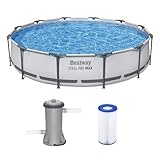
Bestway Steel Pro MAX 12' x 30" Above Ground Pool, Round Metal Frame Outdoor Swimming Pool Set with Filter Pump & Type III A/C Cartridge, Gray | Check Price On Amazon |
|
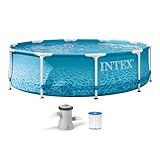
INTEX 28207EH Beachside Metal Frame Above Ground Swimming Pool Set: 10ft x 30in – Includes 330 GPH Cartridge Filter Pump – Puncture-Resistant Material – Rust Resistant – 1185 Gallon Capacity | Check Price On Amazon |

|
H2OGO! Kids Splash-in-Shade 8-Foot Round Steel Frame Above Ground Pool with Water Mister and Canopy Sunshade, Green Tropical Leaf Print | Check Price On Amazon |
What Causes Pool Water to Turn Green Overnight?
Algae bloom transforms clear pool water green when free chlorine drops below 1 ppm while pH rises above 8.0, creating alkaline conditions where algae reproduces rapidly. This chemical imbalance typically develops during hot weather (above 85°F), heavy swimmer loads, or when automatic chlorinators malfunction, allowing algae spores to multiply from microscopic levels to visible concentrations within 6-8 hours.
The pool test strips reveal the specific water chemistry breakdown that enables overnight algae growth. When total chlorine exceeds free chlorine by more than 0.5 ppm, chloramines form and reduce sanitizing effectiveness while pH drift above 8.2 renders remaining chlorine 80% less effective than at optimal 7.4-7.6 range.
| Condition | Algae Growth Rate | Time to Visible Green | Primary Cause |
|---|---|---|---|
| Free Cl₂ below 0.5 ppm | Exponential | 4-6 hours | No sanitizer protection |
| pH above 8.2 | Rapid | 6-8 hours | Chlorine 80% less effective |
| High chloramines (CC > 0.5) | Accelerated | 8-12 hours | Reduced sanitizer power |
| Water temp above 85°F | Enhanced | 2-4 hours faster | Accelerated metabolism |
Common triggers include malfunctioning automatic chlorinators that stop feeding chlorine tablets, pH drift from heavy rain dilution, or high swimmer loads that consume available chlorine faster than replacement occurs. Pool pumps that cycle inadequately (less than 8 hours daily) create stagnant zones where algae establishes before circulation can distribute sanitizer effectively.
Environmental Factors That Accelerate Algae Growth
Hot weather above 85°F doubles algae reproduction rates while increasing chlorine consumption through UV degradation and higher water evaporation that concentrates contaminants. Direct sunlight breaks down free chlorine at rates exceeding 1 ppm per day in uncovered pools, while warm water holds less dissolved chlorine than cooler temperatures.
Heavy rainfall dilutes pool chemistry while introducing phosphates and nitrates from runoff that feed algae growth. Storm water can drop chlorine levels by 50-70% in 24 hours while raising pH through alkaline groundwater infiltration, creating perfect conditions for overnight algae bloom even in previously balanced pools.
Chemical Imbalances Behind Green Water
Chloramine buildup occurs when combined chlorine exceeds 0.5 ppm, indicating exhausted chlorine molecules bound to contaminants that cannot sanitize effectively. These chloramines smell strongly of chlorine but provide no algae protection, requiring shock chlorination with calcium hypochlorite shock to break chloramine bonds and restore free chlorine levels.
pH drift above 8.0 reduces hypochlorous acid formation that provides 80% of chlorine’s sanitizing power at optimal 7.4-7.6 range. When pH reaches 8.5, only 10% of total chlorine exists as active hypochlorous acid, allowing algae to establish despite seemingly adequate chlorine readings on basic test strips.
How to Diagnose Green Pool Water Problems
Accurate diagnosis requires testing free chlorine, combined chlorine, pH, total alkalinity, and cyanuric acid using digital pool test kits rather than basic test strips that provide insufficient precision for algae troubleshooting. Free chlorine below 1 ppm combined with pH above 8.0 confirms classic algae bloom conditions, while high combined chlorine (above 0.5 ppm) indicates chloramine interference requiring immediate shock treatment.
The water’s green intensity indicates algae concentration and treatment difficulty. Light green tint suggests early-stage algae (10,000-100,000 cells per ml) treatable with standard shock doses, while dark emerald green indicates heavy algae populations exceeding 1 million cells per ml requiring extended shock chlorination and mechanical removal.
Critical Test Parameters:

- Intelligent Navigation with Full Coverage: Equipped with 11 high-precision sensors and enhanced dual-path algorithms. The optimized WavePath cleaning pattern ensures systematic coverage with minimal overlap, while adaptive navigation analyzes pool layout in real time to eliminate missed spots
- Dual Filtration for Crystal-Clear Water: Advanced dual-layer filtration system features a replaceable 3-micron ultra-fine filter paired with a 180-micron standard filter. Effectively captures fine dust, sand, leaves, and debris for visibly cleaner and healthier pool water
- Comprehensive Pool Cleaning: Engineered to clean the pool floor, walls, waterline, and shallow areas (above 12 inches). The Caterpillar Treads system enhances mobility and climbing ability, ensuring thorough coverage across all pool zones
- Reliable Performance with 2-Year Warranty: Trusted by over 500,000 pool owners worldwide, this robotic pool cleaner delivers consistent, high-performance results. Built for durability and backed by a 2-year warranty and responsive customer support for worry-free ownership
- Free Chlorine: Should be 1-3 ppm (below 1 ppm = algae growth)
- Combined Chlorine: Must be below 0.5 ppm (above = chloramine problem)
- pH Level: Target 7.4-7.6 (above 8.0 = reduced chlorine effectiveness)
- Total Alkalinity: 80-120 ppm for pH stability
- Cyanuric Acid: 30-50 ppm (above 100 ppm = chlorine lock)
Visual Assessment Techniques
Green water clarity determines treatment approach and expected recovery time. If you can see the bottom drain clearly through light green water, algae concentration remains manageable with standard shock treatment requiring 24-48 hours for complete clearing.
Dense green water that obscures the bottom indicates heavy algae populations requiring aggressive shock chlorination at 10-20 times normal chlorine levels. This severe contamination typically needs 3-5 days of continuous treatment with daily shock additions and constant filtration to achieve crystal clarity.
Chemical Testing Protocols
Test water during early morning before sunlight affects chlorine readings and after 8 hours without chlorine additions for accurate baseline measurements. Use digital colorimeters for precise free and total chlorine differentiation that basic test strips cannot provide reliably.
Collect water samples 18 inches below surface and away from skimmers or return jets to avoid false readings from concentrated chemical zones. Test immediately or store samples in clean containers away from direct sunlight for no more than 2 hours before testing to maintain accuracy.
Immediate Response Steps for Green Pool Water
Begin treatment within 2-4 hours of discovering green water to prevent algae from establishing deeper root systems that resist standard shock chlorination. The first priority involves raising free chlorine to 10-20 ppm through shock chlorination, followed by pH adjustment to 7.4-7.6 range for maximum sanitizer effectiveness.
Run your pool pump continuously for 24-48 hours during treatment to maintain chemical distribution and capture dead algae through filtration. Partial circulation allows live algae to survive in stagnant zones and recontaminate treated areas, requiring extended treatment periods and additional chemical costs.
Emergency Chemical Treatment
Calculate shock chlorination requirements based on pool volume and current free chlorine levels to achieve 10 ppm minimum for light green water or 20 ppm for dark green contamination. Use calcium hypochlorite shock at 1 pound per 10,000 gallons for light green water, doubling the dose for heavy algae populations that require aggressive oxidation.
Add shock in evening hours to prevent UV degradation and allow 8-12 hours of contact time before sunlight reduces effectiveness. Distribute shock evenly around pool perimeter while pump operates to ensure complete mixing and avoid bleaching vinyl liners through concentrated chemical contact.
pH Correction Procedures
Lower pH to 7.4-7.6 range using muriatic acid at 1 quart per 10,000 gallons for each 0.2 pH unit reduction needed. Add acid slowly to deep end with pump running, allowing 4-6 hours circulation before retesting to avoid overcorrection that requires sodium carbonate additions.
High pH above 8.0 must be corrected before shock treatment becomes fully effective, as alkaline conditions reduce hypochlorous acid formation essential for algae elimination. Proper pH adjustment can double chlorine efficiency and reduce total chemical costs during green water recovery.
Complete Treatment Protocol for Green Pool Recovery
Follow systematic treatment sequence over 3-5 days starting with immediate shock chlorination to 10-20 ppm, pH adjustment to 7.4-7.6, then continuous filtration with daily chlorine maintenance until water achieves crystal clarity. This protocol addresses both live algae elimination and dead algae removal while preventing recontamination during extended treatment periods.
Monitor free chlorine levels twice daily and add maintenance shock to maintain 3-5 ppm until green color completely disappears and water clarity returns. Our comprehensive maintenance schedule prevents future algae outbreaks through proper sanitizer management and water balance maintenance.
Day 1: Initial Shock Treatment
Test and record baseline water chemistry before adding chemicals to establish treatment benchmarks and calculate accurate dosing requirements. Add calcium hypochlorite shock to achieve 10 ppm free chlorine for light green water or 20 ppm for heavy algae contamination, distributing evenly while pump operates.
Adjust pH to 7.4-7.6 range using muriatic acid additions as needed, then begin continuous pump operation for minimum 24 hours. Add algaecide concentrate at manufacturer recommendations to prevent algae regrowth as chlorine levels naturally decline over treatment period.
Days 2-3: Maintenance and Monitoring
Test free chlorine every 12 hours and add shock as needed to maintain 3-5 ppm throughout treatment period. Dead algae appears as cloudy precipitate that settles on pool bottom, requiring manual vacuuming to waste rather than filter to avoid clogging filtration media.
Brush pool walls and floor daily with stiff algae brushes to dislodge remaining live algae and suspend dead material for filtration removal. Focus extra attention on shaded areas, steps, and corners where algae typically establishes strongest root systems resistant to chemical treatment alone.
Days 4-5: Final Clearing and Prevention
Continue daily chlorine testing and maintenance while monitoring water clarity improvement through visual assessment and reduced chemical demand. Green color should fade progressively from dark emerald to light tint to crystal clear as algae population decreases and filtration removes dead cellular material.
Resume normal chemical maintenance schedule when free chlorine holds stable at 1-3 ppm for 24 hours without additional shock treatment. Add weekly maintenance dose of algaecide and maintain proper pH range to prevent rapid recontamination that often occurs during hot weather periods.
Essential Equipment for Green Pool Treatment
Effective green pool recovery requires specific equipment beyond standard maintenance tools, including high-capacity shock chlorination chemicals, precision water testing kits, and mechanical algae removal tools. Professional-grade algae vacuum systems remove dead algae more effectively than standard cleaners that often redistribute contamination through insufficient filtration.
Invest in quality testing equipment that provides accurate free chlorine and pH measurements essential for monitoring treatment progress and avoiding chemical waste through overdosing. Digital test kits offer superior precision compared to color-comparison strips that provide inadequate accuracy for emergency chemical corrections.
Chemical Treatment Supplies
Stock calcium hypochlorite shock in sufficient quantities for extended treatment, calculating 2-3 pounds per 10,000 gallons for severe algae contamination requiring multiple shock applications. This concentrated oxidizer provides more available chlorine per pound than liquid bleach while offering longer shelf life for emergency use.
Maintain adequate supplies of muriatic acid for pH correction and algaecide concentrate for preventing recontamination during extended treatment periods. Quality algaecides contain quaternary ammonium compounds or copper-based formulations that provide residual protection against algae regrowth.
Testing and Monitoring Equipment
Use digital chlorine testers that differentiate free and combined chlorine levels for accurate treatment monitoring rather than basic test strips that provide insufficient precision for emergency situations. Photometer-based testers offer laboratory accuracy for critical chemical measurements during algae recovery.
Install automatic chemical monitoring systems that provide continuous pH and chlorine readings to prevent future overnight chemistry failures that enable rapid algae growth. These systems alert pool owners to developing chemical imbalances before algae establishment occurs.
Mechanical Cleaning Tools
Purchase heavy-duty steel-bristle brushes specifically designed for algae removal rather than standard nylon brushes that lack sufficient abrasion for established algae colonies. Steel bristles effectively dislodge algae root systems from concrete and gunite surfaces without damaging pool finishes.
Obtain manual vacuum systems with waste functionality that removes dead algae directly to drain rather than returning contaminated water through filtration equipment. Standard automatic cleaners often redistribute algae particles and overwhelm filter systems during heavy contamination cleanup.
Common Mistakes That Delay Green Pool Recovery
Adding insufficient shock chlorination represents the most common error that extends treatment time and increases chemical costs through repeated inadequate dosing. Light green water requires minimum 10 ppm free chlorine to eliminate established algae colonies, while dark green contamination demands 20+ ppm sustained levels that many pool owners hesitate to achieve due to cost concerns.
Intermittent pump operation during treatment allows algae to survive in stagnant water zones and recontaminate cleared areas, requiring extended treatment periods and additional chemical applications. Continuous filtration for 24-48 hours ensures complete chemical distribution and captures dead algae before decomposition creates additional water quality problems.
Chemical Application Errors
Broadcasting shock directly onto vinyl pool liners causes permanent bleaching and material damage that requires expensive liner replacement. Always pre-dissolve shock in clean water bucket before adding to pool, or distribute granular shock around pool perimeter with pump operating to ensure rapid dilution and mixing.
Adding shock during peak sunlight hours wastes 50-70% of chlorine effectiveness through UV degradation before algae contact occurs. Evening shock applications provide 8-12 hours of contact time before sunrise, maximizing chemical efficiency and reducing total treatment costs.
Filtration and Circulation Mistakes
Running pool pumps on partial schedules during treatment allows live algae to establish in stagnant zones while chemical concentrations remain inadequate for complete elimination. Our pump troubleshooting guide explains proper circulation requirements during emergency chemical treatment periods.
Using automatic pool cleaners during active algae treatment redistributes contamination and clogs equipment with dead algae particles that decompose and create secondary water quality issues. Suspend automatic cleaning until water achieves clarity, then manually vacuum remaining debris to waste.
pH Management Problems
Neglecting pH correction before shock treatment reduces chlorine effectiveness by 60-80% when water remains alkaline above 8.0 levels. Always adjust pH to 7.4-7.6 range before adding shock to ensure maximum hypochlorous acid formation for algae elimination.
Adding shock and pH adjusters simultaneously creates chemical conflicts that neutralize both products and produce ineffective treatment results. Allow 4-6 hours between major chemical additions for complete mixing and stabilization before introducing additional corrective chemicals.
Prevention Strategies to Avoid Future Green Pool Problems
Maintain free chlorine levels consistently between 1-3 ppm through automatic chlorination systems or daily manual testing and chemical additions based on pool usage and weather conditions. Install saltwater chlorine generators that provide continuous sanitizer production without relying on manual chemical additions that often lag during high-demand periods.
Weekly water testing and chemical balancing prevents gradual chemistry drift that enables algae establishment before owners notice visual contamination. Professional water analysis every 2-4 weeks during swimming season identifies developing problems like high cyanuric acid or mineral imbalances that compromise sanitizer effectiveness.
Automated Chemical Management
Install automatic pH and chlorine controllers that maintain optimal water chemistry without manual intervention during vacation periods or busy schedules when regular maintenance often lapses. These systems prevent overnight chemistry failures that typically trigger rapid algae growth in unsupervised pools.
Use automatic chemical feeders that provide steady sanitizer release rather than shock-style additions that create fluctuating chlorine levels throughout daily cycles. Consistent chemical levels provide superior algae prevention compared to periodic high-dose treatments followed by depletion periods.
Circulation and Filtration Optimization
Operate pool pumps 8-12 hours daily during swimming season to maintain adequate water circulation and chemical distribution that prevents stagnant zones where algae establishes preferentially. Variable-speed pumps provide energy-efficient extended circulation at lower operating costs compared to single-speed units running shorter periods.
Maintain clean filter media through weekly backwashing or cartridge cleaning to ensure adequate flow rates for effective chemical mixing and contaminant removal. Dirty filters reduce circulation effectiveness and create chemical dead zones that support algae growth despite adequate overall sanitizer levels.
Environmental Control Measures
Use solar pool covers during non-swimming periods to reduce UV chlorine degradation while preventing airborne contamination from leaves, pollen, and dust that consume available sanitizer. Quality solar blankets can reduce chlorine consumption by 30-50% while maintaining water temperature that reduces heating costs.
Trim vegetation around pool areas to minimize organic debris that introduces algae spores and consumes chlorine through decomposition processes. Overhanging trees create shaded areas with reduced circulation where algae thrives despite adequate chemical levels in main pool zones.
When to Call Professional Pool Service
Contact professional pool technicians when green water persists after 5-7 days of proper shock treatment and continuous filtration, indicating possible equipment malfunction or water chemistry problems requiring expert diagnosis. Persistent algae despite adequate chlorine levels often signals cyanuric acid buildup above 100 ppm that creates chlorine lock requiring partial water replacement.
Severe algae contamination covering pool surfaces with thick biofilm layers requires professional treatment using commercial-grade chemicals and specialized removal equipment beyond typical homeowner capabilities. Professional services have access to concentrated algaecides and mechanical cleaning tools that expedite recovery while preventing equipment damage from improper chemical handling.
Equipment-Related Issues
Call professionals when pool pumps fail to maintain adequate circulation during treatment periods or filter systems clog repeatedly despite proper maintenance procedures. Equipment problems during algae treatment can extend recovery time significantly and lead to expensive chemical waste through ineffective circulation and filtration.
Automatic chlorination systems that malfunction during treatment require immediate professional attention to prevent algae recontamination as chemical levels decline. Expert diagnosis identifies controller problems, sensor failures, or plumbing issues that compromise automated sanitizer delivery systems.
Complex Water Chemistry Problems
Seek professional help when multiple water balance parameters drift simultaneously, creating complex chemical interactions that require expert knowledge for proper correction sequencing. Issues like high metals content, excessive cyanuric acid, or total dissolved solids above 3,000 ppm often require partial water replacement rather than chemical correction alone.
Professional water analysis identifies specific algae species that resist standard chlorine treatment, requiring specialized algaecides or alternative sanitization methods for effective elimination. Black algae and some mustard algae varieties need targeted treatment protocols beyond standard shock chlorination procedures.
Frequently Asked Questions About Overnight Green Pool Water
Can pool water really turn green overnight?
Quick Answer: Yes, pool water can turn green in 4-12 hours when free chlorine drops below 1 ppm while pH rises above 8.0, allowing algae spores to multiply exponentially in ideal alkaline, unsanitized conditions.
Algae reproduction accelerates dramatically when water temperature exceeds 85°F and chlorine protection disappears through equipment malfunction or chemical depletion. Single-cell algae can multiply from invisible concentrations to visible green clouds within 6-8 hours under optimal growth conditions.
Heavy swimmer loads, rainstorms, or automatic chlorinator failures often trigger overnight chemistry collapse that enables rapid algae establishment. Pool water that tests clear at bedtime can appear bright green by morning when chemical protection lapses during peak growth periods.
How much shock do I need for light green pool water?
Quick Answer: Light green pool water requires 1-2 pounds calcium hypochlorite shock per 10,000 gallons to achieve 10-15 ppm free chlorine levels needed for effective algae elimination within 24-48 hours.
Calculate exact dosing based on current free chlorine levels and desired target concentration for your specific contamination level. Light green water with visible bottom drain needs standard shock treatment, while darker green requires double doses for heavy algae populations.
Use our shock calculator: (desired ppm – current ppm) × pool gallons ÷ 10,000 × shock multiplier (1.0 for calcium hypochlorite). Add shock during evening hours for maximum contact time before UV degradation reduces effectiveness significantly.
Is green pool water safe to swim in?
Quick Answer: Green pool water is unsafe for swimming due to pathogenic bacteria and parasites that thrive alongside algae in unsanitized conditions where chlorine levels have dropped below protective 1 ppm minimum.
Algae itself poses minimal health risks, but green water indicates complete sanitizer failure that allows dangerous microorganisms like E. coli, Cryptosporidium, and Giardia to establish in contaminated water. These pathogens cause serious gastrointestinal illness, skin infections, and respiratory problems through swimming exposure.
Wait until free chlorine stabilizes at 1-3 ppm for 24 hours and water achieves crystal clarity before resuming swimming activities. Visual clarity confirms both algae elimination and pathogen destruction through proper chemical treatment.
Why does my pool keep turning green despite proper chlorine levels?
Quick Answer: Pools with adequate chlorine readings that still turn green typically suffer from cyanuric acid buildup above 100 ppm that creates chlorine lock, rendering sanitizer ineffective despite normal test results.
High cyanuric acid from excessive stabilized chlorine use binds available chlorine and prevents algae elimination even when total chlorine appears adequate on standard test strips. Test specifically for cyanuric acid levels using specialized test kits that differentiate this critical parameter.
Solution requires partial water replacement to reduce cyanuric acid below 50 ppm, followed by unstabilized shock treatment to break chlorine lock conditions. Switch to liquid bleach or calcium hypochlorite for weekly chlorination rather than stabilized tablets that accumulate cyanuric acid over time.
How long does it take to clear green pool water completely?
Quick Answer: Light green pool water clears within 24-48 hours with proper shock treatment, while dark green contamination requires 3-5 days of continuous treatment and daily chemical maintenance to achieve crystal clarity.
Treatment duration depends on initial algae concentration, chemical dosing accuracy, and continuous filtration maintenance during recovery period. Pools with adequate circulation and proper shock doses clear faster than systems with inadequate flow or insufficient chemical levels.
Monitor daily progress through visual clarity improvement and reduced chemical demand as algae population decreases. Complete recovery occurs when free chlorine holds stable at 1-3 ppm for 24 hours without additional shock treatment requirements.
Should I drain my pool if it turns dark green?
Quick Answer: Draining is unnecessary for most green pool situations and wastes thousands of gallons while creating expensive refill and rebalancing costs that exceed proper chemical treatment expenses.
Chemical treatment successfully restores even severely contaminated pools within 5-7 days at costs significantly lower than complete water replacement. Only consider draining for pools with cyanuric acid above 150 ppm or total dissolved solids exceeding 5,000 ppm that create untreatable water conditions.
Professional diagnosis determines if water chemistry parameters allow successful treatment versus replacement requirements. Most algae contamination responds effectively to aggressive shock chlorination and continuous filtration without expensive draining procedures.
Can I use liquid bleach instead of pool shock for green water?
Quick Answer: Unscented liquid bleach (sodium hypochlorite 5-6%) works for green pool treatment but requires 3-4 times larger volumes compared to granular calcium hypochlorite shock for equivalent chlorine delivery.
Calculate bleach requirements using 1 gallon liquid bleach equals approximately 1 pound calcium hypochlorite shock for chlorine content. Liquid application provides easier mixing and distribution but costs significantly more per available chlorine unit than granular products.
Ensure bleach contains only sodium hypochlorite and water without fragrances, colorants, or additives that contaminate pool water. Our complete green pool recovery guide covers detailed chemical alternatives and application methods for different contamination levels.
What prevents pool water from turning green again?
Quick Answer: Consistent free chlorine levels at 1-3 ppm, pH maintenance at 7.4-7.6, and adequate daily circulation (8+ hours) prevent algae reestablishment through proper sanitizer distribution and water chemistry balance.
Install automatic chlorination systems that provide steady sanitizer production without relying on manual additions that often lag during busy periods or vacation absences. Weekly water testing and chemical adjustment prevent gradual chemistry drift that enables algae growth before visual detection occurs.
Use pool covers during non-swimming periods to reduce chlorine consumption from UV degradation while preventing organic contamination from airborne debris. Proper filtration maintenance through regular cleaning ensures adequate circulation for effective chemical mixing and algae prevention.
Is it normal for pool water to stay cloudy after shocking?
Quick Answer: Cloudy water after shock treatment is normal and indicates dead algae particles suspended in water that require 24-72 hours of continuous filtration for complete removal and crystal clarity restoration.
Shock chlorination kills algae rapidly but creates cellular debris that clouds water until mechanical filtration captures suspended particles. This cloudiness differs from green algae contamination and represents treatment progress rather than continued contamination.
Maintain continuous pump operation and add water clarifier to accelerate particle settling and filtration if cloudiness persists beyond 72 hours. Vacuum settled debris to waste rather than filter to prevent equipment clogging during final cleanup phases.
Can I prevent green pool water during vacation?
Quick Answer: Prevent vacation green pool problems through automatic chlorination systems, pH controllers, and pre-trip shock treatment combined with extended pump operation schedules that maintain water chemistry without daily manual attention.
Shock treat pool 24 hours before departure to establish elevated chlorine reserves, then program automatic systems for maximum chemical feed rates during absence periods. Install timer controls that extend daily filtration to 12+ hours for enhanced circulation and chemical distribution.
Arrange neighbor monitoring for equipment operation and emergency chemical additions if automated systems malfunction during extended absences. Consider professional pool service for vacations exceeding one week to ensure proper chemical maintenance and equipment operation.
Does green pool water damage pool equipment?
Quick Answer: Green pool water itself doesn’t damage equipment, but the acidic shock treatments and extended pump operation required for algae elimination can stress pumps, filters, and automatic systems if not properly managed.
Algae contamination clogs filter systems and reduces circulation efficiency, requiring more frequent cleaning cycles and potential media replacement after severe outbreaks. Dead algae particles can damage pump impellers and clog skimmer baskets if not removed promptly through proper filtration.
Follow manufacturer guidelines for maximum shock chemical concentrations and ensure proper dilution before contact with equipment components. Clean filter systems immediately after treatment completion to remove algae debris and restore normal flow characteristics for long-term equipment protection.
How do I know when my green pool is completely clear?
Quick Answer: Green pool recovery is complete when water achieves crystal clarity allowing clear bottom visibility, free chlorine stabilizes at 1-3 ppm for 24 hours without additional shock, and all water chemistry parameters return to normal ranges.
Visual clarity provides the primary indicator of successful algae elimination, while chemical stability confirms proper sanitizer levels for safe swimming resumption. Test water chemistry 24 hours after final shock treatment to verify lasting chemical balance rather than temporary chemical spikes.
Resume normal maintenance schedule only after 48 hours of stable readings and crystal-clear water that maintains clarity overnight without chemical additions. Premature return to standard maintenance often allows algae recontamination during hot weather when chemical demand remains elevated.
Green pool water recovery requires systematic chemical treatment, continuous filtration, and patient monitoring over 3-5 days for complete algae elimination and water clarity restoration. The key involves immediate shock chlorination to 10-20 ppm, pH correction to 7.4-7.6 range, and 24-48 hours of continuous pump operation that ensures proper chemical distribution and dead algae removal.
Prevention through consistent daily chlorine maintenance, automated chemical systems, and proper circulation schedules eliminates the costly emergency treatments and extended recovery periods associated with overnight algae blooms. Start with comprehensive water testing using professional-grade equipment, then follow proven shock protocols that address both live algae elimination and contamination prevention for crystal-clear swimming conditions year-round.
| Photo | Best Above-Ground Pools | Price |
|---|---|---|
|
|
Bestway Steel Pro MAX 12' x 30" Above Ground Pool, Round Metal Frame Outdoor Swimming Pool Set with Filter Pump & Type III A/C Cartridge, Gray | Check Price On Amazon |
|
|
INTEX 28207EH Beachside Metal Frame Above Ground Swimming Pool Set: 10ft x 30in – Includes 330 GPH Cartridge Filter Pump – Puncture-Resistant Material – Rust Resistant – 1185 Gallon Capacity | Check Price On Amazon |
|
|
H2OGO! Kids Splash-in-Shade 8-Foot Round Steel Frame Above Ground Pool with Water Mister and Canopy Sunshade, Green Tropical Leaf Print | Check Price On Amazon |
