
Blowing out pool lines for winter requires connecting a shop vacuum or air compressor to pool equipment and forcing air through plumbing to remove all water, preventing freeze damage that causes costly pipe bursts. This process typically takes 2-3 hours and costs $150-300 when done professionally versus $50-75 for DIY equipment rental.
Winter pool line drainage protects your investment from thousands of dollars in repair costs. Frozen water expands 9% in volume, creating enough pressure to crack PVC pipes, damage pump housings, and destroy filter equipment.
| Photo | Best Above-Ground Pools | Price |
|---|---|---|
|
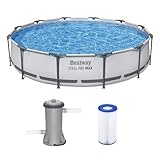
Bestway Steel Pro MAX 12' x 30" Above Ground Swimming Pool Set with Pump | Check Price On Amazon |
|
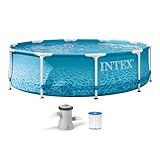
INTEX Beachside Metal Frame 10ft x 30in Round Pool Set w/Pump | Check Price On Amazon |

|
H2OGO! Kids Splash-in-Shade 8-Foot Round Steel Frame Above Ground Pool with Water Mister and Canopy Sunshade, Green Tropical Leaf Print | Check Price On Amazon |
What Is Pool Line Blowout and Why Does It Matter?
Pool line blowout involves using pressurized air (15-30 PSI) to force all water from plumbing lines, equipment, and fittings before temperatures drop below 32°F (0°C). This winterization step prevents freeze damage by eliminating water that would otherwise expand and crack pipes.
The process removes water from return lines, skimmer lines, main drains, equipment pads, and any plumbing below the frost line. Professional pool technicians use specialized pool winterizing blowers rated at 15-20 CFM (cubic feet per minute) airflow for efficient water removal.
Proper line blowout prevents common winter damage including cracked PVC fittings ($50-150 each), burst underground pipes ($500-2000 repair), damaged pump housings ($200-800), and destroyed filter equipment ($300-1500). These repairs far exceed the cost of proper winterization.
Water remaining in lines creates multiple failure points throughout your pool system. Even small amounts of trapped water can cause expensive damage when temperatures fluctuate around freezing.
Essential Equipment for Pool Line Blowout
Shop vacuum with reverse function (minimum 5 HP) or dedicated pool blower provides adequate airflow for residential pools up to 20,000 gallons. Commercial-grade pool line blowers rated 15-25 CFM handle larger installations more efficiently.
Air compressor alternative requires 80-100 gallon tank capacity with 15-20 CFM output at 20-30 PSI working pressure. Smaller compressors lack sustained airflow needed for complete water removal from extensive plumbing runs.
Essential fittings include threaded adapters for skimmer connections, return line plugs, and flexible hoses rated for 30 PSI minimum pressure. Standard garden hoses collapse under vacuum pressure and cannot maintain proper airflow.
Safety equipment includes pressure gauges to monitor air pressure, safety glasses for debris protection, and non-slip footwear around wet pool decks. Never exceed 30 PSI air pressure to avoid equipment damage.
Timing Your Pool Line Blowout
Begin winterization when overnight temperatures consistently approach 40°F (4°C), typically 2-3 weeks before hard freeze warnings in your region. This timing allows completion before emergency weather conditions while pool equipment remains accessible.
Avoid waiting until freeze warnings are issued, as equipment rental becomes unavailable and professional services are overbooked. Early preparation ensures adequate time for proper technique without weather pressure.

- Intelligent Navigation with Full Coverage: Equipped with 11 high-precision sensors and enhanced dual-path algorithms. The optimized WavePath cleaning pattern ensures systematic coverage with minimal overlap, while adaptive navigation analyzes pool layout in real time to eliminate missed spots
- Dual Filtration for Crystal-Clear Water: Advanced dual-layer filtration system features a replaceable 3-micron ultra-fine filter paired with a 180-micron standard filter. Effectively captures fine dust, sand, leaves, and debris for visibly cleaner and healthier pool water
- Comprehensive Pool Cleaning: Engineered to clean the pool floor, walls, waterline, and shallow areas (above 12 inches). The Caterpillar Treads system enhances mobility and climbing ability, ensuring thorough coverage across all pool zones
- Reliable Performance with 2-Year Warranty: Trusted by over 500,000 pool owners worldwide, this robotic pool cleaner delivers consistent, high-performance results. Built for durability and backed by a 2-year warranty and responsive customer support for worry-free ownership
Complete line blowout after final pool chemical balancing but before installing winter covers. The process can disturb settled debris, requiring final skimming and chemical adjustment before closing.
Regional timing varies significantly based on climate zones. Northern regions typically winterize in October, while southern areas may wait until November or December depending on local frost patterns.
How to Prepare Your Pool System for Line Blowout
Lower water level to 4-6 inches below skimmer opening or tile line to prevent water from entering skimmer during blowout process. This level ensures skimmer access while protecting equipment from freeze damage.
Remove all drain plugs from pool equipment including pump, filter, heater, and salt generator to create drainage points during air circulation. Store plugs in labeled containers for spring reinstallation to prevent loss during storage months.
Shut off electrical power to all pool equipment at the circuit breaker before beginning blowout procedures. This safety measure prevents accidental equipment operation during air pressure application and protects motors from damage.
Clear debris from skimmer baskets and pump strainer baskets to ensure unrestricted airflow through plumbing lines. Blocked baskets reduce blowout efficiency and may trap water in system components.
Chemical Balance Before Winterization
Test and adjust water chemistry to winter parameters including pH 7.2-7.4, total alkalinity 100-150 ppm, and calcium hardness 200-300 ppm for balanced water that resists algae growth during closure. Proper chemistry prevents scale formation and equipment corrosion during winter months.
Add winter algaecide at manufacturer-recommended dosage, typically 16-32 ounces per 10,000 gallons depending on product concentration. Quality winter algaecides provide 4-6 months of protection without foaming issues. For precise dosing based on your specific pool size, you can use our pool algaecide calculator to determine exactly how much algaecide to put in your pool.
Shock pool with chlorine to achieve 10-12 ppm free chlorine level, then allow to dissipate to 3-5 ppm before covering. This elevated chlorine provides initial sanitization while preventing excessive chemical reactions with cover materials.
Document final chemical readings for spring reference and ensure adequate circulation time (8-12 hours) before beginning winterization procedures. Proper chemical distribution prevents localized corrosion and staining during extended closure.
Equipment Shutdown Sequence
Turn off pool heater and allow to cool completely (2-4 hours) before draining to prevent thermal shock damage to heat exchanger components. Hot equipment can crack when exposed to cold air during blowout process.
Disable automatic chemical feeders and remove all chemical containers to prevent freeze damage and chemical spillage. Store chemical storage containers in temperature-controlled areas above 40°F (4°C).
Set multiport valve to “winter” or “closed” position if available, otherwise leave on “filter” setting to maintain open plumbing pathways during blowout. Some valve types require specific positioning to ensure complete drainage.
Remove cartridge filters and store indoors after cleaning to prevent freeze damage and extend service life. Clean filter elements last longer and perform better when protected from winter weather cycles.
Step-by-Step Pool Line Blowout Process
Connect shop vacuum or blower to skimmer using proper threaded adapter that creates airtight seal without forcing connections. Improper fitting causes air leaks that reduce blowout efficiency and may damage equipment threads.
Start with return lines by reversing vacuum airflow and placing hose in skimmer while monitoring return jets for continuous air bubbles. Complete water removal typically requires 3-5 minutes of sustained airflow per return line depending on pipe diameter and length.
Air pressure should remain between 15-20 PSI during blowout process, measured with pressure gauges to prevent equipment damage. Excessive pressure can crack pipes or damage equipment housings.
Monitor water discharge from return jets, continuing until air flow produces consistent bubbles with no water spray. Sporadic water discharge indicates incomplete drainage requiring additional blowout time.
Skimmer Line Blowout Technique
Remove skimmer basket and weir door to access main drain line connection at bottom of skimmer. Clear any debris that might obstruct airflow or damage equipment during pressure application.
Insert vacuum hose through skimmer opening while maintaining seal around hose perimeter using wet towels or specialized adapters. Air leaks around connections reduce effective pressure and extend blowout time requirements.
Apply gentle suction initially, then increase to full power while observing main drain area for air bubbles indicating successful line clearing. Main drain blowout typically requires 5-10 minutes depending on depth and plumbing complexity.
Continue until air bubbles appear consistently at main drain without water discharge. Incomplete drainage leaves water in low points that can freeze and damage expensive underground plumbing.
Equipment Pad Blowout
Remove drain plugs from pump, filter, heater, and all ancillary equipment before applying air pressure to system lines. Missing drain plugs trap water in equipment chambers causing freeze damage to internal components.
Apply air pressure through pump strainer basket opening while all drain plugs remain removed to force water from equipment internal passages. Most residential equipment requires 2-3 minutes of sustained airflow for complete drainage.
Observe drain plug openings for water discharge, continuing airflow until only air exits all drainage points. Water continuing to drain indicates incomplete clearing requiring additional blowout time.
Special attention to pool heater drain plugs and heat exchanger passages which typically require longer blowout duration due to internal component complexity and water retention design.
Common Pool Line Blowout Mistakes to Avoid
Using excessive air pressure (above 30 PSI) can damage PVC fittings, crack pump housings, or destroy filter components requiring expensive repairs. Most pool plumbing systems are designed for 15-25 PSI maximum working pressure during normal operation.
Insufficient blowout duration leaves water in system low points, pipe joints, and equipment chambers where freeze damage occurs most frequently. Each line section requires adequate time for complete water evacuation regardless of visible air bubbles.
Forgetting to remove equipment drain plugs before blowout traps water in pump chambers, filter housings, and heater passages causing internal component damage. Always verify all drain plugs are removed and stored safely for spring reinstallation.
Skipping pressure relief during extended blowout sessions can overpressurize system components beyond design limits. Monitor pressure gauges continuously and release pressure periodically to prevent equipment damage.
Incomplete Water Removal Signs
Inconsistent air bubble patterns at return jets or main drains indicate water remaining in line low points or trap sections. Complete drainage produces steady air flow without water intermittency.
Gurgling sounds from equipment during blowout suggest trapped water in pump chambers, filter housings, or plumbing joints requiring extended air application. Normal blowout produces consistent air flow sounds without water movement noise.
Water discharge continuing after 10 minutes of sustained air pressure indicates system blockages, closed valves, or inadequate air pressure for pipe diameter and length. Increase pressure gradually while monitoring equipment limits.
Visible water in equipment sight glasses or drain plug openings after blowout completion requires additional air application or manual drainage using appropriate drain pumps for stubborn water pockets.
Equipment-Specific Blowout Requirements
Salt chlorine generators require removal of electrolytic cell and separate drainage due to internal water retention and sensitive electrode protection. Store cells indoors at temperatures above 32°F (0°C) to prevent damage.
Variable speed pumps have complex internal chambers requiring longer blowout duration (5-8 minutes) compared to single speed models due to additional water pathways through control mechanisms. Follow manufacturer-specific winterization procedures for warranty compliance.
Cartridge filters need complete element removal before blowout since trapped water between pleats can freeze and damage filter media. Store clean, dry filter elements indoors for maximum service life extension.
In-line chlorinators and chemical feeders require complete drainage and cleaning before winter storage. Chemical residues combined with trapped water can cause corrosion damage during freeze-thaw cycles.
Professional vs DIY Pool Line Blowout: Cost Analysis
Professional winterization services charge $150-300 for complete pool line blowout depending on system complexity, equipment types, and regional labor costs. This investment includes expertise, proper equipment, and service warranties covering freeze damage from improper winterization.
DIY blowout costs include equipment rental ($50-75 per day), adapter fittings ($20-40), and winterizing chemicals ($30-60) totaling $100-175 for typical residential pools. Additional costs may include pressure gauge rental and specialized fittings for unique equipment configurations. To get a more accurate estimate tailored to your specific situation, try our swimming pool winterization cost calculator for a complete breakdown of all expenses.
Equipment rental options include shop vacuum rental from home centers, specialized pool blower rental from pool supply stores, or air compressor rental for larger systems. Rental availability varies by region and seasonal demand.
Time investment for DIY approach typically requires 4-6 hours including preparation, blowout process, and final equipment shutdown. First-time winterization may take longer due to learning curve and troubleshooting requirements.
When to Choose Professional Service
Complex pool systems with multiple pumps, extensive water features, or commercial-grade equipment benefit from professional expertise and specialized tools. These systems often require specific manufacturer procedures beyond typical residential winterization scope.
Limited physical mobility or comfort with pool equipment operation makes professional service worthwhile for safety and proper completion. Winterization involves working around water, electricity, and pressure equipment requiring careful attention to safety protocols.
Valuable pool equipment investments (high-end pumps, electronic controls, expensive heaters) justify professional service costs through warranty protection and proper procedure compliance. Improper DIY winterization can void equipment warranties and cause expensive damage.
Time constraints during busy fall seasons or unexpected early freeze warnings make professional scheduling preferable to rushed DIY attempts. Our comprehensive pool closing checklist helps coordinate professional services with other winterization tasks.
DIY Success Factors
Proper equipment selection including adequate CFM rating for your pool size and quality fittings for secure connections ensures successful water removal. Undersized equipment extends process time and may leave water in system components.
Following systematic approach with documented procedures prevents missed steps and ensures complete winterization. Many pool owners benefit from creating personalized checklists based on their specific equipment configuration and property requirements.
Safety awareness including electrical disconnection, pressure monitoring, and proper lifting techniques prevents injury and equipment damage. Pool winterization involves multiple hazards requiring careful attention throughout the process.
Backup planning for equipment failures, weather changes, or unexpected complications ensures completion before freeze damage occurs. Keep contact information for rental companies and professional services available during winterization season.
Troubleshooting Pool Line Blowout Problems
Insufficient air pressure reaching plumbing lines often results from air leaks at skimmer connections, loose equipment fittings, or undersized blower equipment. Check all connection points for proper sealing and tighten loose fittings before increasing air pressure.
Persistent water discharge after extended blowout indicates blocked lines, closed valves, or inadequate pressure for pipe configuration. Verify all valves are properly positioned and increase air pressure gradually within equipment limits (maximum 30 PSI).
Equipment damage during blowout typically results from excessive pressure, rapid pressure changes, or operating equipment with drain plugs installed. Always monitor pressure gauges and increase pressure gradually while maintaining proper drainage pathways.
Incomplete drainage in specific line sections may indicate debris blockages, collapsed pipes, or valve malfunctions requiring professional diagnosis. Some problems require line clearing or valve repair before successful winterization completion.
Pressure-Related Issues
Low air pressure output from equipment indicates undersized blower capacity, air leaks in system connections, or blocked intake passages reducing airflow efficiency. Verify equipment specifications match pool system requirements before proceeding.
Pressure fluctuations during blowout suggest intermittent blockages, valve cycling, or equipment operating beyond capacity limits. Maintain steady pressure application while monitoring equipment performance and system response.
Sudden pressure loss during operation indicates broken connections, equipment failure, or major system leaks requiring immediate investigation. Stop blowout process and inspect all connections before resuming.
Pressure buildup beyond normal levels suggests blocked drainage or closed valves preventing air circulation through system components. Verify all drain plugs are removed and valves positioned correctly for winterization.
Water Retention Problems
Persistent water in pump chambers indicates blocked impeller passages, closed valves, or inadequate blowout duration for equipment type. Some pumps require longer air application due to complex internal water pathways.
Standing water in filter housings suggests trapped air preventing complete drainage or blocked drainage pathways through tank bottom connections. Remove filter elements and verify clear drainage paths before continuing.
Water remaining in heater passages indicates complex internal water paths requiring extended blowout time or manual drainage procedures specified by manufacturer winterization instructions. Heater damage from trapped water is expensive and preventable with proper technique.
Underground line water retention in low spots requires sustained air pressure application (10-15 minutes) to overcome pipe configuration and elevation changes. Some installations benefit from pool-safe antifreeze addition for extra protection.
Seasonal Pool Equipment Storage and Protection
Remove all removable equipment including pump baskets, filter elements, automatic cleaner heads, and chemical feeders for indoor storage at temperatures above 32°F (0°C). Plastic components become brittle in freezing temperatures and crack easily during handling.
Clean all equipment thoroughly before storage using appropriate cleaners for each component type to prevent chemical buildup, algae growth, and corrosion during winter months. Proper cleaning extends equipment life and ensures optimal performance at spring startup.
Store drain plugs, O-rings, and small fittings in labeled containers with equipment model numbers for easy spring identification. Missing drain plugs are common causes of startup delays and emergency service calls.
Protect exposed equipment with insulated covers rated for outdoor winter conditions in your climate zone. Quality pool equipment covers prevent freeze damage to external components while allowing ventilation for moisture control.
Pump and Motor Protection
Remove pump basket and store indoors after cleaning to prevent cracking from freeze-thaw cycles and debris accumulation during winter months. Replacement baskets cost $30-80 compared to simple indoor storage.
Install pump cover or housing protection rated for your climate to shield motors and electrical connections from moisture, debris, and temperature extremes. Motor replacement costs $200-600 versus cover protection under $100.
Apply light coating of silicone lubricant to exposed metal threads and fittings to prevent corrosion and seizing during winter exposure. Use only pool-safe lubricants that won’t contaminate water at spring startup.
Document pump model numbers, electrical specifications, and installation details for spring reference and emergency service needs. Equipment information becomes critical during unexpected failures or warranty claims.
Filter System Winterization
Sand filters require backwash and rinse cycles before final drainage to remove accumulated debris that can freeze and damage laterals or internal components. Clean filters perform better and last longer through winter storage.
Cartridge filter systems need complete element removal, cleaning, and indoor storage for maximum service life extension. Wet filter elements freeze solid and become unusable requiring replacement at spring startup.
Diatomaceous earth (DE) filters require complete grid removal, cleaning, and safe DE disposal according to local regulations. Store clean grids indoors to prevent damage from freezing and contamination during winter months.
All filter types benefit from internal coating with rust inhibitors on metal components before winter storage to prevent corrosion in high humidity environments.
Cost-Effective Pool Line Protection Strategies
Pool-safe antifreeze addition to remaining water provides backup protection against incomplete blowout or unexpected temperature drops below design limits. Use only propylene glycol-based antifreeze rated for pool systems at manufacturer-recommended concentrations.
Insulation wraps for exposed above-ground plumbing provide additional freeze protection in marginal climates where complete drainage may be difficult. Quality pipe insulation costs $20-50 versus $500-2000 for freeze damage repairs.
Backup heating systems including pipe heating cables or small space heaters in equipment areas provide emergency freeze protection during unexpected weather events. Automatic temperature-controlled systems activate only when needed, minimizing energy costs.
Regular winter monitoring of equipment areas and exposed plumbing allows early detection of problems before damage occurs. Simple visual inspections during mild weather can prevent expensive surprise discoveries at spring opening.
Emergency Freeze Protection
Continuous water circulation during freeze warnings provides emergency protection when proper winterization wasn’t completed in time. Run pump continuously and keep water moving through all lines during freeze periods.
Temporary heating solutions including submersible heaters, heat lamps, or space heaters can protect critical equipment areas during short-term freeze events. Monitor electrical safety and ventilation requirements for temporary heating equipment.
Pool-safe antifreeze circulation through equipment and plumbing provides rapid protection when weather changes occur faster than complete winterization allows. Use only food-grade propylene glycol products designed for pool systems.
Emergency professional services typically available for freeze protection during weather emergencies, though costs increase significantly during high-demand periods. Establish relationships with service providers before winter season for priority access.
Long-Term System Protection
Annual equipment inspection and maintenance prevents small problems from becoming winter damage vulnerabilities. Professional inspection costs $100-200 versus emergency repairs often exceeding $1000 during winter months.
Plumbing system improvements including better drainage design, isolation valves, and blow-out ports facilitate easier winterization and reduce freeze damage risk. Initial investment pays for itself through reduced winterization costs and improved reliability.
Equipment upgrades to freeze-resistant models provide long-term protection in climates with marginal winterization conditions. Modern equipment often includes improved drainage design and cold weather protection features.
Comprehensive pool maintenance throughout the season, detailed in our pool maintenance schedule guide, prevents equipment problems that complicate winterization and increase freeze damage risk.
Signs of Successful Pool Line Blowout
Complete water removal produces steady air bubbles from all return jets and main drains without intermittent water discharge or gurgling sounds indicating trapped water pockets. Successful blowout maintains consistent air flow patterns throughout the process.
Equipment drainage shows clear air discharge from all drain plug openings without water residue or standing water visible in sight glasses or equipment chambers. Properly drained equipment feels lighter and shows no water movement when gently tilted.
System pressure maintains steady levels during air application without sudden changes, fluctuations, or pressure loss indicating leaks or blockages. Normal blowout pressure remains consistent throughout the process with gradual adjustment as water clears.
Final inspection reveals no standing water in skimmer baskets, pump strainer baskets, or visible equipment chambers. Successful winterization leaves systems clean, dry, and protected against freeze damage.
Post-Blowout Verification Steps
Visual inspection of all equipment drain plug openings confirms complete water removal and proper drainage from internal components. Water remaining in equipment indicates incomplete blowout requiring additional air application or manual drainage.
System pressure test with air pressure maintained for 5-10 minutes confirms no major leaks or blockages affecting winterization effectiveness. Pressure loss during testing indicates problems requiring investigation before final shutdown.
Documentation of completion time, pressure used, and any problems encountered provides reference for future winterization and helps identify system improvements needed for easier maintenance.
Final safety check ensures all electrical power remains disconnected, drain plugs are stored safely, and equipment covers are properly installed for winter protection. Safety protocols prevent accidents during winter months and equipment damage from exposure.
When to Call Pool Professionals
Complex pool systems with multiple pumps, water features, or commercial equipment often require specialized knowledge and tools beyond typical homeowner capabilities. Professional expertise prevents expensive mistakes and ensures warranty compliance.
Equipment problems discovered during winterization including pump failures, valve malfunctions, or plumbing leaks need professional diagnosis and repair before proper winterization can be completed. Attempting repairs without expertise can worsen problems and increase costs.
Time constraints due to unexpected weather changes or busy schedules make professional service worthwhile to ensure completion before freeze damage occurs. Emergency winterization services cost more but prevent expensive equipment replacement from freeze damage.
Safety concerns including electrical work, high pressure systems, or physical limitations make professional service the prudent choice for proper completion and personal safety. Professional technicians have training and insurance for safe equipment operation.
Professional Service Benefits
Specialized equipment including high-capacity blowers, pressure testing tools, and safety equipment ensures thorough winterization with minimal risk of equipment damage or incomplete water removal. Professional tools often exceed homeowner rental options in capability and reliability.
Experience with various pool types, equipment brands, and regional climate requirements provides knowledge that prevents common winterization mistakes and ensures proper technique for your specific system configuration.
Service warranties typically cover freeze damage resulting from improper winterization when performed by licensed professionals, providing financial protection against expensive equipment failures during winter months.
Comprehensive service often includes additional winter preparation tasks beyond line blowout such as equipment inspection, minor repairs, and spring startup planning. Professional coordination streamlines the entire winterization process.
Frequently Asked Questions About Pool Line Blowout
How much air pressure should I use for pool line blowout?
Quick Answer: Use 15-20 PSI for most residential pool systems, never exceeding 30 PSI to prevent equipment damage. Monitor pressure continuously with gauges during the entire blowout process.
Optimal air pressure for pool line blowout ranges from 15-20 PSI for typical residential systems with PVC plumbing and standard equipment configurations. This pressure provides adequate force for water removal without risking damage to fittings, seals, or equipment housings.
Never exceed 30 PSI maximum pressure as higher pressures can crack PVC fittings, damage pump housings, destroy filter components, or cause dangerous equipment failures. Most pool equipment is designed for normal operating pressures well below these limits.
Start with lower pressure (10-15 PSI) and increase gradually while monitoring system response and water removal efficiency. Pressure requirements vary based on pipe diameter, length of runs, and elevation changes in your specific installation.
Use quality pressure gauges to monitor air pressure continuously during blowout operations. Guessing pressure levels risks equipment damage and incomplete water removal from system components.
How long does pool line blowout take to complete?
Quick Answer: Complete pool line blowout typically requires 2-3 hours including preparation, line clearing (30-45 minutes), equipment drainage (45-60 minutes), and final shutdown procedures.
Total time for pool line blowout depends on system complexity, equipment types, and pool size but averages 2-3 hours for typical residential installations. Preparation including chemical balancing and equipment shutdown adds 30-45 minutes before actual blowout begins.
Active blowout time ranges from 30-60 minutes depending on plumbing complexity, with return lines requiring 3-5 minutes each, skimmer lines needing 5-10 minutes, and equipment drainage taking 15-30 minutes for complete water removal.
First-time winterization often takes longer due to learning curve, troubleshooting equipment setup, and identifying proper procedures for your specific pool configuration. Subsequent years typically require less time with established procedures and familiarity.
Allow extra time for equipment problems, weather delays, or rental equipment pickup and return when planning DIY winterization. Starting early in the day provides flexibility for unexpected complications or extended procedures.
Can I use a regular air compressor for pool line blowout?
Quick Answer: Yes, but only air compressors with 80-100 gallon tanks and 15-20 CFM output at working pressure provide adequate sustained airflow for effective pool line blowout.
Air compressors work for pool line blowout when properly sized with adequate tank capacity (minimum 80 gallons) and sufficient CFM rating (15-20 cubic feet per minute) at working pressure. Smaller compressors lack sustained airflow needed for complete water removal.
Tank capacity matters more than pressure rating because blowout requires continuous airflow rather than high pressure bursts. Small tanks cycle frequently and cannot maintain steady air delivery needed for effective water evacuation from plumbing lines.
Pancake compressors, portable units under 30 gallons, and contractor-grade compressors typically lack adequate capacity for pool winterization. These units work better for inflating equipment or powering tools rather than sustained high-volume air delivery.
Professional-grade stationary air compressors or large portable units provide best results, though rental costs often approach professional service charges making cost analysis important for decision making.
What happens if I don’t blow out my pool lines before winter?
Quick Answer: Trapped water freezes and expands 9%, creating 25,000+ PSI pressure that cracks pipes, damages equipment, and causes $500-5000 in repair costs plus potential safety hazards.
Frozen water in pool lines expands approximately 9% in volume, generating enormous pressure (up to 25,000 PSI) that easily cracks PVC pipes, destroys pump housings, and damages filter equipment beyond repair. This pressure exceeds the structural limits of all standard pool components.
Common freeze damage includes cracked underground pipes requiring excavation and replacement ($500-2000), destroyed pump housings ($200-800), damaged filter tanks ($300-1500), and broken plumbing fittings throughout the system ($50-150 each).
Safety hazards from freeze damage include sudden water loss creating slip hazards, electrical dangers from water contact with equipment, and potential property damage from uncontrolled water discharge when pipes rupture during spring thaw.
Insurance coverage for freeze damage varies by policy and circumstances, with many insurers denying claims for preventable damage from inadequate winterization. Prevention costs far less than repairs and potential liability issues.
Should I add antifreeze to my pool lines?
Quick Answer: Only use pool-safe propylene glycol antifreeze and only as backup protection after proper blowout. Never use automotive antifreeze which is toxic and damages pool equipment.
Pool-safe antifreeze (propylene glycol based) provides backup freeze protection when added to lines after blowout, but should never replace proper water removal as the primary winterization method. Antifreeze adds cost and requires spring removal and disposal.
Use only food-grade propylene glycol products specifically designed for pool systems, typically requiring 1-2 gallons for residential pool plumbing depending on system size and manufacturer recommendations. Never use automotive antifreeze containing ethylene glycol which is toxic and damages pool equipment.
Antifreeze works best for difficult-to-drain areas including trap sections, equipment with complex internal passages, and regions with unpredictable winter weather where complete drainage verification is challenging.
Add antifreeze through skimmer and return lines after blowout completion, using pool-safe antifreeze at concentrations specified for your expected low temperature. Spring startup requires complete antifreeze removal before normal operation.
Do I need to blow out above-ground pool lines?
Quick Answer: Yes, above-ground pools need line blowout for skimmer lines, return lines, and any below-ground plumbing connections. Surface equipment may need different protection methods.
Above-ground pools require blowout for all plumbing below ground level or in equipment areas exposed to freezing temperatures, including skimmer connections, return line plumbing, and any underground runs to equipment pads.
Equipment protection differs for above-ground installations with pumps and filters often located above ground where drainage and winterization procedures may be simpler than in-ground equipment installations requiring extensive blowout procedures.
Flexible connections and removable equipment in above-ground systems often allow easier winterization through disconnection and indoor storage rather than complex blowout procedures, though permanent plumbing still requires proper water removal.
Consider our pool maintenance guide for beginners which covers seasonal maintenance differences between above-ground and in-ground pool systems including winterization requirements and procedures.
When should I start winterizing my pool?
Quick Answer: Begin winterization when overnight temperatures consistently reach 40°F (4°C), typically 2-3 weeks before hard freeze warnings in your region.
Optimal winterization timing begins when overnight temperatures consistently approach 40°F (4°C) for several days, indicating seasonal transition toward freezing conditions. This timing provides adequate preparation time without rushing due to emergency weather warnings.
Regional variations affect timing significantly, with northern climates typically winterizing in October while southern regions may wait until November or December depending on local frost patterns and climate history.
Avoid waiting for freeze warnings as equipment rental becomes unavailable and professional services are overbooked during high-demand periods. Early preparation ensures adequate time for proper procedures without weather pressure.
Consider total winterization timeline including chemical balancing, equipment maintenance, cover installation, and line blowout when planning start dates. Complete winterization often requires multiple days for proper completion depending on system complexity.
What tools do I need for DIY pool line blowout?
Quick Answer: Essential tools include shop vacuum with reverse function (minimum 5 HP) or pool blower (15-20 CFM), threaded adapters, pressure gauges, and flexible hoses rated for 30 PSI minimum.
Primary blowout equipment includes shop vacuum with reverse airflow function rated minimum 5 HP for adequate air volume, or dedicated pool winterizing blowers rated 15-25 CFM for efficient water removal from residential systems.
Essential fittings include threaded adapters for skimmer connections, return line plugs sized for your specific fittings, flexible hoses rated minimum 30 PSI working pressure, and pressure gauges for monitoring air pressure during operation.
Safety equipment includes safety glasses for debris protection, non-slip footwear for wet deck areas, work gloves for handling equipment and fittings, and basic tools for drain plug removal and equipment access.
Optional equipment includes vacuum gauge for measuring suction pressure, additional adapters for equipment-specific connections, and storage containers for organizing drain plugs and small components during winterization process.
How do I know if my pool line blowout was successful?
Quick Answer: Successful blowout produces steady air bubbles from all returns and drains without water discharge, clear air from equipment drain plugs, and consistent pressure without fluctuations.
Complete water removal produces steady air flow from return jets and main drains without intermittent water discharge, gurgling sounds, or pressure fluctuations indicating trapped water in system components.
Equipment verification shows clear air discharge from all drain plug openings without water residue, standing water in sight glasses, or water movement when equipment is gently tilted or moved during inspection.
Pressure testing maintains steady air pressure for 5-10 minutes without significant pressure loss, indicating proper sealing and complete water evacuation from all accessible plumbing lines and equipment chambers.
Final visual inspection reveals no standing water in skimmer baskets, pump strainer baskets, filter housings, or other visible equipment areas. Successful winterization leaves all accessible areas clean and dry.
Professional pool line blowout provides comprehensive freeze protection through proper water removal, equipment drainage, and system winterization. This essential winterization step protects your pool investment from thousands of dollars in freeze damage while ensuring reliable spring startup. Whether completed professionally or as a DIY project, proper line blowout requires attention to detail, appropriate equipment, and systematic procedures for effective water removal from all system components.
Document your winterization procedures and maintain equipment properly throughout the season using our pool maintenance cost guide for budget planning and seasonal preparation. Start your winterization process early when temperatures consistently reach 40°F (4°C) to ensure adequate time for proper completion before freeze conditions arrive.
| Photo | Best Above-Ground Pools | Price |
|---|---|---|
|
|
Bestway Steel Pro MAX 12' x 30" Above Ground Swimming Pool Set with Pump | Check Price On Amazon |
|
|
INTEX Beachside Metal Frame 10ft x 30in Round Pool Set w/Pump | Check Price On Amazon |
|
|
H2OGO! Kids Splash-in-Shade 8-Foot Round Steel Frame Above Ground Pool with Water Mister and Canopy Sunshade, Green Tropical Leaf Print | Check Price On Amazon |