A semi inground pool is a versatile swimming pool that’s partially buried in the ground, typically 2-4 feet deep, combining the affordability of above-ground pools with the aesthetic appeal of inground pools. These hybrid pools offer an excellent solution for homeowners with sloped yards, moderate budgets ($7,000-$30,000), and desire for a permanent pool structure.
Semi inground pools have gained popularity among homeowners seeking the perfect balance between quality, appearance, and cost. Their unique design allows for creative landscaping integration while providing significant savings compared to traditional inground pools.
| Photo | Best Above-Ground Pools | Price |
|---|---|---|
|
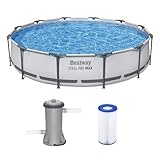
Bestway Steel Pro MAX 12' x 30" Above Ground Swimming Pool Set with Pump | Check Price On Amazon |
|
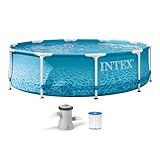
INTEX Beachside Metal Frame 10ft x 30in Round Pool Set w/Pump | Check Price On Amazon |

|
H2OGO! Kids Splash-in-Shade 8-Foot Round Steel Frame Above Ground Pool with Water Mister and Canopy Sunshade, Green Tropical Leaf Print | Check Price On Amazon |
This comprehensive guide covers everything you need to know about semi inground pools—from understanding the basics to installation, costs, design ideas, and maintenance requirements—helping you make an informed decision for your backyard oasis.
What Is a Semi Inground Pool? Understanding the Basics
A semi inground pool (also called a partially inground or on-ground pool) is a versatile swimming pool design that combines elements of both above-ground and inground pools. These unique pools are installed partially below ground level—typically 2-3 feet deep—with the remaining portion above ground.
Semi inground pools utilize sturdy wall panels made from steel, aluminum, or polymer materials supported by a robust bracing system. This construction allows them to withstand the pressure of being partially buried while maintaining structural integrity for decades.
The hybrid nature of these pools creates distinct advantages in terms of installation flexibility, especially on properties with challenging terrain.
Key Components of Semi Inground Pools
- Wall Panels: Typically made from steel, aluminum, or polymer materials (48″-54″ height)
- Bracing System: Structural supports that withstand ground pressure and prevent wall collapse
- Liner: Vinyl interior layer that holds water and creates the finished pool surface
- Coping: The top edge that finishes the pool wall and creates a transition to decking
- Buttress System: Additional structural support for longer wall sections
Semi inground pools typically range from 12′ to 33′ in diameter for round models and 12’×24′ to 16’×32′ for oval or rectangular designs. Most manufacturers offer standard depths of 48″-54″, though some models can accommodate depths up to 6 feet.
The distinctive partially-buried design creates opportunities for creative landscaping and deck integration that aren’t possible with standard above-ground pools, while being more affordable than fully inground options.
Semi Inground vs. Inground vs. Above Ground Pools: Comprehensive Comparison
Before investing in any pool type, it’s essential to understand how semi inground pools compare to traditional inground and above-ground options across several critical factors including cost, installation, aesthetics, and longevity.
This comparison will help you determine which pool type best matches your specific needs, budget, and property conditions:
| Factor | Semi Inground | Fully Inground | Above Ground |
|---|---|---|---|
| Average Cost (2024) | $7,000-$30,000 | $35,000-$100,000+ | $1,500-$15,000 |
| Installation Timeline | 3-14 days | 3-12 weeks | 1-3 days |
| DIY Possibility | Moderate difficulty | Not recommended | Relatively easy |
| Lifespan | 15-30 years | 25-50+ years | 7-15 years |
| Property Value Impact | Moderate increase (5-8%) | Significant (7-15%) | Minimal to none |
| Terrain Adaptability | Excellent for slopes | Requires level ground | Requires level ground |
| Customization Options | Moderate | Extensive | Limited |
| Maintenance Needs | Moderate | Moderate to high | Moderate |
“Semi inground pools represent the perfect middle ground for many homeowners,” explains Mark Reynolds, a pool contractor with 20 years of experience. “They offer about 80% of the aesthetic appeal of an inground pool at roughly half the cost, while providing significantly better durability and integration possibilities than standard above-ground options.”
The choice between pool types ultimately depends on your specific priorities. Semi inground pools excel when budget constraints make inground pools impractical, but you desire something more permanent and attractive than a standard above-ground pool.

- Intelligent Navigation with Full Coverage: Equipped with 11 high-precision sensors and enhanced dual-path algorithms. The optimized WavePath cleaning pattern ensures systematic coverage with minimal overlap, while adaptive navigation analyzes pool layout in real time to eliminate missed spots
- Dual Filtration for Crystal-Clear Water: Advanced dual-layer filtration system features a replaceable 3-micron ultra-fine filter paired with a 180-micron standard filter. Effectively captures fine dust, sand, leaves, and debris for visibly cleaner and healthier pool water
- Comprehensive Pool Cleaning: Engineered to clean the pool floor, walls, waterline, and shallow areas (above 12 inches). The Caterpillar Treads system enhances mobility and climbing ability, ensuring thorough coverage across all pool zones
- Reliable Performance with 2-Year Warranty: Trusted by over 500,000 pool owners worldwide, this robotic pool cleaner delivers consistent, high-performance results. Built for durability and backed by a 2-year warranty and responsive customer support for worry-free ownership
9 Key Benefits of Semi Inground Pools for Homeowners
Semi inground pools offer a unique set of advantages that make them an increasingly popular choice for homeowners seeking the perfect balance between quality, aesthetics, and affordability.
1. Significant Cost Savings
Semi inground pools typically cost 30-50% less than comparable inground pools. This substantial savings comes from reduced excavation requirements, simpler installation processes, and more affordable materials while still providing a permanent pool structure.
2. Excellent Terrain Adaptability
One of the most compelling advantages of semi inground pools is their ability to work with challenging landscapes. These pools excel on sloped properties where traditional pools would require extensive grading or retaining walls. By burying the pool into the slope, you create a naturally integrated design that works with your yard rather than requiring expensive modifications.
3. Enhanced Aesthetic Appeal
Unlike standard above-ground pools that can look temporary or out of place, semi inground installations create a more sophisticated appearance. The partially buried design allows for deck integration, landscaping, and decorative facing materials that can transform the pool into an architectural feature of your backyard.
4. Simplified Installation Process
Semi inground pools require less excavation, reduced concrete work, and simpler plumbing than fully inground options. This translates to faster installation (typically 3-14 days versus weeks or months) and fewer contractors involved in the process.
5. Diverse Design Options
Modern semi inground pools come in various shapes and sizes with numerous finishing options. From round and oval designs to rectangular and freeform shapes, these pools can accommodate most design preferences while offering customization through decking, coping, and facing materials.
6. Impressive Durability
Quality semi inground pools constructed with steel or hybrid materials can last 15-30 years with proper maintenance. This longevity makes them a long-term investment rather than a temporary solution.
7. Flexible Deck Integration
The partially elevated design creates unique opportunities for multi-level decking, integrated seating areas, and creative entry points. This flexibility allows for customized outdoor living spaces that maximize your pool area’s functionality.
8. Property Value Enhancement
Well-designed semi inground pool installations can increase property values by 5-8%, according to real estate analyses. This return on investment is significant compared to above-ground pools, which rarely add value to home appraisals.
9. Quick Installation Timeline
From start to finish, most semi inground pool installations can be completed in 3-14 days, depending on complexity. This rapid timeline means you can be swimming much sooner than with traditional inground pools, which often require 4-12 weeks for completion.
Semi Inground Pool Materials and Construction: Which Option Is Best for You?
The materials used in your semi inground pool significantly impact its durability, appearance, and long-term performance. Understanding the differences between steel, resin, and hybrid construction is essential for making the right choice for your climate and needs.
Steel Wall Construction
Steel remains the most common material for semi inground pool walls due to its exceptional strength and moderate cost.
- Pros: Superior structural strength, ability to withstand ground pressure, longevity (15-30 years with proper protection), moderate cost
- Cons: Potential for corrosion in certain conditions, requires quality protective coatings
- Best for: Standard installations, budget-conscious buyers who want durability
- Cost range: $6,000-$20,000 depending on size and quality
Most premium steel walls feature multiple protective layers, including galvanization, paint coatings, and special resin treatments to prevent corrosion. Wall thickness typically ranges from 42-52 gauge, with higher numbers indicating thicker, more durable walls.
Resin/Polymer Construction
Resin and polymer materials offer excellent corrosion resistance for humid or coastal environments.
- Pros: Complete corrosion resistance, no rust concerns, moderate UV resistance, lower heat absorption
- Cons: Higher cost, less structural strength than steel (requiring more bracing), limited availability in larger sizes
- Best for: Coastal areas, regions with high humidity or salt exposure
- Cost range: $8,000-$25,000 depending on size and quality
Engineer James Morton explains: “Resin components eliminate corrosion concerns, making them ideal for coastal installations where salt air would quickly degrade unprotected steel. However, they require more extensive bracing systems to achieve the same structural integrity as steel walls.”
Hybrid Construction
Hybrid designs combine steel structural elements with resin components to optimize both strength and corrosion resistance.
- Pros: Excellent balance of strength and corrosion resistance, versatile for various climates, typically longer warranties
- Cons: Premium pricing, specific replacement parts may be less available
- Best for: Long-term installations, variable climates, homeowners wanting maximum durability
- Cost range: $10,000-$30,000 depending on size and features
Regional Climate Considerations
| Climate Type | Recommended Materials | Special Considerations |
|---|---|---|
| Cold/Freeze Cycles | Hybrid or heavy-gauge steel | Must withstand ground movement during freeze-thaw cycles |
| Coastal/Salt Exposure | Resin or sealed hybrid | Salt resistance critical; additional protective coatings recommended |
| Hot/Dry | Any with UV protection | UV-resistant components prevent degradation from intense sun |
| Humid/Rainy | Resin or quality-coated steel | Moisture resistance important; additional drainage considerations |
Your material choice should be guided by your regional climate, budget constraints, and long-term plans. For most installations intended to last 15+ years, investing in higher-quality materials typically provides better value despite the higher initial cost.
Complete Semi Inground Pool Installation Guide: Professional vs. DIY Approaches
Installing a semi inground pool involves careful planning, site preparation, and precise execution. Whether you’re considering professional installation or a DIY approach, understanding the complete process is essential for success.
Professional vs. DIY Installation Decision Guide
Before beginning any installation process, determine whether professional or DIY installation is appropriate for your situation:
| Factor | Professional Installation | DIY Installation |
|---|---|---|
| Cost | $2,500-$7,000 for labor | Saves 25-40% on total project |
| Timeline | 3-7 days typically | 7-14 days for first-time installers |
| Warranty | Full manufacturer warranty | May affect manufacturer warranty |
| Equipment Required | Provided by contractor | Rental costs: $500-$1,500 |
| Skill Level | Professional expertise | Moderate to advanced DIY skills |
| Risk Level | Low – covered by insurance | Moderate – mistakes can be costly |
DIY installation is most appropriate for homeowners with construction experience, access to necessary equipment, and the ability to commit 7-14 days to the project. Professional installation is recommended for complex sites, larger pools, or when integrating extensive features.
Site Preparation for Semi Inground Pools
Proper site preparation is the foundation of a successful semi inground pool installation. This critical phase ensures your pool will remain level, stable, and problem-free for decades.
- Conduct a thorough site assessment:
- Check for underground utilities (call 811 before digging)
- Evaluate soil type and stability
- Determine water table level and drainage patterns
- Identify any tree roots or rock formations
- Measure slope grade (if applicable)
- Obtain necessary permits:
- Building permit (required in most locations)
- Electrical permit for pump and lighting
- Fence permit if required by local codes
- Create precise layout:
- Mark pool perimeter using stakes and string
- Add 2 feet to all dimensions for working space
- Verify measurements and diagonals for accuracy
- Confirm pool position meets local setback requirements
- Establish proper drainage:
- Ensure 2% grade away from pool on surrounding ground
- Plan for runoff management during heavy rain
- Consider French drain installation for sloped sites
Excavation and Base Preparation Techniques
The excavation phase of your semi inground pool installation requires precision and attention to detail. The depth, width, and base preparation will directly impact your pool’s structural integrity and longevity.
- Excavate to proper depth:
- Dig to 24″-36″ depth for standard semi inground installation
- Add 2″ for sand base layer
- Create level bottom with slight slope toward drain (¼” per foot)
- Remove all rocks, roots, and debris
- Prepare the base:
- Add 2″ layer of mason sand across entire excavation
- Tamp sand thoroughly using plate compactor
- Level sand using long straight-edge and transit level
- Verify level within ⅛” tolerance across entire base
- Install concrete footing (if required):
- Pour 4″ concrete footing for pool wall placement
- Ensure footing is perfectly level and cured
- Add reinforcement bars if specified by manufacturer
For slopes greater than 12 inches across the pool area, consider terracing the excavation or installing a retaining wall on the elevated side to create a level installation area.
Wall Assembly and Structural Support Systems
The wall assembly phase is where your semi inground pool begins to take shape. Proper installation of the wall panels and bracing system is critical for structural integrity and longevity.
- Assemble pool walls:
- Follow manufacturer instructions precisely
- Use bolt tightening sequence specified in manual
- Torque bolts to manufacturer specifications
- Verify wall is level and plumb at multiple points
- Install structural support system:
- Place buttress supports at specified intervals
- Secure vertical supports to base system
- Add diagonal braces for triangulated strength
- Verify all connections are secure and properly aligned
- Set bottom track or cove:
- Install bottom track around interior perimeter
- Create sand cove at wall-floor transition (6″-8″ height)
- Tamp cove firmly to prevent shifting
- Install skimmer and return openings:
- Cut precise openings following templates
- Install gaskets and faceplates
- Verify watertight seal at all openings
The most common mistake during wall assembly is inadequate bracing for the buried portion. Semi inground pools require specific bracing designed for ground pressure, which differs from standard above-ground pool bracing systems.
Liner Installation and Finishing Steps
The liner installation is where precision pays off with a smooth, wrinkle-free finish that enhances your pool’s appearance and prevents future issues.
- Prepare for liner installation:
- Clean pool interior thoroughly, removing all debris
- Install protective underlayment/foam padding if included
- Verify all surfaces are smooth without sharp protrusions
- Install liner track around pool top edge
- Install the liner:
- Choose warm day (70°F+) for installation
- Center liner carefully in pool
- Hang liner around perimeter in liner track
- Use vacuum to remove air between liner and wall (if available)
- Adjust to remove major wrinkles before adding water
- Begin water fill process:
- Add first 1-2″ of water
- Work out wrinkles from center outward
- Continue filling while monitoring liner positioning
- Install skimmer and return fittings when water reaches their level
- Complete the backfill process:
- Add backfill material in 6″ layers as pool fills
- Compact each layer before adding next
- Keep backfill height equal to water level during process
- Complete backfill to within 6″ of top edge
- Install coping and finishing elements:
- Attach top rail and coping system
- Install any decorative facing materials
- Complete deck attachment if applicable
For optimal liner longevity, maintain water temperature between 60°F-85°F and chemical balance within recommended ranges. Improper chemical balance is the primary cause of premature liner deterioration.
Plumbing and Equipment Setup
Proper plumbing and equipment installation ensures efficient water circulation, filtration, and optional heating capability.
- Install filtration system:
- Position pump and filter on solid, level base
- Ensure equipment is at least 5′ from pool (check local codes)
- Create proper drainage around equipment pad
- Connect plumbing lines:
- Use appropriate pipe type for your installation (PVC Schedule 40 typical)
- Install valves for equipment isolation and maintenance
- Slope horizontal runs slightly toward drain points
- Support pipes every 4′ to prevent sagging
- Complete electrical connections:
- Hire licensed electrician for all electrical work
- Install GFCI protection on all circuits
- Ensure proper grounding of all equipment
- Verify compliance with local electrical codes
- Install additional equipment (if applicable):
- Heater with proper gas/electrical connections
- Salt system or chlorinator
- Automation controls
- Lighting systems
Semi Inground Pool Costs: Complete Breakdown and Budgeting Guide [2024]
Understanding the complete cost picture of semi inground pool ownership goes beyond the initial purchase price. This comprehensive breakdown will help you budget accurately for all aspects of your pool project.
Base Pool Kit Costs by Size and Material (2024)
| Pool Size | Steel Walls | Hybrid Construction | Resin/Polymer |
|---|---|---|---|
| 12′ Round | $2,500-$4,000 | $3,500-$5,000 | $4,000-$5,500 |
| 15′ Round | $3,000-$4,500 | $4,000-$5,500 | $4,500-$6,000 |
| 18′ Round | $3,500-$5,000 | $4,500-$6,000 | $5,000-$7,000 |
| 12’×24′ Oval | $4,000-$6,000 | $5,000-$7,500 | $6,000-$8,500 |
| 15’×30′ Oval | $5,500-$8,000 | $7,000-$10,000 | $8,000-$12,000 |
| 16’×32′ Rect. | $7,000-$10,000 | $9,000-$12,000 | $10,000-$14,000 |
Installation and Site Preparation Costs
| Service | Professional Cost | DIY Cost | Notes |
|---|---|---|---|
| Site Preparation | $500-$2,000 | $200-$800 | Increases with site complexity |
| Excavation | $1,000-$3,000 | $400-$1,200 | Equipment rental for DIY |
| Base Materials | $300-$800 | $300-$800 | Sand, gravel, concrete as needed |
| Pool Assembly | $1,500-$3,000 | $0 | Labor savings for DIY |
| Backfill Process | $300-$800 | $150-$400 | Materials and labor |
| Plumbing Installation | $800-$1,500 | $400-$800 | Materials and labor |
| Electrical Work | $1,000-$2,500 | $1,000-$2,500 | Professional recommended for safety |
Decking and Finishing Options
| Decking Type | Cost per Sq. Ft. | Lifespan | Maintenance Level |
|---|---|---|---|
| Pressure-Treated Wood | $15-$25 | 10-15 years | High (annual sealing) |
| Composite Decking | $30-$60 | 25-30 years | Low (occasional cleaning) |
| Concrete Pavers | $15-$30 | 20+ years | Medium (periodic sealing) |
| Stamped Concrete | $15-$35 | 20+ years | Medium (resealing every 2-3 years) |
| Natural Stone | $30-$80 | 25+ years | Low to Medium |
For a typical semi inground pool with 300-400 square feet of surrounding deck, budgeting $4,500-$12,000 for decking is recommended. You can get a precise estimate with our Pool Deck Cost Calculator.
Equipment Package Options
| Package Level | Components | Cost Range |
|---|---|---|
| Basic | Standard pump, sand filter, ladder, basic chlorinator | $1,200-$2,000 |
| Mid-Range | Variable-speed pump, cartridge filter, entry system, automatic chlorinator | $2,000-$3,500 |
| Premium | High-efficiency pump, DE filter, salt system, automation controls | $3,500-$6,000 |
| Deluxe | Premium package plus heater, lighting, and water features | $6,000-$10,000+ |
Additional Expenses to Consider
- Permits and Inspections: $200-$800 depending on location
- Landscaping Integration: $1,000-$5,000 for plants, mulch, and design
- Fencing Requirements: $1,500-$4,000 for code-compliant safety fencing
- Lighting Systems: $500-$2,000 for pool and landscape lighting
- Water Features: $1,000-$5,000 for waterfalls, fountains, etc.
- Initial Water Fill: $50-$250 depending on local water rates
- Chemicals Startup Kit: $200-$300 for initial treatment supplies
Long-term Ownership Costs
Annual expenses for semi inground pool ownership typically include:
- Electricity: $300-$800 per season (varies by pump efficiency and run time)
- Water: $60-$200 annually for evaporation replacement
- Chemicals: $300-$600 per season
- Opening/Closing: $300-$500 each if professionally done
- Liner Replacement: $1,200-$3,000 every 8-12 years (use our Pool Liner Cost Calculator for a tailored estimate)
- Equipment Repairs: Average $200-$400 annually
- Pump/Filter Replacement: $500-$1,500 every 7-10 years
For budget planning, homeowners should anticipate spending approximately 10-15% of the initial pool cost on maintenance and operation over a 5-year period. To see a detailed breakdown of these expenses, use our Pool Ownership Cost Calculator.
Design Ideas and Landscaping Integration for Semi Inground Pools
The unique partially-buried design of semi inground pools creates distinctive opportunities for creative landscaping and deck integration that can transform your backyard into a stunning outdoor oasis.
Popular Design Styles
Modern Minimalist
Clean lines, geometric shapes, and neutral color palettes characterize this contemporary approach. Key elements include:
- Angular composite decking in gray or charcoal tones
- Metal railings with cable or glass inserts
- LED accent lighting in cool white tones
- Structured plantings in geometric arrangements
- Concrete or large-format paver surrounds
Natural Landscape Integration
This organic design approach blends the pool seamlessly with the surrounding environment:
- Natural stone facing for exposed pool walls
- Curved wood or stone decking that follows landscape contours
- Native plant species arranged in naturalistic groupings
- Boulder accents and natural stone steps
- Water features that mimic natural streams or falls
Family-Friendly Resort
Designed for maximum enjoyment and functionality for all ages:
- Expansive deck space for lounging and activities
- Multiple entry points with stairs and handrails
- Shallow end seating ledges or sun shelves
- Shade structures or pergolas for sun protection
- Safety features integrated into the design
- Durable, low-maintenance materials throughout
Decking and Surround Options
| Material | Aesthetic | Durability | Heat Resistance | Best For |
|---|---|---|---|---|
| Pressure-Treated Wood | Natural, traditional | Medium | Medium | Budget-conscious, DIY installation |
| Cedar/Redwood | Rich, natural | Medium-High | Good | Natural designs, moderate budgets |
| Composite Decking | Modern, consistent | High | Medium-Low | Low maintenance, long-term value |
| Concrete Pavers | Versatile, uniform | High | Medium | High-traffic areas, clean designs |
| Natural Stone | Organic, premium | Very High | Variable | Luxury installations, natural designs |
| Stamped Concrete | Customizable, unified | High | Low | Seamless surrounds, pattern variety |
Retaining Wall and Facing Options
The exposed portion of a semi inground pool creates unique opportunities for decorative treatments:
- Stone Veneer: Natural or manufactured stone applied to exposed walls
- Stacked Stone: Individual stones stacked to create textured facing
- Timber: Treated wood panels or boards for rustic appeal
- Decorative Block: Specialized concrete blocks with textured or colored faces
- Composite Panels: Low-maintenance manufactured panels with various finishes
- Stucco Finish: Smooth or textured cement-based coating in custom colors
Small Space Design Solutions
For properties with limited space, semi inground pools offer excellent adaptability:
- Compact Oval Designs: 10’×16′ or 12’×20′ configurations
- Multi-Level Decking: Upper level for dining/entertaining, lower level for pool access
- Vertical Gardens: Wall-mounted planters on exposed pool walls or surrounding fences
- Built-In Seating: Benches integrated into deck design to eliminate need for furniture
- Strategic Lighting: Uplighting and accent lights to create illusion of expanded space
Privacy Enhancement Ideas
- Living Privacy Screens: Tall ornamental grasses, bamboo, or columnar evergreens
- Pergolas with Side Panels: Overhead structures with retractable or fixed side screens
- Decorative Panels: Metal, wood, or composite privacy screens with decorative patterns
- Strategic Berm Placement: Raised earth mounds planted with screening vegetation
- Fabric Sail Shades: Triangular tension fabrics that provide both shade and privacy
Semi Inground Pool Maintenance: Seasonal Care Guide and Troubleshooting
Proper maintenance is the key to maximizing your semi inground pool’s lifespan and enjoying crystal-clear water throughout the swimming season. This comprehensive maintenance guide breaks down essential care by season.
Spring Opening Procedure
- Remove and clean winter cover:
- Pump off standing water before removal
- Clean with mild detergent, rinse thoroughly
- Allow to dry completely before storage
- Inspect pool structure:
- Check walls for shifting or damage
- Inspect liner for tears or separation
- Examine coping and decking for winter damage
- Reassemble pool system:
- Reinstall ladder, skimmer basket, return fittings
- Connect filtration system and check for leaks
- Prime and start pump, checking for proper operation
- Clean pool interior:
- Vacuum debris from pool bottom
- Brush walls and floor thoroughly
- Remove any stains with appropriate cleaner
- Balance water chemistry:
- Test and adjust pH (7.2-7.8)
- Set alkalinity (80-120 ppm)
- Adjust calcium hardness (200-400 ppm)
- Shock pool with chlorine (follow product directions)
Complete spring opening at least two weeks before you plan to swim to allow time for water balancing and filtration.
Summer Maintenance Schedule
Daily Tasks:
- Run filtration system 8-12 hours minimum
- Empty skimmer and pump baskets
- Check water level and maintain at mid-skimmer
- Visually inspect water clarity
Weekly Tasks:
- Test water chemistry (pH, chlorine, alkalinity)
- Add chemicals as needed to maintain balance
- Vacuum pool floor and brush walls
- Clean waterline to prevent scum buildup
- Check pressure gauge on filter
Monthly Tasks:
- Perform comprehensive water testing (including calcium hardness)
- Clean or backwash filter thoroughly
- Inspect equipment for leaks or damage
- Check and clean deck drainage systems
- Inspect liner for damage or wear
Fall Closing Preparation
- Pre-closing water treatment:
- Balance water chemistry precisely
- Add closing chemical kit per manufacturer directions
- Brush and vacuum pool thoroughly
- Lower water level:
- Reduce to 4″-6″ below skimmer for mesh covers
- Reduce to 12″-18″ below skimmer for solid covers
- Prepare equipment:
- Backwash and clean filter thoroughly
- Remove drain plugs from pump and filter
- Blow out plumbing lines with shop vac or air compressor
- Add pool-grade antifreeze to plumbing if recommended
- Remove and store accessories:
- Remove ladder, handrails, skimmer baskets
- Clean, dry, and store in protected area
- Install winterizing plugs in return fittings
- Install winter cover:
- Place air pillows under cover (for solid covers)
- Secure cover tightly with appropriate anchoring system
- Ensure drainage system for cover is functioning
Water Chemistry Basics
Maintaining proper water chemistry is essential for swimmer comfort, equipment longevity, and liner protection.
| Parameter | Ideal Range | Testing Frequency | Adjustment Method |
|---|---|---|---|
| pH | 7.2-7.8 | 2-3 times weekly | pH increaser or pH reducer |
| Free Chlorine | 1.0-3.0 ppm | 2-3 times weekly | Chlorine tablets, liquid, or granular |
| Total Alkalinity | 80-120 ppm | Weekly | Alkalinity increaser or pH reducer |
| Calcium Hardness | 200-400 ppm | Monthly | Calcium increaser or partial water replacement |
| Cyanuric Acid (Stabilizer) | 30-50 ppm | Monthly | Cyanuric acid or stabilized chlorine |
| Total Dissolved Solids | Below 1500 ppm | Quarterly | Partial water replacement |
Common Problems and Solutions
Cloudy Water
- Causes: Poor filtration, chemical imbalance, fine particles, algae beginning
- Solutions:
- Check and clean filter
- Test and balance water chemistry
- Add water clarifier
- Increase filtration time
- Shock treat if necessary
Algae Growth
- Causes: Low chlorine, poor circulation, high phosphate levels
- Solutions:
- Brush affected areas vigorously
- Shock treat with high chlorine dose
- Add algaecide specific to algae type
- Run filter 24 hours until cleared
- Maintain proper sanitizer levels
Liner Wrinkles or Slipping
- Causes: Ground movement, water loss, improper installation
- Solutions:
- Minor wrinkles: Adjust with vacuum during warm weather
- Major issues: May require partial draining and adjustment
- Prevent future issues with proper water level maintenance
Equipment Issues
- Low Pressure: Check for clogged skimmer/pump basket, dirty filter
- High Pressure: Backwash or clean filter, check for return line restriction
- Noisy Pump: Check for air leaks, cavitation, or worn bearings
- Heater Problems: Verify flow, check gas supply, inspect pilot/ignition
Essential Equipment for Semi Inground Pools: Filtration, Heating, and Accessories
Selecting the right equipment package for your semi inground pool significantly impacts water quality, energy efficiency, and your overall ownership experience.
Filtration Systems Comparison
| Filter Type | Filtration Efficiency | Maintenance Level | Lifespan | Best For |
|---|---|---|---|---|
| Sand Filter | 20-40 microns | Low (backwash weekly) | 5-7 years (sand replacement) | Easy maintenance, budget-conscious |
| Cartridge Filter | 10-15 microns | Medium (rinse monthly) | 2-3 years (cartridge replacement) | Water conservation, finer filtration |
| D.E. Filter | 1-3 microns | High (regular backwash + annual cleaning) | 3-5 years (grid replacement) | Crystal clear water, premium systems |
Sizing Guidelines: For semi inground pools, select filters based on water volume:
- Up to 15,000 gallons: Minimum 1.5 sq. ft. filter area
- 15,000-25,000 gallons: 2.0-3.0 sq. ft. filter area
- 25,000+ gallons: 3.0+ sq. ft. filter area
Pump Selection Guide
Single-Speed vs. Variable-Speed Pumps
| Feature | Single-Speed Pump | Variable-Speed Pump |
|---|---|---|
| Initial Cost | $200-$600 | $700-$1,800 |
| Energy Efficiency | Low | High (up to 80% savings) |
| Noise Level | High | Low (especially at lower speeds) |
| Lifespan | 3-7 years | 7-10+ years |
| Programming Options | None | Extensive timing and speed control |
| ROI Timeline | N/A | 2-3 years through energy savings |
For most semi inground pool installations, a variable-speed pump will pay for itself in energy savings within 2-3 seasons while providing superior filtration and quieter operation.
Sizing Guidelines: Select pump horsepower based on pool volume:
- Up to 15,000 gallons: ¾-1 HP
- 15,000-25,000 gallons: 1-1.5 HP
- 25,000+ gallons: 1.5-2 HP
Heating Options
| Heater Type | Initial Cost | Operating Cost | Heat-Up Time | Best For |
|---|---|---|---|---|
| Solar Heating | $2,000-$4,000 | Very Low (pump operation only) | Slow (1-3°F per day) | Eco-conscious, sunny climates, season extension |
| Heat Pump | $2,500-$5,500 | Moderate | Medium (3-5°F per day) | Efficient operation, mild climates, regular use |
| Gas Heater (Natural Gas) | $1,500-$3,500 | High | Fast (1-3°F per hour) | Quick heating, occasional use, colder climates |
| Gas Heater (Propane) | $1,500-$3,500 | Very High | Fast (1-3°F per hour) | Areas without natural gas, occasional use |
| Electric Resistance | $1,000-$2,000 | Extremely High | Medium (2-4°F per day) | Small pools, spas, limited options |
Climate-Specific Recommendations:
- Northern/Cold Climates: Gas heater or heat pump with gas backup
- Moderate Climates: Heat pump or solar with heat pump backup
- Southern/Warm Climates: Solar heating often sufficient
Sanitation Systems
| System Type | Initial Cost | Annual Operating Cost | Maintenance Level | Benefits |
|---|---|---|---|---|
| Traditional Chlorine | $50-$200 | $300-$500 | Medium (regular testing and addition) | Affordable, effective, widely available |
| Salt Chlorine Generator | $500-$1,500 | $100-$200 | Low (occasional cell cleaning) | Gentler water, consistent chlorine, less maintenance |
| UV System | $500-$1,200 | $150-$250 | Low (annual bulb replacement) | Reduces chemical needs, eliminates pathogens |
| Ozone Generator | $700-$2,000 | $100-$200 | Low (check operation) | Reduces chemical needs, excellent oxidation |
| Mineral System | $200-$500 | $150-$300 | Medium (mineral replacement) | Less chlorine needed, smoother water feel |
Essential Accessories
Pool Covers
- Solar Blanket ($75-$300): Retains heat, reduces evaporation, season extension
- Safety Cover ($500-$1,500): Prevents access, supports weight, durable winter protection
- Automatic Cover ($2,000-$5,000): Convenience, excellent heat retention, maximum safety
Entry Systems
- Standard A-Frame Ladder ($150-$300): Basic access, removable for safety
- Stair System ($500-$1,200): Easier entry/exit, more stable, aesthetic improvement
- Deck-Mounted Steps ($300-$800): Connects pool to deck, integrated appearance
Cleaning Equipment
- Manual Vacuum System ($100-$200): Basic cleaning, budget-friendly
- Automatic Suction Cleaner ($300-$600): Connected to skimmer, moves randomly
- Robotic Cleaner ($600-$1,500): Self-contained, programmable, most effective
Smart Pool Technology
- Automation Systems ($500-$2,500): Control equipment remotely, scheduled operation
- Chemical Monitors ($300-$800): Continuous water testing, smartphone alerts
- Smart Thermostats ($200-$500): Remote temperature control, energy management
Semi Inground Pool Safety: Essential Features and Best Practices
Safety should be a top priority for any pool owner. Semi inground pools present unique safety considerations due to their partially elevated design.
Barrier Requirements
Most local codes require pool barriers meeting these specifications:
- Fence Height: Minimum 48″-60″ (location dependent)
- Spacing: Less than 4″ between vertical members
- Gates: Self-closing, self-latching, opening away from pool
- Latch Height: Minimum 54″ from ground
- Distance from Pool: Barrier within 5′ of pool edge typically required
- Non-Climbable: No handholds or footholds on outer fence face
For semi inground pools, the exposed wall portion may count toward barrier height requirements in some jurisdictions if it meets minimum height standards (typically 48″). Always check local building codes for specific requirements in your area.
Entry and Exit Safety
Proper entry and exit systems reduce the risk of slips, falls, and unauthorized access:
- Ladder Requirements:
- Secure attachment to pool structure
- Non-slip treads on all steps
- Handrails on both sides when possible
- Removable or lockable for access control
- Step Systems:
- Maximum 12″ riser height between steps
- Minimum 10″ tread depth
- Contrasting colors for visibility
- Textured surfaces to prevent slipping
- Deck Integration:
- Non-slip decking materials
- Rounded edges on coping and transitions
- Proper drainage to prevent standing water
- Adequate lighting for nighttime visibility
Child Safety Measures
Children require multiple layers of protection to prevent drowning incidents:
- Supervision: Constant adult supervision when children are in or near the pool
- Swim Lessons: Age-appropriate water safety and swimming instruction
- Pool Alarms:
- Perimeter alarms detect movement in the pool area
- Immersion alarms activate when water is disturbed
- Wearable alarms alert when children enter water
- Door alarms for home access points to pool area
- Safety Equipment:
- Life ring or throwable device with rope
- Reaching pole for rescue assistance
- First aid kit and emergency phone
- CPR instructions posted visibly
Electrical Safety
Pool electrical systems require specific safety features to prevent shock hazards:
- GFCI Protection: Required on all outlets and circuits within 20′ of pool
- Bonding: All metal components must be bonded to create equipotential plane
- Overhead Clearance: Minimum 22.5′ clearance from overhead power lines
- Lighting Safety: Low voltage lighting systems (12V) recommended around water
- Equipment Placement: Minimum 5′ distance from pool edge for electrical equipment
- Professional Installation: Licensed electrician required for all pool electrical work
Insurance Considerations
Pool ownership affects homeowner’s insurance requirements:
- Liability Coverage: Typically requires minimum $300,000-$500,000 coverage
- Premium Increases: Average 10-15% increase in homeowner’s insurance
- Safety Compliance: Coverage may require proof of barrier code compliance
- Documentation: Maintain records of professional installations and inspections
- Umbrella Policy: Recommended for additional liability protection
Frequently Asked Questions About Semi Inground Pools
How long do semi inground pools last?
Semi inground pools typically last 15-30 years depending on materials, installation quality, and maintenance. Steel wall pools with proper protective coatings generally last 15-20 years, while premium hybrid and polymer models can last 25-30 years with proper care. The vinyl liner will need replacement every 8-12 years regardless of wall type.
Are semi inground pools worth the investment?
For most homeowners, semi inground pools offer excellent value. They provide approximately 80% of the aesthetic and functional benefits of an inground pool at 40-60% of the cost. With property value increases averaging 5-8%, they often return a significant portion of their investment at resale while providing years of recreation and enjoyment.
Can semi inground pools be installed on a slope?
Yes, sloped yards are actually ideal for semi inground pools. The design allows for installation into a hillside, with the higher side buried deeper and the lower side exposed more. This often creates a more natural-looking installation than attempting to level ground for a traditional pool. For slopes exceeding 2 feet across the pool footprint, terracing or retaining walls may be necessary.
Do semi inground pools increase home value?
According to real estate data, well-designed semi inground pools typically increase home values by 5-8%. “When properly integrated with quality decking and landscaping, a semi inground pool adds significant appeal to potential buyers,” explains Jennifer Marsh, a real estate appraiser with 15 years of experience. “Unlike above-ground pools, they’re viewed as permanent home improvements rather than temporary additions.”
How deep can a semi inground pool be?
Standard semi inground pools typically range from 48″-54″ in wall height, with approximately 24″-36″ buried below ground. Some manufacturers offer 60″ or even 72″ wall options for deeper water. The maximum practical depth is typically around 6 feet due to structural considerations and standard manufacturing dimensions.
Can an existing above-ground pool be converted to semi inground?
Standard above-ground pools should NOT be converted to semi inground installation, as they lack the structural reinforcement to withstand ground pressure. However, if you already own an above-ground pool that hasn’t been installed, check with the manufacturer to see if it’s rated for semi inground installation with additional bracing. Some models are specifically designed to accommodate either installation method.
What permits are required for a semi inground pool?
Most jurisdictions require building permits for semi inground pools. Typical requirements include:
- Building/structure permit for the pool itself
- Electrical permit for pump, lighting, and equipment
- Fence/barrier permit (if separate from pool permit)
- Plumbing permit (in some jurisdictions)
- Zoning approval for setback compliance
Always check with your local building department, as requirements vary significantly between locations.
How do semi inground pools perform in cold climates?
Semi inground pools perform well in cold climates when properly winterized. The buried portion provides better insulation than fully above-ground pools, and the structure is designed to withstand freeze-thaw cycles when properly installed. Additional considerations for cold climates include using air pillows to absorb ice expansion, installing winter covers rated for snow loads, and ensuring complete water line drainage to prevent freeze damage.
Can semi inground pools have features like waterfalls or slides?
Yes, semi inground pools can accommodate many water features, though with some modifications compared to inground installations. Waterfalls, fountains, and bubblers can be incorporated through the use of raised surrounds or natural stone arrangements. Slides require proper anchoring and support systems, usually integrated with deck structures. Always verify that the pool wall and structure can support any additional features, and ensure all additions meet safety requirements.
What’s the difference between a semi inground pool and a partially buried above-ground pool?
This is an important distinction for safety and longevity. True semi inground pools are specifically engineered with reinforced walls and bracing systems designed to withstand ground pressure. A standard above-ground pool that’s partially buried lacks this structural reinforcement and may collapse or fail prematurely. Always verify that your pool is rated by the manufacturer for semi inground installation before burying any portion of a pool.
Semi Inground Pool Case Studies: Real Homeowner Experiences
Case Study 1: Sloped Yard Solution in Colorado
Homeowner Challenge: The Johnson family had a yard with a 3-foot slope across their desired pool location. Traditional above-ground pools weren’t possible without extensive grading, and a full inground pool exceeded their budget.
Solution: The Johnsons installed a 15’×30′ oval semi inground pool into their slope, with the deep end buried 4 feet and the shallow end just 1 foot into the ground.
Implementation:
- Pool: 15’×30′ steel-wall oval with resin top rails ($6,200)
- Installation: Professional installation with excavation ($4,500)
- Decking: Multi-level composite deck connecting to home ($8,800)
- Equipment: Variable-speed pump, sand filter, salt system ($3,200)
- Landscaping: Natural stone facing, native plantings ($2,800)
- Total project cost: $25,500
Results: “The semi inground design worked perfectly with our sloped yard,” reports Michael Johnson. “We saved at least $15,000 compared to quotes for full inground pools, and the multi-level deck creates natural gathering spaces. Three years later, we’re still thrilled with the decision.”
Case Study 2: DIY Budget Installation in Texas
Homeowner Challenge: First-time homeowners Chris and Maria wanted a permanent pool solution but needed to keep costs under $10,000 while working with limited space.
Solution: The couple chose a 12′ round semi inground kit and performed all installation work themselves except for the electrical connections.
Implementation:
- Pool: 12′ round steel-wall semi inground kit ($2,800)
- Equipment: Standard pump and sand filter package ($800)
- Installation: DIY with equipment rental ($600)
- Decking: Pressure-treated wood partial surround ($1,200)
- Electrical: Professional installation ($900)
- Additional materials: Backfill, sand, concrete ($700)
- Total project cost: $7,000
Results: “As first-time DIYers, the installation took us two full weekends plus evenings,” says Chris. “The instructions were clear, but precise leveling was challenging. Five years later, we’ve had to replace the liner once, but otherwise, it’s been trouble-free and perfect for our small yard.”
Case Study 3: Premium Semi Inground Integration in New England
Homeowner Challenge: The Petersons wanted a high-end pool environment that would blend with their landscaped yard and historic home without the $80,000+ price tag of a gunite inground pool.
Solution: A 16’×32′ rectangular semi inground pool with premium features and extensive landscaping integration.
Implementation:
- Pool: 16’×32′ hybrid-wall rectangular semi inground ($12,000)
- Installation: Professional with upgraded bracing system ($6,500)
- Decking: Natural stone and pavers with sitting walls ($14,000)
- Equipment: Variable-speed pump, cartridge filter, salt system, automation, heater ($8,500)
- Landscaping: Mature plantings, lighting, water feature ($7,000)
- Additional features: Stone veneer facing, custom steps ($4,000)
- Total project cost: $52,000
Results: “Our semi inground pool has all the aesthetic appeal of our neighbors’ inground pools at about 60% of the cost,” reports Susan Peterson. “The stone facing completely conceals the pool walls, and guests are always surprised to learn it’s not a traditional inground pool. After seven years, it still looks and functions beautifully.”
Case Study 4: Small Space Maximization in Florida
Homeowner Challenge: Retirees David and Carol had a small backyard with setback restrictions but wanted a pool for exercise and grandchildren’s visits.
Solution: A 10’×20′ oval semi inground pool with space-efficient design and minimal decking.
Implementation:
- Pool: 10’×20′ oval resin/steel hybrid semi inground ($5,200)
- Installation: Professional installation ($3,000)
- Decking: Concrete paver partial surround ($2,200)
- Equipment: Energy-efficient compact system ($2,000)
- Accessories: Safety cover, entry system, lighting ($1,800)
- Total project cost: $14,200
Results: “In our limited space, every inch mattered,” explains Carol. “The semi inground design let us maximize the swim area while meeting setback requirements. The partially buried installation also reduced the visual impact in our small yard. We use it daily for water aerobics and lap swimming.”
Is a Semi Inground Pool Right for You? Final Decision-Making Guide
After exploring all aspects of semi inground pools, the ultimate question remains: is this the right pool solution for your specific situation? This decision framework will help you make a confident choice.
Self-Assessment Questions
Budget Considerations:
- Is your total budget between $7,000 and $30,000?
- Are you willing to invest in quality materials for longer lifespan?
- Have you accounted for decking, accessories, and landscaping costs?
- Can you budget for ongoing maintenance and seasonal care?
Property Assessment:
- Do you have challenging terrain such as slopes or irregular yard shape?
- Does your property have setback restrictions that limit options?
- Is access limited for large excavation equipment?
- Do you have adequate space for the pool plus required safety barriers?
Lifestyle Evaluation:
- Do you plan to remain in your home 5+ years?
- Are you looking for a permanent pool rather than a temporary solution?
- Do you value aesthetic integration with your landscape?
- Are you willing to perform regular maintenance or hire service?
Installation Preferences:
- Do you have DIY skills and interest in participation?
- Is a faster installation timeline important to you?
- Are you able to manage a project with multiple contractors?
- Do you want the flexibility to customize your pool surroundings?
When Semi Inground Pools Are Ideal
A semi inground pool is likely the perfect solution if you:
- Have a moderate budget that won’t accommodate a full inground pool
- Want a permanent installation with better aesthetics than above-ground
- Have a sloped yard or challenging terrain
- Desire a faster installation process than traditional inground
- Want flexibility in design and decking integration
- Plan to stay in your home 5+ years
- Value good return on investment and property enhancement
When to Consider Other Pool Types
Alternative pool options might be better if you:
- Consider above-ground pools if:
- Your budget is under $5,000
- You may move within 3-5 years
- You want the simplest possible installation
- You prefer ability to disassemble and relocate
- Consider inground pools if:
- Your budget exceeds $35,000
- You want maximum depth options (6’+ deep end)
- You desire extensive customization in shape and features
- Maximum property value increase is a primary goal
- You want diving capabilities (requires 8’+ depth)
Next Steps for Semi Inground Pool Buyers
If you’ve decided a semi inground pool is right for you, here are the immediate next steps:
- Request quotes from 3+ dealers specializing in semi inground installations
- Check local building codes and permit requirements for your area
- Contact your homeowner’s insurance to understand coverage requirements
- Create a detailed project budget including all accessories and surroundings
- Develop a timeline that accounts for permit approval and seasonal considerations
- Plan your financing if not paying cash for the project
- Begin collecting design ideas for decking and landscaping integration
With careful planning, appropriate expectations, and attention to quality, your semi inground pool can provide decades of enjoyment while enhancing your property’s value and appeal.
Self-URL:https://larryspool.com/semi-inground-pool-guide/
| Photo | Best Above-Ground Pools | Price |
|---|---|---|
|
|
Bestway Steel Pro MAX 12' x 30" Above Ground Swimming Pool Set with Pump | Check Price On Amazon |
|
|
INTEX Beachside Metal Frame 10ft x 30in Round Pool Set w/Pump | Check Price On Amazon |
|
|
H2OGO! Kids Splash-in-Shade 8-Foot Round Steel Frame Above Ground Pool with Water Mister and Canopy Sunshade, Green Tropical Leaf Print | Check Price On Amazon |