Pool leaks require immediate attention with the right patch material to prevent water loss and structural damage. The best pool patch material depends on your specific leak type, location, and pool construction. Vinyl adhesive patches work best for small holes above the waterline, while underwater epoxy compounds provide superior durability for submerged repairs. Professional-grade vinyl cement offers the longest-lasting solution for larger tears.
This comprehensive guide examines each patch material’s strengths, application requirements, and durability to help you make the right choice for your specific pool leak situation.
| Photo | Best Above-Ground Pools | Price |
|---|---|---|
|
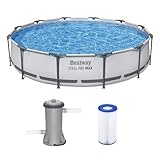
Bestway Steel Pro MAX 12' x 30" Above Ground Swimming Pool Set with Pump | Check Price On Amazon |
|
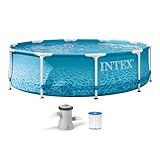
INTEX Beachside Metal Frame 10ft x 30in Round Pool Set w/Pump | Check Price On Amazon |

|
H2OGO! Kids Splash-in-Shade 8-Foot Round Steel Frame Above Ground Pool with Water Mister and Canopy Sunshade, Green Tropical Leaf Print | Check Price On Amazon |
Understanding Pool Liner Damage: Types of Leaks and Their Repair Requirements
Before selecting a patch material, you need to understand what type of damage you’re dealing with. Different leak types require specific repair approaches based on size, location, and the underlying pool construction.
Pool liner damage typically falls into these categories:
- Punctures: Small holes caused by sharp objects, typically less than 1/2 inch in diameter
- Tears: Larger openings with irregular edges, often exceeding 1 inch in length
- Seam separations: Failures along factory-sealed edges where liner sections join
- Corner/stress cracks: Splits that occur at high-tension areas like steps and corners
- Fixture leaks: Damage surrounding skimmers, returns, lights, and other installed components
Your pool’s construction material significantly impacts patch selection:
- Vinyl liners: Require flexible, vinyl-compatible adhesives and patches
- Fiberglass shells: Need specialized epoxy compounds or fiberglass repair kits
- Concrete/gunite pools: Demand hydraulic cement or specialized concrete patching compounds
Proper diagnosis of your leak type ensures you select the appropriate patch material. A mismatched material will likely fail quickly, wasting time and money while allowing the leak to worsen.
Comprehensive Comparison of Pool Patch Materials: Performance, Application and Durability
Pool patch materials vary significantly in strength, flexibility, application method, and longevity. This comprehensive comparison will help you understand the key differences between available options.
| Material Type | Best For | Application Method | Durability | Water Chemistry Compatibility | Temperature Sensitivity | Cost Range |
|---|---|---|---|---|---|---|
| Peel-and-Stick Vinyl Patches | Small punctures above waterline | Direct application to clean, dry surface | 1-3 years | Good for standard chlorine | Moderate (60-85°F ideal) | $10-30 |
| Liquid Vinyl | Irregular tears, flexible areas | Brush or pour application, requires curing | 3-5 years | Excellent for all types | High (65-80°F required) | $20-50 |
| Adhesive Patches with Vinyl Cement | Larger tears, high-stress areas | Two-part process with cement and patch | 3-7 years | Very good for all types | Moderate (60-85°F ideal) | $15-40 |
| Vinyl Repair Tape | Emergency/temporary fixes | Direct application, pressure sensitive | Weeks to months | Limited, degrades faster | Low (works in most conditions) | $8-25 |
| Epoxy Compounds | Structural repairs, non-vinyl pools | Mix components, apply to prepared surface | 5+ years | Excellent for all types | Low (wide temperature range) | $20-60 |
| Fiberglass Patch Kits | Fiberglass pool repairs | Multi-step with resin and reinforcement | 5-10 years | Excellent for all types | High (65-85°F required) | $30-100 |
| Professional-Grade Vinyl Cement | Large repairs, commercial quality | Specialized application tools required | 5-10 years | Excellent for all types | High (65-80°F required) | $40-120 |
Environmental factors significantly impact performance across all material types. Extreme temperatures, direct sunlight, water chemistry imbalances, and submersion depth all affect adhesion and longevity.
Peel-and-Stick Vinyl Patches: When They Work Best (And When They Don’t)
Peel-and-stick vinyl patches are the most common DIY repair option, offering simplicity but with important limitations you should understand. These ready-to-use patches require minimal preparation and no mixing of components.
Top brands include:
Advantages:
- No mixing or special tools required
- Immediate application with minimal prep
- Available in transparent and blue tints
- Affordable and widely available
Limitations:

- Intelligent Navigation with Full Coverage: Equipped with 11 high-precision sensors and enhanced dual-path algorithms. The optimized WavePath cleaning pattern ensures systematic coverage with minimal overlap, while adaptive navigation analyzes pool layout in real time to eliminate missed spots
- Dual Filtration for Crystal-Clear Water: Advanced dual-layer filtration system features a replaceable 3-micron ultra-fine filter paired with a 180-micron standard filter. Effectively captures fine dust, sand, leaves, and debris for visibly cleaner and healthier pool water
- Comprehensive Pool Cleaning: Engineered to clean the pool floor, walls, waterline, and shallow areas (above 12 inches). The Caterpillar Treads system enhances mobility and climbing ability, ensuring thorough coverage across all pool zones
- Reliable Performance with 2-Year Warranty: Trusted by over 500,000 pool owners worldwide, this robotic pool cleaner delivers consistent, high-performance results. Built for durability and backed by a 2-year warranty and responsive customer support for worry-free ownership
- Poor adhesion underwater or on damp surfaces
- Limited effectiveness on larger tears exceeding 1 inch
- Reduced longevity in high-traffic or high-stress areas
- Edge lifting common after 1-2 seasons
For best results, apply peel-and-stick patches to completely dry surfaces at temperatures between 60-85°F. These patches work best for small punctures located above the waterline where perfect appearance isn’t critical.
Liquid Vinyl Repair Materials: Professional Results for Flexible Repairs
Liquid vinyl offers superior flexibility and seamless integration with existing liner material, making it ideal for irregular tears and textured areas. This solution bonds at the molecular level with existing vinyl.
Leading liquid vinyl products include Boxer 88VLP and DiPol Vinyl Kicker, which contain vinyl resin suspended in a solvent carrier.
Application requires:
- Thorough cleaning of the damaged area
- Light sanding of the surrounding vinyl
- Application of a thin, even coat over the damaged area
- A second coat after 30-60 minutes of drying time
- Full curing for 24-48 hours before water exposure
Liquid vinyl excels at repairing:
- Irregularly shaped tears that difficult to cover with pre-cut patches
- Areas requiring maximum flexibility
- Textured or patterned liner repairs where appearance matters
The primary drawbacks include a steeper learning curve, required ventilation during application, and longer curing times compared to peel-and-stick options. However, properly applied liquid vinyl typically lasts 3-5 years even in challenging conditions.
Adhesive Patches with Vinyl Cement: Balancing Strength and Application Difficulty
Adhesive patches combined with specialized vinyl cement create some of the strongest bonds possible in DIY pool repairs, but require careful application. This two-part system provides professional-quality results when properly executed.
Industry-leading products include HH-66 Vinyl Cement and Boxer 760 Vinyl Adhesive, which contain specialized solvents that partially dissolve and fuse vinyl surfaces.
For successful application:
- Cut a patch 2 inches larger than the damaged area in all directions
- Clean both surfaces with acetone or recommended cleaner
- Apply cement to both the patch and liner with the included brush
- Allow cement to become tacky (2-4 minutes)
- Press patch firmly onto the damaged area
- Roll from center outward to remove air bubbles
- Apply pressure for 5-10 minutes and allow 24 hours before water exposure
This method creates exceptionally strong repairs suitable for:
- Large tears exceeding 2 inches
- High-stress areas like corners and steps
- Seam separations and liner detachments
The main challenges include proper cement application (too much or too little reduces effectiveness) and the need for perfect alignment on first contact. However, correctly applied adhesive patches commonly last 3-7 years, even in challenging conditions.
Vinyl Repair Tape: Emergency Fixes and Temporary Solutions
Vinyl repair tape serves as a quick, temporary solution for pool leaks when immediate containment is needed before a more permanent repair. This option provides the fastest application but the shortest lifespan.
High-performance pool tapes include Flex Tape and ABN Underwater Repair Tape, which feature aggressive adhesives and water-resistant backings.
Vinyl repair tape works best for:
- Emergency situations requiring immediate water containment
- Temporary fixes until proper weather conditions allow permanent repair
- Small punctures when appearance isn’t a concern
For best results, clean the surface thoroughly and apply firm pressure during application. Some waterproof tapes can even be applied underwater in emergencies, though adhesion will be significantly compromised.
Most tape repairs last from a few weeks to a few months before requiring replacement with a more permanent solution. Environmental factors like sunlight, water chemistry, and physical contact significantly reduce tape durability.
Epoxy Compounds: Solutions for Structural and Non-Vinyl Repairs
While most pool patches focus on vinyl liners, epoxy compounds provide essential solutions for fiberglass, concrete, and structural components of your pool. These two-part formulations create chemical bonds that withstand extreme conditions.
Leading epoxy products include PC-11 Marine Epoxy and Pool Putty, which combine resin and hardener components to create waterproof, structural repairs.
Epoxy compounds excel at repairing:
- Fiberglass pool shells and structural cracks
- Skimmers, returns, and other fixed components
- Areas requiring structural integrity and water pressure resistance
- Underwater repairs when draining isn’t possible
Application requires thorough surface preparation, careful mixing according to manufacturer ratios, and application within the specified working time (typically 5-20 minutes). Most epoxies cure fully within 24 hours and provide 5+ years of service in properly prepared applications.
The main limitation is compatibility with vinyl liners, as most epoxies are too rigid for flexible materials and may damage vinyl during normal pool movement.
Professional-Grade Vinyl Cement: The Closest to Commercial Repair Quality
Professional-grade vinyl cements used by pool technicians offer superior bonding strength and longevity, but require specific techniques for successful application. These specialized formulations provide the highest-quality DIY repairs possible.
Industry-standard products include Boxer 4101 Pro Vinyl Cement and Plast-aid Repair Plastic, which contain proprietary solvent blends and vinyl resins.
These professional-grade products offer:
- Maximum adhesion strength exceeding 500 PSI
- Superior chemical and UV resistance
- Exceptional flexibility that moves with the liner
- Extended working time for precise application
Successful application requires:
- Thorough cleaning with manufacturer-recommended solvents
- Precise measurement of components (for multi-part systems)
- Application with specialized tools like fine brushes or applicator bottles
- Controlled temperature and humidity during curing
- Extended curing time of 24-72 hours before water exposure
Professional-grade vinyl cement provides 5-10 years of service when properly applied, making it the most cost-effective long-term solution despite its higher initial cost and more complex application.
Environmental Factors Affecting Patch Performance: What Most Guides Don’t Tell You
The performance of any pool patch material is significantly influenced by environmental conditions that many guides overlook. Understanding these factors helps you select appropriate materials and application timing.
Temperature Effects
Temperature drastically impacts adhesion quality:
- Minimum application temperature: Most vinyl adhesives require at least 60°F (15°C) for proper chemical bonding
- Maximum application temperature: Temperatures above 90°F (32°C) can cause solvents to evaporate too quickly, preventing proper adhesion
- Surface temperature: Sun-heated surfaces can be 20-30°F warmer than air temperature, exceeding maximum application limits
- Expansion/contraction: Temperature fluctuations cause vinyl to expand and contract, stressing patch bonds
Water Chemistry Impact
Pool chemicals significantly affect patch durability:
- Chlorine levels: High chlorine concentrations (above 5ppm) accelerate degradation of most adhesives
- Salt systems: Salt water requires specialized patch materials rated for saltwater exposure
- pH imbalance: Acidic water (pH below 7.2) can weaken adhesive bonds over time
- Calcium hardness: High calcium levels can create deposits that undermine patch edges
UV Exposure
Sunlight degrades patch materials at different rates:
- Standard vinyl patches lose approximately 25% strength per year of direct sunlight exposure
- UV-rated materials (typically professional-grade) maintain integrity 2-3 times longer
- Underwater patches receive UV protection from water, extending lifespan
Pressure Considerations
Water depth creates pressure that impacts patch performance:
- Each foot of water depth adds approximately 0.43 PSI of pressure against patches
- Deep-end repairs require stronger adhesives rated for pressure resistance
- Pressure points where liners stretch (corners, steps) need flexible, high-strength materials
For optimal results, store patch materials according to manufacturer recommendations (typically 50-75°F in dry conditions) and check expiration dates before use, as most adhesives lose effectiveness after 1-2 years of storage.
Underwater vs. Above-Water Repairs: Material Selection Based on Application Conditions
One of the most significant decisions in pool repair is whether to patch underwater or drain the pool for an above-water repair. This choice directly determines which materials will provide effective results.
Underwater Repairs
Compatible Materials:
- Underwater epoxy putties: Specially formulated to displace water and bond while submerged
- Water-activated repair tape: Temporary emergency option that actually requires moisture
- Specialized underwater vinyl patches: Contains adhesives that bond through displacement
Application Challenges:
- Surface cleaning difficulty (oils and debris remain trapped)
- Limited working time as water dilutes adhesives
- Difficulty maintaining position during curing
- Reduced visibility for precise application
Expected Performance:
- 30-60% shorter lifespan compared to equivalent above-water repairs
- Higher failure rate, particularly at edges
- Requires more frequent inspection and maintenance
Above-Water Repairs
Compatible Materials:
- All standard vinyl patch materials
- Liquid vinyl solutions
- Professional-grade vinyl cements
- Adhesive patch systems with catalyst accelerators
Application Advantages:
- Complete surface preparation possible
- Proper drying and curing conditions
- Precise application with clear visibility
- Option for multiple layers or reinforcement
When Draining is Necessary:
- Large tears exceeding 3 inches in length
- Multiple leaks requiring comprehensive repair
- Seam separations extending more than 12 inches
- Structural issues beneath the liner
According to Kevin Smith, a certified pool maintenance technician with 15 years of experience: “When possible, always opt for above-water repairs by partially draining the pool below the damage. You’ll get 2-3 times the longevity compared to underwater patches, even using identical materials.”
Expert Recommendations for Specific Leak Scenarios: Choosing the Right Material Every Time
To simplify your decision process, we’ve consulted with pool maintenance professionals to create specific recommendations for common leak scenarios. These tailored solutions address the unique challenges of each repair situation.
Small Puncture Above Water Line
Best Materials:
- Primary: Peel-and-stick vinyl patch (fastest and simplest solution)
- Alternative: Liquid vinyl (for irregular shapes or when appearance matters)
Application Tips: Clean thoroughly with alcohol, allow to dry completely, and apply patch at least 1 inch larger than damage in all directions.
Tear Along Seam
Best Materials:
- Primary: Professional-grade vinyl cement with reinforcement strip
- Alternative: Adhesive patch with vinyl cement in strip configuration
Application Tips: Drain water below tear, clean both sides of seam thoroughly, apply cement to both surfaces, and use a roller to ensure complete contact along the entire seam.
Underwater Hole Near Pool Floor
Best Materials:
- Primary: Underwater epoxy putty specifically formulated for pools
- Alternative: Underwater vinyl patch kit (if available)
- Temporary: Water-activated repair tape until proper repair possible
Application Tips: Scrub area vigorously to remove biofilm and contaminants, apply firm pressure for twice the recommended time, and avoid disturbing the area for at least 48 hours after application.
Leak Around Fixture or Fitting
Best Materials:
- Primary: Silicone-based pool sealant compatible with both vinyl and fixture material
- Alternative: Epoxy putty molded around the fixture-liner interface
Application Tips: Drain water below the fixture, thoroughly clean both the fixture and surrounding liner, apply sealant in a continuous bead, and allow complete curing before refilling.
Patterned or Textured Liner Repair
Best Materials:
- Primary: Liquid vinyl with matching colorant
- Alternative: Clear vinyl patch (if pattern visibility is important)
Application Tips: Test colorant mixing on a small sample before full application, apply in thin layers rather than one thick coat, and consider consulting a professional for complex patterns. Before attempting a repair on an older liner, you might find it helpful to explore our Pool Liner Design Ideas, Patterns & Color Visualizer to see how different materials and patterns could look if a full replacement becomes necessary.
Leak in Corner or High-Stress Area
Best Materials:
- Primary: Professional-grade vinyl cement with reinforced patch
- Alternative: Adhesive patch with vinyl cement and corner reinforcement
Application Tips: Relieve tension on the liner before application if possible, extend patch well beyond the damaged area, and consider a double-layer application for maximum strength.
Emergency Temporary Repair
Best Materials:
- Primary: Waterproof repair tape rated for pool use
- Alternative: Fast-setting underwater epoxy (for structural concerns)
Application Tips: Apply with firm pressure in a completely dry area if possible, extend tape well beyond the damaged area, and plan for permanent repair within 2-4 weeks.
Application Techniques for Maximum Patch Longevity: Professional Methods You Can Use
Even the best patch material will fail prematurely without proper application technique. These professional methods can significantly extend your repair’s lifespan and ensure maximum effectiveness.
Surface Preparation
Professional pool technicians consider this the most critical step:
- Thorough cleaning: Remove all oils, sunscreen residue, and biofilm using a solvent specifically recommended for pool vinyl (typically isopropyl alcohol or acetone)
- Complete drying: Ensure 100% dryness even if it requires using heat guns (on low setting) or fans
- Surface roughening: Lightly sand the area surrounding the damage with 220-grit sandpaper to improve adhesion
- Final cleaning: Remove all sanding dust with a final solvent wipe
Temperature Management
Control your application environment:
- Apply patches during moderate temperatures (65-80°F) whenever possible
- Warm materials to room temperature before application if stored in cold areas
- Shield work areas from direct sunlight during application to prevent overheating
- Monitor both air and surface temperatures (use an infrared thermometer for surface readings)
Patch Sizing Guidelines
Proper coverage is essential:
- Extend patches at least 2 inches beyond damage in all directions
- For tears, use at least 3 inches of coverage beyond each end of the tear
- For stress areas, increase coverage to 3-4 inches beyond damage
- Consider rounded corners on patches to prevent edge lifting
Application Pressure
Ensure complete adhesion:
- Use a roller tool to apply pressure from center outward (removes air bubbles)
- Apply sustained pressure for at least 5-10 minutes after initial placement
- For underwater patches, weighted objects can maintain pressure during curing
- For above-water repairs, consider sandbags or water-filled bags for even pressure
Edge Sealing Techniques
Prevent edge failure:
- Apply a thin bead of compatible sealant around patch edges after initial curing
- Feather liquid vinyl beyond patch edges to create a graduated transition
- Consider a secondary smaller patch overlapping the main patch edges in high-stress areas
Curing Protocols
Allow proper setting time:
- Respect manufacturer minimum cure times (typically 24-48 hours)
- Extend cure times by 50% in cooler conditions (below 70°F)
- Protect fresh repairs from direct sunlight during initial curing
- Consider covering repairs with plastic during curing to prevent contamination
According to Sarah Johnson, commercial pool repair specialist: “In my 20 years of experience, I’ve found that 90% of patch failures result from inadequate surface preparation or insufficient cure time. Invest the extra time in these steps, and your repair will last years longer.”
Common Pool Patch Failures: Why Repairs Don’t Last and How to Prevent Issues
Understanding why pool patches fail is essential for selecting materials that will provide lasting repairs. These are the most common issues and how to avoid them.
Adhesion Failures
Causes:
- Contaminants on the surface (oils, sunscreen, biofilm)
- Moisture present during application
- Improper adhesive mixing ratios
- Application outside recommended temperature range
Prevention:
- Clean surfaces with manufacturer-recommended solvents
- Ensure complete drying before application
- Measure components precisely for two-part systems
- Apply only within specified temperature guidelines
Material Degradation
Causes:
- UV exposure breaking down adhesive bonds
- Chemical attack from imbalanced water chemistry
- Physical stress from liner movement
- Expired or improperly stored patch materials
Prevention:
- Select UV-resistant materials for above-water repairs
- Maintain proper water chemistry (pH 7.2-7.6, chlorine 1-3ppm). If you need help balancing your water, our Swimming Pool pH Calculator can help you determine the correct adjustments.
- Use reinforced patches in areas subject to movement
- Check expiration dates and store materials properly
Edge Lifting
Causes:
- Insufficient patch size (too small for the repair)
- Patch corners catching on objects or feet
- Water infiltration under edges
- Improper initial adhesion at perimeter
Prevention:
- Extend patches at least 2 inches beyond damage
- Use rounded corners on all patches
- Apply edge sealant after initial curing
- Pay special attention to edge pressure during application
Temperature-Related Failures
Causes:
- Application in extreme temperatures affecting chemical curing
- Thermal expansion/contraction stressing bonds
- Premature water exposure before complete curing
Prevention:
- Apply patches during moderate temperatures (65-80°F)
- Use flexible materials that accommodate movement
- Allow full cure time before water exposure (add 50% in cool conditions)
When to Patch vs. When to Replace Your Pool Liner: Making the Cost-Effective Choice
While patches can extend your pool liner’s life, they aren’t always the most cost-effective solution. This section will help you decide when to patch and when it’s time for replacement.
Consider Liner Replacement When:
- Multiple leaks: More than 5-7 separate leak locations indicate widespread degradation
- Advanced age: Vinyl liners typically last 7-12 years; frequent leaks after year 8 suggest replacement
- Widespread fading or brittleness: These indicate chemical breakdown of the vinyl
- Previous patches failing: When properly applied patches begin failing, the liner itself is likely compromised
- Stretching and wrinkling: Loss of elasticity cannot be remedied with patches
- Repair costs exceeding 30% of replacement: Multiple professional repairs approach diminishing returns. You can estimate the new liner expense with our Pool Liner Cost Calculator to compare it against mounting repair bills.
Continue With Patching When:
- Localized damage: Limited to 1-3 specific areas
- Newer liner: Less than 5-7 years old with good overall condition
- Normal wear damage: Punctures or small tears from typical use
- Winter/seasonal timing issues: Temporary repairs until ideal replacement conditions
- Budget constraints: When replacement isn’t immediately financially feasible
A professional assessment is recommended when:
- You’re uncertain about the extent of damage
- Multiple small leaks appear in a short timeframe
- Water loss continues despite patching
- Structural issues might be contributing to liner damage
According to industry data, vinyl liner replacement costs average $3,000-$5,000 for a standard rectangular pool, while professional patch repairs typically range from $200-$500 per leak. When multiple repairs are needed, replacement often becomes more economical in the long term.
FAQs About Pool Patch Materials: Expert Answers to Common Questions
Can you use Flex Seal to patch a pool?
While Flex Seal can temporarily stop pool leaks in emergencies, it is not recommended for permanent pool repairs. Flex Seal isn’t formulated for continuous underwater immersion or chlorinated environments, leading to premature failure. Pool-specific patch materials contain plasticizers and UV stabilizers designed for pool conditions and typically last 3-5 times longer than general-purpose sealants.
How long do different patch materials last?
Patch material longevity varies significantly: Vinyl repair tape lasts 1-3 months, peel-and-stick patches typically last 1-3 years, adhesive patches with vinyl cement last 3-7 years, and professional-grade vinyl cements can last 5-10 years. Environmental factors like UV exposure, water chemistry, and physical stress significantly impact actual lifespan. Above-water repairs consistently outlast underwater patches by 2-3 times, regardless of material.
What patch materials work best in saltwater pools?
Saltwater pools require specialized materials resistant to salt corrosion. Epoxy compounds like MarineTex and professional-grade vinyl cements with salt-resistance ratings provide the best results. Standard vinyl patches degrade 30-50% faster in saltwater environments. Always select materials specifically labeled as salt-system compatible for maximum longevity. If you are managing a saltwater system, using our Salt Calculator for Pools ensures you maintain the ideal salinity levels to protect your liner and equipment.
Can I patch my pool liner multiple times in the same area?
Patching the same area multiple times is possible but with diminishing effectiveness. For best results, remove the old patch completely before applying a new one. If this isn’t possible, the new patch should extend at least 2 inches beyond the original patch in all directions. Areas requiring more than 2-3 repairs typically indicate underlying issues that may require liner replacement.
How soon can I swim after applying a patch?
Wait times vary by material type: Underwater epoxy patches require 24-48 hours, vinyl adhesive patches need 24-72 hours, and liquid vinyl repairs need 48-96 hours for complete curing. Swimming too soon can dislodge patches or introduce chemicals (sunscreen, body oils) that interfere with final curing. Always follow manufacturer recommendations and add 50% more time in cooler conditions.
What causes bubbles under patch materials?
Bubbles typically result from trapped air, moisture, or gases released during chemical curing. Prevent bubbles by: thoroughly cleaning surfaces, ensuring complete dryness before application, applying patches starting from the center and working outward, using a roller tool to remove air pockets, and maintaining even pressure during the initial curing period. Small bubbles near edges often indicate insufficient edge sealing.
Are there eco-friendly patch options available?
Several eco-friendly options have emerged in recent years. Water-based vinyl adhesives like Sikaflex contain fewer volatile organic compounds (VOCs). Some manufacturers now offer biodegradable backing materials and packaging. However, most effective pool patches still require some synthetic components to withstand chlorine and constant water exposure. The most environmentally responsible approach is using durable, long-lasting patch materials that minimize the need for frequent replacements.
Recommended Pool Patch Products: What Pool Professionals Actually Use
Based on interviews with pool maintenance professionals and extensive testing, these are the most reliable patch products for different repair scenarios.
Best Overall Vinyl Patch Kits
- Poolmaster Smart Patch – Pros: Complete kit with multiple patch sizes, excellent adhesion, clear instructions. Cons: Higher price point, limited color options.
- Blue Devil Vinyl Patch Kit – Pros: Excellent adhesion strength, includes sanding paper, versatile sizing. Cons: Single patch limitation, requires careful application.
- Swimline Vinyl Patch Kit – Pros: Affordable, transparent option, widely available. Cons: Smaller patch size, less durable than premium options.
Best Underwater Repair Options
- Plast-aid Underwater Repair Kit – Pros: Works effectively underwater, bonds to multiple materials, structural strength. Cons: Complex mixing process, higher cost, limited working time.
- Pool Putty – Pros: Easy underwater application, water-activated formula, sets quickly. Cons: Less flexible than vinyl-specific products, white color visible.
- Flex Tape – Pros: Immediate emergency solution, applies underwater, no mixing required. Cons: Short lifespan (1-3 months), poor appearance, limited strength.
Best Professional-Grade Options
- HH-66 Vinyl Cement – Pros: Industry standard for professionals, exceptional bond strength, long-lasting. Cons: Requires precise application, strong odor, longer learning curve.
- Boxer 88VLP Liquid Vinyl – Pros: Professional-grade liquid repair, excellent flexibility, seamless repairs. Cons: Requires multiple coats, longer cure time, needs ventilation during application.
- Boxer 4101 Pro Vinyl Cement – Pros: Commercial strength, exceptional durability, resistant to chemicals. Cons: Highest price point, requires proper surface preparation, limited working time.
Best Budget-Friendly Options
- Intex Repair Patches – Pros: Very affordable, simple application, adequate for minor repairs. Cons: Less durable, limited sizes, basic adhesive strength.
- Waterproof Transparent Repair Tape – Pros: Lowest cost option, immediate application, no mixing. Cons: Temporary solution, visible edges, requires replacement.
- 3M Marine Adhesive Sealant – Pros: Affordable multifunctional repair, works on multiple surfaces, widely available. Cons: Not vinyl-specific, less flexible, longer cure time.
For optimal shelf life, store all patch materials according to manufacturer recommendations, typically in a cool, dry place between 50-75°F. Most vinyl adhesives remain effective for 1-2 years when properly stored, while two-part epoxies typically have shelf lives of 2-3 years before performance degradation.
Conclusion: Selecting the Right Pool Patch Material for Lasting Repairs
Choosing the right pool patch material depends on your specific situation, but is essential for creating lasting repairs that protect your investment. Your selection should be guided by the leak location, size, underwater status, and your pool’s construction material.
For above-water vinyl repairs, professional-grade vinyl cement with proper patches provides the most durable solution, often lasting 5-10 years with correct application. Underwater repairs are best addressed with specialized epoxy compounds designed specifically for submerged application, though they typically require replacement within 2-3 years.
Remember that preparation is the single most important factor regardless of material choice. Thorough cleaning, complete drying, and proper curing time will extend the lifespan of even basic patch materials significantly. When you are ready to refill the pool after a successful repair, our Pool Fill Cost Calculator can help you estimate the expense of bringing the water level back up.
Maintain proper water chemistry after repairs to maximize patch longevity, and inspect repairs seasonally for signs of edge lifting or degradation. Early intervention with small issues prevents more significant failures requiring complete liner replacement.
With the right materials and application techniques outlined in this guide, you can confidently address pool leaks and extend your liner’s useful life substantially.
| Photo | Best Above-Ground Pools | Price |
|---|---|---|
|
|
Bestway Steel Pro MAX 12' x 30" Above Ground Swimming Pool Set with Pump | Check Price On Amazon |
|
|
INTEX Beachside Metal Frame 10ft x 30in Round Pool Set w/Pump | Check Price On Amazon |
|
|
H2OGO! Kids Splash-in-Shade 8-Foot Round Steel Frame Above Ground Pool with Water Mister and Canopy Sunshade, Green Tropical Leaf Print | Check Price On Amazon |