
DIY pool fences provide an essential safety barrier while allowing homeowners to save on installation costs. The best DIY pool fences balance safety compliance, installation simplicity, and aesthetic appeal without compromising on quality. According to the CDC, proper fencing can prevent up to 70% of child drownings in residential pools.
This comprehensive guide examines removable mesh barriers, aluminum panels, glass systems, and other DIY-friendly options that meet safety codes while accommodating different skill levels. You’ll discover which materials offer the best combination of security, durability, and ease of installation for your specific situation.
| Photo | Best Above-Ground Pools | Price |
|---|---|---|
|
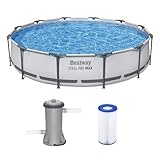
Bestway Steel Pro MAX 12' x 30" Above Ground Swimming Pool Set with Pump | Check Price On Amazon |
|
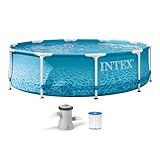
INTEX Beachside Metal Frame 10ft x 30in Round Pool Set w/Pump | Check Price On Amazon |

|
H2OGO! Kids Splash-in-Shade 8-Foot Round Steel Frame Above Ground Pool with Water Mister and Canopy Sunshade, Green Tropical Leaf Print | Check Price On Amazon |
Understanding Pool Fence Safety Requirements and Regulations
Before selecting any DIY pool fence, understanding the safety requirements is essential. According to the Consumer Product Safety Commission (CPSC), proper pool fencing is one of the most effective ways to prevent child drownings. These barriers must meet specific standards to be effective.
The International Swimming Pool and Spa Code (ISPSC), adopted by many jurisdictions, outlines these key requirements:
- Minimum height: 48 inches (4 feet) from ground level to top of fence
- Gap limitations: No openings larger than 4 inches, including between vertical slats and bottom clearance
- Climb resistance: No footholds, handholds, or horizontal components that could aid climbing
- Gate requirements: Self-closing and self-latching, opening outward away from pool
- Latch height: Minimum 54 inches from ground level or placed on pool side of gate
Local codes may impose additional requirements. For example, Florida requires 60-inch minimum heights in some areas, while California mandates alarms on house doors leading to pool areas. Always check with your local building department before purchasing materials.
Most municipalities require permits for pool fence installation, with inspections following completion. Documentation of code compliance is essential for insurance purposes and may be required by law.
11 Top DIY Pool Fence Options Compared by Material, Safety, and Installation Difficulty
With safety requirements in mind, let’s examine the 11 best DIY pool fence options, comparing materials, installation difficulty, cost, and durability to help you find the perfect match for your needs and skills.
| Fence Type | Installation Difficulty (1-5) | Child Safety Rating (1-5) | Durability (1-5) | Cost Range | Est. Installation Time |
|---|---|---|---|---|---|
| Removable Mesh | 2 | 5 | 3 | $15-25/ft | 6-8 hours |
| Aluminum Panels | 4 | 5 | 5 | $20-35/ft | 2-3 days |
| Glass Panel | 5 | 4 | 4 | $70-100/ft | 2-4 days |
| Vinyl | 3.5 | 5 | 4 | $20-30/ft | 1-2 days |
| Wood | 4.5 | 4 | 3 | $15-40/ft | 2-4 days |
| Chain Link | 3 | 3 | 4 | $10-15/ft | 1-2 days |
| Wrought Iron Look | 3.5 | 4 | 5 | $25-40/ft | 2-3 days |
| Composite | 4 | 4 | 4 | $25-45/ft | 2-3 days |
| Temporary Mesh | 2 | 4 | 2 | $12-20/ft | 4-6 hours |
| Above-Ground Pool | 3 | 4 | 3 | $15-30/ft | 1-2 days |
| Steel Post & Rail | 3.5 | 4 | 5 | $18-30/ft | 1-2 days |
Let’s examine each option in detail to understand which best suits your specific situation.
Mesh Pool Fencing: The DIY-Friendly Safety Solution
Mesh pool fencing has become one of the most popular DIY options due to its excellent balance of safety, visibility, and relatively simple installation process. This type of fencing uses tensioned mesh panels supported by poles that insert into drilled deck holes.
Materials needed:
- Mesh fence panels (typically 4 or 5 feet high)
- Aluminum or fiberglass support poles
- Deck sleeves for pole insertion
- Self-closing gate with childproof latch
- Tension devices and hooks
Tool requirements:
- Core drill with masonry bit (can be rented)
- Measuring tape and chalk line
- Hammer drill for concrete
- Level
Pros:

- Intelligent Navigation with Full Coverage: Equipped with 11 high-precision sensors and enhanced dual-path algorithms. The optimized WavePath cleaning pattern ensures systematic coverage with minimal overlap, while adaptive navigation analyzes pool layout in real time to eliminate missed spots
- Dual Filtration for Crystal-Clear Water: Advanced dual-layer filtration system features a replaceable 3-micron ultra-fine filter paired with a 180-micron standard filter. Effectively captures fine dust, sand, leaves, and debris for visibly cleaner and healthier pool water
- Comprehensive Pool Cleaning: Engineered to clean the pool floor, walls, waterline, and shallow areas (above 12 inches). The Caterpillar Treads system enhances mobility and climbing ability, ensuring thorough coverage across all pool zones
- Reliable Performance with 2-Year Warranty: Trusted by over 500,000 pool owners worldwide, this robotic pool cleaner delivers consistent, high-performance results. Built for durability and backed by a 2-year warranty and responsive customer support for worry-free ownership
- Excellent visibility for monitoring swimmers
- Removable for special events or seasonal use
- No climbing footholds for children
- UV-resistant materials last 5-10 years
- Minimal visual impact on landscaping
Cons:
- Requires drilling into deck/concrete
- Less permanent than other options
- Mesh can occasionally tear and require replacement
Removable mesh fencing strikes an ideal balance for most homeowners, offering professional-grade safety with moderate DIY difficulty. The installation involves drilling holes at 30-36 inch intervals, inserting sleeves, and connecting tension-based mesh panels between poles.
Aluminum Pool Fencing: Durable DIY Option with Pre-Made Panels
Aluminum fencing offers exceptional durability and a classic look, with pre-made panels that simplify the DIY installation process compared to other permanent options. These powder-coated systems resist corrosion and maintain appearance for decades.
Materials needed:
- Pre-made aluminum fence panels (48″ or 54″ height)
- Aluminum posts with caps
- Self-closing gate kit
- Post concrete mix
- Mounting hardware
Tool requirements:
- Post hole digger or power auger
- Level and measuring tape
- Concrete mixing tools
- Rubber mallet
- Power drill and bits
Pros:
- Exceptional 20+ year lifespan
- Zero maintenance beyond occasional washing
- Pre-fabricated panels simplify installation
- Available in multiple styles and colors
- Excellent climbing resistance
Cons:
- Higher difficulty due to post setting in concrete
- Less flexibility for curves or irregular pools
- Permanent installation not easily modified
Aluminum fencing provides the best combination of longevity and DIY-friendly installation among permanent options. Most systems use 2-inch posts set in concrete at 6-foot intervals with pre-made panels that attach with simple brackets. Check the latest price on aluminum pool fence panels here.
Glass Panel Pool Fencing: Premium DIY Option for Unobstructed Views
Glass panel pool fencing represents the premium end of DIY options, offering unobstructed views while maintaining excellent safety standards. These systems use tempered safety glass panels mounted to stainless steel spigots or channels.
Materials needed:
- Tempered glass panels (3/8″ or 1/2″ thickness)
- Stainless steel spigots or channel system
- Gate hardware with hydraulic closer
- Concrete anchors
- Specialty glass clamps
Tool requirements:
- Diamond core drill (for spigot installation)
- Rotary hammer drill
- Level and measuring tools
- Glass suction cups for panel handling
- Torque wrench for precise tightening
Pros:
- Completely unobstructed views
- Premium modern aesthetic
- No climbing points for children
- Excellent wind resistance
- 15+ year lifespan
Cons:
- Highest cost of all DIY options
- Requires specialized tools
- Most technically challenging installation
- Glass requires regular cleaning
Glass panel fencing is recommended for DIYers with previous construction experience. The installation precision requirements exceed other fence types, with exact measurements critical for proper alignment. Semi-frameless systems offer slightly easier installation than fully frameless options.
Vinyl Pool Fencing: Low-Maintenance DIY Option with Pre-Made Sections
Vinyl pool fencing offers an excellent balance of durability, low maintenance, and reasonable DIY installation difficulty thanks to pre-fabricated sections. These PVC-based systems resist weather damage and never require painting.
Materials needed:
- Vinyl fence panels (picket style for visibility)
- Vinyl posts with internal aluminum reinforcement
- Post caps and decorative elements
- Self-closing gate kit
- Concrete for post setting
Tool requirements:
- Post hole digger
- Level and measuring tape
- Power drill
- Circular saw for cutting panels
- Concrete mixing tools
Pros:
- Zero maintenance beyond cleaning
- No painting, staining or sealing ever needed
- Pre-made sections simplify installation
- 25+ year lifespan
- Moderate DIY difficulty level
Cons:
- Limited color options (mostly white)
- Can become brittle in extreme cold
- Sections typically require concrete footings
Vinyl fencing installation follows a similar process to aluminum, with posts set in concrete at 6-8 foot intervals. The key difference is vinyl’s lighter weight and the snap-together design of many components, which reduces the need for specialized tools. Check the latest price on vinyl pool fence panels here.
Wooden Pool Fencing: Customizable DIY Option with Natural Aesthetics
Wooden pool fencing provides natural aesthetics and high customizability for DIYers with moderate to advanced carpentry skills. These traditional barriers can be built to exact specifications for your pool area.
Materials needed:
- Pressure-treated lumber or cedar posts (4×4)
- Vertical pickets (2×2 or 1×4)
- Rails (2×4)
- Galvanized hardware
- Weather-resistant wood screws
- Concrete for post setting
Tool requirements:
- Post hole digger
- Circular saw or miter saw
- Drill/driver
- Level and measuring tools
- Sander
Pros:
- Complete customization options
- Natural appearance that complements landscapes
- Readily available materials
- Repairable and modifiable over time
- Most affordable permanent option
Cons:
- Highest maintenance requirements
- Needs sealing/staining every 1-2 years
- 10-15 year lifespan without regular maintenance
- Most labor-intensive installation
Wood fencing requires more skill than pre-fabricated options. Posts must be set 24-36 inches deep in concrete, with careful attention to vertical alignment. Horizontal rails must be attached at heights that don’t create climbing points for children, typically with at least 45 inches between rails.
Chain Link Pool Fencing: Budget-Friendly DIY Option with Simple Installation
Chain link fencing represents the most budget-friendly DIY pool fence option, offering straightforward installation and acceptable safety compliance. While not the most attractive option, chain link provides functional protection at minimal cost.
Materials needed:
- Chain link mesh (minimum 48″ height)
- Metal posts and top rail
- Tension wire or bottom rail
- Gate frame and hardware
- Tie wires and tension bands
- Concrete for post setting
Tool requirements:
- Post hole digger
- Pipe cutter (for metal posts)
- Tension bar tool
- Pliers and wire cutters
- Level and measuring tape
Pros:
- Lowest cost per linear foot
- Simpler installation than wood or vinyl
- 15+ year lifespan with minimal maintenance
- Excellent visibility for monitoring swimmers
- Available at most home improvement stores
Cons:
- Less attractive than other options
- Provides potential climbing footholds
- May not meet code in all areas without modifications
- Sharp wire ends can be problematic
Chain link installation involves setting metal posts in concrete at 8-10 foot intervals, attaching top rails, and stretching tension wire along the bottom. The mesh is then stretched between terminal posts and secured with tie wires. To improve safety compliance, choose smaller mesh patterns (2-inch or less) and add privacy slats to reduce climbing ability.
Wrought Iron Look-Alike Pool Fencing: Classic Appearance with Simplified Installation
Modern wrought iron look-alike pool fencing delivers classic elegance with simplified installation compared to traditional wrought iron, making it accessible to DIYers. These aluminum systems mimic the appearance of wrought iron without the weight or maintenance.
Materials needed:
- Aluminum “wrought iron style” panels
- Matching posts and post caps
- Gate kit with self-closing hinges
- Mounting brackets and hardware
- Concrete for post setting
Tool requirements:
- Post hole digger
- Level and measuring tape
- Power drill with metal bits
- Adjustable wrench
- Concrete mixing tools
Pros:
- Classic, elegant appearance
- Superior durability (20+ year lifespan)
- Powder coating eliminates need for painting
- Available in multiple designs and colors
- Pre-fabricated sections simplify installation
Cons:
- Higher cost than basic options
- Vertical bars may require additional mesh for child safety
- Permanent installation with limited flexibility
Installation follows similar principles to aluminum panel fencing, with posts set in concrete and pre-fabricated sections attached between them. The key safety consideration is ensuring vertical spindles have gaps under 4 inches to prevent child passage, which most modern systems already incorporate.
Composite Pool Fencing: Eco-Friendly DIY Option with Wood-Like Appearance
Composite pool fencing offers the natural look of wood with enhanced durability and lower maintenance, making it an excellent eco-friendly DIY option. These recycled material systems combine the aesthetics of wood with the longevity of vinyl.
Materials needed:
- Composite fence panels or boards
- Composite or aluminum posts
- Stainless steel fasteners
- Post caps and decorative elements
- Concrete for post setting
Tool requirements:
- Post hole digger
- Power drill/driver
- Circular saw with fine-tooth blade
- Level and measuring tools
- Concrete mixing equipment
Pros:
- Natural wood appearance without maintenance
- Environmentally friendly recycled materials
- 25+ year lifespan
- No staining, painting or sealing required
- Resistant to insects, rot, and weather damage
Cons:
- Higher cost than wood
- Heavier than vinyl or wood
- Limited color options
- Can get hot in direct sunlight
Composite fencing installation is similar to wood, with posts set in concrete footings. The main difference is that composite materials are denser and heavier, requiring more care during handling. Many systems come with aluminum channels or brackets that simplify the attachment of composite boards to posts.
Temporary Mesh Pool Fencing: Removable DIY Option for Seasonal Use
Temporary mesh pool fencing provides an excellent solution for seasonal pools, rental properties, or situations requiring occasional removal while maintaining safety standards. These systems can be fully removed and reinstalled as needed.
Materials needed:
- Mesh fence sections with reinforced edges
- Removable poles (typically fiberglass)
- Deck sleeves or removable bases
- Self-closing gate section
- Storage bag for off-season
Tool requirements:
- Drill with masonry bit
- Measuring tape
- Utility knife
- Hammer
Pros:
- Completely removable when not needed
- Easiest DIY installation
- Most affordable safety-compliant option
- Minimal visual impact
- Easily stored during off-season
Cons:
- Less durable than permanent options
- Requires drilling deck holes
- 3-7 year typical lifespan
- Needs removal before severe weather
Temporary mesh fencing installation is similar to standard mesh but uses smaller diameter poles and sleeves designed for easy removal. Installation time is typically 4-6 hours for an average pool, with removal taking less than an hour. These systems require storage space when not in use but fold compactly. Check the latest price on temporary mesh pool fencing here.
Above-Ground Pool Fencing: Specialized DIY Solutions for Elevated Pools
Above-ground pools present unique fencing challenges that require specialized DIY approaches to maintain safety while accommodating elevated structures. These systems typically attach directly to the pool wall or surrounding deck.
Materials needed:
- Above-ground pool fence kit (vinyl or resin)
- Fence posts designed for deck or pool mounting
- Self-closing gate with childproof latch
- Mounting brackets and hardware
- Deck reinforcement materials if needed
Tool requirements:
- Power drill/driver
- Jigsaw (for deck cutouts)
- Level and measuring tape
- Screwdrivers and wrenches
Pros:
- Specifically designed for above-ground pools
- Often integrates with existing pool structure
- Usually simpler installation than in-ground options
- Lower total cost due to smaller perimeter
- Can add security to pool ladder access
Cons:
- Limited style options
- May require deck for full compliance
- Some systems affect liner replacement
- Pool-mounted systems may stress pool walls
Installation methods vary significantly based on whether the pool has a deck. Deck-mounted systems install like standard fencing but with shorter sections and specialized brackets. Pool-mounted systems attach directly to the top rail of the pool with specially designed brackets, creating a barrier around the pool’s perimeter without requiring ground contact.
Comprehensive DIY Installation Guide: Tools, Techniques, and Safety Testing
Installing your own pool fence requires careful planning, proper tools, and methodical execution to ensure safety compliance. This comprehensive guide breaks down the process into manageable steps for DIYers of all skill levels.
Essential Pool Fence Installation Tools and Alternatives
The right tools make DIY pool fence installation significantly easier and more precise. This section outlines essential tools needed for various fence types, along with budget-friendly alternatives for specialized equipment.
Core tools needed for all fence types:
- Measuring tape (25ft minimum) – Essential for accurate layout
- Chalk line – For marking straight fence lines
- Level (2ft and 4ft) – Critical for vertical post alignment
- Power drill with bits – Required for virtually all installations
- Safety equipment – Gloves, eye protection, and dust mask
- Rubber mallet – For adjusting components without damage
Specialized tools by fence material:
- Mesh fencing: Core drill with 3/4″ masonry bit (rent from home centers for $50-75/day)
- Permanent fencing: Post hole digger or power auger (rent auger for $60-100/day)
- Wood/composite: Circular saw or miter saw, post level
- Glass panels: Diamond core drill, glass handling suction cups (rent for $30-40/day)
- Chain link: Tension bar tool, fence stretcher (purchase for $20-30)
Budget alternatives:
- Instead of power auger, use manual post hole digger ($20-30)
- Replace core drill with hammer drill and long masonry bit ($100 vs. $250)
- Use battery drill instead of corded for areas away from power ($60-100)
- Substitute specialized fence levels with standard torpedo level ($10)
For first-time DIYers, tool rental makes more economic sense than purchasing specialized equipment. Most home improvement centers offer weekend rates that can save significantly over purchasing tools you may only use once.
Step-by-Step Pool Fence Layout and Planning Process
Proper layout is the foundation of a successful DIY pool fence installation. Follow these steps to ensure your fence meets safety requirements while optimizing for aesthetics and function.
- Measure pool perimeter and establish boundary
- Maintain minimum 36″ clearance from pool edge
- Allow 48″ clearance for maintenance access
- Mark boundary with spray paint or stakes and string
- Determine gate location(s)
- Place away from house access points when possible
- Position for maximum visibility from home
- Ensure flat, level ground at gate locations
- Calculate materials needed
- Measure total linear footage
- Add 10% for cutting waste and errors
- Determine post count based on manufacturer spacing (typically 6-8′ for permanent, 30-36″ for mesh)
- Mark post locations
- Use spray paint to mark each post position
- Begin from corner points and gate posts
- Ensure consistent spacing between marks
- Identify and address obstacles
- Locate underground utilities before digging (call 811)
- Identify sprinkler lines and lighting wires
- Plan adjustments for trees, rocks, or slopes
- Verify measurements
- Confirm post spacing meets manufacturer specifications
- Ensure gate openings match actual gate width plus hardware allowance
- Check overall layout for compliance with local codes
For irregular or curved pools, consider using flexible PVC pipe to mock up the fence line before finalizing post locations. This visual guide helps identify potential issues before permanent installation begins.
Installation Techniques for Different Ground Surfaces
Different ground surfaces require specific installation approaches. Whether installing on concrete, pavers, soil, or mixed terrain, these techniques will help you secure your fence properly.
Concrete deck installation:
- Mark hole locations with chalk or marker
- Use core drill with appropriate bit size (typically 3/4″ for mesh, 2-3″ for permanent posts)
- Drill to manufacturer-specified depth (usually 3-4″ for mesh, 8-12″ for permanent posts)
- Clean debris from holes using shop vacuum
- For mesh: Insert sleeve and tap flush with surface
- For permanent: Use concrete anchors or chemical bonding agents
If your deck needs repair or expansion before installing the fence, you can more accurately plan both projects by using a pool deck cost calculator to determine potential expenses for upgrades.
Soil installation:
- Dig post holes to required depth (typically 24-36″ depending on fence height)
- Diameter should be 3x post width (usually 8-12″ for standard posts)
- Add 2-3″ of gravel at bottom for drainage
- Position post in hole and brace temporarily
- Check for plumb in both directions using level
- Mix concrete according to instructions (typically 1 bag per post)
- Pour around post, sloping surface away from post for drainage
- Allow 24-48 hours to cure before attaching panels
Paver or deck installation:
- Remove pavers where posts will be located
- For permanent: Dig below frost line (typically 36-48″ in northern climates)
- For mesh: Either core through pavers or create concrete footings between pavers
- Install sleeve or concrete as appropriate for fence type
- Replace pavers around installation, cutting as needed to fit
Sloped terrain solutions:
- Stepping method: Install panels level with horizontal steps between sections
- Racking method: Some panels can rack (angle) up to 15 degrees to follow gentle slopes
- Custom panels: For steep slopes, measure and order custom-sized panels
- Always ensure bottom gap remains less than 4″ despite slope changes
For mixed surfaces, maintain consistent fence height by adjusting post lengths to compensate for surface variations. When transitioning between surfaces (like concrete to soil), ensure posts on both sides are sufficiently anchored to maintain tension and alignment.
Gate Installation and Safety Mechanism Setup
The gate is the most critical safety component of your DIY pool fence. This section covers proper installation techniques to ensure reliable self-closing and self-latching functionality.
Gate post installation:
- Install gate posts first, before other fence sections
- Use 3×3″ or 4×4″ posts for gates (larger than standard fence posts)
- Set posts 2-3″ deeper than regular fence posts
- For concrete installation, use twice the concrete volume of standard posts
- Ensure absolute plumb in both directions using post level
- Allow concrete to cure 48-72 hours before hanging gate
Self-closing hinge installation:
- Position hinges according to manufacturer instructions (typically 6″ from top and bottom)
- Pre-drill holes to avoid splitting posts
- Use stainless steel screws appropriate for your fence material
- Adjust spring tension per manufacturer guidelines
- Test closing from various open positions (15°, 45°, 90°)
- Gate should close completely from any position without slamming
Self-latching mechanism installation:
- Install latch at minimum 54″ height from ground (per CPSC guidelines)
- Position latch on pool side of gate when possible
- If using magnetic latches, ensure proper alignment
- Include appropriate striker plate or catch
- Test latching from various closing speeds
- Verify that gate cannot be pushed open when latched
Safety features to include:
- Secondary lock or alarm for added protection
- Gate swing direction must open away from pool
- Sign indicating “Keep Gate Closed” as a reminder
- For mesh fencing, reinforced mesh around gate opening
Always test gate operation multiple times after installation. Apply slight pressure against the closed gate to ensure it can’t be pushed open. Check that the gate closes completely from any open position and that the latch engages automatically without manual assistance.
DIY Safety Testing: Verifying Your Pool Fence Meets Standards
After installation, verifying your DIY pool fence meets safety standards is essential. These testing procedures will help ensure your fence provides the protection intended by building codes.
Height verification:
- Measure from ground to top of fence at multiple points
- Minimum 48″ height must be maintained around entire perimeter
- Measure from outside of fence (approach side) to top
- If using decorative tops, measure to lowest solid portion
Gap testing:
- Use a 4″ sphere or ball to test all openings
- Check between vertical components
- Verify bottom gap is less than 4″ at all points
- Test mesh tension by applying moderate pressure
- Check decorative elements for potential footholds
Gate function verification:
- Open gate to various positions (15°, 30°, 90°) and confirm it closes completely
- Verify gate latch engages automatically after closing
- Test latch cannot be reached by children (under 54″ or on pool side)
- Confirm gate swing direction is away from pool
- Check that fence and gate cannot be easily climbed
Documentation for inspection:
- Take photos of completed installation
- Document material specifications and compliance
- Keep receipts and manufacturer documentation
- Note any variances or special accommodations made
- Prepare list of safety features incorporated
Consider asking a second person to attempt to find ways a child might bypass the fence. Fresh eyes often spot potential issues you might miss. If any compliance concerns are found, address them immediately before using the pool.
Solving Common DIY Pool Fence Installation Challenges
Even well-planned DIY pool fence installations can face unexpected challenges. This section addresses the most common problems and provides practical solutions to overcome them.
Installing Pool Fencing on Sloped or Uneven Terrain
Sloped yards present one of the biggest challenges for DIY pool fence installation. These techniques will help you maintain safety compliance while adapting to changing elevations.
Measuring and planning for slopes:
- Identify high and low points along proposed fence line
- Measure total elevation change using string level or laser level
- Calculate slope percentage (rise divided by run, multiplied by 100)
- For slopes under 10%, most fence systems can rack (angle) panels
- For slopes over 10%, stepping method is typically required
Stepped installation method:
- Install posts at consistent heights relative to their individual ground level
- Maintain level panels between posts (horizontal, not angled)
- Create “steps” between panels where elevation changes significantly
- Ensure bottom gap never exceeds 4″ despite ground changes
- Add additional posts at transition points if needed
Racked installation method:
- Verify your fence system allows racking (most aluminum and vinyl panels allow 10-15°)
- Install posts plumb but at different heights following terrain
- Angle panels between posts to follow slope contour
- Use manufacturer-supplied racking hardware when available
- For wood fencing, cut rails at appropriate angles to follow slope
Material-specific considerations:
- Mesh fencing: Most adaptable to slopes, can follow almost any contour
- Glass panels: Cannot rack; must use stepping method
- Aluminum/vinyl: Limited racking ability, often 10-15 degrees maximum
- Wood: Highly adaptable with custom cutting but requires more skill
For extreme slopes, consider terracing the ground before fence installation or creating retaining walls to establish more level fence runs. This approach, while more labor-intensive, creates a more professional appearance and simplifies installation.
Integrating Pool Fencing with Existing Landscaping and Features
Existing landscaping, hardscaping, and pool features can complicate fence installation. These integration techniques help maintain safety while preserving your yard’s aesthetic elements.
Working around trees and plants:
- Maintain minimum 12″ clearance from tree trunks to allow for growth
- For mesh fencing, install additional posts on either side of trees
- With permanent fencing, consider custom-cut panels to accommodate tree placement
- For valuable plants, temporarily transplant during installation if possible
- Protect root systems by avoiding digging within drip line of established trees
Integrating with hardscape features:
- For retaining walls: Mount fence posts directly to wall using concrete anchors
- For decorative stone: Core drill through stone or position posts adjacent to features
- For existing patios: Use surface mounts with reinforcement plates when possible
- For water features: Create sealed post footings to prevent water intrusion
Accommodating pool equipment:
- Position fence to enclose pool equipment when possible (prevents climbing access)
- If equipment must remain outside fence, maintain minimum 48″ clearance
- Create separate access gate for equipment maintenance
- Use taller fencing sections near equipment that could be climbed
Preserving views and aesthetics:
- Use transparent materials (mesh, glass, aluminum) for key viewpoints
- Position solid fence sections to block unwanted views (equipment, utilities)
- Consider fence color that complements landscape (black often disappears visually)
- Incorporate planting beds along fence line to soften appearance
When integrating with existing features, flexibility in fence layout is key. Consider slight adjustments to the planned fence line to accommodate important landscape elements while maintaining safety compliance. Small curves or angles can often resolve conflicts without compromising protection.
Troubleshooting Post and Panel Installation Problems
Post and panel installation is where most DIYers encounter difficulties. These troubleshooting techniques address common problems that arise during this critical phase.
Posts won’t stay plumb:
- Problem: Posts lean during concrete setting
- Solution: Create temporary bracing using 2x4s in triangle formation
- Prevention: Use fast-setting concrete and check plumb frequently during initial set
Hitting obstacles when digging:
- Problem: Rocks, roots, or unknown objects in post holes
- Solution: For small rocks, use digging bar to break up or remove; for large obstacles, shift post location slightly (within manufacturer specifications)
- Prevention: Call 811 before digging and probe soil with thin metal rod
Misaligned panels:
- Problem: Gaps between panels or uneven appearance
- Solution: Loosen bracket hardware, adjust to proper position, then re-tighten
- Prevention: Install one section at a time, checking alignment before moving to next
Spacing inconsistencies:
- Problem: Irregular gaps between pickets or panels
- Solution: Use spacer blocks cut to exact dimension for consistent placement
- Prevention: Measure twice before setting posts in concrete
Weak spots in fence line:
- Problem: Sections that feel unstable or wobble
- Solution: Add diagonal bracing to posts or install additional posts for support
- Prevention: Use proper post sizes and concrete amounts for your fence type
Height variations:
- Problem: Inconsistent fence height creates safety issue
- Solution: For minor variations, adjust panel position in brackets; for major issues, you may need to reset posts
- Prevention: Use string line at desired height during installation to maintain consistency
When troubleshooting installation problems, remember that small adjustments early prevent major rework later. Take time to verify each post’s position and plumb before concrete sets fully. For critical issues affecting safety, don’t hesitate to remove and reinstall components rather than accepting compromised protection.
Pool Fence Maintenance, Repair, and Seasonal Care
Proper maintenance ensures your DIY pool fence remains safe and attractive for years to come. This comprehensive care guide covers seasonal maintenance, common repairs, and long-term preservation techniques.
Seasonal Maintenance Schedule by Fence Material
Different fence materials require specific seasonal care to maintain safety and appearance. Follow this maintenance calendar tailored to your fence type to maximize lifespan and performance.
Aluminum and wrought iron look-alike fencing:
- Spring: Inspect for winter damage, wash with mild soap solution, check and tighten all hardware
- Summer: Rinse occasionally to remove chlorine splash and debris
- Fall: Check for loose components, inspect gate function, touch up any scratches with matching paint
- Winter: Remove accumulated snow from horizontal surfaces to prevent weight damage
Vinyl and composite fencing:
- Spring: Clean with vinyl cleaner to remove winter grime, check for cracking from freeze/thaw
- Summer: Wash with mild soap solution to prevent algae growth
- Fall: Inspect joint connections, remove fallen leaves from fence base
- Winter: Avoid using metal snow removal tools that could scratch surface
Wood fencing:
- Spring: Inspect for water damage, apply water repellent or stain, replace damaged boards
- Summer: Check for insect activity, treat as needed
- Fall: Clean debris from base to prevent rot, tighten any loose fasteners
- Winter: Remove snow buildup to reduce moisture exposure
- Every 1-2 years: Reapply stain or sealant depending on product used
Mesh fencing:
- Spring: Check tension of all panels, inspect mesh for tears or damage
- Summer: Clean with mild detergent to remove sunscreen residue and chlorine
- Fall: Verify all poles are secure, test gate closing mechanism
- Winter: In severe weather areas, consider temporary removal and storage
Glass panel fencing:
- Spring: Clean thoroughly with non-abrasive glass cleaner, check all clamps and hardware
- Summer: Wash regularly to maintain clarity and remove water spots
- Fall: Inspect silicon seals (if present), verify stability of all panels
- Winter: Clear snow carefully to prevent stress on panels
For all fence types, perform a thorough safety check at the beginning of each pool season. Test gate closing and latching functions, inspect for damage from winter weather, and verify that no ground erosion has created gaps under the fence.
DIY Repair Techniques for Common Pool Fence Damage
Even well-maintained pool fences may sustain damage over time. These DIY repair techniques will help you address common issues without replacing entire sections.
Mesh fence repairs:
- Tears in mesh: Use UV-resistant zip ties to close small tears; for larger damage, apply mesh repair patches available from manufacturers
- Loose tension: Adjust tension devices by turning clockwise to tighten
- Damaged poles: Replace individual poles without removing entire sections
- Stripped pole tops: Apply marine epoxy to rebuild threads or replace cap entirely
Aluminum/metal fence repairs:
- Scratched finish: Use manufacturer-matched touch-up paint
- Bent pickets: Use rubber mallet and wood blocks to carefully straighten
- Loose brackets: Replace damaged brackets and secure with new stainless steel screws
- Corroded hardware: Replace with marine-grade stainless steel equivalents
Vinyl/composite fence repairs:
- Cracked panels: For hairline cracks, use vinyl cement; for major damage, replace individual panels
- UV fading: Apply vinyl protectant with UV inhibitors
- Loose post caps: Secure with PVC cement designed for fence components
- Warped sections: Apply gentle heat with hair dryer to restore shape
Wood fence repairs:
- Rotted boards: Replace individual boards rather than entire panels
- Split wood: Apply waterproof wood glue and clamp until dry
- Loose pickets: Secure with galvanized or stainless deck screws rather than nails
- Weathered appearance: Sand lightly and apply fresh stain or sealer
Gate repairs:
- Sagging: Install anti-sag kit or diagonal cable to restore alignment
- Spring tension issues: Adjust tension on self-closing hinges following manufacturer directions
- Misaligned latch: Loosen mounting screws, realign, and re-tighten
- Dragging on ground: Adjust hinge positions or trim bottom of gate if necessary
When making repairs, always use materials and fasteners designed for outdoor pool environments. Standard hardware will quickly corrode from pool chemicals and moisture exposure. For structural repairs, consult manufacturer guidelines to ensure safety compliance is maintained.
Enhancing Safety: Beyond Basic Pool Fencing
While a proper pool fence is your primary safety barrier, child safety experts recommend multiple layers of protection. This section covers complementary safety measures that work alongside your DIY fence.
Pool alarms and monitoring systems:
- Surface wave detection: Floating alarms that detect disturbances in water surface
- Subsurface detection: Systems that monitor pressure changes below water
- Perimeter alarms: Create invisible barrier using infrared or laser technology
- Wearable alarms: Wristbands that alert when submerged in water
House door safety measures:
- Install high door locks outside reach of children
- Add door alarms that sound when opened
- Use self-closing hinges on doors leading to pool area
- Consider childproof door knob covers as additional deterrent
Pool covers and nets:
- Safety covers meeting ASTM F1346-91 standards support substantial weight
- Automatic covers provide push-button protection when pool not in use
- Safety nets offer alternative for irregularly shaped pools
- Winter covers should not be considered safety devices
To understand how much to budget for this added layer of protection, use a pool cover cost calculator to estimate the investment required for a safety cover that fits your pool’s dimensions.
Supervision enhancements:
- Establish “water watcher” program with designated adult supervision
- Use bright wristband or lanyard to identify current water watcher
- Install outdoor mirrors to improve visibility of pool from house
- Consider wireless pool monitoring cameras
Emergency preparedness:
- Post CPR instructions in visible location near pool
- Keep rescue equipment (life ring, reaching pole) accessible
- Maintain charged phone near pool area for emergency calls
- Consider CPR and water safety training for all family members
The American Academy of Pediatrics recommends these multiple “layers of protection” approach, as no single safety measure is 100% effective. Your DIY pool fence provides the critical physical barrier, while these additional measures create redundancy in your safety system.
Cost Comparison: DIY vs. Professional Pool Fence Installation
Understanding the true cost of DIY pool fence installation helps make an informed decision about tackling this project yourself. This comprehensive comparison reveals both obvious and hidden costs.
Material cost breakdown by fence type (average for standard 100 linear foot installation):
- Removable mesh: $1,500-2,500 ($15-25/ft)
- Aluminum panels: $2,000-3,500 ($20-35/ft)
- Glass panels: $7,000-10,000 ($70-100/ft)
- Vinyl: $2,000-3,000 ($20-30/ft)
- Wood: $1,500-4,000 ($15-40/ft)
- Chain link: $1,000-1,500 ($10-15/ft)
Tool costs for DIY installation:
- Basic tools most homeowners already own: $100-200
- Specialized tools purchase: $300-800
- Tool rental alternative: $100-300 for weekend rental
Professional installation costs:
- Removable mesh: $3,000-4,500 ($30-45/ft)
- Aluminum panels: $4,000-6,000 ($40-60/ft)
- Glass panels: $9,000-15,000 ($90-150/ft)
- Vinyl: $3,500-5,000 ($35-50/ft)
- Wood: $3,000-7,000 ($30-70/ft)
- Chain link: $2,000-3,000 ($20-30/ft)
Hidden costs of DIY installation:
- Time investment: 1-4 full days depending on material and experience
- Learning curve and potential mistakes requiring additional materials
- Physical labor and potential injury risk
- Tool maintenance and storage
- Permit fees ($50-300 depending on locality)
Professional advantages worth considering:
- Warranty on both materials and installation
- Speed of completion (typically 1-2 days)
- Code compliance expertise and handling of inspections
- Experience with unusual challenges (slopes, obstacles)
- Professional-grade tools for precise installation
DIY installation typically saves 40-50% compared to professional installation for most fence types. However, glass panel systems often show smaller savings due to the specialized tools and precision required. For homeowners with limited time or physical limitations, the professional installation cost may be justified by convenience and guaranteed results. To get a tailored estimate that factors in your specific fence type and property dimensions, try our pool fence cost calculator to compare DIY and professional scenarios side by side.
Expert Q&A: Pool Inspectors Answer Your DIY Fence Questions
We consulted pool safety inspectors and building code officials to answer the most common questions about DIY pool fence installation. Their expert insights help ensure your project meets safety standards.
Q: What’s the single most common compliance issue you see with DIY pool fences?
“The bottom gap exceeding 4 inches is by far the most frequent violation. Ground settling or erosion creates gaps that weren’t present during installation. I recommend installing the fence with only 2 inches of bottom clearance initially to allow for future settling.” – Robert Jennings, Pool Safety Inspector, Florida
Q: Are certain fence types more likely to pass inspection than others?
“Pre-manufactured aluminum and vinyl panel systems have the highest first-time pass rate because they’re designed specifically for pool code compliance. DIY wood fences fail most often due to picket spacing issues or insufficient structural support.” – Maria Hernandez, Building Code Official, California
Q: What documentation should homeowners prepare for fence inspections?
“Have your permit paperwork, product specifications showing compliance with ASTM standards, and any manufacturer installation guides. Photos of the installation process, especially for elements that will be covered or concealed, are extremely helpful during inspection.” – Thomas Wright, County Building Inspector, Texas
Q: How do you properly test a self-closing gate during inspection?
“We open the gate to 90 degrees and verify it closes completely and latches automatically. Then we repeat from 45 degrees and 20 degrees. The gate must close smoothly without requiring additional force and latch securely from all positions.” – James Chen, Pool Safety Compliance Officer, Arizona
Q: When should a DIYer consider hiring a professional instead?
“If your property has extreme slopes exceeding 15 degrees, unusual terrain challenges, or if local codes have specific requirements beyond standard ISPSC guidelines, consulting a professional is wise. Also, if you’re installing on a rooftop deck or elevated structure where water barriers complicate installation, professional help prevents costly mistakes.” – Sandra Miller, Building Department Supervisor, New York
Q: What maintenance issues most affect safety compliance over time?
“Gate hinges and latching mechanisms failing due to weather exposure is the biggest long-term safety issue. Second is ground erosion creating gaps under the fence. I recommend quarterly checks of all moving parts and ground clearance measurements, especially after heavy rain.” – David Thompson, Pool Inspector, Michigan
Conclusion: Selecting the Right DIY Pool Fence for Your Specific Needs
Choosing and installing the right DIY pool fence requires balancing safety requirements, installation capabilities, aesthetic preferences, and budget. This conclusion will help you make your final decision with confidence.
Best options based on specific priorities:
- For maximum safety with moderate DIY skills: Removable mesh fencing provides excellent safety features with straightforward installation
- For durability and low maintenance: Aluminum panel systems offer decades of service with minimal upkeep
- For unobstructed views: Glass panel systems, though more expensive and challenging to install, provide premium aesthetics
- For budget-conscious installation: Chain link with privacy slats offers economical protection that meets code requirements
- For completely custom solutions: Wood fencing allows total design control but requires more maintenance and advanced DIY skills
Installation difficulty assessment:
- Beginner DIYers: Consider temporary mesh or removable systems with minimal ground penetration requirements
- Intermediate DIYers: Vinyl, aluminum, or chain link with pre-fabricated panels offer reasonable challenges
- Advanced DIYers: Custom wood, glass panel, or installations on difficult terrain match your skill level
Final selection checklist:
- Verify selected fence meets local building codes
- Confirm material suitability for your climate conditions
- Assess your available time for both installation and maintenance
- Calculate complete project cost including tools and permits
- Consider long-term durability and replacement costs
- Balance aesthetics with functional requirements
- Ensure your physical abilities match installation demands
Whatever DIY pool fence you choose, proper installation and regular maintenance are essential for continued safety. The peace of mind that comes from knowing you’ve created a compliant barrier protecting children and pets is well worth the investment of time and resources.
Remember that even the best pool fence is just one layer of protection. Combine your new DIY fence with vigilant supervision, swimming lessons, and other safety measures to create the safest possible pool environment for your family and guests.
| Photo | Best Above-Ground Pools | Price |
|---|---|---|
|
|
Bestway Steel Pro MAX 12' x 30" Above Ground Swimming Pool Set with Pump | Check Price On Amazon |
|
|
INTEX Beachside Metal Frame 10ft x 30in Round Pool Set w/Pump | Check Price On Amazon |
|
|
H2OGO! Kids Splash-in-Shade 8-Foot Round Steel Frame Above Ground Pool with Water Mister and Canopy Sunshade, Green Tropical Leaf Print | Check Price On Amazon |