
Opening your pool for summer requires specific steps performed in the correct sequence to ensure safe, clean water and proper equipment function throughout the swimming season. Based on 15 years of pool maintenance experience across inground and above-ground pools, the complete opening process takes 2-3 days and involves removing winter covers, reconnecting equipment, balancing water chemistry to 7.2-7.6 pH levels, and shocking with 1-2 pounds of calcium hypochlorite per 10,000 gallons.
Proper pool opening prevents algae growth, equipment damage, and costly repairs that result from rushed or incomplete preparation. Our comprehensive guide covers equipment inspection, water testing protocols, chemical balancing procedures, and troubleshooting common startup problems to help pool owners achieve crystal-clear water within 72 hours of opening.
| Photo | Best Above-Ground Pools | Price |
|---|---|---|
|
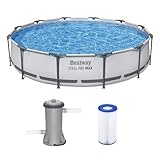
Bestway Steel Pro MAX 12' x 30" Above Ground Pool, Round Metal Frame Outdoor Swimming Pool Set with Filter Pump & Type III A/C Cartridge, Gray | Check Price On Amazon |

|
INTEX 28207EH Beachside Metal Frame Above Ground Swimming Pool Set: 10ft x 30in – Includes 330 GPH Cartridge Filter Pump – Puncture-Resistant Material – Rust Resistant – 1185 Gallon Capacity | Check Price On Amazon |

|
H2OGO! Kids Splash-in-Shade 8-Foot Round Steel Frame Above Ground Pool with Water Mister and Canopy Sunshade, Green Tropical Leaf Print | Check Price On Amazon |
What Makes Pool Opening Essential for Safe Swimming?
Pool opening establishes the foundation for an entire season of safe, enjoyable swimming by ensuring water chemistry balance, equipment functionality, and structural integrity after months of winter closure. Proper opening prevents 90% of mid-season problems including algae blooms, equipment failures, and chemical imbalances that can cost $500-2,000 to correct.
According to the Pool & Hot Tub Alliance technical guidelines (2023), pools opened with systematic procedures maintain stable water chemistry 3x longer than pools opened hastily. The opening process removes accumulated debris, tests all circulation systems, and establishes proper sanitizer levels that protect swimmers from waterborne bacteria and parasites.
Winter closure creates ideal conditions for algae spores, bacteria growth, and equipment corrosion that must be addressed before swimmers enter the water. Pool opening chemical kits provide the necessary sanitizers and balancers to neutralize these winter contaminants effectively.
Complete Equipment Inspection: What to Check Before Adding Water
Begin equipment inspection with the pool structure, checking for cracks, loose tiles, or liner damage that occurred during winter freeze-thaw cycles. Examine the pool walls, steps, and bottom for any structural issues that require repair before filling, as water pressure will worsen existing damage.
Inspect all plumbing connections, particularly around the skimmer, return jets, and main drain for leaks or loose fittings. Winter expansion and contraction can loosen threaded connections that appear secure but will leak under operating pressure.
Pool Pump and Motor Assessment
Remove the pump lid and inspect the impeller for debris, cracks, or damage from winter storage. Clean out any leaves, insects, or sediment that accumulated in the pump basket during closure.
Check motor windings for signs of moisture damage, corrosion, or rodent activity that can cause electrical failures when startup occurs. Test electrical connections for tightness and examine the motor housing for rust or deterioration.
Filter System Evaluation
Sand filters require backwashing before startup to remove settled debris and restore proper flow rates through the media bed. Sand filter media should be level and free of channeling or clumping that reduces filtration effectiveness.
Cartridge filters need complete replacement if stored wet during winter, as moisture promotes bacterial growth and reduces filtration capacity. DE filters require grid inspection for tears or frame damage that allows unfiltered water bypass.
Heater and Electrical Component Check
Gas heaters need burner tray cleaning, heat exchanger inspection for corrosion, and gas line pressure testing before ignition. Check the pilot light assembly and thermocouple for proper positioning and cleanliness.
Electric heat pumps require refrigerant line inspection, electrical connection testing, and fan motor operation verification. Pool heater maintenance kits contain the cleaning solutions and replacement parts needed for proper heater preparation.
How to Remove Pool Covers Safely and Effectively
Remove standing water from the cover surface using a submersible pump or siphon to prevent debris and contaminated water from entering the clean pool below. Even small amounts of cover water can introduce algae spores, bacteria, and organic matter that cause immediate water quality problems.
Solid covers require two people for safe removal, starting from one end and folding systematically to prevent tearing or dragging across abrasive surfaces. Work slowly to avoid dropping debris into the pool water during the removal process.
Winter Cover Cleaning and Storage
Clean removed covers with specialized cover cleaning solutions to remove algae, mildew, and organic stains that accumulate during winter months. Proper cleaning extends cover life by 2-3 years and prevents contamination of next season’s pool water.
Dry covers completely before storage to prevent mold growth and material degradation during the summer months. Store in a cool, dry location away from rodents and sharp objects that can cause damage.
Mesh Cover Considerations
Mesh covers allow debris and contaminants to enter the pool during winter, requiring more intensive water treatment during opening. Expect higher sanitizer demand and longer clearing times with mesh-covered pools.
Remove accumulated leaves, sediment, and debris from the pool bottom before starting equipment, as this material can clog pumps and filters immediately upon startup. Use a leaf rake or manual vacuum for debris removal.
Water Level Restoration: Proper Filling Techniques
Fill the pool to the middle of the skimmer opening or tile line, which typically represents 18-24 inches of water depth depending on pool design and skimmer placement. Proper water level ensures optimal skimmer function and prevents air from entering the circulation system.
Use a garden hose with a pool filling attachment that includes a sediment filter to reduce incoming water contaminants that complicate initial water balancing. Fill slowly over 6-12 hours to allow gradual temperature equalization and reduce stress on pool walls.
Monitor fill water temperature and chemistry, especially in areas with hard water that contributes excess calcium and minerals to the pool system. Record the source water chemistry values for reference during balancing procedures.
For detailed guidance on maintaining optimal water levels throughout the swimming season, our comprehensive pool water level guide explains proper measurement techniques and adjustment procedures.
Essential Equipment Startup: Step-by-Step Connection Process
Connect equipment in the proper sequence to prevent air locks, pressure surges, and damage to sensitive components like pump seals and pressure switches. Begin with the lowest pressure components and work toward higher pressure systems.
Prime the pump system by filling the pump basket housing with water and ensuring all suction lines contain water before starting the motor. Air in the system causes cavitation that damages impellers and reduces circulation efficiency.
Pump Priming and Initial Startup
Remove the pump lid and fill the housing completely with clean water, replacing the lid with proper O-ring lubrication using silicone-based lubricant. Tighten the lid hand-tight plus one-quarter turn to prevent over-tightening that damages threads.
Start the pump with all valves in normal operating position and monitor for proper priming within 30-60 seconds. If priming fails, shut down immediately and check for suction leaks or blocked lines.
Filter System Activation
Position multiport valves to “Filter” setting for sand and DE systems, ensuring proper valve alignment to prevent internal damage. Monitor pressure gauges during startup, expecting initial pressure of 8-15 PSI depending on system design.
Cartridge systems require inspection of housing O-rings and proper cartridge seating before pressurization. Replace damaged O-rings immediately to prevent internal bypassing that reduces filtration effectiveness.
Heater System Connection
Connect heater systems only after establishing proper water flow and pressure to prevent heat exchanger damage from dry firing. Test all safety switches including pressure switches, flow switches, and temperature sensors before ignition.
Gas heaters require pilot light ignition and flame adjustment according to manufacturer specifications, typically 3-5 inches of blue flame height. Electric systems need electrical connection verification and temperature sensor calibration.
Water Chemistry Testing: Initial Analysis Requirements
Test pool water immediately upon filling using a comprehensive digital water test kit that measures pH, total alkalinity, calcium hardness, cyanuric acid, and sanitizer levels with laboratory accuracy. Initial water chemistry provides the baseline for all subsequent balancing procedures.
Record all test results before adding any chemicals, as this data determines the specific adjustment sequence needed to achieve balanced water chemistry. Source water varies significantly by region and season, requiring customized treatment approaches.
pH and Alkalinity Assessment
Optimal pH range for pool water is 7.2-7.6, with 7.4 representing the ideal balance for chlorine effectiveness and swimmer comfort. pH below 7.0 causes equipment corrosion and eye irritation, while pH above 7.8 reduces sanitizer efficiency and creates scaling conditions.
Total alkalinity should measure 80-120 PPM to provide proper pH buffering that prevents rapid pH fluctuations during normal pool use. Low alkalinity causes pH instability, while high alkalinity makes pH adjustment difficult and expensive.
Sanitizer and Stabilizer Levels
Free chlorine concentration should reach 1.0-3.0 PPM for residential pools, with 2.0 PPM representing optimal protection against bacteria and algae without causing swimmer discomfort. Combined chlorine (chloramines) should not exceed 0.2 PPM, indicating proper water quality maintenance.
Cyanuric acid levels of 30-50 PPM protect chlorine from UV degradation while allowing proper sanitization effectiveness. Levels above 100 PPM create “chlorine lock” conditions that require partial water replacement for correction.
Chemical Balancing Protocol: Professional Water Treatment
Balance water chemistry in the correct sequence to prevent chemical conflicts and achieve stable water conditions efficiently. Always adjust total alkalinity first, followed by pH correction, then calcium hardness and finally sanitizer levels.
Add chemicals with circulation running to ensure proper mixing and distribution throughout the pool volume. Never mix different chemicals together, and allow 4-8 hours between major chemical additions for complete dissolution and reaction.
Alkalinity and pH Adjustment
Raise total alkalinity using sodium bicarbonate at a rate of 1.5 pounds per 10,000 gallons to increase alkalinity by 10 PPM. Dissolve completely in a bucket of water before adding to prevent localized high concentrations that cause staining.
Lower alkalinity using muriatic acid or sodium bisulfate, adding in small increments of 0.25 gallons per 10,000 gallons while monitoring pH changes that occur simultaneously. Expect pH reduction when lowering alkalinity with acid products.
Calcium Hardness Optimization
Maintain calcium hardness between 150-300 PPM to prevent equipment corrosion (low hardness) or scale formation (high hardness) that damages pool surfaces and equipment. Add calcium chloride to raise hardness levels in soft water areas.
High calcium levels require partial water replacement, as no practical chemical exists to lower calcium hardness in residential pool systems. Plan water replacement during opening if winter testing shows excessive hardness buildup.
Shock Treatment: Eliminating Winter Contaminants
Shock the pool with 1-2 pounds of calcium hypochlorite shock per 10,000 gallons to eliminate bacteria, algae spores, and organic contaminants that accumulated during winter closure. This treatment raises free chlorine to 10-20 PPM temporarily for maximum sanitizing effect.
Add shock treatment in the evening to prevent UV degradation and allow overnight contact time for complete oxidation of contaminants. Brush pool walls and floor during treatment to expose hidden bacteria and algae in surface irregularities.
Shock Application Technique
Dissolve granular shock completely in a plastic bucket using pool water before adding to the swimming pool to prevent bleaching or staining of pool surfaces. Pour dissolved solution around the pool perimeter while circulation system operates for proper distribution.
Never add shock through the skimmer, as concentrated chlorine can damage equipment seals and create dangerous chlorine gas in enclosed equipment areas. Maintain circulation for 8-12 hours after shock treatment for complete mixing and filtration.
Algaecide Application
Add quaternary algaecide at 0.5-1.0 ounces per 1,000 gallons after shock treatment to provide residual algae prevention throughout the season. Quaternary algaecides offer superior performance without foaming problems common with copper-based products.
Apply algaecide when chlorine levels drop below 5 PPM to prevent interference with sanitizer effectiveness. Brush pool surfaces after algaecide application to distribute the product evenly across all wetted surfaces.
Filtration System Startup: Achieving Crystal Clear Water
Run the filtration system continuously for 24-48 hours during initial startup to remove suspended particles, chemical precipitates, and microscopic contaminants that cloud the water. Initial filtration establishes water clarity that makes ongoing maintenance easier and more effective.
Monitor pressure gauges hourly during startup, expecting pressure increases of 2-5 PSI as the filter captures suspended material. Clean or backwash filters when pressure rises 8-10 PSI above starting pressure for optimal flow rates.
Sand Filter Startup Procedures
Backwash sand filters for 2-3 minutes before normal operation to remove any debris that settled during winter storage and compact the sand bed properly. Follow backwashing with a 30-60 second rinse cycle to clear waste lines.
Monitor backwash water clarity, continuing until discharge runs clear and free of debris or discoloration. Cloudy backwash water indicates continued filter cleaning is necessary for proper operation.
Cartridge Filter Preparation
Install new or thoroughly cleaned cartridge filters for optimal performance during the demanding startup period when debris loads are highest. Cartridge cleaning solutions remove oils, minerals, and organic buildup that reduces filtration capacity.
Rotate cartridge sets every 2-3 weeks during heavy use periods, allowing cleaned cartridges to dry completely between uses for extended life and better performance. Maintain 2-3 sets of cartridges for continuous filtration capability.
Testing and Monitoring: First Week Protocols
Test water chemistry daily during the first week of operation to monitor chemical consumption rates and identify any system problems before they affect water quality. Record all test results to establish baseline chemical demand for ongoing maintenance planning.
Maintain detailed logs of chemical additions, filtration run times, and water test results to identify patterns and optimize system performance throughout the swimming season. Early season data guides chemical purchasing and maintenance scheduling decisions.
Daily Testing Requirements
Test free chlorine, pH, and total alkalinity every morning before pool use to ensure safe swimming conditions and proper chemical balance. Use digital testing equipment for accurate readings that guide chemical adjustment decisions.
Monitor combined chlorine levels during heavy use periods, as high bather loads increase chloramine formation that requires shock treatment for removal. Combined chlorine above 0.5 PPM indicates inadequate sanitization or excessive organic loading.
For comprehensive guidance on maintaining optimal water chemistry throughout the swimming season, our detailed pool maintenance schedule provides day-by-day chemical testing and adjustment protocols.
Weekly Comprehensive Testing
Perform complete water analysis weekly, including calcium hardness, cyanuric acid, and total dissolved solids to monitor long-term water quality trends. These parameters change slowly but significantly impact equipment life and chemical effectiveness.
Test for metals including iron and copper that cause staining and discoloration, especially in areas with well water or old plumbing systems. Metal sequestrants prevent staining when applied before visible problems develop.
Troubleshooting Common Pool Opening Problems
Address equipment problems immediately during startup to prevent minor issues from becoming major repairs that delay pool use and increase costs. Early identification and correction save time, money, and frustration throughout the swimming season.
Document all problems and solutions for future reference, as many opening issues repeat annually due to climate conditions, equipment characteristics, or maintenance practices that can be modified for prevention.
Circulation and Flow Issues
Low pressure readings indicate blockages in suction lines, skimmer baskets, or pump impellers that restrict water flow and reduce filtration effectiveness. Clean all strainer baskets and inspect pump impeller for debris that accumulated during closure.
High pressure readings suggest filter blockage or valve positioning errors that force water through restricted pathways. Check multiport valve positions and clean or replace filter elements as needed for proper flow restoration.
Water Clarity Problems
Persistent cloudiness after 48 hours of filtration indicates inadequate chemical levels, filter problems, or excessive debris loading that overwhelms system capacity. Increase filtration time to 24 hours daily and verify proper chemical balance before considering equipment upgrades.
Green water coloration indicates algae growth that requires immediate shock treatment with 2-3 pounds of calcium hypochlorite per 10,000 gallons. Brush all surfaces vigorously and maintain continuous filtration until water clears completely.
Equipment Malfunction Solutions
Pump priming failures result from air leaks in suction lines, damaged pump seals, or blocked intake ports that prevent proper water flow. Check all connections below water level for air infiltration and tighten loose fittings.
Heater ignition problems often stem from gas supply issues, electrical connection problems, or safety switch malfunctions that prevent normal operation. Verify gas pressure, electrical continuity, and proper water flow before attempting repairs.
Safety Considerations During Pool Opening
Prioritize safety throughout the opening process by using proper personal protective equipment, following chemical handling procedures, and maintaining awareness of electrical hazards around water systems. Pool chemicals can cause serious injuries when handled improperly or mixed incorrectly.
Never work alone during equipment startup, as electrical emergencies and chemical exposures require immediate assistance that may not be available if working solo. Keep emergency contact numbers readily available throughout the opening process.
Chemical Handling Safety
Wear safety goggles and chemical-resistant gloves when handling all pool chemicals, especially acids and chlorine compounds that cause severe burns upon contact with skin or eyes. Chemical safety equipment prevents injuries that can occur even with careful handling.
Store chemicals in original containers away from heat sources, direct sunlight, and incompatible materials that can cause dangerous reactions. Never mix different chemicals together, and always add chemicals to water, never water to chemicals.
Electrical Safety Protocols
Ensure all electrical connections are tight and properly grounded before energizing equipment, as water and electricity create deadly combinations when safety protocols are ignored. Test GFCI protection before operating any electrical pool equipment.
Keep electrical panels dry and accessible during startup procedures, and never operate electrical equipment while standing in water or on wet surfaces. Turn off power at the breaker before making any electrical connections or repairs.
Cost Planning: Pool Opening Budget Guidelines
Budget $200-500 for professional pool opening services or $100-200 for DIY opening supplies including chemicals, filter cleaning materials, and equipment maintenance items. Costs vary significantly based on pool size, equipment condition, and regional chemical prices.
Factor additional expenses for equipment repairs, water testing, and ongoing chemical supplies that extend beyond the opening process itself. Early season equipment failures often cost 50% more than scheduled maintenance performed during closure.
Chemical Cost Breakdown
Opening chemical requirements typically include 20-40 pounds of shock treatment, 5-10 pounds of pH adjuster, 2-4 quarts of algaecide, and specialized testing supplies totaling $80-150 for average residential pools. Purchase chemicals early in the season for better prices and availability.
Premium chemical products cost 20-30% more than standard formulations but often provide better results and longer-lasting effects that reduce overall chemical consumption throughout the season. Consider premium opening kits for simplified purchasing and proven chemical compatibility.
Understanding the complete financial commitment of pool ownership helps with long-term budgeting and maintenance planning, covered comprehensively in our pool maintenance cost guide.
Professional vs. DIY Cost Comparison
Professional opening services cost $200-400 but include equipment inspection, chemical balancing, and problem identification that prevent costly repairs later in the season. DIY opening saves labor costs but requires chemical knowledge and equipment troubleshooting skills.
Consider professional services for complex equipment systems, gas heater startup, or when previous season ended with unresolved equipment problems that require expert diagnosis. Professional chemical balancing often achieves stable water chemistry faster than trial-and-error DIY approaches.
Frequently Asked Questions About Pool Opening
When should I start opening my pool for summer?
Quick Answer: Open pools when daytime temperatures consistently reach 70°F (21°C) for 3-5 consecutive days, typically 2-4 weeks before planned swimming to allow complete water balancing and equipment testing.
Opening too early wastes chemicals due to continued cold weather algae dormancy and low chemical consumption. Opening too late creates rushed preparation that often results in equipment problems and unsafe water conditions when warm weather swimming begins.
Regional climate variations affect optimal opening timing, with northern regions opening in April-May and southern regions opening in March-April. Monitor local weather forecasts for sustained warming trends that indicate spring arrival.
How long does the complete pool opening process take?
Quick Answer: Complete pool opening requires 2-3 days for equipment startup, water filling, and initial chemical balancing, followed by 5-7 days of daily monitoring and adjustment before achieving stable swimming conditions.
Day 1 involves equipment inspection, cover removal, and initial water filling to proper levels. Day 2 includes equipment startup, initial chemical testing, and shock treatment application with overnight circulation.
Day 3 through 7 require daily water testing, chemical adjustments, and filter maintenance until water chemistry stabilizes within proper ranges. Rushing the process often creates problems that delay swimming and increase costs.
What chemicals do I need for pool opening?
Quick Answer: Essential opening chemicals include 1-2 pounds calcium hypochlorite shock per 10,000 gallons, pH adjusters (sodium carbonate or muriatic acid), total alkalinity increaser, and quaternary algaecide at 0.5 ounces per 1,000 gallons.
Additional chemicals may include calcium hardness increaser for soft water areas, metal sequestrant for well water, and stabilizer replacement if cyanuric acid levels dropped during winter. Purchase complete opening kits for convenient chemical compatibility and dosage instructions.
Test water chemistry before purchasing chemicals, as source water quality and winter conditions determine specific chemical requirements that vary significantly between pools and geographic regions.
Can I swim immediately after opening my pool?
Quick Answer: Never swim immediately after opening: wait until chlorine levels drop below 5 PPM, pH measures 7.2-7.6, and water achieves visual clarity, typically requiring 24-72 hours after shock treatment.
High chlorine concentrations from shock treatment cause skin and eye irritation, while unbalanced pH creates uncomfortable swimming conditions and potential health hazards. Chemical imbalances also indicate potential contamination that requires filtration time for removal.
Test water chemistry using reliable test strips or digital meters before allowing swimming, ensuring all parameters fall within safe ranges for swimmer health and comfort.
Why is my pool water still cloudy after opening?
Quick Answer: Cloudy water after opening typically results from inadequate filtration time, insufficient chemical levels, dirty filters, or high levels of suspended particles requiring 48-96 hours of continuous circulation and proper chemical balance.
Run filtration systems 24 hours daily during startup and clean or replace filter elements when pressure rises 8-10 PSI above starting levels. Verify proper chemical balance, especially pH 7.2-7.6 and adequate sanitizer levels above 2.0 PPM free chlorine.
Add pool clarifier according to label directions if cloudiness persists after 72 hours of proper filtration and chemical balance, allowing 24-48 hours for particle settling and filtration.
Should I drain my pool completely before opening?
Quick Answer: Never drain pools completely unless absolutely necessary for structural repairs, as empty pools risk structural damage from ground water pressure and require expensive refilling and chemical balancing from zero.
Partial water replacement of 25-50% may benefit pools with excessive dissolved solids, high cyanuric acid, or severe chemical imbalances that cost more to correct than replace. Drain water gradually to prevent structural stress and foundation movement.
Professional water analysis determines if partial draining provides cost benefits compared to chemical correction, especially for calcium hardness, total dissolved solids, or cyanuric acid problems that accumulate over multiple seasons.
What if my pool equipment won’t start?
Quick Answer: Equipment startup failures typically result from electrical issues, air locks in pump systems, or safety switch malfunctions requiring systematic troubleshooting starting with power supply verification and pump priming procedures.
Check electrical breakers, GFCI outlets, and equipment connections before attempting pump startup, ensuring all switches and timers are in proper positions. Prime pump systems by filling pump housing with water and verifying proper valve positions for normal operation.
Call professional service technicians for gas heater problems, electrical motor issues, or complex automation system malfunctions that require specialized knowledge and tools for safe resolution.
How often should I test water chemistry during opening?
Quick Answer: Test water chemistry daily during the first week after opening, monitoring pH, chlorine, and alkalinity each morning before pool use to ensure safe swimming conditions and proper chemical balance.
Perform comprehensive testing including calcium hardness, cyanuric acid, and metals weekly during the first month of operation to establish baseline values and identify any developing problems before they affect water quality or equipment performance.
Use digital testing equipment for accurate results that guide chemical adjustment decisions, maintaining detailed logs of test results and chemical additions for future reference and troubleshooting.
What should I do if my pool water turns green?
Quick Answer: Green water indicates algae growth requiring immediate shock treatment with 2-3 pounds calcium hypochlorite per 10,000 gallons, aggressive brushing of all surfaces, and continuous filtration until water clears completely.
Maintain free chlorine levels above 10 PPM throughout treatment, testing every 4-6 hours and adding additional shock as needed to overcome algae chlorine demand. Brush pool walls, steps, and bottom vigorously twice daily to disrupt algae attachment and expose colonies to sanitizer.
Add polyquat algaecide after chlorine levels drop below 5 PPM to prevent algae regrowth and provide residual protection throughout the treatment process, typically requiring 3-7 days for complete elimination.
Is professional pool opening worth the cost?
Quick Answer: Professional opening services cost $200-400 but provide equipment expertise, proper chemical balancing, and problem identification that often prevent costly repairs and unsafe swimming conditions for inexperienced pool owners.
Professional technicians identify equipment problems early, perform complex chemical balancing efficiently, and provide warranty protection for service work that DIY opening cannot match. Consider professional services for gas equipment, complex automation systems, or pools with recurring opening problems.
DIY opening works well for experienced pool owners with basic equipment systems and good chemical knowledge, but professional services often achieve stable water chemistry faster and more reliably than trial-and-error approaches.
How do I prevent algae growth during opening?
Quick Answer: Prevent algae growth by maintaining free chlorine above 2.0 PPM, proper pH balance of 7.2-7.6, adequate filtration runtime of 12-24 hours daily, and weekly algaecide application at preventative doses.
Remove organic debris immediately during opening, as decomposing leaves and sediment provide nutrients that support rapid algae growth in warm water conditions. Clean filters regularly during startup when debris loads are highest and chemical demand is elevated.
Apply preventative algaecide weekly throughout the swimming season, maintaining consistent water chemistry balance and adequate circulation to create conditions unsuitable for algae establishment and growth.
What equipment maintenance should I perform during opening?
Quick Answer: Essential opening maintenance includes pump basket cleaning, filter replacement or cleaning, equipment lubrication with silicone-based products, electrical connection inspection, and safety device testing before normal operation.
Inspect and clean pump impellers, check motor windings for damage, test electrical connections for tightness, and verify proper operation of all safety switches including GFCI protection. Replace worn O-rings and gaskets that can fail under operating pressure.
Service heaters according to manufacturer recommendations, including burner cleaning for gas units, electrical connection verification for electric models, and heat exchanger inspection for corrosion or scaling that reduces efficiency.
When should I call a professional for help?
Quick Answer: Call professionals immediately for electrical problems, gas heater issues, major equipment malfunctions, persistent water chemistry problems, or any safety concerns that exceed your knowledge and experience level.
Professional help becomes essential when equipment problems require specialized tools, technical expertise, or safety knowledge that prevents personal injury or equipment damage from incorrect repairs. Gas systems, electrical repairs, and complex automation require professional service.
Water chemistry problems that persist despite proper chemical addition and testing may indicate equipment malfunctions, water quality issues, or contamination sources that require professional diagnosis and treatment protocols.
For those new to pool ownership, our comprehensive beginner’s pool maintenance guide provides essential foundational knowledge for successful long-term pool care.
Proper pool opening establishes the foundation for an entire season of safe, enjoyable swimming through systematic equipment preparation, water chemistry balancing, and careful attention to safety protocols. Follow this complete sequence over 2-3 days, allowing adequate time for each step to ensure reliable results and prevent costly problems during the swimming season.
Start your pool opening process when temperatures consistently reach 70°F, gather all necessary chemicals and equipment, and maintain detailed records of test results and chemical additions for future reference. With proper preparation and patience, your pool will provide crystal-clear water and reliable operation throughout the summer months ahead.
| Photo | Best Above-Ground Pools | Price |
|---|---|---|
|
|
Bestway Steel Pro MAX 12' x 30" Above Ground Pool, Round Metal Frame Outdoor Swimming Pool Set with Filter Pump & Type III A/C Cartridge, Gray | Check Price On Amazon |
|
|
INTEX 28207EH Beachside Metal Frame Above Ground Swimming Pool Set: 10ft x 30in – Includes 330 GPH Cartridge Filter Pump – Puncture-Resistant Material – Rust Resistant – 1185 Gallon Capacity | Check Price On Amazon |
|
|
H2OGO! Kids Splash-in-Shade 8-Foot Round Steel Frame Above Ground Pool with Water Mister and Canopy Sunshade, Green Tropical Leaf Print | Check Price On Amazon |
