Traditional built-in pool lights are expensive, difficult to install, and often require professional electricians. Fortunately, numerous affordable alternatives can transform your night time swimming experience without breaking the bank. These alternative lighting solutions offer easier installation, lower costs, and in many cases, enhanced energy efficiency compared to conventional options.
Whether you’re looking to avoid the hassle of electrical work, save money, or simply want more creative lighting effects, these pool light alternatives provide practical solutions for every pool owner. From floating lights to smart systems, we’ll explore options that can be implemented with minimal technical knowledge.
| Photo | Best Above-Ground Pools | Price |
|---|---|---|
|
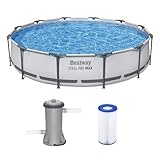
Bestway Steel Pro MAX 12' x 30" Above Ground Swimming Pool Set with Pump | Check Price On Amazon |
|
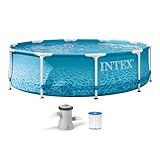
INTEX Beachside Metal Frame 10ft x 30in Round Pool Set w/Pump | Check Price On Amazon |

|
H2OGO! Kids Splash-in-Shade 8-Foot Round Steel Frame Above Ground Pool with Water Mister and Canopy Sunshade, Green Tropical Leaf Print | Check Price On Amazon |
Why Consider Pool Light Alternatives? Understanding the Benefits and Limitations
Traditional built-in pool lights offer excellent illumination but come with significant drawbacks that make alternatives increasingly attractive for many pool owners.
Built-in pool lights typically cost $400-1,500 per light including installation, require complex wiring, and pose potential electrical hazards if not properly installed. According to the Consumer Product Safety Commission, faulty pool lighting is responsible for approximately 5% of all pool-related electrical incidents.
Here’s how traditional lights compare to alternatives:
| Factor | Traditional Lights | Alternative Options |
|---|---|---|
| Initial Cost | $400-1,500 per light | $15-300 per light |
| Installation Difficulty | High (requires electrician) | Low to moderate (DIY-friendly) |
| Energy Consumption | 300-500 watts | 5-50 watts |
| Brightness | High (1,000-5,000 lumens) | Low to moderate (100-1,000 lumens) |
| Durability | 10-15 years | 1-5 years (varies by type) |
Key benefits of alternative lighting options include:
- Cost savings of 50-90% compared to traditional options
- DIY-friendly installation requiring minimal tools or expertise
- No need for an electrician in most cases
- Greater flexibility to change or update lighting effects
Potential limitations to consider:
- Lower brightness levels (typically 20-50% of traditional lights)
- Shorter lifespan for some budget options
- Limited coverage area may require multiple units
While each alternative has specific strengths and weaknesses, they all address common pain points associated with traditional pool lighting. Let’s examine each option to help you determine which solution best fits your specific needs.
Floating Pool Lights: Versatile, Portable Illumination Solutions
Floating pool lights represent one of the most accessible and versatile alternatives to built-in lighting, offering decorative illumination without any installation requirements. These portable light sources rest on the water’s surface, creating ambient lighting effects that transform the pool environment.
Floating lights come in three primary types:
- Solar-powered: Charge during daylight and automatically illuminate at night
- Battery-operated: Provide consistent brightness with replaceable batteries
- Remote-controlled: Allow adjustment of colors, patterns, and brightness levels
Prices typically range from $15-20 for basic models to $80-100 for advanced remote-controlled options with multiple effects.
Pros:

- Intelligent Navigation with Full Coverage: Equipped with 11 high-precision sensors and enhanced dual-path algorithms. The optimized WavePath cleaning pattern ensures systematic coverage with minimal overlap, while adaptive navigation analyzes pool layout in real time to eliminate missed spots
- Dual Filtration for Crystal-Clear Water: Advanced dual-layer filtration system features a replaceable 3-micron ultra-fine filter paired with a 180-micron standard filter. Effectively captures fine dust, sand, leaves, and debris for visibly cleaner and healthier pool water
- Comprehensive Pool Cleaning: Engineered to clean the pool floor, walls, waterline, and shallow areas (above 12 inches). The Caterpillar Treads system enhances mobility and climbing ability, ensuring thorough coverage across all pool zones
- Reliable Performance with 2-Year Warranty: Trusted by over 500,000 pool owners worldwide, this robotic pool cleaner delivers consistent, high-performance results. Built for durability and backed by a 2-year warranty and responsive customer support for worry-free ownership
- Zero installation requirements—simply place on water
- Completely portable and can be removed when not in use
- No electrical safety concerns
- Available in countless decorative designs
- Ideal for special events and temporary lighting needs
Cons:
- Limited brightness (100-300 lumens)
- Must be removed before swimming
- Battery models require regular replacement/recharging
- Solar models depend on weather conditions
- Can be blown by wind to one side of pool
Floating lights work best for occasional use, special events, rental properties, and situations where temporary lighting is preferred. For everyday illumination, they’re typically used as decorative accents rather than primary lighting.
Recommended options include:
- LOFTEK LED Pool Lights: 16-color remote-controlled floating orbs with 8-10 hour battery life (check price on Amazon)
- GAME Solar Illuminated Pool Balls: Solar-powered with 6-8 hour runtime after full charge (check price on Amazon)
- Esuper Floating Pool Lights: Budget-friendly battery-operated option with color-changing capability (check price on Amazon)
How to Choose the Right Floating Lights for Your Pool
Selecting the ideal floating lights requires considering several factors beyond just appearance.
Key selection criteria:
- Size: Larger units (8″+ diameter) provide more illumination but can be cumbersome
- Battery life: Look for minimum 6-hour runtime for evening use
- Brightness: Check lumen ratings—150+ lumens provide decent ambient light
- Durability: Fully sealed units with IP67+ ratings resist water damage
- Control options: Remote controls offer convenience for changing colors/modes
Quantity needed based on pool size:
For ambient lighting, use this formula: One light per 100 square feet of pool surface. For example, a 16′ x 32′ pool (512 sq ft) would need 5-6 floating lights for balanced coverage. To find the exact surface area, you can use our pool surface area calculator for a quick and easy measurement.
For different pool shapes:
- Rectangular pools: Distribute lights evenly in grid pattern
- Oval/round pools: Place lights in concentric circles
- Freeform pools: Focus lights in wider sections and key areas
Maintenance tips:
- Remove from pool when not in use to extend lifespan
- Rinse with fresh water after use to remove chlorine/salt residue
- Store in cool, dry place when not in use
- Replace batteries at first sign of dimming for consistent performance
While floating lights offer excellent flexibility, those seeking more permanent solutions might prefer submersible options that provide illumination from beneath the water’s surface.
Submersible LED Lights: Powerful Temporary Underwater Illumination
Unlike floating options, submersible LED lights provide illumination from beneath the water’s surface, creating dramatic lighting effects without permanent installation. These waterproof fixtures can be placed anywhere in your pool to highlight specific features or provide general illumination.
Submersible lights typically cost between $30-150 depending on brightness, features, and quality. They come in several mounting styles:
- Magnetic: Attach to metal pool walls
- Suction cup: Adhere to smooth surfaces
- Weighted: Sink to bottom without attachment
When shopping for submersible lights, waterproof ratings are crucial:
- IP67: Protected against temporary immersion (up to 3 feet for 30 minutes)
- IP68: Protected against continuous immersion (required for pool use)
Most quality submersible lights include remote controls for changing colors, brightness levels, and lighting effects. Battery life typically ranges from 8-20 hours depending on brightness settings and quality.
Recommended options include:
- GLOUE Submersible LED Lights: IP68-rated with RF remote control and 20+ color options (check price on Amazon)
- WUIIEN Pool Lights: 16 colors with strong magnets and suction cups (check price on Amazon)
- BONBO Submersible Pool Lights: High-brightness LEDs with RF remote and long battery life (check price on Amazon)
Installation and Positioning Tips for Maximum Impact
Proper placement of submersible lights can dramatically enhance their effectiveness and create stunning visual effects in your pool.
Step-by-step installation:
- Prepare the lights: Fully charge batteries and test functionality before installation
- Clean attachment points: Remove algae or debris from surfaces where lights will attach
- Secure attachments: Ensure suction cups or magnets are firmly attached
- Position strategically: Place lights 1-2 feet below water surface for optimal light diffusion
- Test before finalizing: Check effect before installing all lights
- Secure cords: For external battery models, secure cords to prevent tripping hazards
Strategic positioning tips:
- Rectangular pools: Place lights in corners and mid-points of long sides
- Steps and shallow areas: Illuminate for safety with white or blue light
- Deep end: Position lights to highlight depth without creating dark spots
- Features: Direct lights toward waterfalls, fountains, or architectural elements
Optimal depth placement:
- 12-18 inches below surface provides ideal light dispersion in most pools
- Deeper placement creates focused spotlight effect
- Shallower placement creates broader, more diffuse lighting
While submersible lights offer excellent effects, their battery dependence can be limiting. Solar-powered options provide a more sustainable alternative for ongoing illumination.
Solar-Powered Pool Lights: Eco-Friendly and Cost-Effective Solutions
Solar-powered pool lights harness free energy from the sun, eliminating ongoing electricity costs while providing environmentally friendly illumination for your pool area. These sustainable lighting options convert sunlight into stored energy that powers LEDs at night.
Solar pool lighting comes in several formats:
- Floating solar lights: Combined solar panel and light that floats on water
- Submersible with external panel: Underwater light connected to floating solar collector
- Perimeter solar lights: Installed around pool deck with downward illumination
Most solar pool lights use efficient LED technology that provides 6-10 hours of illumination after a full day’s charge. Brightness typically ranges from 100-600 lumens depending on quality and price point.
Price range spans from $25-50 for basic floating models to $100-200 for advanced systems with larger panels and batteries.
| Solar Light Type | Brightness (Lumens) | Runtime (Summer) | Runtime (Winter) | Price Range |
|---|---|---|---|---|
| Basic Floating | 100-200 | 6-8 hours | 2-4 hours | $25-50 |
| Premium Floating | 300-500 | 8-10 hours | 4-6 hours | $50-100 |
| External Panel System | 400-800 | 10-12 hours | 6-8 hours | $100-200 |
| Perimeter Solar | 200-600 | 8-12 hours | 4-8 hours | $75-150 (set) |
Pros:
- Zero operating costs after purchase
- Environmentally friendly renewable energy source
- No electrical wiring or complicated installation
- Automatic operation (dusk-to-dawn functionality)
- Safe alternative with no electrical components in water
Cons:
- Performance depends on weather and seasonal sunlight
- Generally less bright than electric alternatives
- Requires strategic placement for optimal solar collection
- Higher upfront cost for quality models
- Battery replacement needed every 1-3 years
Recommended solar options include:
- LOGUIDE Solar Pool Lights: Floating solar discs with color-changing capabilities (check price on Amazon)
- WONFAST Solar Underwater Lights: Submersible lights with separate solar panel (check price on Amazon)
- APONUO Solar Deck Lights: Perimeter lighting for pool surrounds, 2-pack (check price on Amazon)
Maximizing Solar Light Performance Year-Round
While solar lights offer significant advantages, getting optimal performance requires understanding how to work with seasonal variations and positioning limitations.
Panel positioning for maximum sunlight:
- Position panels facing south (northern hemisphere) or north (southern hemisphere)
- Ensure 6+ hours of direct sunlight on panels
- Angle adjustable panels at 45 degrees toward sun’s path
- Keep panels clear of shade from trees, buildings, or structures
Seasonal adjustment strategies:
- Summer: Angle panels more vertically (60-75°) to capture overhead sun
- Winter: Angle panels more horizontally (30-45°) for low-angle sun
- Spring/Fall: Position at 45° for balanced collection
Maintenance for optimal performance:
- Clean solar panels monthly with non-abrasive cloth and mild soap
- Remove leaves, debris, and bird droppings immediately
- Check for water ingress in housing after heavy rain
- Replace rechargeable batteries every 12-24 months
Supplementation strategies for cloudy periods:
- Use lower brightness settings to extend runtime during cloudy days
- Consider hybrid systems with backup battery options
- Temporarily supplement with battery-powered alternatives during extended cloudy periods
While solar options work well as standalone solutions, they’re often most effective when combined with LED strip lighting to create comprehensive pool illumination.
LED Strip Lights: Versatile Pool Perimeter Illumination
LED strip lights offer exceptional versatility for pool illumination, allowing you to highlight the perimeter, steps, and architectural features with customizable colors and effects. These flexible light strips can transform your pool area with dramatic lighting while remaining energy efficient.
For pool applications, waterproof rating is critical:
- IP65: Protected against water jets, suitable for pool surroundings
- IP67: Protected against temporary immersion, good for splash zones
- IP68: Protected against continuous immersion, required for in-pool installation
LED strips can be installed in various locations:
- Under coping stones to illuminate water edge
- Along pool steps for safety enhancement
- Behind waterfalls or water features
- Under handrails or along walkways
- Inside pool niches or around skimmers
Most outdoor LED strip systems include:
- Flexible LED strip with adhesive backing
- Weatherproof power supply (12V/24V)
- Controller unit for color/pattern adjustment
- Remote control or smartphone app interface
Prices range from $50-100 for basic 16-ft kits to $200-300 for premium weatherproof systems with smart controls. Higher-end systems integrate with home automation platforms like Alexa, Google Home, or Apple HomeKit.
Recommended options include:
- Govee Outdoor LED Strip Lights: IP67-rated with app control and music sync (check price on Amazon)
- HitLights Waterproof LED Light Strips: IP68-rated with silicone sleeve protection (check price on Amazon)
- DAYBETTER Led Strip Lights: Budget-friendly option with remote control (check price on Amazon)
When properly installed, LED strips can last 30,000-50,000 hours (5-10 years of typical use), though outdoor conditions may reduce lifespan to 3-5 years.
DIY Installation Guide for Pool Perimeter LED Strips
Installing LED strip lights around your pool is a manageable DIY project that can transform your nighttime swimming experience with these step-by-step instructions.
Materials needed:
- Waterproof LED strip kit (IP67 or IP68 rated)
- Silicone sealant (clear, outdoor-rated)
- Mounting clips or aluminum channels
- Outdoor-rated extension cord (if needed)
- Waterproof junction boxes
- Cable conduit for exposed wiring
- Electrical tape and wire connectors
- Drill with bits
- Measuring tape
Installation steps:
- Plan your layout: Measure the installation area and determine power source location
- Test the lights: Connect system and verify all lights work before installation
- Prepare the surface: Clean mounting area thoroughly and allow to dry completely
- Install mounting channels (recommended): Secure aluminum channels along installation path
- Apply strips: Remove adhesive backing and carefully apply strips to mounting surface or channels
- Secure connections: Use silicone sealant on all connection points between strips
- Protect controller: Place controller in waterproof junction box
- Connect power: Run power supply to GFCI-protected outlet using outdoor-rated wiring
- Test system: Verify all sections light up properly
- Apply final sealant: Seal any exposed edges with additional silicone
Common installation mistakes to avoid:
- Connecting too many strips to one power supply (check amp ratings)
- Installing in direct sunlight without UV protection
- Bending strips at sharp angles (can damage internal connections)
- Using indoor power supplies for outdoor applications
- Failing to properly seal connection points
While LED strips offer excellent illumination and effects, those seeking a more sophisticated and permanent solution might consider fiber optic lighting systems.
Fiber Optic Pool Lighting: Elegant, Safe Alternative to Traditional Systems
Fiber optic lighting represents one of the safest and most elegant alternatives to traditional pool lights, using light-transmitting fibers rather than underwater electrical components. This technology separates the light source (illuminator) from the light emission points, eliminating electrical hazards in the water.
Fiber optic pool lighting works through two primary components:
- Illuminator: The light-generating unit installed away from the pool
- Fiber cables: Flexible light-transmitting strands that carry light to desired locations
These systems come in three main configurations:
- Perimeter lighting: Fiber runs along pool edge creating a continuous light line
- Star-effect lighting: Multiple fiber ends create a starry-night effect on pool floor/walls
- Endpoint lighting: Larger fiber bundles create spotlights at specific locations
The primary advantage of fiber optic systems is safety—no electricity enters the pool water. The illuminator unit remains outside the pool area, eliminating shock hazards and simplifying maintenance.
Complete fiber optic systems typically cost $800-3,000 plus professional installation ($500-1,500). While significantly more expensive than other alternatives, they offer unmatched safety and elegant aesthetics.
Pros:
- Ultimate safety with no electricity in pool water
- Single light source powers multiple light points
- Low maintenance with bulb changes at external illuminator only
- Color wheel options for changing effects
- Sophisticated, high-end appearance
Cons:
- High initial cost compared to other alternatives
- Professional installation typically required
- Lower brightness than traditional lights
- Limited flexibility for changes after installation
- Fiber cables can be damaged if not properly protected
Fiber optic systems typically require professional installation during pool construction or renovation. Retrofitting to existing pools is possible but more complex and expensive.
Is Fiber Optic Lighting Worth the Investment?
While fiber optic systems represent a significant investment compared to other alternatives, they offer unique advantages that may justify the cost for certain pool owners.
A cost-benefit analysis reveals the long-term value proposition:
| Factor | Traditional Electric Lights | Fiber Optic System |
|---|---|---|
| Initial Cost (3 lights) | $1,200-2,500 | $1,500-4,500 |
| Installation | $800-1,500 | $800-2,000 |
| 10-Year Energy Cost | $800-1,200 | $400-600 |
| 10-Year Maintenance | $600-1,000 | $200-400 |
| 10-Year Total Cost | $3,400-6,200 | $2,900-7,500 |
Fiber optic systems make the most sense for:
- New pool construction where installation is simpler
- Safety-conscious homeowners concerned about electrical hazards
- Luxury pool installations where aesthetics are paramount
- Long-term property investments where durability matters
They’re less suitable for:
- Existing pools without major renovation plans
- Budget-conscious homeowners
- Those seeking maximum brightness
- DIY enthusiasts wanting hands-on control
While fiber optic lighting provides elegant in-pool illumination, a comprehensive lighting approach often includes surrounding landscape lighting to enhance the entire pool environment.
Pool Landscape Lighting Integration: Enhancing the Total Aquatic Environment
Creating a cohesive lighting experience that encompasses both your pool and surrounding landscape can eliminate the need for intense in-pool lighting while creating a more sophisticated ambiance. This integrated approach treats the pool as part of a larger outdoor living space.
Strategic landscape lighting can effectively illuminate your pool through:
- Downlighting: Mounted in trees or structures above the pool
- Uplighting: Positioned at ground level aimed at surrounding features
- Path lighting: Illuminating walkways and pool deck areas
- Feature lighting: Highlighting waterfalls, fountains, or architectural elements
Professional landscape lighting uses fixtures like:
- Well lights: In-ground fixtures that shine upward ($50-150 each)
- Spotlights: Directional fixtures for focused illumination ($40-200 each)
- Path lights: Low-profile fixtures for walkways ($30-100 each)
- Hardscape lights: Linear fixtures for under-cap installation ($60-200 per foot)
A complete landscape lighting system for a pool area typically costs:
- DIY installation: $500-1,500 for basic coverage
- Professional system: $2,000-5,000 for comprehensive design and installation
The primary advantage of landscape integration is creating a more natural, layered lighting effect that enhances the entire outdoor space rather than isolating the pool as a separate feature.
Recommended landscape lighting products include:
- ZUCKEO Landscape Lights: Adjustable LED spotlights for uplighting features (check price on Amazon)
- LITOM Solar Landscape Spotlights: Solar-powered option for areas without wiring (check price on Amazon)
- Hykolity Low Voltage Path Lights: Complete kit with transformer (check price on Amazon)
Designing a Layered Lighting Approach for Pool Areas
Professional lighting designers use a layered approach to create depth and visual interest while ensuring adequate illumination for both safety and aesthetics.
The three essential lighting layers include:
- Ambient lighting: General illumination that provides overall visibility
- Task lighting: Focused light for specific activities (steps, entries, cooking areas)
- Accent lighting: Decorative effects that highlight features and create atmosphere
Light temperature considerations:
- Warm light (2700-3000K): Creates cozy, inviting atmosphere, enhances natural materials
- Neutral light (3500-4000K): Balanced appearance, good for general illumination
- Cool light (5000K+): Creates dramatic blue-white effect, enhances water features
Critical safety lighting areas:
- Pool entry points and steps
- Changes in elevation on pool deck
- Pathways to and from the pool
- Equipment areas and outdoor kitchens
Common design mistakes to avoid:
- Over-lighting that creates harsh glare
- Inconsistent light temperatures that clash visually
- Visible fixtures that distract from the design
- Inadequate lighting at transition points
- Light pollution affecting neighbors or stargazing
For maximum flexibility and convenience, integrated pool and landscape lighting can be enhanced with smart control systems that allow precise management of the entire environment.
Smart Pool Lighting Alternatives: App-Controlled Solutions for Modern Pools
Smart lighting technology has revolutionized pool illumination options, offering unprecedented control, customization, and energy efficiency through app-based interfaces. These systems transform basic lighting alternatives into sophisticated, programmable experiences.
Smart pool lighting systems typically connect through:
- WiFi: Connects directly to home network for remote access anywhere
- Bluetooth: Short-range connection from smartphone to controller
- Zigbee/Z-Wave: Wireless protocols requiring a compatible hub
Most systems offer integration with popular voice assistants:
- Amazon Alexa
- Google Home
- Apple HomeKit (less common)
Smart functionality typically includes:
- Scheduling for automatic operation
- Custom lighting scenes and color combinations
- Dynamic effects (color fading, pulsing, rainbow cycles)
- Timer functions for energy savings
- Remote control from anywhere with internet access
- Integration with other smart home devices
Price range varies significantly:
- Entry-level smart capability: $100-200 for basic app-controlled systems
- Mid-range systems: $200-400 for multi-zone control with advanced effects
- High-end integration: $500+ for comprehensive systems with full home automation
To get a preview of how different colors and dynamic effects will look in your pool, you can try our 3D pool light color simulator. Recommended smart pool lighting options include:
- Govee Outdoor Smart LED Strip Lights: WiFi-enabled with Alexa/Google integration (check price on Amazon)
- Philips Hue Outdoor Lightstrip: Premium option with robust home integration (check price on Amazon)
- LIFX Beam: High-brightness modular lighting with excellent app control (check price on Amazon)
Setting Up and Programming Your Smart Pool Lighting System
Configuring your smart pool lighting system properly ensures seamless operation and unlocks the full potential of your customizable lighting experience.
Initial setup steps:
- Install hardware: Mount and connect all lighting components
- Download app: Install manufacturer’s smartphone application
- Create account: Register with email address and password
- Connect to network: Follow app instructions to connect system to WiFi
- Update firmware: Apply any available software updates
- Set up zones: Define different lighting areas if applicable
- Test connectivity: Verify all lights respond to basic commands
Creating effective lighting scenes:
- Evening Swim: Bright, cool white light for visibility
- Relaxation Mode: Soft blue tones for calm ambiance
- Party Scene: Dynamic, colorful effects with moderate speed
- Security Mode: Subtle illumination for nighttime monitoring
Useful automation ideas:
- Sunset trigger to activate evening lighting automatically
- Timer to dim lights gradually at desired end time
- Motion sensors to increase brightness when pool area is in use
- Weather integration to adjust lighting during storms or high winds
- Vacation mode to simulate presence when away
Troubleshooting common issues:
- Connection drops: Check WiFi signal strength near controller
- Unresponsive lights: Verify power supply and reset controller
- App errors: Update app and device firmware
- Delayed response: Reduce number of devices on network or improve WiFi
While smart technology offers impressive capabilities, budget-conscious pool owners can achieve excellent results with creative DIY approaches that require minimal investment.
Creative DIY Pool Light Alternatives: Budget-Friendly Custom Solutions
With some ingenuity and basic materials, you can create custom pool lighting solutions that deliver impressive results without breaking the budget. These DIY projects require minimal technical knowledge while providing unique lighting effects.
1. Mason Jar Submersible Lights
Materials needed:
- Waterproof LED puck lights ($5-10 each)
- Wide-mouth mason jars with lids ($2-3 each)
- Clear silicone sealant ($5)
- Small weights or rocks
Instructions:
- Attach LED puck light to inside of mason jar lid
- Add small weights to jar bottom for stability
- Seal lid thoroughly with silicone
- Allow 24 hours to cure before submersion
- Place in shallow areas of pool
Cost: $10-15 per light
2. Floating Pool Candles
Materials needed:
- Submersible LED tea lights ($10-15 for 12)
- Clear plastic ornament balls that separate into halves ($1-2 each)
- Waterproof tape ($5)
Instructions:
- Place LED tea light in bottom half of ornament
- Secure top half of ornament
- Seal seam with waterproof tape
- Float in pool for candle-like effect
Cost: $2-3 per floating candle
3. Glowing Pool Noodle Lanterns
Materials needed:
- Pool noodles ($1-3 each)
- Glow sticks ($5-10 for pack)
- Waterproof string or fishing line ($3)
- Utility knife ($5)
Instructions:
- Cut pool noodles into 8-inch sections
- Cut a slit lengthwise in each section
- Insert activated glow sticks
- String sections together with fishing line
- Float in pool as glowing garland
Cost: $15-20 for complete set
4. Underwater Light Columns
Materials needed:
- Clear plastic tubes (3-4 inch diameter) ($5-10 each)
- Submersible LED lights ($15-25)
- Waterproof end caps ($3-5 per pair)
- Small weights ($5)
- Clear silicone sealant ($5)
Instructions:
- Seal one end of tube with end cap and silicone
- Insert LED lights and weights
- Seal other end with cap and silicone
- Allow 24 hours to cure
- Place vertically in pool
Cost: $30-45 per column
5. Glowing Stepping Stones
Materials needed:
- Round plastic containers (6-8 inch diameter) ($2-3 each)
- Glow-in-the-dark powder ($15-20)
- Clear epoxy resin ($20-30)
- Small weights ($5)
Instructions:
- Mix glow powder with clear epoxy according to package directions
- Pour into plastic containers with weights
- Allow to cure completely (usually 24-48 hours)
- Remove from containers
- Place on pool floor
Cost: $10-15 per stone (set of 5: $50-75)
Repurposing Common Lighting Products for Pool Applications
Many readily available lighting products can be adapted for pool use with proper weatherproofing and safety considerations.
Outdoor holiday lights for pool perimeter:
- Product recommendation: Outdoor-rated LED string lights
- Weatherproofing needed: Seal connection points with silicone and heat-shrink tubing
- Installation method: Secure under coping with clips, never submerge transformers
- Expected lifespan: 1-2 seasons when properly weatherproofed
- Approximate cost: $20-40 (versus $100+ for pool-specific lights)
Battery-operated LED push lights:
- Product recommendation: Tap lights with silicone buttons
- Weatherproofing needed: Seal completely in zip-lock bags with silicone around wire exit
- Installation method: Attach to pool wall with removable 3M Command strips
- Expected lifespan: 1 season or 30-40 hours of operation
- Approximate cost: $3-5 each (versus $30+ for waterproof versions)
Solar path lights as pool surround:
- Product recommendation: Metal stake solar path lights
- Modification needed: Remove stakes, attach to weighted base for stability
- Installation method: Place around pool perimeter pointing toward water
- Expected lifespan: 2-3 years with seasonal use
- Approximate cost: $30-50 for set of 8 (versus $100+ for pool-specific solar lights)
While DIY approaches offer creative solutions, all pool lighting alternatives must adhere to basic safety principles to prevent hazards.
Safety Considerations for Alternative Pool Lighting Solutions
While alternative pool lighting solutions can reduce electrical safety concerns, proper installation and operation remain critical to prevent hazards. Understanding these safety guidelines helps ensure your lighting enhances pool enjoyment without introducing risks.
Electrical safety fundamentals:
- All external power supplies must connect to GFCI-protected circuits
- Keep transformers and power connections at least 10 feet from pool edge
- Use only low-voltage systems (12V/24V) for near-water applications
- Never use extension cords as permanent wiring solutions
- Inspect wiring regularly for damage from sun, weather, or animals
Waterproofing requirements by location:
- Fully submerged: IP68 rating required (continuous immersion protection)
- Water surface: IP67 minimum (temporary immersion protection)
- Splash zones: IP65 minimum (water jet protection)
- Pool surroundings: IP44 minimum (splash protection)
Important safety certifications to look for:
- UL Listed: Meets Underwriters Laboratories safety standards
- ETL Mark: Tested to applicable North American safety standards
- CE Marking: Complies with European safety directives
Common safety mistakes to avoid:
- Using indoor-rated products in outdoor environments
- Ignoring manufacturer depth limitations for submersible products
- Overloading power supplies with too many lights
- Inadequate sealing of connection points
- Placing transformers or controllers too close to water
Special considerations for households with children:
- Secure all lighting equipment to prevent tampering
- Use plastic rather than glass components where possible
- Ensure all power supplies are locked or inaccessible to children
- Consider motion-activated systems that illuminate when someone approaches the pool
When in doubt about electrical work, consult a licensed electrician. The cost of professional consultation is minimal compared to the potential risks of improper installation.
Maintenance and Longevity: Maximizing Your Investment in Alternative Pool Lights
Proper maintenance of your alternative pool lighting systems will maximize performance, extend lifespan, and ensure continued safe operation. Different lighting types require specific care routines to prevent premature failure.
Seasonal maintenance schedule:
- Spring startup:
- Inspect all lights and connections for winter damage
- Clean solar panels thoroughly
- Replace batteries in battery-operated units
- Test all systems before regular use
- Summer (monthly):
- Wipe algae from submerged lights
- Check for water infiltration in sealed units
- Verify all connections remain tight and sealed
- Clean solar panels to maintain charging efficiency
- Fall preparation:
- Clean all components thoroughly
- Check and reseal any questionable connections
- Apply protective coatings to exposed metal parts
- Document any components needing replacement
- Winter storage:
- Remove all portable lighting components
- Store in dry, temperature-controlled environment
- Remove batteries from units in long-term storage
- Cover permanent fixtures with protective materials
Cleaning procedures by material type:
- Plastic components: Mild soap and water, avoid abrasive cleaners
- Glass elements: Vinegar solution for mineral deposits, microfiber cloth
- Solar panels: Distilled water and soft cloth, specialized solar panel cleaner
- Metal parts: Baking soda paste for corrosion, protective spray after cleaning
Troubleshooting common issues:
- Water infiltration:
- Symptom: Fogging inside fixture or electronic failure
- Solution: Disassemble if possible, dry completely, reseal with appropriate waterproof sealant
- Diminished brightness:
- Symptom: Noticeably dimmer performance
- Solution: Clean light covers, check power supply, consider battery replacement
- Connection failures:
- Symptom: Intermittent operation or sections not lighting
- Solution: Inspect connection points, clean contacts, replace damaged sections
- Controller unresponsive:
- Symptom: Remote or app fails to control lights
- Solution: Reset controller, check batteries in remote, reinstall app, verify WiFi connection
Signs that replacement is needed:
- Flickering that persists after troubleshooting
- Visible corrosion on electrical components
- Cracks in waterproof housing
- Runtime reduced to less than 50% of original capacity
- Controllers that require frequent resets
Regular maintenance not only extends the life of your lighting system but also ensures optimal performance and safety. A well-maintained system can last 2-3 times longer than one that receives only reactive care.
Cost Analysis: Traditional Pool Lights vs. Alternative Solutions
Understanding the true cost of different pool lighting options requires looking beyond the initial purchase price to installation, operation, and maintenance expenses. This comprehensive analysis helps identify the most cost-effective solutions for your specific situation.
| Lighting Type | Initial Cost | Installation | 5-Year Energy Cost | 5-Year Maintenance | 5-Year Total |
|---|---|---|---|---|---|
| Traditional Inground (2 lights) | $800-1,200 | $600-1,000 | $400-600 | $200-400 | $2,000-3,200 |
| Floating Lights (6 units) | $120-300 | $0 | $100-150 (batteries) | $60-120 | $280-570 |
| Submersible LED (4 units) | $160-400 | $0 | $150-250 (batteries) | $80-160 | $390-810 |
| Solar Pool Lights (5 units) | $150-350 | $0 | $0 | $100-200 | $250-550 |
| LED Strip System | $200-500 | $0-300 | $150-250 | $50-150 | $400-1,200 |
| Fiber Optic System | $1,000-3,000 | $800-1,500 | $200-300 | $100-200 | $2,100-5,000 |
| Landscape Integration | $500-1,500 | $0-1,000 | $150-300 | $100-200 | $750-3,000 |
| Smart Lighting System | $300-800 | $0-500 | $150-250 | $100-200 | $550-1,750 |
| DIY Solutions | $100-300 | $0 | $100-200 | $150-250 | $350-750 |
DIY vs. professional installation cost differences:
- LED strip installation: DIY ($0) vs. Professional ($200-400)
- Landscape lighting: DIY ($0) vs. Professional ($500-1,000)
- Smart system setup: DIY ($0) vs. Professional ($200-500)
Energy consumption comparison:
- Traditional 500W pool light: 500 kWh per year (3 hours daily) = $60-75 annually
- LED strip system (50W): 50 kWh per year (3 hours daily) = $6-8 annually
- Solar system: $0 energy cost
Budget recommendations by pool type:
- Above-ground pools: Floating lights or LED strips ($150-400 total)
- Small inground pools (under 15,000 gallons): Submersible LEDs or solar options ($200-500 total)
- Medium inground pools (15,000-30,000 gallons): LED strip system or landscape integration ($500-1,200 total)
- Large or luxury pools (over 30,000 gallons): Smart system or fiber optic installation ($1,000-5,000 total)
Return on investment considerations:
- Well-executed LED or fiber optic lighting can increase property value by 1-3% according to realtor estimates
- Solar solutions typically reach break-even point in 2-3 years compared to electric alternatives
- DIY solutions offer fastest ROI but may require more frequent replacement
The most cost-effective solution often involves combining approaches—for example, using landscape lighting for general illumination with floating lights for special occasions.
Making Your Decision: How to Choose the Right Pool Light Alternative
With so many alternative pool lighting options available, choosing the right solution depends on your specific needs, budget, and technical capabilities. This decision framework will help you navigate the options and select the most appropriate lighting for your situation.
Step 1: Determine your primary goals
- Safety illumination: Consistent, reliable lighting for safe swimming
- Decorative effects: Colorful, dynamic lighting for visual impact
- Energy efficiency: Minimizing electricity usage and costs
- Low maintenance: Reducing ongoing care requirements
- Special events: Occasional use for parties or gatherings
Step 2: Assess your technical constraints
- Installation capability: DIY skills or budget for professional help
- Power availability: Existing electrical infrastructure near pool
- Pool construction: Material type and suitability for attachments
- Climate factors: Weather extremes that affect outdoor electronics
Step 3: Consider your budget category
- Budget (under $300): Floating lights, basic submersibles, DIY solutions
- Mid-range ($300-800): Quality submersibles, LED strips, solar systems
- Premium ($800-2,000): Smart systems, landscape integration
- Luxury ($2,000+): Fiber optic systems, comprehensive smart integration
Best options by user scenario:
- Rental property owner: Removable solutions like floating or submersible lights
- Family with young children: Safety-focused lighting for steps and entry points
- Entertainment-focused homeowner: Smart color-changing systems with effects
- Eco-conscious user: Solar-powered options with minimal environmental impact
- Low-maintenance preference: Integrated landscape lighting with minimal water contact
Combination strategies for comprehensive lighting:
- Basic + Special Event: Permanent LED strips with floating lights for parties
- Safety + Ambiance: Focused submersible lights at steps with perimeter landscape lighting
- Day + Night: Solar lights for daily use with battery-backup options for cloudy periods
Questions to ask before purchasing:
- What is the IP rating and is it appropriate for my intended use?
- What is the expected battery life or energy consumption?
- How difficult is replacement if a component fails?
- Are replacement parts readily available?
- What warranty is offered and what does it cover?
When to consult a professional:
- Any installation requiring electrical work beyond plug-and-play
- Integration with existing pool equipment or automation
- Permanent modifications to pool structure
- Installations in commercial or public pools
- When local building codes require permits or inspections
Remember that lighting needs may evolve over time—starting with a flexible, modular approach allows you to expand or modify your system as your preferences and budget change.
Conclusion: Illuminating Your Pool with the Perfect Alternative Lighting Solution
Alternative pool lighting solutions offer exciting possibilities for enhancing your swimming experience while addressing the limitations of traditional built-in lights. From budget-friendly floating options to sophisticated smart systems, there’s a suitable alternative for every pool owner.
The most successful pool lighting approaches often combine multiple technologies—using solar lights for everyday illumination, adding floating lights for special occasions, and incorporating landscape lighting for comprehensive coverage. This layered approach provides both practical illumination and aesthetic appeal while managing costs effectively.
Remember that safety should always be your primary consideration, particularly with DIY installations. Proper waterproofing, appropriate electrical protection, and regular maintenance are essential regardless of which lighting solution you choose.
As lighting technology continues to evolve, expect to see even more efficient, durable, and feature-rich options emerge. Solar efficiency improvements, better battery technology, and enhanced smart integration will make alternative pool lighting increasingly attractive compared to traditional built-in systems.
By selecting the right combination of lighting alternatives for your specific needs, you can create a stunning nighttime swimming environment that’s safe, energy-efficient, and perfectly tailored to your lifestyle—all while avoiding the expense and complexity of conventional pool lighting systems. To help you visualize your options, explore our free pool light design visualizer and see how different lighting setups can transform your pool.
| Photo | Best Above-Ground Pools | Price |
|---|---|---|
|
|
Bestway Steel Pro MAX 12' x 30" Above Ground Swimming Pool Set with Pump | Check Price On Amazon |
|
|
INTEX Beachside Metal Frame 10ft x 30in Round Pool Set w/Pump | Check Price On Amazon |
|
|
H2OGO! Kids Splash-in-Shade 8-Foot Round Steel Frame Above Ground Pool with Water Mister and Canopy Sunshade, Green Tropical Leaf Print | Check Price On Amazon |